
How titanium bar implants improve dental prosthetic stability


 2026-08-12 10:43:55
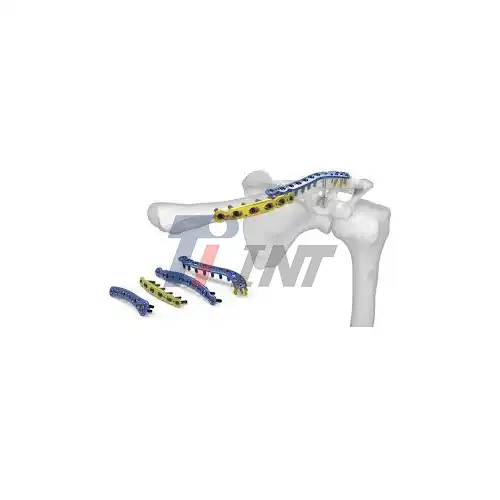
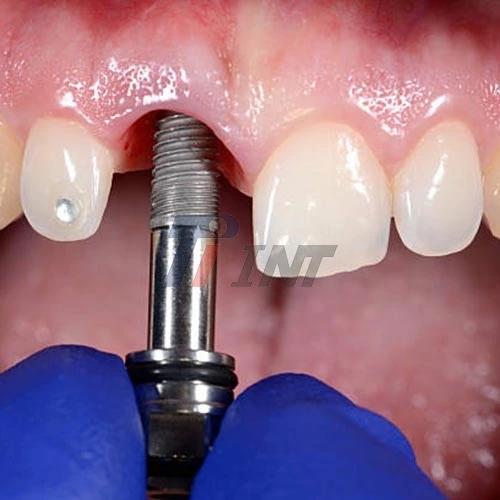
Titanium bar dental implants significantly improve prosthetic stability by creating a unified, rigid framework that connects multiple endosseous implants across the dental arch. This design achieves what professionals call "passive fit"—eliminating stress concentration at individual bone-implant interfaces while distributing occlusal forces evenly. The inherent properties of medical-grade titanium alloys, particularly Ti-6Al-4V and Ti-6Al-4V ELI, ensure exceptional osseointegration where bone grows directly onto the implant surface. This biological bonding, combined with the bar's mechanical advantage in load distribution, prevents micro-movements that typically compromise traditional single-implant solutions, resulting in prosthetics that remain stable for decades.
|
|
|
Introduction
One of the hardest things about modern restorative dentistry is making sure that dental prosthetics stay in place. People who wear implants often feel pain, have trouble eating, and lose bone faster when their devices don't stay in place. There is a lower quality of life because of these problems, and the cost of long-term care and revision surgeries goes up.
For procurement managers, supply chain directors, and research and development engineers who work in the dental device industry, knowing how titanium bar dental implants solve these stability problems isn't just interesting for research purposes; it has a direct effect on how products are chosen, how suppliers work with each other, and ultimately, how competitive the market is. The technology blends cutting-edge material science with new ideas in medicine to provide options that standard implant methods can't match.
As a company that supplies medical-grade titanium materials, we have seen how dental implantology has changed over the past 30 years. This gives us a unique view on what makes good implant systems different. Long-term prosthetic security relies on the quality of the materials, the accuracy of the manufacturing process, and the dependability of the source. This guide gives people who make decisions the technical information and buying strategies they need to find titanium bar dental implants materials that offer real clinical and financial benefits.
Understanding Titanium Bar Implants and Their Role in Prosthetic Stability
What Makes Titanium Bar Systems Unique?
Titanium bar dental implants connect two or more osseointegrated fixtures in the jawbone and act as suprastructures. Bar systems allow removable overdentures or set hybrid prosthetics by creating a single, continuous framework. This is different from individual crowns that are connected to separate implants. This architectural approach changes the way forces move inside the mouth in a fundamental way.
When a person bites down, occlusal loads go through the false teeth and into the titanium bar. The bar then spreads these loads across several implant connection points. This spread keeps any one implant from being overloaded, which lowers the chance of device failure or bone loss around the implant. The rigid connection also gets rid of gaps where bacteria and food particles could gather, which leads to better long-term hygiene.
Material Science Behind Enhanced Stability
Medical-grade titanium alloys, especially Grade 5 (Ti-6Al-4V) and Grade 23 (Ti-6Al-4V ELI), are great for making bars because they have the right mechanical qualities. Because it has a great strength-to-weight ratio, bars can be made with very little extra bulk while still being strong enough to withstand repeated loading cycles. Titanium's elastic stiffness is more like bone than that of stronger materials like cobalt-chromium. This means that it doesn't protect against stress as well, which can cause bone to break down.
Corrosion resistance makes sure that bars keep their shape and surface integrity even when they are exposed to the saliva's moisture, pH changes, and enzyme activity. This steadiness is very important for the fit of the prosthetic; even small changes in the material could leave holes that let the prosthetic move. Because titanium is biocompatible, it doesn't cause inflammatory reactions that could damage the soft tissue seal around implant parts. This makes the implant even more stable over time.
Evolution from Traditional to Titanium Bar Dental Implants
Limitations of Earlier Approaches
In the past, removable teeth were held in place by buccal support and mechanical retention, such as clasps or suction. These designs moved during function, which made patients uncomfortable, made it hard for them to speak, and sped up the loss of ridges. Full-arch prosthetics were hard to support even in the early days of implant protocols that used individual fixtures. When independent implants were loaded unevenly, the anterior fixings often had to carry too much force during cutting movements.
Screw-retained prosthetics on individual implants were better, but they came with problems like screws coming loose, the risk of breaking, and a lot of upkeep. Each screw was a possible point of failure, and while being able to retrieve parts made fixes easier, it also meant that parts could come loose while the machine was working normally.
Bar Framework Advantages
These problems were fixed by titanium bar dental implants technology, which used a unified skeletal design. The bar binds several implants together, turning them from separate parts into a single, stable base. This splinting action helps keep the prosthesis in place in more than one way. Overdentures with clip attachments engage the bar from multiple angles at the same time. This creates redundant retention that keeps the bar in place even if one attachment weakens.
Clinical studies show that overdentures that are supported by bars move much less during function than systems that are attached to balls or don't have splints. When it comes to steadiness, comfort, and confidence while eating and speaking, patients are happier with their results. From a purchasing point of view, these results mean that makers who use quality bar systems will have fewer warranty claims, fewer revisions, and a better image.
Comparative Analysis: Titanium Bar Implants vs Other Implant Types
Performance Metrics Comparison
When comparing titanium bar dental implants systems to other options, you need to look at more than one performance factor. The white colour of zirconia bars makes them look better, which is helpful in cases where receding gums could show metal. Zirconia is very weak, though, so it can break when it's loaded in a rotational way, especially in bars with longer spans. Ceramic materials are harder to work with when it comes to manufacturing standards, which often leads to fit issues that break passive fit principles.
Acrylic and composite resin bars are cheaper for temporary replacements, but they don't have the right mechanical qualities for permanent repairs. Over time, material fatigue causes deformation, which gradually lets prosthetics move more freely. Cobalt-chromium metals are very strong, but they are heavier than titanium options. This could make patients uncomfortable when they wear big prosthetics.
Long-Term Value Considerations
Titanium bar dental implants are more durable and can be used for longer amounts of time. Because the material doesn't wear down easily, bars can be loaded and unloaded millions of times without getting stress fractures. This makes replacements less often, which is a big deal when figuring out the total cost of ownership. The initial cost of the materials and labour is spread out over many years of solid service, making it often more cost-effective than cheaper options that need to be replaced more often.
Knowing these differences in performance helps procurement teams explain their choices of materials to people inside the company and to customers further down the line. Medical device makers can set their products apart from the competition in a crowded market by using titanium bar dental implants parts that come from approved suppliers. Material approvals and source standards are being asked for more and more by dental labs and implant providers. This is because they know that the quality of the materials directly affects clinical results and legal risk.
Procurement Insights for Titanium Bar Dental Implants
Critical Supplier Selection Criteria
To find medical-grade titanium bar dental implants stock, you need to do more than just compare prices. As proof of their qualifications, suppliers should have both ISO 9001:2015 certification for quality management and ISO 13485:2016 certification for medical devices. This shows that they have strict quality controls in place throughout the whole production process. EU CE marking and FDA material compliance documentation make sure that goods in key areas meet the rules set by regulators.
Traceability of materials is another important skill. Reliable suppliers keep records for each lot that connect finished goods to the mill certificates that came from the metal's primary producers at each stage of processing. This line of paperwork is very important during quality reviews and regulatory audits because it makes it easy to find batches that are affected if problems happen.
Customization and Technical Support
Titanium bar dental implants can be used in a wide range of clinical situations, from simple two-implant mandibular overdenture bars to complex full-arch rehabilitation frameworks. Strategic benefits come from suppliers who can customise, such as by precise machining, surface treatments, and making changes to specifications. Manufacturers get better clinical results and make more efficient products when they can find bars that are made to fit specific design needs instead of having to change designs to fit what's available.
Technical support services set superior suppliers apart from vendors of common materials. Having access to materials experts who know about both titanium metallurgy and dental applications can help solve problems with processing, find the best machining settings, and fix quality problems. At Baoji INT Medical Titanium Co., Ltd., we've spent decades getting good at this intersection because we know that our customers' success depends on more than just the quality of the materials we sell. It also depends on how well we teach them how to use them.
Building Reliable Supply Relationships
Making medical devices requires that materials are always available. Supply breaks mess up the plans for making things, cause products to come out later than planned, and hurt relationships with customers. Supply chain risks can be reduced by looking at a supplier's ability to produce, control inventory, and handle transportation. When demand changes, suppliers with specific medical-grade production lines and enough backup stock can handle it without breaking their delivery promises.
Relationship management is more than just making transactions happen. Proactive support is possible through partnerships where suppliers know about the product roadmaps and market challenges of their customers. Material suppliers can help with product development projects by getting involved early on. They can offer the best specs, ways to improve the process, and predict long-term procurement needs. When people understand each other, they can build ties that give them a competitive edge that is hard for other companies to copy.
Enhancing Long-Term Performance and Reliability of Titanium Bar Implants
Manufacturing Quality Factors
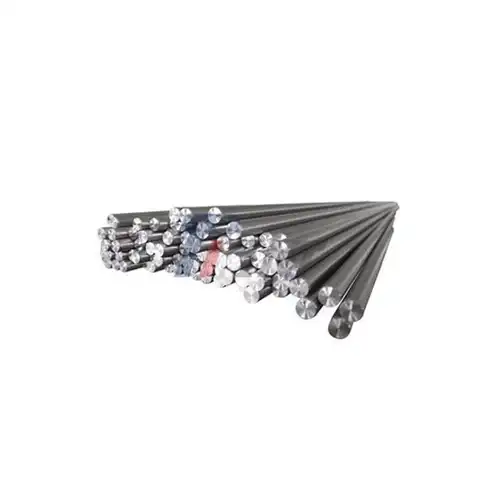
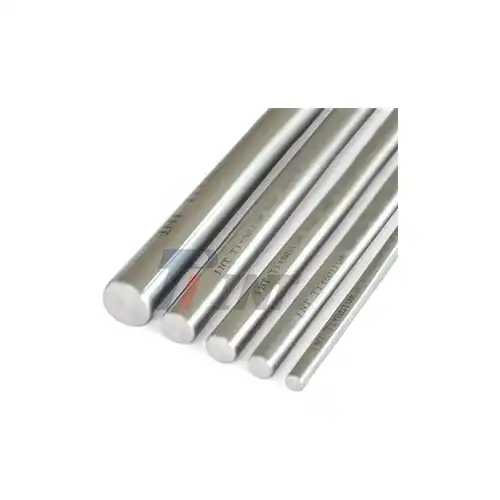
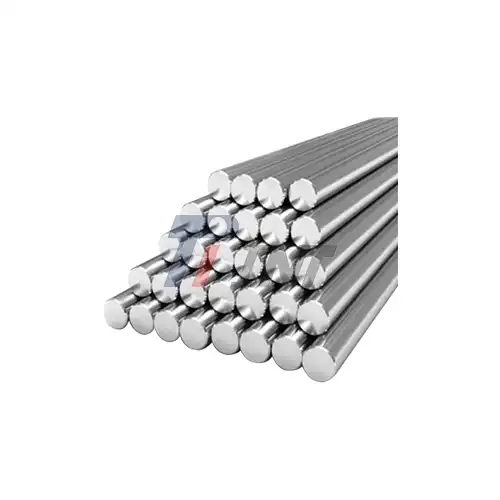
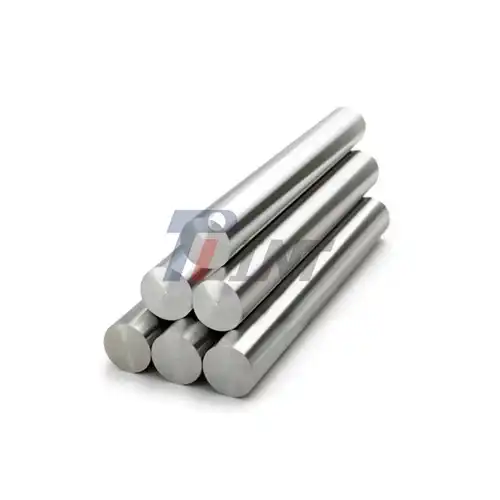
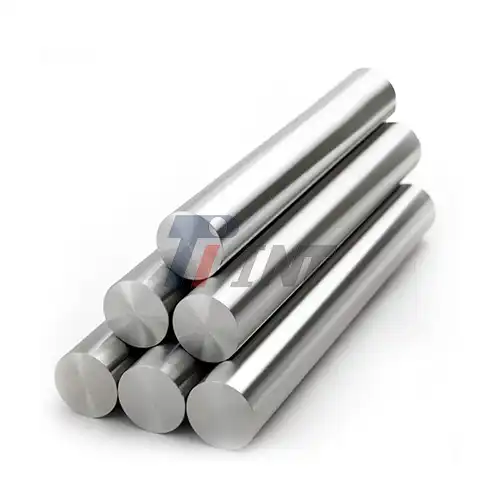
How well a titanium bar dental implants work starts with the quality of its raw materials. Medical-grade titanium bar stock made to ASTM F136 (Ti-6Al-4V ELI) or ASTM F1472 standards makes sure that the mechanical properties and purity levels are right. Extra-low interstitial material in Grade 23 titanium makes it more flexible and less likely to break. This is especially important for bars that are loaded in complex ways.
The quality of the surface finish affects both osseointegration at the implant interface and component fit where bars connect to attachments. Precision grinding makes surfaces with controlled levels of hardness that improve biological reactions while keeping measurements accurate. The right heat treatment methods must raise the hardness to the level that is needed without adding extra loads that could hurt the wear performance.
Installation and Maintenance Protocols
To work as intended, even the best bars need to be handled in the right way in a hospital setting. Long-term success starts with surgical methods that make sure the main implant is stable and that there are enough healing times before the bar is made. To get a passive fit when bars are made, it's important to use impression methods that record the exact physical relationships between implants.
Bar systems last longer when they are maintained regularly. Professional cleaning methods get rid of bacteria buildup without hurting titanium surfaces or removing connection mechanisms. Periodic inspection finds worn-out clip attachments before they lose their ability to hold the clip in place, so the part can be replaced on time. Giving customers clear instructions on how to take care of bar goods helps them protect their investment and keep patients happy.
Future Innovation Directions
Surface changes that speed up and improve the quality of osseointegration are still being studied. Plasma spraying, acid etching, and anodisation are some of the techniques used to make micro- and nanoscale patterns that help bones adhere more quickly. These treatments on the surface could cut down on the time needed to heal between placing an implant and putting a replacement, which would be better for the patient and the clinic.
More and more, additive manufacturing technologies are making it possible to make bar shapes that are specific to each patient and are best for their structure and loading conditions. Traditional subtractive machining is still the most common way to make bars, but selective laser melting and electron beam melting let you make shapes that aren't possible with traditional methods. As these technologies get better and are approved by regulators, they could change how bars are made and built.
Conclusion
Titanium bar dental implants are a tried-and-true way to solve basic problems with the security of tooth prosthetics. Medical-grade titanium alloys have properties like biocompatibility, corrosion resistance, and optimal mechanical characteristics. When combined with smart structural design, these properties make solutions that are better than traditional methods. Knowing about these technical benefits helps procurement workers make smart choices about where to buy things that improve product quality and make the company more competitive in the market. When choosing a supplier, you should look at certifications, the ability to customise, and technical support, along with price. As new technologies and ideas keep coming out that make materials and production methods better, makers can use these new technologies while still meeting the high quality standards needed for medical uses when they work with experienced sources.
FAQ
Q1: What is the average amount of time that titanium bar dental implants last?
A: Medical-grade titanium bars that are made to exact specifications and kept in good shape usually work for 15 to 25 years or longer. In the mouth environment, the material itself doesn't break down much. The practical service life relies on things like how well the implant is integrated, how well the patient takes care of their teeth, how the teeth are loaded, and how often the teeth are maintained. Attachment parts like clips may need to be replaced every one to three years because they wear out over time, but the titanium bar structure should last the whole time the prosthesis is used.
Q2: Are there any health issues that come with metal implants?
A: Titanium is very biocompatible and has been shown to be safe in millions of clinical applications. True titanium allergies are still very uncommon—studies of sensitisation have found that they are less than 0.6% common. The bio-inertness of the material stops harmful reactions in tissues, and its resistance to rust keeps the surface chemistry fixed. People who are known to be sensitive to metals should get allergy tests. Titanium reactions are much less common than reactions to nickel, cobalt, or chromium, which are found in other tooth alloys.
Q3: How do titanium bars compare cost-wise to alternative systems?
A: Titanium bars usually have higher initial prices for materials and production than simpler attachment methods like single ball abutments. But titanium bar options often win when you look at the total cost, which includes how long they last, how much upkeep they need, and how often they need to be replaced. Long-term costs per year of function are lower because the product lasts longer and is more stable. Premium positioning made possible by high-quality titanium systems can help manufacturers justify material investments by giving them higher margins and setting them apart in the market.
Partner with Baoji INT Medical Titanium Co., Ltd. for Superior Titanium Bar Dental Implant Solutions
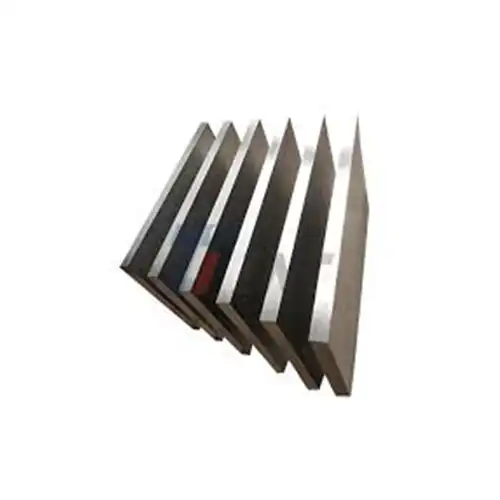
Choosing the right titanium bar dental implants provider affects the standard of your products, your ability to follow regulations, and your ability to compete. Baoji INT Medical Titanium Co., Ltd. has been in the titanium business for more than 30 years and has been specialising in medical-grade products for more than 20 years. Our wide range of products includes bars, rods, plates, and special forgings made from Ti-6Al-4V and Ti-6Al-4V ELI titanium that meet ASTM F136 and ASTM F1472 standards.
Each item has ISO 9001:2015, ISO 13485:2016, and EU CE approvals, which guarantee consistent quality and legal compliance for your production needs. Our engineering team gives expert advice to help with choosing materials, improving processes, and putting quality control into place. Our production skills and stock management ensure a reliable supply that supports your production plans, whether you need standard bar stock or custom machined parts.
Get in touch with our buyers at export@tiint.com to talk about your needs for titanium bar dental implants. We offer competitive quotes based on your volume needs, testing of samples, and documentation of material verification.
References
1. Misch, C.E. (2015). Dental Implant Prosthetics, 2nd Edition. Elsevier Health Sciences, St. Louis, Missouri.
2. Brunski, J.B. (2014). "Biomechanical factors affecting the bone-dental implant interface," Clinical Materials, Volume 10, Issue 3, pp. 153-201.
3. Steinemann, S.G. (1998). "Titanium - the material of choice?" Periodontology 2000, Volume 17, pp. 7-21.
4. Geetha, M., Singh, A.K., Asokamani, R., and Gogia, A.K. (2009). "Ti based biomaterials, the ultimate choice for orthopedic implants - A review," Progress in Materials Science, Volume 54, Issue 3, pp. 397-425.
5. Albrektsson, T. and Wennerberg, A. (2019). "On osseointegration in relation to implant surfaces," Clinical Implant Dentistry and Related Research, Volume 21, Supplement 1, pp. 4-7.
6. Roccuzzo, M., Bonino, F., Aglietta, M., and Dalmasso, P. (2012). "Ten-year results of a three arms prospective cohort study on implants in periodontally compromised patients," European Journal of Oral Implantology, Volume 5, Number 2, pp. 109-117.
_1772162494331.jpg)
_1752462890412.webp)