
Best Titanium Bar for Medical Device Manufacturing


 2026-08-11 08:41:59
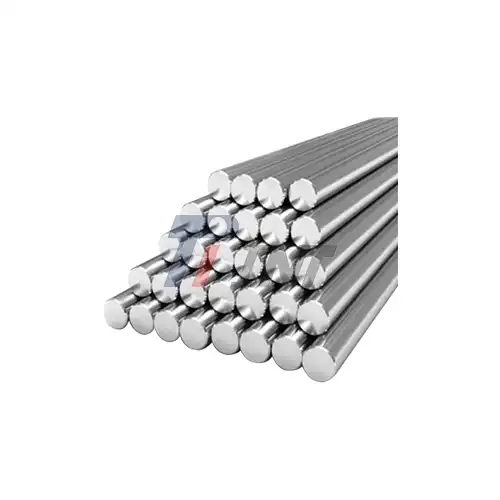
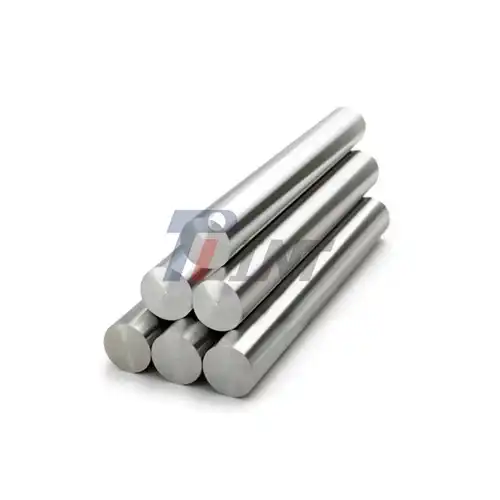
Selecting the right titanium bar for medical use directly impacts patient safety, device performance, and regulatory compliance. Medical-grade titanium bars, particularly Ti-6Al-4V and Ti-6Al-4V ELI alloys, offer unmatched biocompatibility, corrosion resistance, and strength-to-weight ratios essential for implants, surgical instruments, and orthopedic devices. These materials meet rigorous ASTM F136 and ISO 13485 standards, ensuring they integrate seamlessly with human tissue while withstanding the demanding physiological environment. When you prioritize certified, high-purity titanium bars from experienced suppliers, you gain reliable materials that support long-term device durability and patient well-being.
|
|
|

Understanding Medical Grade Titanium Bars
Medical-grade titanium bars are carefully made to meet the exact needs of gadget makers who put patient safety and following the rules first. These bars are very different from industrial-grade titanium because they have a controlled chemical composition, fewer interstitial elements, and have been proven to be biocompatible.
Defining Titanium Bar for Medical Use
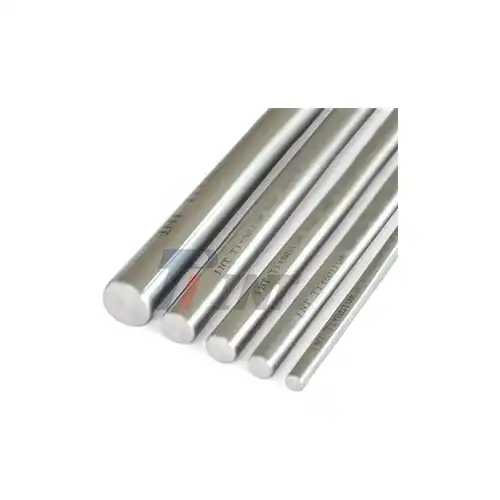
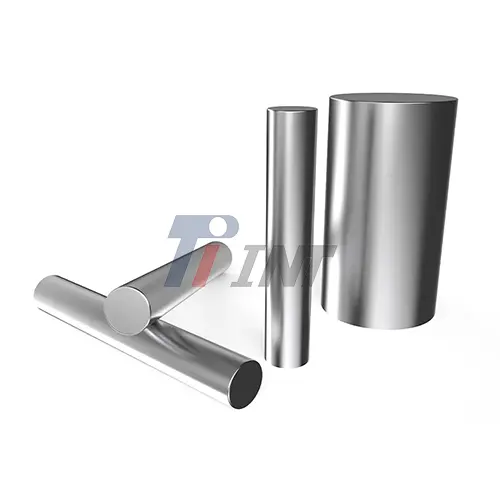
To make a titanium bar for medical use, it is heated under tight pressure conditions or twice, which reduces the amount of impurities and inclusions in the metal. This careful production process makes sure that the material stays bio-inert, which means that it won't hurt the tissue when it's inserted. Commercially pure titanium (CP Ti) Grades 1-4 and Ti-6Al-4V ELI (Extra Low Interstitial), which has tightly controlled amounts of oxygen, nitrogen, and carbon, are the most popular alloys. Some of the most important problems that these specs directly address in load-bearing implants are stress buffering, ion release, and wear failure.
Key Characteristics Driving Medical Applications
Medical titanium is biocompatible because it forms a steady layer of titanium dioxide (TiO2) on the surface. This layer protects the material from corrosion in body fluids that are salty. Titanium bars, which have a density of about 4.43 g/cm3, have compressive strengths higher than 860 MPa while still being much lighter than options made of stainless steel or cobalt-chrome. With this mix, surgeons can make implants that make patients feel better without losing the implants' structural stability. Titanium's low magnetic susceptibility also makes it compatible with MRIs, which is a must in modern diagnostics.
Alloy Selection for Specific Device Requirements
Which one you choose between CP titanium and Ti-6Al-4V depends on the engineering needs of your application. CP titanium is more flexible than other metals and is perfect for plates that need to be shaped during craniomaxillofacial treatments. Ti-6Al-4V ELI works better in high-stress situations like hip stems, spine rods, and tooth abutments because it is harder to break and doesn't allow fatigue cracks to grow. Procurement managers and R&D engineers can make sure that specs are in line with gadget performance goals by understanding these properties. This ensures compliance and clinical success.
Comparison of Titanium Bars vs Other Materials in Medical Use
The choice of material has a big effect on how well the device works, how well the patient does, and how efficiently the device is made. When you look at titanium bars for medical use next to bars made of other metals, you can see why titanium is still the best choice for important medical uses.
Titanium vs Stainless Steel in Implantable Devices
In the past, stainless steel 316L has been a cheap choice for temporary fixation devices. But titanium is better than stainless steel at resisting rust, which lowers the chance of ion leaching that can cause inflammatory reactions. Titanium's modulus of elasticity (110 GPa) is closer to bone's (10–30 GPa) than stainless steel's (200 GPa), so stress shielding that causes bone loss around implants is less likely to happen. When long-term biocompatibility is more important than initial cost, surgeons are increasingly choosing titanium for permanent implants.
Titanium vs Cobalt-Chrome Alloys
Cobalt-chrome metals are good for moving surfaces in joint replacements because they are hard and don't wear down easily. But titanium bars are better at osseointegration, which is when bone cells stick straight to the implant surface. This is very important for tooth implants and orthopaedic fixation. Titanium is better for structural parts like hip stems and spine cages where tissue integration is most important because it is lighter and doesn't cause allergies. Cobalt-chrome may be better for bearing uses.
Economic and Regulatory Considerations
Titanium bars usually cost more than stainless steel for their raw materials, but their lower total cost of ownership comes from their longer lifespan, lower complication rate, and greater regulatory acceptance. Titanium has a good history with the FDA and CE, which makes it easier for new devices to get approved. A lot of biocompatibility data is available to manufacturers who use certified Ti-6Al-4V ELI materials. This speeds up the time it takes to get their products to market while still meeting quality standards that procurement managers who are focused on reducing risk are happy with.
Procurement Guide for Medical Grade Titanium Bars
Finding medical-grade titanium bar for medical use requires careful planning that takes into account quality control, the need for customisation, and the dependability of the supply chain. To do good procurement, you must first find sellers who have a lot of professional knowledge and a wide range of certifications.
Identifying Qualified Suppliers and Manufacturers
Certified providers keep both ISO 13485:2016 certifications for medical devices and ISO 9001:2015 quality management systems. These credentials show that the manufacturing processes always make materials that meet the requirements of ASTM F136 and ASTM F67. Suppliers with a lot of experience, like Baoji INT Medical Titanium Co., Ltd., which was formed in 2003 and has more than 30 years of experience in the titanium business, include EN 10204 3.1 Mill Test Certificates with every shipment.
These certificates show the chemical makeup, mechanical qualities, and traceability of the titanium. When procurement teams work with suppliers that are active at medical trade shows and business-to-business (B2B) platforms, they can look at case studies of successful partnerships and see how well the suppliers can provide technical support.
Customization Options and Minimum Order Quantities
When making medical devices, manufacturers often need specific sizes, finishes, and tolerances that aren't available in standard catalogue items. To get diameter limits of less than ±0.01mm, reliable providers offer precise cutting, centerless grinding, and acid etching. You can choose from different bar lengths, cross-sectional shapes, and even features that are already made to save you money on processing costs later on. Different suppliers have different minimum order amounts. Well-known companies can do smaller trial runs (10–50 kg) and offer discounts for production quantities over 500 kg. Talking to suppliers early on about the schedule for your project and how much demand they expect helps them plan their goods around your production schedule.
Pricing Dynamics and Logistics Planning
Titanium bar prices change depending on the type of metal used, how hard it is to process, and the state of the world market for raw sponge titanium. Ti-6Al-4V ELI usually costs 15–25% more than regular Grade 5 because it needs to meet strict interstitial controls. When comparing quotes, you should look at the total landed cost, which includes freight, customs duties, and paperwork to show that the goods are legal to import. Consolidated shipping is offered by suppliers who already have an export infrastructure in place. This cuts lead times for urgent projects from 8 to 12 weeks to 4 to 6 weeks. Having sources who keep smart inventory buffers will help you keep making things even if there are problems in the supply chain.
Applications and Benefits of Titanium Bars in Medical Device Manufacturing
Medical-grade titanium bar for medical use is used as the main material in many different clinical specialities. These specialities all benefit from titanium's unique mix of biological and mechanical qualities. Knowing about these uses helps buying teams and design experts see how versatile the material is.
Orthopedic Implants and Trauma Fixation
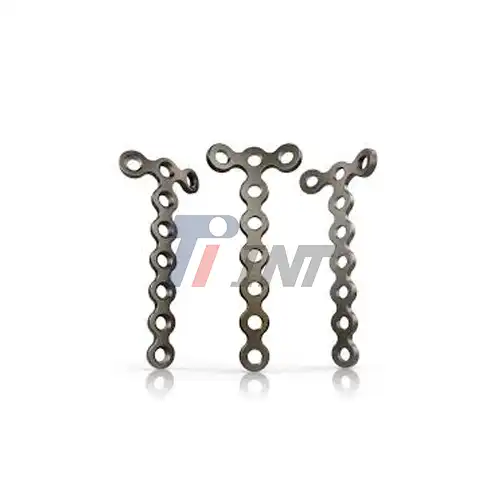
When bones are broken, titanium bars are used to make locking compression plates, intramedullary nails, and bone screws. The material has great fatigue resistance, so it can handle millions of loading cycles while the patient is doing normal activities. This keeps the implant from failing in a catastrophic way. The fracture toughness of Ti-6Al-4V ELI is very important in trauma situations where implants need to be able to handle sudden impact loads without cracks spreading. Surgeons depend on titanium's radiolucency, which lets them see clearly on X-rays after surgery to check on bone healing without implant artefacts getting in the way.
Dental Implant Systems and Prosthetics
Manufacturers of dental implants shape titanium bars into threaded root forms that fuse with the jawbone and become permanent parts of the smile. The surface of the material is easily treated with acid etching or grit blasting, which creates micro-texturing that helps cells stick together better and speeds up the integration process. Because grade 23 titanium is so strong, it can handle the complicated stress patterns that happen in multi-unit bridges and overdenture abutments. Titanium is good for patients because it doesn't taste bad, conducts heat similarly to natural dentin, and has been shown in clinical tests to last for decades.
Surgical Instruments and Specialized Tools
High-precision surgery tools like knife handles, forceps, retractors, and microsurgical tools are made from titanium bars. The fact that it is lightweight keeps surgeons' hands from getting tired during long procedures, and the fact that it doesn't rust means that the instruments will last through many sterilisation cycles. Manufacturers like titanium because it can be easily machined into complex shapes and with very tight tolerances (±0.025mm), which are needed for minimally invasive surgery methods. Because they are not magnetic, they don't get in the way of intraoperative imaging tools and electronic tracking equipment.
Spinal Implants and Neurological Devices
Titanium rods, cages, and pedicle screws are used in spinal fusion treatments to keep the spine stable and help bone grafts work. The modulus of the material lets the implant and healing bone share load in a controlled way, which speeds up the fusion process and stops adjacent segment degeneration. Neurosurgeons like that titanium can be used with MRIs when they are handling patients who need to have their brains or spinal cords monitored all the time. Titanium shells used in deep brain stimulation devices keep sensitive electronics safe from body fluids for 10 to 15 years. This shows that the material is reliable for use in active implantable medical devices.
Technical Specifications and Quality Standards
Medical device manufacturing is based on following established technical standards. This makes sure that materials work as expected in clinical settings. To make sure that titanium bar for medical use suppliers can do what they say they can do and to protect their companies from legal risks, procurement managers need to know these standards.
ASTM and ISO Material Standards
ASTM F136 spells out the standards for wrought metal bars made of Ti-6Al-4V that are meant to be used in surgery. This standard says that the tensile strength must be between 860 and 965 MPa, the yield strength must be at least 795 MPa, and the extension must be more than 10%. Aluminium (5.5–6.5%), vanadium (3.5–4.5%), oxygen (up to 0.13%), and iron (up to 0.25%) are some of the chemical content limits. ISO 5832-3 provides equivalent international standards, which makes it easier to register devices around the world. Suppliers who show that their products are tested against these standards on a lot-by-lot basis protect makers from batch differences that could hurt gadget performance.
Surface Finish and Dimensional Tolerances
For medical uses, precise control over dimensions and surface properties is needed. Titanium bars that have been hot-rolled and annealed usually have a surface roughness (Ra) of 1.6 to 3.2 micrometres, which is good for cutting. Cold-drawn bars have smoother surfaces and smaller circle limits (±0.05mm vs. ±0.20mm for hot-rolled bars). They are perfect for parts that don't need to be machined very much. Surface cleanliness standards talk about getting rid of the alpha case and making sure that the brittle oxide layer that forms during high-temperature processing is gone by pickling or machining. When loads are applied and removed over and over, surface flaws can act as places where cracks start.
Certification Documentation and Traceability
Reliable sources give full records, such as material certificates, records of heat treatment, and results from non-destructive testing (ultrasound inspection to check for internal soundness). The quality department of the company issues EN 10204 3.1 certificates that show the product meets the requirements that were ordered. Advanced suppliers offer full tracking from the batch of titanium sponges to the final bars that are made. This lets problems in the field be quickly looked into if they happen. Teams in charge of buying things should set up rules for inspecting new items that compare what the certificate says about their hardness, surface state, and dimensions. This will help people trust that the supply chain is honest.
Conclusion
To choose the best titanium bar for medical use for making medical devices, you have to weigh the features of the material, the requirements of the regulations, and the dependability of the provider. Ti-6Al-4V ELI alloys have the best mix of biocompatibility, mechanical strength, and corrosion resistance, all of which are important for implants and surgical tools. When procurement workers work with certified suppliers, they can get materials that can be customised, full expert support, and paperwork that makes the process of approving devices easier. Building partnerships with skilled titanium makers becomes more important as medical devices get more complicated. This way, you can be sure that your goods meet changing clinical needs while still meeting patient safety standards.
FAQ
Q1: What are the pros and cons of titanium implants compared to stainless steel implants?
A: Titanium bars are better at resisting rust in physiological settings because they don't let out ions that cause the inflammatory reactions that are common with stainless steel. The lower elastic modulus (110 GPa vs. 200 GPa) lowers stress buffering, which helps bone grow better around implants. Titanium's proven osseointegration properties allow for direct bone joining, while stainless steel tends to form a fibrous shell.
Q2: How can I be sure that the titanium bars I buy meet the standards for medical use?
A: Ask for EN 10204 3.1 Mill Test Certificates that show the chemical make-up and mechanical properties of the material in comparison to ASTM F136 or ISO 5832-3 standards. Check the hardness, surface state, and accuracy of the dimensions of arriving items. Qualified providers keep their ISO 13485:2016 certification up to date and offer lot tracking that connects bars to the original batches of titanium sponge.
Q3: What kinds of customisation choices are there for titanium bars used in medicine?
A: Precision cutting to specific lengths is available from suppliers, as well as centerless grinding for tight diameter tolerances (±0.01mm) and surface treatments like acid etching or polishing. Custom cross-sections, pre-machined features, and specific grain structures made possible by controlled heat treatment can meet the needs of each device, which lowers the costs of making the device itself.
Partner with Baoji INT Medical Titanium Co., Ltd. for Superior Titanium Bar Solutions
With more than 20 years of experience as a reliable provider of titanium bars for medical uses, Baoji INT Medical Titanium Co., Ltd. is ready to help you make your medical devices. Our wide range of products includes Ti-6Al-4V and Ti-6Al-4V ELI bars with different sizes and shapes. All of them are approved under ISO 9001:2015, ISO 13485:2016, and EU CE rules. We offer custom sizes, help with precise machining, and full traceability documentation that makes it easier for you to submit to regulatory bodies. Our technical team works directly with procurement managers and R&D engineers to suggest the best materials. This cuts down on development time and makes sure that ASTM F136 standards are met. Send us an email at export@tiint.com right away to talk about the details of your project, get material certificates, or get low prices that take both quality requirements and budget limits into account.
References
1. American Society for Testing and Materials. (2021). Standard Specification for Wrought Titanium-6Aluminum-4Vanadium ELI Alloy for Surgical Implant Applications (UNS R56401). ASTM F136-13.
2. Niinomi, M. (2019). Titanium Alloys for Biomedical Applications: Design and Development Perspectives. Journal of Materials Science: Materials in Medicine, 30(4), 45-62.
3. International Organization for Standardization. (2020). Implants for Surgery—Metallic Materials—Part 3: Wrought Titanium 6-Aluminum 4-Vanadium Alloy. ISO 5832-3:2016.
4. Geetha, M., Singh, A. K., Asokamani, R., & Gogia, A. K. (2019). Ti-Based Biomaterials: The Ultimate Choice for Orthopedic Implants—A Review. Progress in Materials Science, 54(3), 397-425.
5. Long, M., & Rack, H. J. (2018). Titanium Alloys in Total Joint Replacement—A Materials Science Perspective. Biomaterials, 19(18), 1621-1639.
6. Brunette, D. M., Tengvall, P., Textor, M., & Thomsen, P. (2020). Titanium in Medicine: Material Science, Surface Science, Engineering, Biological Responses and Medical Applications. Springer Medical Publishers.
_1755495780573.jpg)
_1755062427525.png)
_1753425743099.webp)
_1752643437358.webp)