




OEM Titanium Plate Solutions for Medical Equipment Makers


 2026-10-26 09:37:30
Choosing the right titanium plate for medical device manufacturing demands precision, compliance, and reliability. Gr 7 Titanium Plate, enhanced with palladium, offers exceptional corrosion resistance and biocompatibility, making it ideal for OEM medical equipment production. This material stands out in surgical instruments, implants, and diagnostic equipment where chemical stability in bodily fluids is paramount. Understanding the specifications, sourcing strategies, and customization capabilities enables procurement managers to secure materials that meet strict FDA and ISO standards while supporting innovation in medical technology.
|
|
|
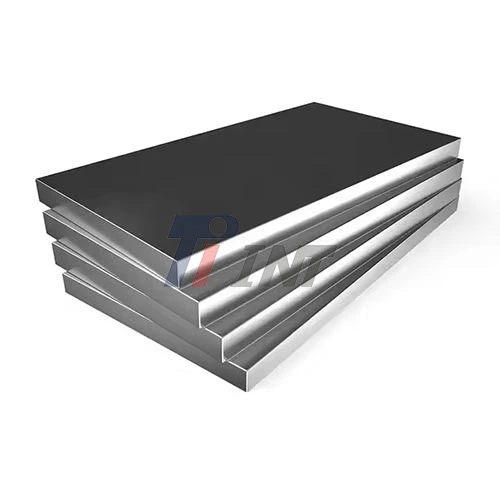
Understanding Grade 7 Titanium Plates in Medical Equipment Manufacturing
What Sets Grade 7 Titanium Apart?
Gr 7 Titanium Plate is a big step forward in the science of medical materials. This alpha-phase metal, which has the technical name UNS R52400, is made up of a commercially pure titanium base and 0.12% to 0.25% palladium. This smart addition changes the material's performance rating in a big way. With a minimum yield strength of 275 MPa, palladium has mechanical qualities similar to Grade 2 titanium. It also forms passivation on its own in harsh settings. This means that the oxide layer can be repaired right away, even if it gets scratched or broken. This keeps biological fluids and sterilisation chemicals from getting through.
Medical device makers often have trouble with equipment breaking down too soon in environments that are acidic or high in chloride. Standard, widely pure titanium can corrode in places where small gaps trap fluids, like in implant holes or under gaskets. This weakness is fixed in Gr 7 Titanium Plate, which means that devices can last decades instead of years in important situations.
Comparing Titanium Grades for Medical Applications
When choosing a material, you have to weigh its power, shapeability, and resistance to chemicals. Grade 5 (Ti-6Al-4V) has a high tensile strength of about 895 MPa, which means it can be used for load-bearing orthopaedic devices like hip stems. On the other hand, the aluminium and vanadium in it make long-term placement more difficult. Grade 9 is in the middle. It has less aluminium than Grade 5 and is better at resisting corrosion, but it's still not as chemically stable as Gr 7 Titanium Plate.
Procurement professionals should think about the working setting when comparing Gr 7 Titanium Plate to these other options. Gr 7 Titanium Plate is very flexible, which makes it great for making surgical instruments that need to be cold-formed. Implants that are cleaned with reducing acids need the extra inactivity that only palladium can provide. The material is more expensive than normal grades, but manufacturers who care about quality often find that the lower number of warranty claims and gadget recalls is worth the extra cost.
Heat Treatment and Processing Considerations
The best performance from a material is guaranteed by the right heat processing. Stress relief annealing is usually done on Gr 7 Titanium Plate between 480°C and 650°C to get rid of the pressures that come from cold working and keep the good alpha-phase structure. Beta metals need complicated solution processes, but Gr 7 Titanium Plate is simpler, which makes it easier to make and check the quality.
Pay attention to the purity of the shielding gas and the amount of heat that goes into the weld. We've seen that keeping the purity of argon above 99.995% stops it from weakening and keeps the palladium-enhanced corrosion protection in the weld zones. The most common cause of failure is contamination during production, so suppliers must have experience with clean processes for medical device uses.
How to Choose Grade 7 Titanium Plates for Your Medical Device OEM Needs?
Matching Material Properties to Device Requirements
Medical equipment has a wide range of functions, and each one has its own material needs. Orthopaedic drill guides and cutting jigs need to be able to keep their dimensions even after being sterilised many times. Gr 7 Titanium Plate keeps its tolerances within 0.05 mm even after being in an autoclave for hundreds of times. The material is good for dental abutments because it doesn't react with mouthwashes and other fluids with pH levels between 5.5 and 7.5. This keeps metal ions from escaping and discolouring soft tissue.
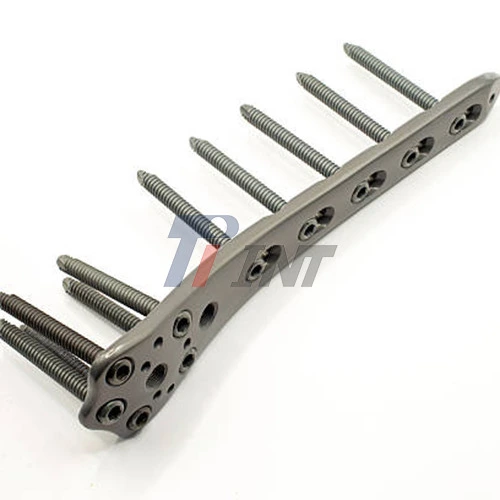
The strictest rules must be followed for implantable fixation plates. For years, these devices must be able to withstand both muscular stress and the biochemical surroundings of the body without breaking down. The added palladium in Gr 7 Titanium Plate stops the localised attack that happens where cracks form under bone screws. This security keeps the fixing in place while the body heals, which greatly lowers the number of surgeries that need to be redone.
Certification Compliance and Traceability
Material certification is the first step in following the rules. Medical device makers must follow ISO 13485's rules for quality management systems, which require full traceability from raw materials to finished products. Each plate should come with a mill test report that lists the chemicals used, the mechanical properties, and the heat treatment parameters for each plate. If problems are found after the product has been sold, these certificates can be used to track the lot.
ASTM F1295 lists the standards for worked palladium-titanium alloys, such as the minimum amount of palladium and the highest interstitial element limits. FDA rules in 21 CFR Part 820 say that supplier quality systems must be checked and approved. When R&D engineers look at possible partners, they should ask to see proof of third-party audits that show they follow ISO and ASTM standards. This paperwork keeps the supply chain running smoothly and shows that proper care was taken when submitting to regulators.
Size and Form Factor Selection
Gr 7 Titanium Plate comes in a range of sizes that are best for different ways of making things. Surgical blades are usually only 0.5 mm thick, while made implant parts are up to 25 mm thick. The width and length rely on the powers of the manufacturing equipment. Standard sheets are 1000 mm x 2000 mm, but special sizes can be made to fit specific production processes.
The surface finish affects both how it looks and how well it works. Scale forms on hot-rolled plates that needs to be removed by pickling or mechanical finishing. Cold-rolled materials have tighter standards and smoother surfaces, making them perfect for implants that don't need a lot of extra work after they're made. When deciding on form factors, purchasing managers should weigh the costs of materials against the costs of cutting that will come after.
Manufacturing and Customization Solutions for Grade 7 Titanium Plates
Advanced Production Techniques
There are many careful steps that go into making a medical-grade Gr 7 Titanium Plate from a raw titanium sponge. Vacuum arc remelting (VAR) makes sure that the palladium is spread out evenly and gets rid of volatile impurities that make the metal less biocompatible. The resulting ingots are hot-rolled at temperatures above 900°C, which reduces their thickness while keeping the alpha-phase microstructure that is needed for their flexibility.
After that, cold rolling is done to get the final size and mechanical features. This process work-hardens the material, which makes it stronger but less flexible. For uses that need complex geometries, annealing brings back the ability to shape. During these processes, keeping things clean is still the most important thing. Specialised tools and clean rooms keep carbon, nitrogen, or air from getting in above what is allowed by ASTM.
Custom Fabrication Capabilities
When providers offer processing that adds value, OEM relationships do very well. Using water jet or laser systems for precise cutting results in parts that are within ±0.1mm tolerance, which gets rid of waste from blanks that are too big. Edge treatment gets rid of burrs and sharp points that make it harder to work with and finish. For implant-grade finishing, some companies that make medical devices need certain surface processes, such as electropolishing, to get Ra values below 0.2 microns.
Customising dimensions is more than just cutting. Forming operations make curved pieces that fit the shape of the body in plastic surgery devices. With CNC machining, flat stock can be turned into complicated shapes like cranial mesh or intervertebral cages. These services bring together supply chains, which makes buying things easier and makes sure that the traceability of materials stays the same during fabrication.
Here are the main skills that set skilled titanium fabricators apart:
Material Testing and Verification: Tensile testing shows that the minimum yield and final strength numbers are correct. Immersion in fake body fluids at 37°C for long periods of time is used in corrosion testing to prove that palladium is a protective metal. Using optical microscope to look at the microstructure confirms the size of the grains and the lack of harmful stages.
Quality System Integration: Companies that are ISO-certified use statistical process control to keep an eye on important factors like rolling temperature and heating time. Non-conformance processes make sure that customers never get bad products. Between external approval reviews, internal checks keep the system working well.
Technical Documentation Support: Certificate of Conformance packages include mill certs, test reports, and records of traceability that are needed for regulatory submissions. When suppliers know what the FDA wants, they can quickly prepare documents, which shortens the time it takes for new medical products to reach the market.
With these skills, suppliers of raw materials become strategic partners who know how to deal with the unique challenges of making medical devices. Spending money on specialised tools and knowledge pays off by lowering quality problems and making sure that rules are followed more closely.
Procurement Guide: Buying Grade 7 Titanium Plates for Medical Equipment
Supplier Evaluation Criteria
To find solid material sources for Gr 7 Titanium Plate, you need to do a thorough evaluation of many factors. Production capacity tells you if your suppliers can grow with your business. Check your annual output and make sure you have backup equipment in case your supply goes down. Geographic closeness affects lead times and transportation costs. However, domestic sourcing may cost more, but it's worth it because it's easier to communicate and protects IP.
The ability to provide technical help sets strategic partners apart from commodity providers. Having access to metallurgists who understand the problems that come with medical devices lets you solve problems before they happen during product development. Application engineering help makes it easier to choose the best materials when the needs of the gadget push the limits of performance. These services are worth more than the things they provide.
Stability in the budget is more important than many buying workers think. Because Gr 7 Titanium Plate takes a long time to make, sellers need to keep a lot of cash on hand. When the economy goes down, companies with weak balance sheets may have a hard time, which leaves the supply chain open to threats. Asking for audited financial statements keeps production schedules from getting thrown off by a partner going bankrupt.
Pricing Structure and Cost Optimization
Gr 7 Titanium Plate prices depend on more than just the cost of the base metal. Because palladium is a valuable metal, its price changes a lot. Surcharges are based on London Metal Exchange values every month. Costs of conversion are affected by plate thickness, with thinner gauges needing more steps of processing. Economies of scale are based on the number of orders. For example, annual agreements with quarterly releases usually get better prices than spot purchases.
Customisation adds extra costs that change based on how complicated it is. Simple blanking operations can raise the cost of raw materials by 10 to 15 percent, and precision machining can double the total cost. When comparing providers, production managers should look at the total cost of the purchase, which should include freight costs, costs for keeping supplies, and time spent on quality control inspections.
Payment terms affect how cash flows are managed. Net-30 terms are common for customers who have been doing business with you for a while, but new customers may need fees or lines of credit. Over time, better business terms are often unlocked by building trust through regular order patterns and on-time payments.
Lead Time Management and Inventory Strategy
Gr 7 Titanium Plate takes weeks to make, from melting to making a final plate. Medical-grade titanium needs extra time for tests. Standard wait times for popular specs are 8 to 12 weeks, and they go up to 16 weeks for custom orders. This length of time makes just-in-time manufacturing methods, which are common in medical device production, more difficult to use.
When you figure out your safety stock, you should take into account both changing demand and unclear supply. We suggest keeping 90 to 120 days' worth of essential materials on hand to support high-volume production. Consignment agreements, in which suppliers store goods at your facility, can help you save money on working capital while still making sure you have access to the goods you need.
Communication rules keep things from going wrong. Forecasts sent out every month help suppliers plan their production campaigns well. Four times a year, business studies make sure that capacity matches expected growth. These actions create partnerships that can withstand changes in the market because they build relationships that go beyond simple transactions.
Future Trends and Innovations in Grade 7 Titanium Plates for Medical OEMs
Emerging Surface Treatment Technologies
Changing the surface of an implant makes it work better without changing the qualities of the main material. Plasma electrolytic oxidation makes micro-textured surfaces on bone-contacting implants that help them fuse with the bone. This process makes the surface area a million times bigger, which speeds up biological attachment while keeping the corrosion resistance of the Gr 7 Titanium Plate. Compared to regular smooth implants, clinical studies show that these implants have better fixation strength within six weeks.
Surgical site infections, which happen in 2–5% of implant treatments, can be prevented with antimicrobial coats. Bacteriostatic surfaces are made by depositing silver nanoparticles or adding copper ions. This lowers the risk of getting an illness. These technologies work well with Gr 7 Titanium Plate biocompatibility, which could lead to less use of antibiotics and better results for patients.
Sustainability in Titanium Production
Environmental concerns are becoming more and more important in procurement decisions. Usually, getting titanium requires a lot of energy, and the carbon footprint is about 35 kg CO2 per kilogram of metal. Newer ways of making things that use molten salt electrolysis use 30–40% less energy, which makes them appealing to medical device companies that want to be carbon neutral.
Recycling closed-loop scrap from making medical devices recovers useful materials and lowers the cost of getting rid of trash. Chips and turnings from machining can be put back into VAR furnaces, which keeps the material pure and saves resources. These efforts to be more environmentally friendly are in line with healthcare's larger goals for caring for the environment.
Digitalisation and openness in the supply chain
Blockchain technology lets you track things in the supply chain in a way that has never been possible before. At every stage of the process, from making the sponge to making the plate to making the gadget, permanent records are kept that can be accessed by officials and customers. This makes checks go faster and builds trust in where things come from, which is especially important as supply lines for medical devices become more global.
Artificial intelligence predicts the best rolling temperatures and annealing times based on the material's composition and the properties that are wanted. Finding links between processing factors and end performance is easier with machine learning algorithms. This cuts down on the number of trial-and-error development processes. Time-to-market for new medical products is cut down by these improvements, which also make them more consistent.
Conclusion
Choosing the right Gr 7 Titanium Plate materials affects how well a medical device works, how well it meets regulatory requirements, and how well it does in the market. Gr 7 Titanium Plate has the best corrosion protection and biocompatibility, which are both important for challenging surgery and implant uses. Procurement professionals can make smart choices that balance cost, quality, and risk when they know about the properties of materials, the skills of suppliers, and new technologies. As laws and performance standards get tighter, the medical device industry is changing all the time. To stay competitive in this important part of healthcare, manufacturers should work with experienced titanium suppliers who invest in new ideas and quality systems.
FAQ
Q1: What makes Grade 7 titanium better than Grade 2 for medical devices?
A: Gr 7 Titanium Plate has 0.1 to 0.25% palladium in it, which makes it much more resistant to corrosion in hospital settings with acidic surroundings and cracks. Grade 2 works well in neutral pH settings, but Gr 7 Titanium Plate stops the localised attack that happens under implant threads, in tight gasket surfaces, and during harsh sterilisation cycles. This makes the device last longer and lowers the chance of failure, especially for implantable devices that are exposed to biological fluids for a long time. The mechanical properties are pretty much the same, so the choice comes down to how harsh the environment is. Gr 7 Titanium Plate is worth the extra cost when chemical stability is very important.
Q2: How do I verify supplier certifications for medical-grade titanium?
A: Ask for full material certification packages that include mill test records that show the chemical composition according to ASTM F1295 standards, as well as test results for mechanical properties and heat treatment factors. Check that the seller stays certified to ISO 13485:2016 by using an approved register. Ask for up-to-date certificates and audit reports. Make sure that methods for tracking materials connect each plate lot to the records of how the original ingot was made. Reliable suppliers are happy to let qualified buyers inspect their facilities. We've had relationships with medical device makers for more than ten years because strict documentation and an open quality system build the trust that is needed to follow the rules.
Partner with Baoji INT Medical Titanium for Your Gr 7 Titanium Plate Needs
When making medical devices, suppliers need to know about both the science of materials and the complexities of regulations. Since 2003, Baoji INT Medical Titanium Co., Ltd. has been specialising in medical-grade Gr 7 Titanium Plate. They have gained a lot of experience working with implant makers, surgery tool makers, and OEM partners all over the world. Our ISO 13485:2016 certification and CE approval show that we are dedicated to maintaining quality systems that meet the highest standards for medical devices around the world.
We can do the whole production process, from vacuum melting to precise cutting, and we make sure that the quality and traceability of the materials are checked at every step. Our expert team helps you choose the best materials for your device by providing application engineering support. We can help you with your production needs whether you need standard plate sizes or custom fabrication services.
As a well-known supplier of Gr 7 Titanium Plate, we know the problems medical device companies face when they need to buy things, like how to deal with regulatory paperwork and making sure deliveries are on time. Email our team at export@tiint.com to talk about the materials you need, ask for samples for qualification testing, or find out how our services can help you reach your product development goals. Let us show you how 20 years of specialising in medical titanium can give your company trust in its supply chain.
References
1. American Society for Testing and Materials. (2020). ASTM F1295-16: Standard Specification for Wrought Titanium-0.2 Palladium Alloy for Surgical Implant Applications. West Conshohocken, PA: ASTM International.
2. International Organization for Standardization. (2016). ISO 13485:2016 Medical Devices – Quality Management Systems – Requirements for Regulatory Purposes. Geneva: ISO.
3. Schutz, R.W., & Watkins, H.B. (1998). Recent Developments in Titanium Alloy Application in the Energy Industry. Materials Science and Engineering: A, 243(1-2), 305-315.
4. Brunette, D.M., Tengvall, P., Textor, M., & Thomsen, P. (2001). Titanium in Medicine: Material Science, Surface Science, Engineering, Biological Responses and Medical Applications. Berlin: Springer-Verlag.
5. U.S. Food and Drug Administration. (2021). Quality System Regulation – 21 CFR Part 820. Silver Spring, MD: Center for Devices and Radiological Health.
6. Steinemann, S.G. (1998). Metal Implants and Surface Reactions. Injury: International Journal of the Care of the Injured, 27(3), S/C16-S/C22.