




What Is Gr2 Titanium Medical Bar and Why Is It Widely Used?


 2026-10-26 09:37:25
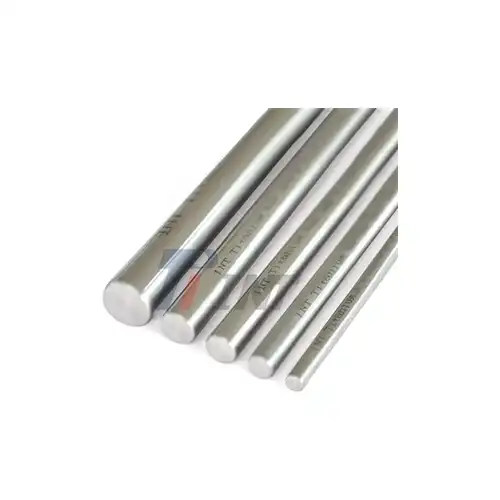
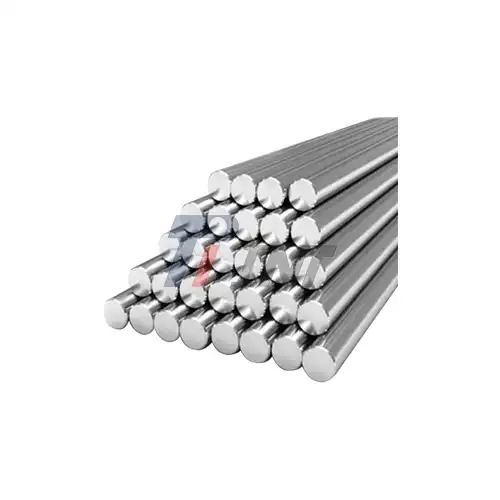
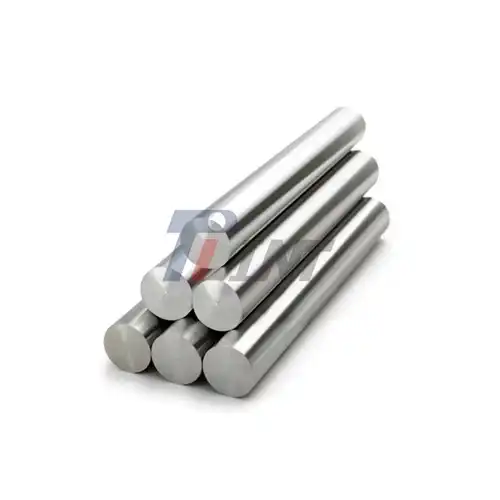
Gr2 Titanium Medical Bar is a premium-grade, unalloyed Commercially Pure (CP) titanium rod specifically engineered for critical biomedical applications, adhering strictly to ASTM F67 and ISO 5832-2 standards. Unlike general industrial titanium, this material undergoes rigorous vacuum arc remelting (VAR) and precision grinding to ensure a defect-free microstructure essential for human implantation.
It specifically addresses core industry pain points such as 'Stress Shielding'—where its low modulus of elasticity (approximately 105 GPa) mimics natural bone better than stainless steel, preventing bone resorption. Being chemically bio-inert, it eliminates allergic reactions common with nickel-containing alloys, making it the gold standard for medical device manufacturing.
|
|
|
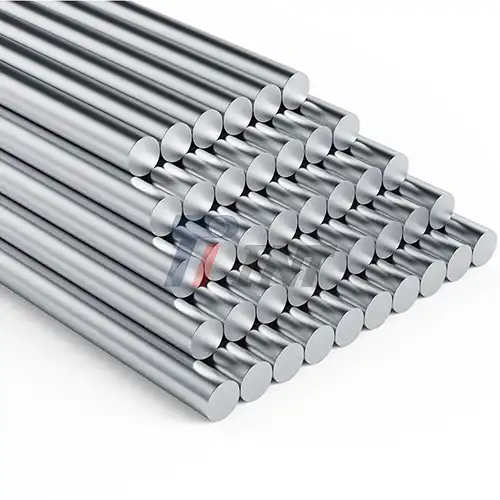
Understanding Gr2 Titanium Medical Bar
What Makes Gr2 Titanium Unique in Medical Applications
The most common type of titanium metal used in medicine today is Grade 2, which is commercially pure titanium. From a metallurgical point of view, these bars have a density of 4.51 g/cm³ and a melting point of around 1660°C. The chemical makeup stays very pure, with the right amount of titanium, iron (up to 0.30% maximum), and oxygen (usually around 0.25% maximum) to make sure the metal can be shaped. This particular composition guaranties that the material will be very easy to work with while still keeping the mechanical stability needed for medical device parts.
Manufacturing Process and Quality Assurance
These bars are made by Baoji INT Medical Titanium Co., Ltd. using normal methods such as vacuum arc remelting and precise forging. The VAR method gets rid of flaws and makes sure that the material has the same microstructure all over. Our manufacturing process, which has been improved over more than 30 years of experience in the titanium industry since our company was founded in 2003, guaranties that all of our products will meet strict specifications for size and shape.
As standard checks for thickness measures, micrometers and laser thickness gages are used to make sure that all production batches are the same. The products all get the EU CE safety mark, the ISO13485:2016 medical device quality management system mark, and the ISO9001:2015 international quality system mark.
Chemical Composition and Mechanical Properties
As per ASTM B348 standards, the minimum yield strength must be 275 MPa (40 ksi) and the minimum tensile strength must be 345 MPa (50 ksi). The material must also be able to stretch at least 20% before it breaks. This mix gives the material better flexibility, which lets it be cold-formed and used for complicated cutting tasks. The high elongation percentage means that the material is very flexible, which lets manufacturers shape parts without worrying about breaking them when they stamp or bend them. ASTM E290-based bend testing makes sure the material can withstand tight arcs bending without breaking, which is a very important quality for making medical instruments.
Core Properties and Benefits of Gr2 Titanium Medical Bar
Exceptional Corrosion Resistance
The main competitive advantage comes from the oxide film (TiO2) on the material, which reforms itself when oxygen comes in contact with it. This passive layer protects against erosion and corrosion in seawater flows of up to 20 feet per second. It also protects against wet chlorine gas, metallic chlorides, and organic acids.
Gr2 Titanium Medical Bar leverages this same protective oxide layer, making its resistance to corrosion very useful in hospital settings that deal with body fluids and repeated sterilization processes. By stopping metal ions from leaking into nearby tissues, which can happen with cheaper materials, the strong oxide layer makes the implant last longer and keeps the patient safer.
Biocompatibility and Safety Profile
Grade 2 titanium bars solve the important problem of cytotoxicity because they are not magnetic and are nontoxic. The substance stops the allergic reactions that happen with nickel-based alloys, making it a chemically bio-inert option for long-term implantation. This biocompatibility comes from the solid titanium dioxide layer on the surface, which keeps the metal from directly interacting with the flesh. When compared to stainless steel alternatives, clinical evidence shows lower inflammation reactions and better osseointegration. The material stays tough even at freezing temperatures, which means it can be used in more specialized medical treatments.
Mechanical Performance and Weight Advantages
Compared to stainless steel, commercially pure titanium Grade 2 has better mechanical properties, such as better fatigue resistance and stress tolerance, while still being about 45% lighter. This weight loss directly affects how comfortable patients are with permanent implants. The material's modulus of elasticity is very close to that of human bone. This overcomes the "stress shielding" problem that happens when implants are too stiff and stop normal bone loading, which causes bone mass loss over time. Engineers that make medical devices like this trait a lot, especially when it comes to orthopedic uses where load distribution has a direct effect on how well patients do in the long run.
When you put these properties together, you get a material profile that can meet a wide range of medical manufacturing needs at a low cost. From what we've seen at Baoji INT Medical Titanium Co., Ltd., procurement experts always pick Grade 2 for projects that need to balance mechanical performance with budget constraints.
Comparing Gr2 Titanium Medical Bar with Alternatives
Grade 2 versus Grade 5 Titanium Alloy
To choose between Grade 2 and Grade 5 (Ti-6Al-4V) titanium, you need to know how they work differently. The tensile strength of Grade 5 is at least 895 MPa (130 ksi), and the yield strength is at least 828 MPa (120 ksi). This is much higher than Grade 2's tensile strength of 345 MPa. Although Grade 5 is softer than Grade 2, it still gets about 36 HRC, which is a big difference in hardness. However, Grade 5 has a lower thermal conductivity (about 6.7 W/m·K) than Grade 2 (about 16.4 W/m·K), which means it needs different ways to be machined and costs more to process.
Grade 2 is a cost-effective option that is better at being biocompatible for uses that don't need a lot of load-bearing capacity. The alloying elements in Grade 5 make it stronger, but they also make quality control more difficult and could cause reactions in some patient groups. Gr2 Titanium Medical Bar offers a balanced middle ground, as its proven oxide layer ensures reliable corrosion resistance while maintaining a safer biocompatibility profile. When choosing the best material, procurement managers have to weigh budget and biocompatibility concerns against mechanical needs.
Grade 2 Titanium versus Stainless Steel
Titanium metals are still more expensive and harder to find than stainless steel, but stainless steel doesn't have the biocompatibility and corrosion protection needed for long-term implants. Stainless steel parts often make goods heavier, which makes it harder on the patient when the implant is permanent. The magnetic properties of the material make MRI images more difficult, but titanium's lack of magnetic qualities takes away these problems. Corrosion goods made from stainless steel can cause swelling and changes in the color of tissues. These problems are almost completely removed with commercially pure titanium.
Along with the initial cost of materials, engineers should look at how well the materials can be sterilized, how much they can weigh, and any regulatory requirements. Our supply chain knowledge at Baoji INT Medical Titanium Co., Ltd., gained through relationships that lasted more than ten years, shows that Grade 2 titanium's better performance often explains the higher price over stainless steel in important medical uses.
Procurement and Supply Chain Insights for Gr2 Titanium Medical Bar
Supplier Selection and Verification
To make procurement more efficient, you need to be able to find dependable suppliers who offer consistent quality, competitive prices, and a range of manufacturing options, such as OEM services and custom sizing. Buyers should carefully check the qualifications of suppliers, making a distinction between factory-direct sources and middle-men. For each production batch, we keep clear quality records that include material certificates, measurement inspection reports, and records of how the materials were used. Our ISO13485:2016 certification shows that we are dedicated to medical device quality control systems, which is a must for medical-grade materials.
Understanding MOQ and Lead Times
Manufacturers who have been around for a while usually set minimum order amounts based on how efficiently they can make things and how long it takes to get materials. We've streamlined the way we run production so that we can handle different order amounts while keeping our prices low. Lead times depend on how complicated the specifications are and how busy the factory is right now. Standard diameter bars usually ship within the agreed upon time frames, but bars made to specific measurements need more time to be processed. Real-time stock updates help procurement managers make good plans for project timelines, which helps them avoid costly production delays.
Technical Support and Customization Services
Strong relationships with suppliers go beyond just delivering goods. We offer full technical support, which includes help choosing materials, suggestions for processing technologies, and records of quality control. Our R&D skills, honed over more than 30 years of working with titanium materials in the real world, allow us to work together to find solutions to specific application problems. This professional partnership is very helpful during the development stages of a product, when the performance of the materials has a direct effect on the success of the design.
Why Gr2 Titanium Medical Bar is Widely Used in Medical Industries
Proven Applications Across Medical Specialties
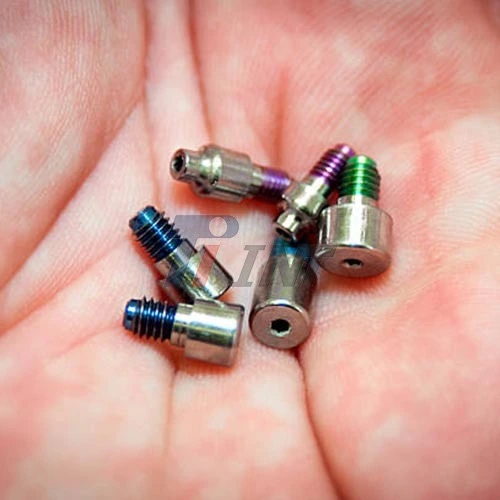
Pure titanium Grade 2 bars that are sold in stores are widely used in orthopedic and dental implants, surgery tools, and parts for medical devices. Gr2 Titanium Medical Bar specifically meets these demanding applications, as its ability to be machined makes it possible to make complicated shapes with great accuracy, which is needed for spine fixation systems, trauma plates, and dental abutments. Surgical tool makers like this material because it keeps its sharp edges and doesn't rust after being autoclaved many times. Manufacturers can keep a close eye on quality in controlled production settings because the mechanical traits stay the same from batch to batch.
Innovation and Future Applications
Progress in the medical field drives constant new developments in the ways that titanium is processed. Additive manufacturing technologies make design options wider, letting us use lattice structures that help implants fuse with the bone. Bioactive surface treatments help tissues stick together even better, which speeds up healing and makes things better for patients. We put money into starting Shaanxi Stand Biotechnology Co., Ltd. so that we can turn scientific discoveries into useful products and be at the head of the growth of precision die forging technology.
Regulatory Compliance and Sustainability
Sustainable ways of making titanium alloys and improvements in handling titanium alloys make widely pure titanium a choice that is ahead of the curve and in line with changing regulatory standards around the world. Manufacturers can be sure that their products will be able to reach customers all over the world if they use materials that meet the standards set by ASTM F67, ISO 5832-2, FDA, and CE. Environmental concerns are becoming more important in purchasing decisions. Titanium's ability to be recycled and last a long time make its lifecycle environmental impact lower than that of single-use materials or materials that need to be replaced often.
Conclusion
For making medical devices, commercially pure titanium Grade 2 medical bars offer the best mix of mechanical strength, biocompatibility, and cost-effectiveness. Gr2 Titanium Medical Bar exemplifies this balance, as the material's unique mix of resistance to corrosion, workability, and proven clinical performance is what makes it so popular for use in orthopedic, dentistry, and surgery instruments.
Purchasing professionals can make better choices that meet the needs of specific applications when they know how the material's properties compare to options like Grade 5 titanium and stainless steel. For medical device development and production to go smoothly, it is still important to work with experienced suppliers who can provide full technical support, good paperwork, and dependable supply chains.
FAQ
Is Grade 2 Titanium Biocompatible for All Implant Applications?
Grade 2 titanium is biocompatible with a wide range of tissues and is allowed by ASTM F67 guidelines for most implant uses. The bio-inert quality of the material and its solid oxide layer keep tissues from reacting badly in most clinical situations. More verification testing may be needed for some specialized uses, especially when the user will be exposed to certain bodily fluids for a long time or has special patient sensitivities. Manufacturers should use ISO 10993 series standards to do application-specific biocompatibility tests to make sure their products are suitable for the uses they were made for.
How Do Sterilization Processes Affect Material Integrity?
Common ways to sterilize things, like autoclaving, gamma radiation, and ethylene oxide exposure, don't damage grade 2 titanium. The material is thermally stable up to its melting point of 1660°C, which is much higher than autoclave temperatures. This means that mechanical properties don't change during steam cleaning processes. Repeated sterilization doesn't damage the protective oxide layer or make the surface dirty in a way that could hurt biocompatibility. This longevity makes it possible to use surgery instruments more than once and supports strict infection control rules.
What Lifespan Can Be Expected from Grade 2 Titanium Implants?
Clinical data from orthopedic and dental uses shows that Grade 2 titanium implants can last longer than 20 years when loaded normally. The material's high resistance to corrosion keeps it from breaking down when it comes in contact with body fluids, and its resistance to wear keeps the structure strong after millions of loading cycles. How long an implant actually lasts depends on how active the patient is, the type of implant used, the surgical technique, and where it is placed in the body. These performance traits help the engineering and buying teams set reasonable goals for how long a product will last and how safe it will be for patients.
Partner with Baoji INT Medical Titanium Co., Ltd. for Your Material Needs
Medical device makers looking for a reliable provider of Gr2 Titanium Medical Bars can find everything they need at Baoji INT Medical Titanium Co., Ltd. With 30 years of experience in the titanium industry, ISO13485:2016 certification, and full traceability documentation, we can give your projects the consistent quality they need. We sell commercially pure titanium and Ti6Al4V ELI titanium rods, wires, and plates in a range of sizes. We also offer expert help for choosing the right materials, processing techniques, and quality control.
Email our team at export@tiint.com to talk about your specific needs, ask for material certificates, or look into options for custom sizes. Visit inttitanium.com to find out more about what we can do and how our experience working with medical device companies can help you improve the security of your supply chain and the performance of your products.
References
1. American Society for Testing and Materials. (2013). ASTM F67-13: Standard Specification for Unalloyed Titanium for Surgical Implant Applications. ASTM International.
2. International Organization for Standardization. (2016). ISO 5832-2:2018: Implants for Surgery — Metallic Materials — Part 2: Unalloyed Titanium. ISO Standards.
3. Boyer, R., Welsch, G., & Collings, E.W. (1994). Materials Properties Handbook: Titanium Alloys. ASM International.
4. Brunette, D.M., Tengvall, P., Textor, M., & Thomsen, P. (2001). Titanium in Medicine: Material Science, Surface Science, Engineering, Biological Responses and Medical Applications. Springer.
5. Rack, H.J. & Qazi, J.I. (2006). Titanium Alloys for Biomedical Applications. Materials Science and Engineering: C, 26(8), 1269-1277.
6. Niinomi, M. (2008). Mechanical Biocompatibilities of Titanium Alloys for Biomedical Applications. Journal of the Mechanical Behavior of Biomedical Materials, 1(1), 30-42.