




Ti-6Al-4V Titanium Bar vs Grade 4 for Dental Applications


 2026-10-26 09:37:21
When selecting raw materials for dental implant manufacturing, the debate between Ti-6Al-4V (Grade 5) and commercially pure Grade 4 titanium remains central to procurement strategy. Both materials serve as the foundation for producing high-precision titanium bar for dental implants, yet each offers distinct mechanical and biological properties that influence implant performance, machining efficiency, and long-term clinical outcomes. Understanding these differences enables procurement managers and R&D engineers to align material selection with specific production requirements, quality standards, and cost objectives.
|
|
|
Understanding Titanium Bars for Dental Implants
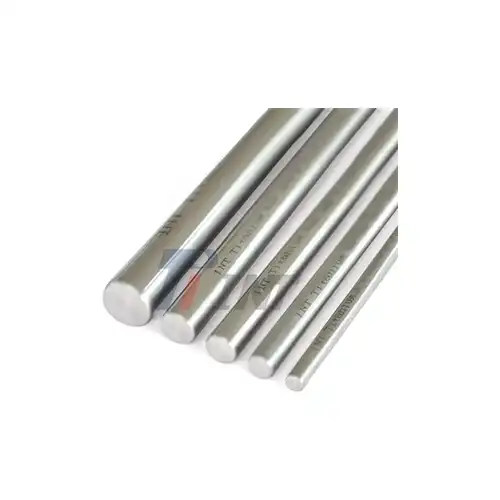
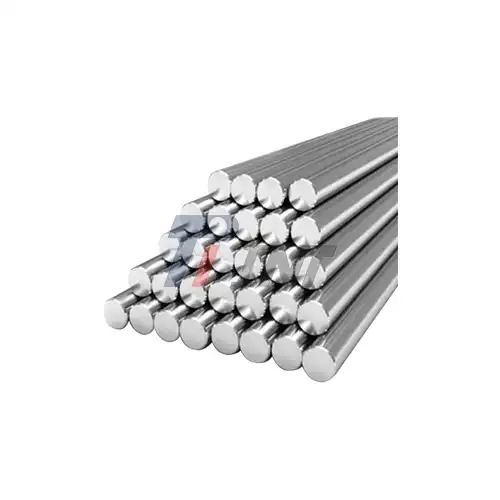
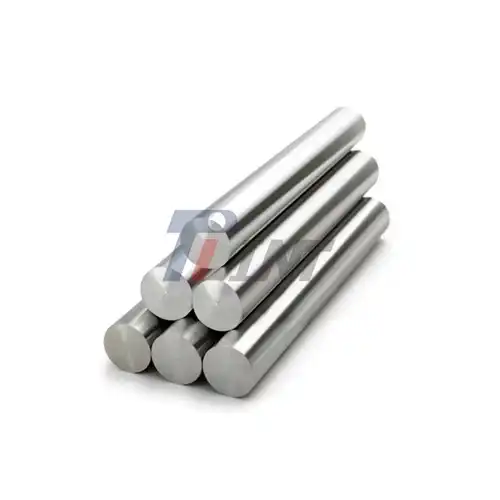
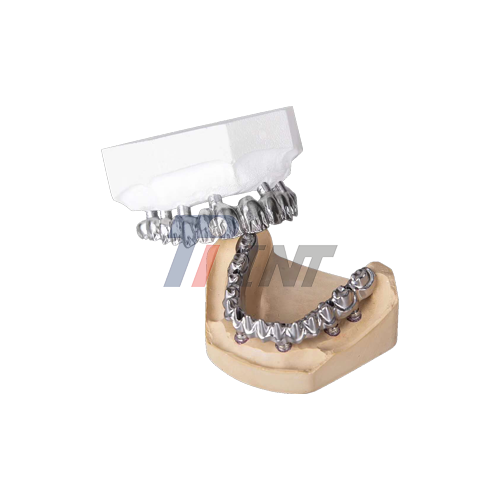
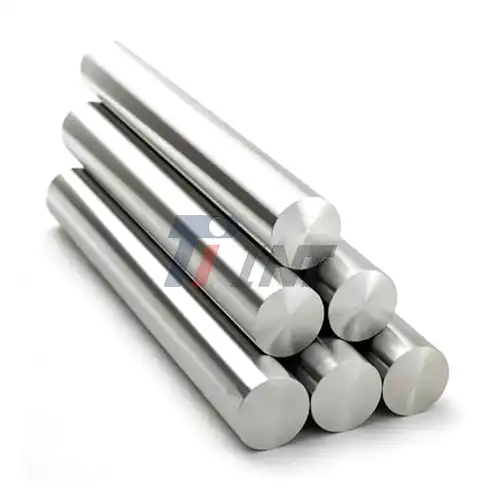
Titanium bars are the main material used for CNC cutting and Swiss-type machining in the production of tooth implants. These precisely ground rods give the security in size and uniformity of the material needed to make implant posts, abutments, and frames for restorative dentistry. Unlike regular industrial titanium, medical-grade bars have to meet strict international standards like ISO 5832-2/3 and ASTM F136. This makes sure that they are biocompatible, pure, and reliable in the mouth environment.
Material Composition and Structural Differences
The alpha-beta titanium alloy Ti-6Al-4V has about 6% aluminium and 4% vanadium in it. These metals make the alloy much stronger and more resistant to fatigue than commercially pure titanium. This mix of alloys has a tensile strength of 860 to 965 MPa, which means it can be used for load-bearing tasks where implants need to withstand repeated biting forces of more than 200 Newtons.
Grade 4 titanium, which is commercially pure (CP) titanium with an oxygen content of up to 0.40%, is less strong (550 MPa tensile) but easier to bend and shape. It's easier to machine on precision lathes because its architecture is simpler. This cuts down on tool wear and cycle time during high-volume production runs.
Bar Configurations for Diverse Manufacturing Needs
The widths of our titanium bars range from 4 mm to 30 mm, and they can be polished or acid-pickled on the outside. These rules cover a range of implant designs, from narrow-diameter fixtures (Ø3–4mm) for front restorations to wide-platform systems (Ø5–6mm) for replacing back molars. Custom lengths make sure that the best use of materials is made and that as little waste as possible is created during CNC programming. This solves the problem of how to balance inventory flexibility with cost control in procurement.
Ti-6Al-4V Titanium Bar vs Grade 4 Titanium Bar: Key Performance Comparison
To choose between these two materials, you need to carefully look at their mechanical properties, how they process, and the cost, all of which have an effect on the production yield and the reliability of the product.
Mechanical Properties and Implant Stability
The Ti-6Al-4V ELI (Extra Low Interstitials, Grade 23) titanium bar for dental implants has a yield strength of about 795 MPa, which is almost twice as high as Grade 4 titanium's yield strength of 485 MPa. This difference in strength is very important for All-on-4 and All-on-6 procedures, where titanium bars have to hold multiple implants in place and support extended limbs without deforming when loaded and unloaded many times.
The elasticity of Ti-6Al-4V (114 GPa) is more like that of cortical bone (18–20 GPa) than that of stainless steel alternatives. This means that it reduces stress shielding that leads to peri-implant bone resorption, which is a common late-stage problem found in clinical studies. Grade 4 titanium has a slightly lower stiffness (105 GPa), which makes it more flexible, which is good for single-unit implants in areas with low stress.
Another important factor is fatigue resistance. Ti-6Al-4V has better endurance limits than other materials. It can survive over 10 million loading cycles at stress amplitudes typical of regular chewing without cracking. This trait directly leads to longer implant service lives and fewer surgeries to fix problems.
Corrosion Resistance in the Oral Environment
Both materials create an inactive TiO2 layer that is very resistant to weathering in the mouth, which is full of chlorides and has a pH that changes all the time. According to ISO 10993-15 testing in the lab, both alloys release almost no ions after 30 days of being immersed in fake saliva at 37°C. Because it is easier, Grade 4 titanium has slightly better pitting resistance because it doesn't have any galvanic micro-cells that are caused by alloying elements.
Machinability and Production Efficiency
Swiss CNC machines can cut Grade 4 titanium about 15 to 20 percent faster than Ti-6Al-4V. This is because Grade 4 titanium has lower cutting forces that make carbide inserts last 25 to 30 percent longer. This means lower cutting costs per unit, which is important for companies that make 10,000 or more implants every month. Because the metal hardens more slowly, it is possible to achieve a smaller h6 tolerance without having to do any extra grinding.
To keep chips from sticking and prevent work hardening, Ti-6Al-4V needs to be cut at the right speed (50–70 m/min, feeds 0.05–0.08 mm/rev) and with high-pressure coolant. Even though they are harder to machine, the parts that are made are more stable in their dimensions after surface treatments like sandblasting and acid etching.
Cost-Effectiveness Analysis
Due to the addition of alloying elements and tighter intermediate controls, the price of raw materials for Ti-6Al-4V ELI is usually 30–40% higher than those for Grade 4 titanium. When buying directly from specialised manufacturers like Baoji INT Medical Titanium, buying between $500,000 and $3,000,000 a year can cut costs by 20–40% compared to European suppliers. This makes Ti-6Al-4V economically viable for high-performance applications, while Grade 4 is still the best choice for low-load, cost-conscious situations.
Making the Right Choice: Which Titanium Bar Fits Your Procurement Needs?
When making things, you need to choose the right materials based on the needs of the job, the rules that apply, and your company's skills.
Application-Specific Material Selection
The strength of Ti-6Al-4V helps implant makers make immediate-load protocols or narrow-diameter systems work better because it makes up for the smaller cross-sectional area while keeping the structure intact during osseointegration. On the other hand, companies that make standard two-stage implants for delayed loading might think that Grade 4 is enough, especially for the front of the maxillary teeth where occlusal forces are still modest (80–120N).
Dental labs that make custom abutments and implant-supported bars for hybrid dentures like Ti-6Al-4V ELI because it doesn't wear down easily during splinting processes. Because the material is strong, thinner profile designs are possible that make more room for restoration while maintaining passive fit, which is important to keep screws from coming loose and the framework from breaking.
Regulatory and Certification Requirements
When made with ISO 13485:2016 quality systems, both materials meet the FDA's 21 CFR requirements for Class II medical devices. The titanium bar for dental implants, when produced from Ti-6Al-4V ELI, meets the requirements of ASTM F136, which says that it must have extra-low levels of nitrogen, carbon, and iron to be biocompatible. Follows ASTM F67, Grade 4 is good for most dental uses and has a 30-year history of good clinical performance.
The teams that buy things have to make sure that the certificates that come with the materials have full chemical analyses, mechanical test results, and tracking codes that connect bars to production heat lots. Our paperwork package meets the technical file requirements for CE marking so that it can be sold in the EU. It includes ultrasonic flaw detection records that show there are no internal faults, as required by ASTM E213.
Supply Chain Logistics and Lead Times
For niche requirements, getting small-diameter precision ground bars (Ø3-6mm) in h6 tolerance is hard because many providers have minimum order quantities (MOQs) that are higher than the quarterly usage. We keep ready-to-ship items in more than 15 diameter-length combinations, and we offer custom grinding services with lead times of 3–5 weeks for sizes that aren't in stock. This lets us use just-in-time inventory strategies that free up working capital that would have been used to buy raw materials.
Individual tube protection with foam end caps and moisture-barrier wrapping are two types of flexible packaging that keep surfaces from scratching and rusting during shipping across continents. By paying close attention to handling quality, a common problem is solved: surface flaws found during receiving inspection no longer cause expensive production delays or material rejection.
Procurement Strategies for Titanium Bars in Dental Applications
Effective buying includes more than just negotiating prices. It also includes qualifying suppliers, making sure quality standards are met, and building smart partnerships.
Supplier Verification and Certification Validation
Reputable manufacturers have quality management systems that are written down and certified to ISO 9001:2015 and ISO 13485:2016. These systems are regularly checked to make sure they are still following the rules. Ask for copies of up-to-date certificates and use International Accreditation Forum (IAF) sources to check that the granting body is accredited. Established suppliers send thorough material test reports (MTRs) with every shipment. These reports include optical emission spectroscopy (OES) results that show the chemical makeup is within the limits set by the seller.
Site audits, which can be done in person or by a third-party inspection service, show production capabilities that paperwork alone can't. Check the methods of melting (vacuum arc remelting is best), the strength of the casting and rolling tools, and the non-destructive testing methods that make sure the metal is solid inside. Baoji INT Medical Titanium does combined production, which means that they make everything from sponge titanium to finished bars. This makes the supply chain clear and allows lots to be tracked, which lowers the risk of making controlled medical devices.
Volume Pricing and Contract Negotiation
Annual blanket buy orders with releases every three months are good for both parties. As a result, manufacturers can better plan their production and keep track of their inventory. Buyers, on the other hand, get better prices (usually 8–12% below spot rates) and are guarantyd a spot during times of limited supply. Talk about flexible diameter replacement terms that let you make ±0.5mm changes to fit new designs without having to pay extra.
Payment terms usually include a 30% deposit and the rest due against a copy of the bill of lading. However, if you have a good relationship with the seller, you may be able to get net-30 to net-45 terms. For first transactions, letters of credit are still the norm. They offer security and build trust, which leads to open account agreements as order history grows.
International Shipping and Customs Considerations
Titanium bars are usually shipped by ocean freight because it saves money and time. It takes about 14 to 18 days for bars to get from Chinese ports to the West Coast of the US. Choose providers who know how to classify items using the Harmonised System (HS) code (8108.90.60 for wrought titanium) and give you business bills with correct values to speed up customs clearance under Section 301 tariff exemptions when they apply.
Port delays can be avoided by having the right export paperwork, such as China Customs clearance certificates and declarations of non-endangered species. For the titanium bar for dental implants, marine cargo insurance that covers all risks protects against damage that happens during handling. Claims processes are sped up when suppliers show photos of the integrity of the packaging before shipping.
Maintenance and Sterilization of Titanium Bars for Dental Implant Use
From the time the material is received until it is used to make an implant, it needs to be handled, stored, and sterilised in a way that keeps its biocompatibility and mechanical qualities.
Storage Environment and Handling Best Practices
Titanium bars should be kept in climate-controlled areas (15–25°C, 50% relative humidity) to keep the surface finish from deteriorating due to oxidation in the air. Keep bars in their original protective packaging until they are ready to be machined, and use lint-free gloves to avoid getting chlorides on your fingerprints, which can cause corrosion in that area. Use barcode systems to separate materials by grade and heat lot. These systems allow for first-in, first-out (FIFO) cycle and full tracking during quality investigations.
Sterilization Compatibility
Although raw bar stock isn't usually sterilised before it's machined, it's important to know if the end products can be sterilised in order to plan for quality. Titanium Grade 4 and Ti-6Al-4V can both be autoclaved (121–134°C, saturated steam), exposed to ethylene oxide (EtO), and gamma irradiation (25–40 kGy) without losing any of their mechanical properties. Stay away from temperatures above 500°C for a long time because they cause the formation of an alpha-case (oxygen diffusion layer) that weakens surfaces and lowers their wear performance.
Pre-Machining Surface Preparation
Acid pickling with an HF-HNO solution gets rid of any leftover oxide scale from hot working, revealing the shiny metal below that shows the surfaces are clean and ready to be activated. For bars that will be modified on the surface with plasma spraying or hydroxyapatite coating, this step is especially important because the coating's adhesion strength depends on how clean the substrate is. Our acid-pickled finish bars come ready to be machined right away, so you don't have to do this step of getting them ready or deal with the chemicals that come with it.
Conclusion
The choice between Ti-6Al-4V and Grade 4 titanium bar for dental implants depends on how well the mechanical performance needs to be balanced with the cost of processing and the needs of the application. Ti-6Al-4V works especially well in high-stress, immediate-load situations that need the most fatigue resistance and power. Its higher price is justified by the fact that it lasts longer and has fewer clinical consequences.
Grade 4 titanium is still the practical choice for standard delayed-loading protocols because it is biocompatible and easy to machine, which lowers the cost of production. Partnering with certified suppliers that offer consistent material quality, thorough documentation, and quick technical support throughout the product development lifecycle is key to successful procurement. Dental implant makers can make sure their products are reliable and meet both legal standards and patient expectations by carefully choosing materials that meet clinical goals and putting in place strong quality control systems.
FAQ
What diameter tolerances are critical for dental implant machining?
Precision ground bars with a h6 tolerance (usually ±0.005-0.008mm for Ø3-6mm diameters) reduce the need for extra surgeries and make the final implant more evenly spaced. When Swiss CNC turning, where workpiece runout makes measurement mistakes stand out more, tighter tolerances directly lower the amount of scrap that is made.
How do I verify titanium bar certificates are authentic?
Use portable XRF analysers to check the elements listed in the material test report (MTR) against the physical properties of the material. Ask for heat lot tracking codes that connect to mill certificates, and use accreditation body records to make sure that the ISO certification is real. Reliable suppliers are happy for a third party to inspect their facilities.
Can Ti-6Al-4V ELI be cold-worked after annealing?
However, the work-hardening rate is higher than that of Grade 4 titanium. For cold drawing to keep its flexibility, rounds of annealing must be done between passes. For dentistry uses, buying bars that have been fully annealed gets rid of any processing differences and makes sure that all production lots have the same material properties.
Partner with a Trusted Titanium Bar for Dental Implants Manufacturer
Baoji INT Medical Titanium Co., Ltd. is the best company to get precision-ground titanium bars that are made to make dental implants. We have been making Grade 5 (Ti-6Al-4V), Grade 23 (Ti-6Al-4V ELI), and Grade 4 titanium bars with diameters from 4mm to 30mm and lengths and h6 tolerances that can be customised since 2003. These bars are certified by ISO 13485:2016.
We make sure that our materials are up to ASTM F136 and ISO 5832-3 standards by giving you full paperwork packages that include material certificates, ultrasonic inspection records, and full lot traceability. We have been in the titanium business for over 30 years, so we know what dental implant manufacturers need when they need small batches of different specifications delivered consistently every 3 to 5 weeks. Email our technical sales team at export@tiint.com to talk about your specific needs and ask for samples of the material along with full test data.
References
1. American Society for Testing and Materials. (2013). ASTM F136-13: Standard Specification for Wrought Titanium-6Aluminum-4Vanadium ELI Alloy for Surgical Implant Applications. ASTM International.
2. International Organization for Standardization. (2016). ISO 5832-3:2016 Implants for Surgery — Metallic Materials — Part 3: Wrought Titanium 6-Aluminium 4-Vanadium Alloy. ISO Standards Catalogue.
3. Geetha, M., Singh, A. K., Asokamani, R., & Gogia, A. K. (2009). Ti based biomaterials, the ultimate choice for orthopaedic implants – A review. Progress in Materials Science, 54(3), 397-425.
4. Niinomi, M. (2008). Mechanical biocompatibilities of titanium alloys for biomedical applications. Journal of the Mechanical Behavior of Biomedical Materials, 1(1), 30-42.
5. American Dental Association. (2020). Dental Implant Systems: Scientific Evidence and Clinical Practice Guidelines. ADA Center for Evidence-Based Dentistry.
6. European Committee for Standardization. (2019). EN ISO 13485:2016 Medical Devices — Quality Management Systems. CEN-CENELEC Management Centre.