Ti6Al4V vs Pure Titanium Bar for Medical Implant Production


 2026-08-21 13:10:05
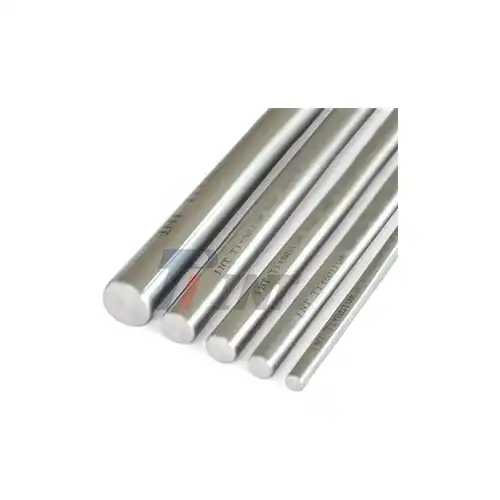
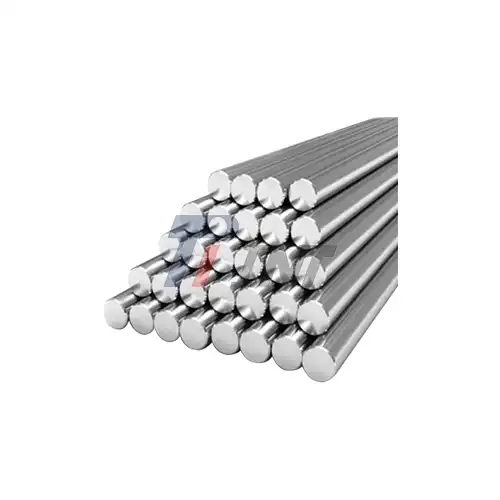
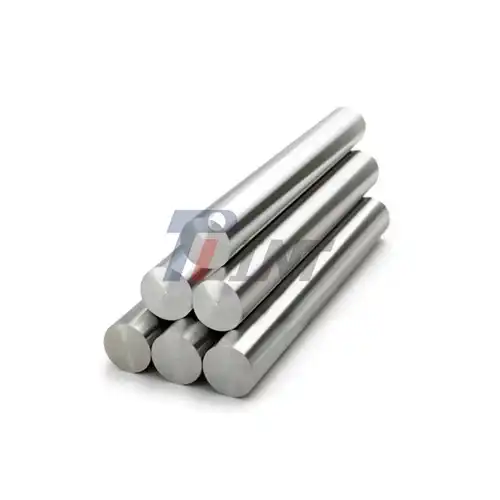
When medical device manufacturers weigh material choices, understanding the distinction between Ti6Al4V and commercially pure titanium bars becomes essential to achieving optimal implant performance. Ti6Al4V, also known as Grade 5 titanium alloy, incorporates approximately 6% aluminum and 4% vanadium, delivering mechanical strength significantly exceeding pure titanium grades. This alloy has become the backbone of load-bearing orthopedic and dental applications, particularly when precision dimensions like the Ti6Al4V Titanium Bar 12mm are required for automated machining in high-volume production environments. Pure titanium, conversely, offers unmatched corrosion resistance and ductility but lacks the tensile strength needed for demanding implant applications.
|
|
|
Understanding the Material Properties of Ti6Al4V and Pure Titanium Bars
Chemical Composition and Its Impact on Performance
Ti6Al4V is an alpha-beta titanium alloy, which means that its microstructure has two solid layers that work together to make it stronger. When made to ASTM F136 standards, the aluminum stabilizes the alpha phase and the vanadium strengthens the beta phase. This gives the material a tensile strength of over 895 MPa and a yield strength of about 828 MPa. Titanium that is sold commercially, labeled as Grade 2 or Grade 4, has few alloying elements and a tensile strength of 345 to 550 MPa. Their roles in making medical devices are shaped by this basic difference.
Mechanical Strength and Durability Comparison
When you look at Ti6Al4V's fatigue resistance under cyclic loads, you can see its mechanical edge. During their service life, orthopedic implants, especially joint replacements and spine fixation devices, are loaded and unloaded millions of times. Ti6Al4V has better resistance to fatigue crack growth than pure titanium, which lowers the chance of a catastrophic implant failure. Its Rockwell C hardness is usually between 30 and 36, which makes it very resistant to wear when joint substitutes are moving. Because pure titanium isn't very hard, its surface can wear down quickly in high-stress touch situations.
Density, Corrosion Resistance, and Biocompatibility
Titanium's low density (about 4.43 g/cm³) is a benefit that both materials share. This means that implants made of these materials are light and don't put too much stress on bone tissue. A stable titanium dioxide (TiO₂) passivation layer forms on its own, protecting it from corrosion in physiological environments with chlorides, proteins, and changing pH levels. Clinical proof spanning decades shows that both Ti6Al4V and pure titanium are very biocompatible. Tissue integration will happen naturally when surfaces are properly prepared. However, the aluminum content of Ti6Al4V has sometimes caused researchers to worry, even though there isn't enough clinical evidence to show that the levels of aluminum in Grade 5 metal are harmful to living things.
Machining Considerations for Medical-Grade Bars
When choosing between these materials, procurement managers often ask about the differences in how easy they are to machine. Because Ti6Al4V is stronger, it needs stronger tools and slower cutting speeds. However, current CNC equipment can handle these needs easily. When working with precise measurements, like Ti6Al4V Titanium Bar 12mms made to h7 or h8 tolerances, Ti6Al4V keeps its shape during complicated milling and turning operations. Pure titanium is very flexible, but it can make grinding more difficult by encouraging chip adhesion and galling, so it's important to choose the right cutting settings and tool coatings.
Key Advantages of Ti6Al4V Over Pure Titanium for Medical Implants
Superior Strength-to-Weight Ratio for Load-Bearing Applications
The best thing about Ti6Al4V is that it can handle heavy loads mechanically while still being about the same weight as pure titanium. Hip stem parts, tibial plates, and dental abutments all benefit a lot from this trait. When using Ti6Al4V Titanium Bar 12mm stock, an implant maker that makes femoral stems can lower cross-sectional dimensions without affecting structural stability. This lets surgeons do less invasive procedures and improves patient results. This edge in strength is especially useful when making implants for younger, more active patients who put more stress on their prosthetics.
Exceptional Fatigue Resistance Under Cyclic Biological Loading
Medical implants don't usually experience static loads. Instead, they go through repeated stress cycles as the patient moves around normally. The microstructural properties of Ti6Al4V make it very resistant to fatigue cracks starting and spreading. According to research done at top nanomaterials labs, Ti6Al4V keeps its structural integrity for more than ten million cycles at stress levels that would break down pure titanium parts. This success margin immediately leads to longer-lasting implants and fewer surgeries to fix them.
Regulatory Compliance and International Certifications
When choosing materials for medical implants, you have to deal with a lot of complicated rules. Ti6Al4V made to ASTM F136 specifications—the Extra Low Interstitial (ELI) variant—meets strict standards for use as medical implants. This guideline controls the amount of oxygen, nitrogen, and iron in the material to make sure it has the best ductility and wear resistance. ISO 5832-3 is the European standard that is the same thing, which makes CE approval easier for items that will be sold in Europe. We make sure that every bar we make meets these high standards by keeping certifications like ISO 13485:2016 medical device quality management and EU CE safety approval. The 510(k) premarket notification process for devices going to the U.S. is sped up when these material specifications are recognized by the FDA.
Comparing Ti6Al4V vs Pure Titanium Bars: Practical Procurement Considerations
Cost Analysis and Total Ownership Considerations
The price of Ti6Al4V is usually 30–50% higher per kilogram than the price of widely pure titanium. This is because it has more alloying elements and is harder to process. When you look at the total cost of ownership, though, this difference in starting costs gets a lot smaller. The higher strength of Ti6Al4V makes it possible to make implants that are lighter, which means that less material is used per unit. Its better accuracy in being machinable cuts down on tool wear and scrap during production. When you consider that better fatigue performance means fewer guarantee claims and revision surgeries, Ti6Al4V often offers better long-term value for load-bearing uses.
Supplier Reliability and Quality Assurance
Choosing a reliable titanium supplier is one of the most important decisions that can be made when making medical devices. Established suppliers follow strict quality control procedures that include using ICP-OES spectroscopy to check the chemical composition, tensile and hardness testing to check the mechanical properties, and ultrasonic or eddy current inspection to check the product without damaging it. This dedication to quality is shown by Baoji INT Medical Titanium Co., Ltd., which has been providing full traceability documentation and batch-specific mill test reports to the medical titanium industry since 2003. Procurement teams should check that possible suppliers have current ISO 13485 certification, ask for sample testing results, and see how ready the supplier is to meet custom processing needs.
Minimum Order Quantities and Delivery Timelines
When planning production, it's important to know exactly what your suppliers can do in terms of order flexibility and lead times. Standard Ti6Al4V Titanium Bar 12mms with popular sizes usually have faster lead times because they are made on a regular schedule. Lead times for orders of 100 to 500 kilograms are usually between 4 and 8 weeks. Custom specifications that include odd lengths, better surface finishes, or more testing may make the lead time 10 to 14 weeks. Setting up framework deals with qualified providers helps make sure that materials are available when production ramps up and keeps prices stable when the market for raw materials changes.
Application Scenarios: Why Ti6Al4V Bars Dominate Medical Implant Production
Orthopedic Devices and Joint Replacement Systems
It is now common to use Ti6Al4V for major orthopedic uses, like hip stems, knee tibial components, shoulder glenoid bases, and spine pedicle screws. These devices need to be able to send strong forces while also being able to handle the acid joint fluid and blood. The fatigue strength of the material is especially useful in hip arthroplasty, where implants may be put under loads of more than three times the body weight when walking normally. To make a femoral stem from Ti6Al4V Titanium Bar 12mm stock, precise CNC machining is needed to get the complex geometries needed for optimal bone integration. The source material's consistency in dimensions has a direct effect on how efficiently the stem is made.
Dental Implant Systems and Abutments
The oral implant market has adopted Ti6Al4V for parts that need better mechanical qualities than pure titanium can offer. For osseointegration reasons, dental implant bodies usually use Grade 4 commercially pure titanium. However, Ti6Al4V is stronger than Grade 4 titanium, so it can withstand the cycle masticatory forces that are transmitted during chewing. A bar with a diameter of 12 mm can be quickly and easily machined into several tooth abutments. The material's uniform qualities make sure that each batch of products fits and works properly.
Surgical Instruments and Medical Tools
Ti6Al4V is used in a lot of different ways in surgical instruments that can be used more than once. Orthopedic drill bits, saw blades, and retractors can use the alloy because it is hard and doesn't wear down easily. It also has the low weight and resistance to corrosion that titanium is known for. Ti6Al4V instruments can be sterilized many times without breaking down, so hospitals can use them for a long time without worrying about them breaking.
How to Choose the Right Titanium Bar for Your Medical Implant Project
Matching Material Properties to Performance Requirements
A careful analysis of the mechanical demands your implant will have to meet during its service life is key to choosing between Ti6Al4V and pure titanium. Ti6Al4V is clearly better for load-bearing tasks that involve a lot of stress or wear loads. Pure titanium might be a good choice for devices that need to be as flexible as possible for complicated shaping tasks or that would benefit from a little more rust resistance in certain biological settings. Making a thorough performance standard that lists predicted stress levels, cycle numbers, and environmental exposures makes it possible to compare materials in an objective way.
Dimensional Selection and Processing Capabilities
Choosing the right bar diameter affects both how well materials are used and how the machine is run. The Ti6Al4V Titanium Bar 12mm is the best size for balancing many implant parts because it gives enough cross-section for small joint parts, dental implants, and instruments while reducing material waste during turning operations. Hip stems and major joint parts fit better with larger diameters, while spine screws and craniofacial plates fit better with smaller diameters. Talking to your material provider during the planning phase can help you find ways to standardize on dimensions that are easy to get, which can cut down on costs and lead times.
Quality Assurance and Supply Chain Risk Management
Medical device makers need to set up strict rules for inspecting arriving materials to make sure suppliers are telling the truth and staying in line with regulations. Setting standards that need full material approval, including heat traceability, chemical analysis, mechanical test results, and dimensional inspection records, keeps materials that don't meet the standards from getting into production. Diversifying your supply base across multiple qualified vendors lowers the risks that come with being dependent on a single source. However, this must be weighed against the benefits of building strong technical partnerships with suppliers who understand your exact needs.
Conclusion
Choosing between Ti6Al4V Titanium Bar 12mm and pure titanium bars is a very important choice that affects how well implants work, how efficiently they are made, and ultimately how well patients do. Ti6Al4V is the best material for load-bearing orthopedic and dental uses because it has high mechanical strength, excellent fatigue resistance, and a well-established regulatory route. Although pure titanium is still useful for some tasks that need the best rust resistance and flexibility, Ti6Al4V is widely used to make medical implants because it has so many benefits. Medical device makers can be sure that the materials they use meet both performance requirements and legal requirements when they work with experienced sources who uphold strict quality standards and offer quick technical support.
FAQ
Q1: Why does Ti6Al4V outperform pure titanium for implant applications?
A: Ti6Al4V has about two to three times the tensile and yield strength of pure titanium that is sold in stores. This means that implants can be made thinner, which makes surgery less invasive while still maintaining their structural integrity. Because it is so resistant to fatigue, it can handle millions of loading cycles without cracking, which directly extends the service life of the implant. Because of its alpha-beta architecture, the material is very resistant to damage and behaves consistently even when it is occasionally overloaded. Because of these features, Ti6Al4V is a must-have for orthopedic joint replacements and spinal fixation systems.
Q2: Can 12mm Ti6Al4V bars accommodate complex implant geometries?
A: Of course. With the right tools, modern CNC machining centers can quickly and accurately turn Ti6Al4V Titanium Bar 12mms into complex insert parts. Precision cold-working methods make sure that the dimensions of the material don't change much during multi-axis cutting operations. This diameter is very useful for manufacturers who make dental abutments, small joint components, or surgery tools because it lets them balance how efficiently they use materials with the structural needs of their products.
Q3: How does Ti6Al4V cost compare to alternative titanium alloys?
A: Ti6Al4V is in the middle of the price range for titanium alloys. It costs more than commercially pure grades but a lot less than different kinds of alloys, such as Ti-6Al-7Nb or beta titanium. When looking at cost competitiveness, you need to look at more than just the price of the raw materials. You also need to look at the total cost of making the product. Ti6Al4V often has advantages over newer alloys that are still working on improving their processability because they are easier to find and have a database of information on how well they can be machined.
Partner with Baoji INT Medical Titanium Co., Ltd. for Premium Ti6Al4V Titanium Bar 12mm
Baoji INT Medical Titanium Co., Ltd. has more than 30 years of experience working with titanium and can help medical device makers find reliable, approved Ti6Al4V Titanium Bar 12mm for tough implant uses. As a well-known provider of medical titanium, we keep all the necessary certifications, such as ISO 13485:2016 and EU CE approval, to make sure that every bar meets the strict requirements for medical use. We can make products in all sizes, including 12mm bars that are made to very tight standards so they can be used for high-precision CNC cutting.
During the entire process of developing your product, we offer full traceability paperwork, batch-specific mechanical testing results, and quick expert help. Our team provides consistent quality and dependable shipping schedules that keep your production on track, whether you need standard ASTM F136 ELI material or material that is made to your exact specs. Get in touch with our purchasing agents at export@tiint.com to talk about your Ti6Al4V Titanium Bar 12mm needs and find out how our medical-grade materials can help you make better implants.
References
1. American Society for Testing and Materials. (2013). ASTM F136-13: Standard Specification for Wrought Titanium-6Aluminum-4Vanadium ELI Alloy for Surgical Implant Applications. West Conshohocken, PA: ASTM International.
2. International Organization for Standardization. (2016). ISO 5832-3: Implants for Surgery — Metallic Materials — Part 3: Wrought Titanium 6-Aluminum 4-Vanadium Alloy. Geneva: ISO.
3. Niinomi, M., & Nakai, M. (2011). Titanium-Based Biomaterials for Preventing Stress Shielding Between Implant Devices and Bone. International Journal of Biomaterials, 2011, 1-10.
4. Rack, H. J., & Qazi, J. I. (2006). Titanium Alloys for Biomedical Applications. Materials Science and Engineering: C, 26(8), 1269-1277.
5. Geetha, M., Singh, A. K., Asokamani, R., & Gogia, A. K. (2009). Ti Based Biomaterials: The Ultimate Choice for Orthopaedic Implants – A Review. Progress in Materials Science, 54(3), 397-425.
6. Long, M., & Rack, H. J. (1998). Titanium Alloys in Total Joint Replacement—A Materials Science Perspective. Biomaterials, 19(18), 1621-1639.
_1755062186746.jpg)
_1752819172472.webp)
_1752463076575.webp)
_1751959047184.webp)
_1750668405487.webp)