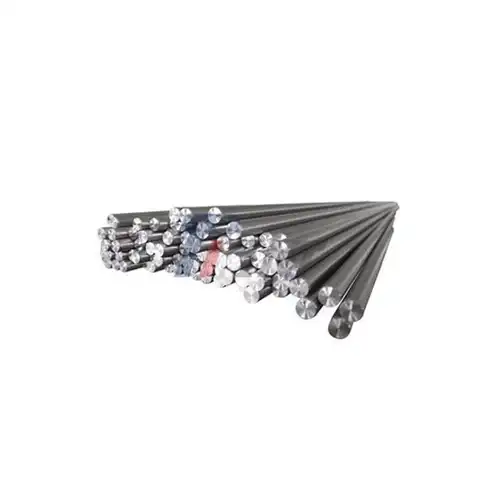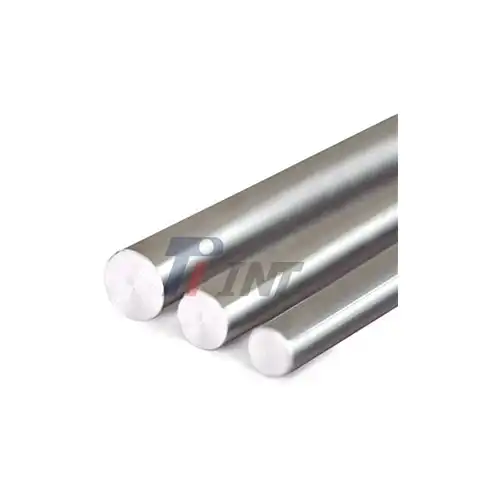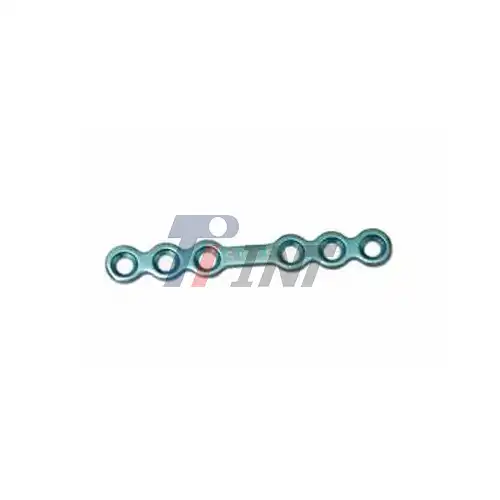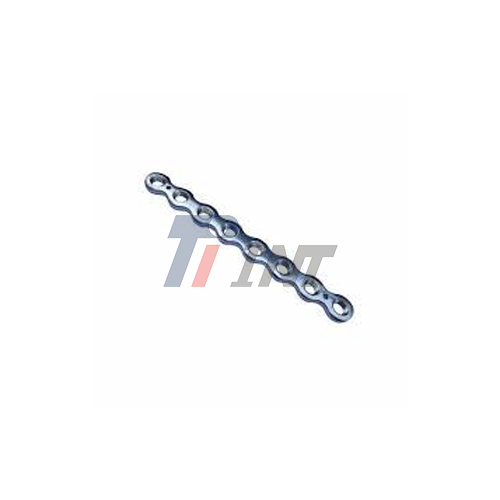

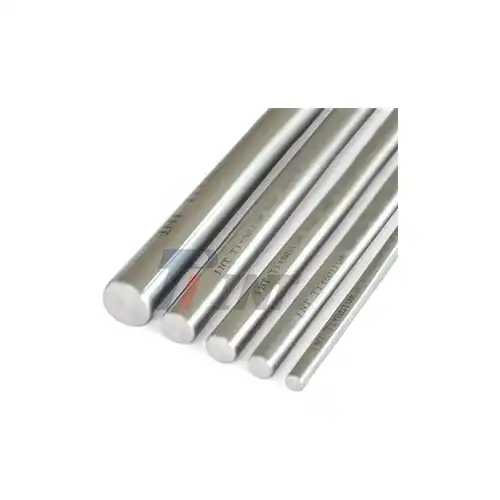
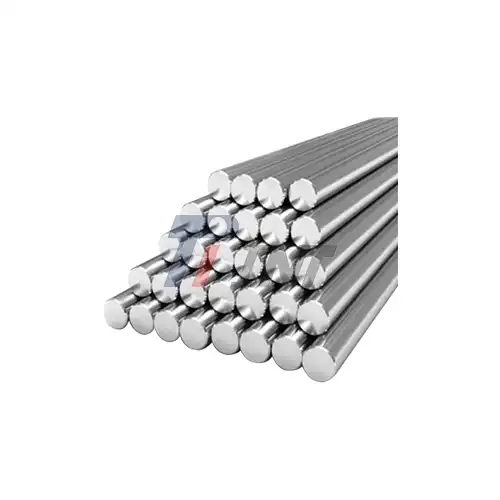
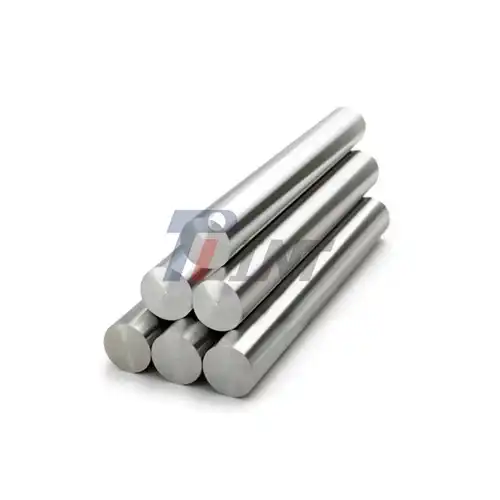
OEM Titanium Medical Bar Solutions for Implant Companies


 2026-08-21 13:10:03
When implant manufacturers search for reliable OEM titanium medical bar solutions, the discussion inevitably centers on material integrity, regulatory compliance, and manufacturing precision. Gr2 Titanium Medical Bar stands out as the commercially pure titanium grade offering exceptional corrosion resistance and biocompatibility, making it the backbone of orthopedic implants, dental devices, and surgical instruments. This guide walks procurement managers, R&D engineers, and supply chain leaders through the critical considerations for sourcing medical-grade titanium bars that meet ASTM F67, ISO 5832-2, and FDA requirements while supporting scalable production demands.
|
|
|
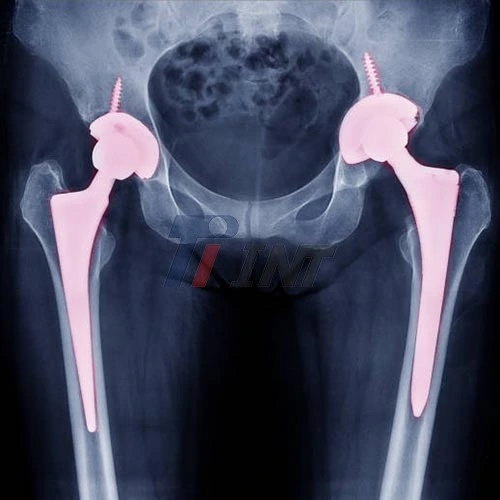
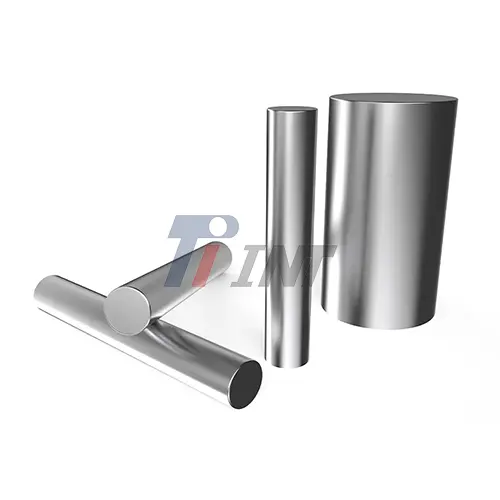
Understanding GR2 Titanium Medical Bars: Properties and Medical Benefits
Before choosing titanium for implantable devices, it's important to know what basic properties make a material work well in harsh living settings. Due to its balanced properties, commercially pure titanium, especially Gr2 Titanium Medical Bar, is the most common material used to make medical devices.
Chemical Composition and Mechanical Performance
The minimum pure level of Gr2 Titanium Medical Bar is controlled by the intermediate elements that are present: the oxygen content is usually between 0.18% and 0.25%, the iron content stays below 0.30%, and most importantly, the hydrogen content must stay below 0.015% to keep the material from becoming weak. This mix has a tensile strength of 345–480 MPa and great ductility, so makers can use it for cold forming, precision machining, and complex shaping without worrying about the material breaking. About 275 MPa of yield strength is enough to keep the structure of load-bearing implant parts strong while still allowing for enough flexibility for post-processing steps.
Corrosion Resistance in Physiological Environments
The inactive titanium dioxide layer that forms naturally on Gr2 Titanium Medical Bar surfaces makes them very resistant to body fluids that are high in chloride. This means that you don't have to worry about ion leaching like you do with stainless steel options. This self-healing oxide film stays steady even when the pH changes at the tissue interfaces. This lowers inflammatory reactions and makes implants last longer. Implant companies benefit from this natural resistance to corrosion because it cuts down on the number of revision surgeries needed and improves patient outcomes. This directly leads to less liability and a better reputation for the brand.
Biocompatibility and Regulatory Compliance
Medical device makers choose Gr2 Titanium Medical Bar because it always passes the cytotoxicity, sensitisation, and itching tests that are needed by ISO 10993 biological evaluation standards. The osseointegration properties of the material make direct bone bonding easier in orthopaedic applications. Its non-magnetic nature also makes it compatible with MRIs, which is an important factor for modern diagnostic methods. Gr2 Titanium Medical Bar has a lower stiffness of elasticity (about 105 GPa) than cobalt-chromium alloys. This means that it doesn't protect against stress as well, which can cause bone loss around implants.
GR2 Titanium Medical Bars Versus Other Materials: Comparative Analysis
When procurement teams look at the different materials that can be used to make implants, they have to make important decisions. Figuring out the pros and cons of various types of titanium and other metals has a direct effect on how well a product works, how efficiently it is made, and the overall cost of ownership.
Gr2 Versus Gr5 (Ti-6Al-4V ELI) Titanium
Gr5 titanium alloy has a higher tensile strength (860–930 MPa) than Gr2 Titanium Medical Bar, which makes it a good choice for high-stress uses like spinal rods and femoral stems. There are, however, big costs that come with this strength edge. When cutting Gr5, you have to be more aggressive, which makes tool wear and cycle times 30–40% longer than when grinding Gr2 Titanium Medical Bar. Aluminium and vanadium are added to the metal, and while they are safe, they make it harder to keep track of things and send regulatory documents. Gr2 Titanium Medical Bar is the best choice for makers who want to keep costs low and production flexible in moderate-load implant designs because it is easy to weld with ERTi-2 filling wire and anneal.
Titanium Versus Stainless Steel
Because it costs less, stainless steel 316L is still often used in temporary fixing devices. But the long-term performance gap is clear when you look at how rust works and how tissues integrate. Nickel ions released by stainless steel can cause allergic reactions in people who are sensitive. Stainless steel's density (about 8.0 g/cm³) makes implants weigh almost twice as much as titanium's (4.5 g/cm³). Titanium is being used more and more for permanent implants because its low stiffness mismatch with bone allows natural load transfer to occur, which lowers the risk of the implant coming loose over time.
Cost-Efficiency Over Implant Lifecycle
Gr2 Titanium Medical Bar stock costs three to four times as much per kilogram as stainless steel, but it is more cost-effective over its entire life. Initial material prices are balanced out by lower revision rates, fewer patient problems, and faster surgeries. Titanium's better machinability and weldability make manufacturing more efficient and lower the cost of making each unit, especially in high-volume operations. When purchasing managers look at the total cost of an item, they should consider things like yield rates, less waste, and the fact that stainless steel parts don't need to go through the secondary surface treatments that are often needed for them.
OEM Procurement Strategies for GR2 Titanium Medical Bars
For implant production to go smoothly, supply chain partnerships must provide consistent material quality, full documentation, and quick technical support. Strategic buying includes more than just negotiating prices; it also includes fully qualifying suppliers.
Certification and Quality Standards
Medical-grade titanium bars must come with full mill test reports (MTRs) that show their chemical make-up, which is checked using optical emission spectrometry and inert gas fusion analysis to see how much hydrogen and oxygen they contain. Suppliers should keep their ISO 13485:2016 certification, which shows that they have quality management systems in place for medical devices. Dimensional tolerances and mechanical qualities are governed by ASTM F67 and ASTM B348 standards. Lot numbers allow full supply chain openness by allowing tracking back to the sources of raw materials. Procurement teams should make sure that providers test ultrasonic waves according to AMS 2631 on bars bigger than 50 mm in order to find internal breaks that could weaken the structure of the implant.
Supplier Evaluation Criteria
In addition to certifications, manufacturers should check if the supplier can make parts with custom diameters, offer different surface finishes (such as centerless ground, peeled, or acid-pickled), and be flexible when changes need to be made to the specifications during the product development cycle. Lead times for standard diameters (6mm to 200mm) are usually between 4 and 8 weeks, but for common sizes, suppliers with inventory programs can cut this time down to two to three weeks. Being able to provide small sample numbers for prototyping without having high minimum order quantities is an example of source flexibility that new implant companies building next-generation devices value.
Commercial Considerations and Logistics
Gr2 Titanium Medical Bars usually have volume price structures that offer 8–12% savings for orders of 500 kg or more, and even bigger discounts for orders of tonnes or more. Different suppliers offer different payment terms, but after the first qualification sale, established sellers often extend net-30 or net-60 terms. When sending goods internationally, the packaging needs to keep the bar surfaces clean and safe from damage. Wooden crates with moisture barriers are the norm. Choosing an Incoterm (FOB, CIF, or DDP) has a big effect on landed costs. DDP arrangements make customs clearance easier, but they could also make costs higher for U.S. importers.
Solution Focus: How OEM Titanium Medical Bar Solutions Enhance Implant Manufacturing?
Full OEM solutions include more than just supplying raw materials. They also include technical teamwork, the ability to customise, and quality assurance programs that work perfectly with the processes used to make implants.
Customization and Specification Matching
Top titanium suppliers offer diameter tolerances of ±0.05mm on centerless ground bars, which are accurate enough for CNC machines that do automated work. Surface roughness standards (Ra 0.4–1.6 μm) can be changed to make further grinding better or to meet the needs of an implant. Length cutting services give you bars in the best lengths for production, which cuts down on trash and dealing time. Some providers can do stress relief treatments or beta annealing (700–750°C), which results in bars with controlled grain structure and leftover stress profiles that make them more stable during precision machining.
Quality Assurance and Testing Protocols
In addition to the normal MTR paperwork, advanced OEM partners do extra tests, such as guided bend tests according to ASTM E290 to make sure the material is flexible and water-break surface tests to make sure the surface is clean for the next step in the process. Dimensional inspection records show that the diameter of the bar was measured at several points along its length, proving that it is straight within 0.5 mm per metre. If asked, some manufacturers offer scanning electron microscopy (SEM) analysis of the surface microstructure. This can give you peace of mind for important implant applications. These thorough quality standards reduce the number of rejected materials that come in and help makers meet ISO 13485 requirements.
Emerging Trends and Innovation Support
As personalised implants and additive production become more common, the medical device business continues to change. Titanium suppliers who are ahead of the curve buy wire products that can be used with wire arc additive manufacturing (WAAM) systems. This lets them use hybrid production strategies. Surface modification skills, such as controlled oxide layer development for better osseointegration, are services that set top providers apart and add value. Digitalising the supply chain with blockchain-based tracking systems meets the needs of more and more regulations that want full proof of where materials came from. This is especially important for meeting the requirements of FDA 21 CFR Part 820 and the European Medical Device Regulation (EU MDR 2017/745).
Conclusion
Choosing the right OEM titanium medical bar provider is a smart choice that will affect the quality of your products, your ability to meet legal requirements, and the efficiency of your manufacturing process throughout the entire lifecycle of your implant production. Gr2 Titanium Medical Bar continues to lead the medical device business because it is biocompatible, doesn't rust, and can be processed in a variety of ways. Successful buying strategies put an emphasis on providers who can show a wide range of certifications, professional know-how, and the ability to make changes while keeping prices low. As personalised medicine and advanced manufacturing methods change, they need supply partners who can support innovation by developing new materials and making sure they are of the highest quality. By following the evaluation criteria and buying strategies in this guide, implant manufacturers will be able to make better medical devices that help patients while still staying in line with regulations and operating efficiently.
FAQ
Q1: What distinguishes Gr2 from Gr1 and Gr3 commercially pure titanium?
A: Gr2 Titanium Medical Bar contains a slightly higher oxygen level (0.18–0.25%) than Gr1 (maximum 0.18%), which gives it about 20–30% more tensile strength while still being very easy to shape. Even more oxygen is present in Gr3, which makes it stronger but less flexible. Most companies that make implants choose Gr2 Titanium Medical Bar because it is the best combination of mechanical performance and ease of processing.
Q2: How can I verify supplier certifications meet medical device standards?
A: Ask for copies of the ISO 13485 certificates and make sure that you are registered with the right regulatory bodies. Legitimate suppliers give full traceability paperwork, such as heat numbers, chemical analysis reports from approved labs, and mechanical test results. Audits or site visits by a third party make sure that output and quality processes are working properly.
Q3: Are custom bar diameters available for specialized implant designs?
A: Reliable titanium sources can handle requests for custom diameters, which are usually between 6mm and 300mm, but the lead times are longer, taking 2 to 4 weeks longer than for standard sizes. Custom sizes usually have a minimum order quantity of 100 kg, but this can change depending on the supplier's ability and the production schedule.
Q4: Can Gr2 titanium bars be welded to other implant components?
A: Gr2 Titanium Medical Bar can be welded very well with TIG or plasma arc welding and ERTi-2 filler wire, as long as the argon gas protection is done right. The stability of the weld rests on keeping oxygen out of the process. A straw-colored or silver weld shows that the shielding is working right, while a blue or purple weld shows that oxidation has happened and the weld needs to be rejected.
Partner With Baoji INT Medical Titanium for Certified Gr2 Titanium Medical Bar Supply
Baoji INT Medical Titanium Co., Ltd. has been making medical-grade titanium products that meet the strict requirements of implant companies around the world for more than twenty years. Our complete quality control systems are certified with ISO 9001:2015, ISO 13485:2016, and CE. This makes sure that every Gr2 Titanium Medical Bar we make meets ASTM F67 standards and international rules for medical devices. As a well-known supplier in the medical titanium industry, we follow strict quality control procedures that include checking the chemical composition, testing the mechanical properties, and using ultrasound to check the structural integrity of bars that need to be very strong.
We know that implant makers need more than just raw materials. They also need quick technical help, the ability to make changes, and dependable delivery times that work with their production needs. Our engineering team works with your research and development (R&D) and purchasing departments to find the best bar sizes, finishes, and mechanical properties for your implant designs. Volume pricing structures and inventory management programs can be used for both making prototypes and making a lot of them. You can email our team at export@tiint.com to talk about your specific Gr2 Titanium Medical Bar needs, ask for material certifications, or set up sample shipments that show how committed we are to quality and service excellence.
References
1. American Society for Testing and Materials. (2013). ASTM F67-13: Standard Specification for Unalloyed Titanium, for Surgical Implant Applications. West Conshohocken, PA: ASTM International.
2. International Organization for Standardization. (2016). ISO 5832-2:2018 Implants for Surgery — Metallic Materials — Part 2: Unalloyed Titanium. Geneva, Switzerland: ISO.
3. Brunette, D.M., Tengvall, P., Textor, M., & Thomsen, P. (2012). Titanium in Medicine: Material Science, Surface Science, Engineering, Biological Responses and Medical Applications. Berlin: Springer-Verlag.
4. Rack, H.J., & Qazi, J.I. (2006). Titanium alloys for biomedical applications. Materials Science and Engineering: C, 26(8), 1269-1277.
5. Niinomi, M. (2008). Mechanical biocompatibilities of titanium alloys for biomedical applications. Journal of the Mechanical Behavior of Biomedical Materials, 1(1), 30-42.
6. Disegi, J.A., & Eschbach, L. (2000). Stainless steel in bone surgery. Injury, 31(Supplement 4), D2-D6.
_1752820927376.webp)
_1750210463958.webp)