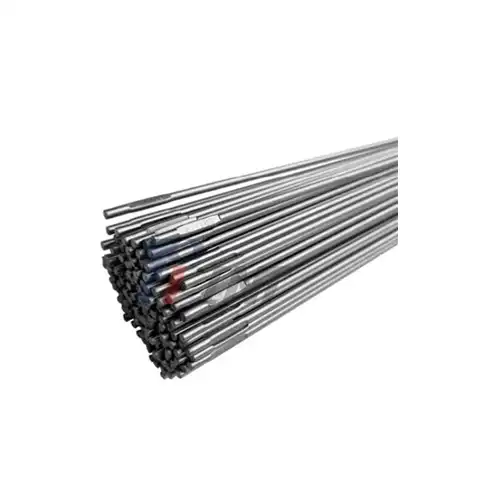

What are the mechanical properties of GR9 titanium bars with 8mm diameter?


 2026-08-21 13:10:07
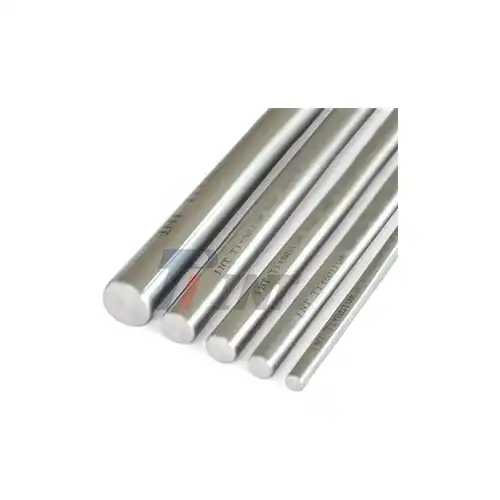
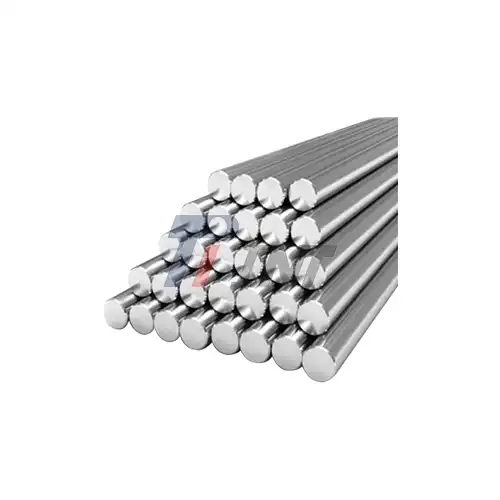
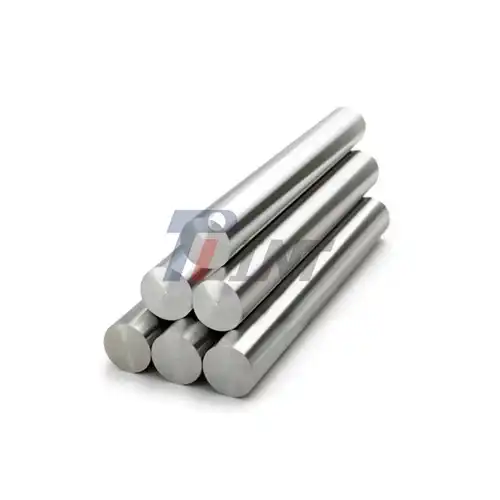
When looking at materials to make medical devices, it's important to know their exact mechanical qualities to make sure the devices work well and keep patients safe. The tensile strength of the Gr9 Titanium Bar Dia 8mm is between 620 and 827 MPa, the yield strength is between 483 and 758 MPa, and the stretch is between 15-20%. Its density of 4.48 g/cm³ gives it a great strength-to-weight ratio, and its high resistance to corrosion and biocompatibility make it an essential material for orthopedic implants, dental devices, and precision surgical instruments that must be accurate in size and perform consistently.
|
|
|
Introduction to GR9 Titanium Bars and Their Applications
The chemical name for GR9 titanium alloy is Ti-3Al-2.5V, and it is a carefully designed mix between mechanical strength and manufacturing flexibility. This alpha-beta titanium alloy has a texture that makes it very flexible without sacrificing strength. It is made up of 2.5% to 3.5% aluminum and 2.0% to 3.0% vanadium. GR9 is different from widely available pure titanium grades because it has better mechanical qualities that make it a good compromise between pure titanium, which is softer, and Grade 5, which is stronger.
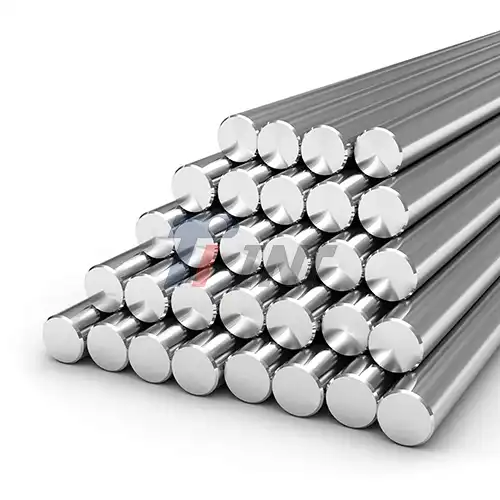
In settings where accuracy is important, the 8mm diameter specification is especially important. This size is always chosen by companies that make medical devices because it works perfectly with normal machining tools, CNC collet systems, and automatic production lines. The centerless ground finish that is usually put on 8mm bars makes sure that the circle margins are very close. This means that setup time is shorter and there is less material waste during milling and turning operations. This diameter has become the standard for making small-diameter fasteners, orthopedic pins, surgical tool shafts, and parts for dental implants where both accuracy in size and strength cannot be sacrificed.
In the military, medical, and industry fields, Gr9 Titanium Bar Dia 8mms are used for tasks that need to be reliable over a long period of time and are loaded and unloaded many times. The balanced makeup of the metal makes it possible to cold form it in ways that Grade 5 titanium can't. This lowers the cost of production while keeping the structural performance. Because it can be used in so many situations, GR9 is a popular choice among engineers and procurement managers who want products that will keep their quality in a variety of settings.
Mechanical Properties of GR9 Titanium Bars Dia 8mm
Tensile and Yield Strength Characteristics
The tensile and yield strengths of a material are what make it strong enough to be used in construction. The tensile strength of the Gr9 Titanium Bar Dia 8mm with an 8mm thickness is between 620 and 827 MPa, which puts them clearly in the medium-strength group of titanium alloys. The yield strength can be anywhere from 483 MPa to 758 MPa, based on whether the steel was heated or cold-worked and stress-relieved (CWSR).
This strength profile is strong enough to hold the weight of medical implants that are exposed to body weight and movement pressures. It is also flexible enough to handle impact loads without breaking completely. GR9 economically pure titanium has a tensile strength that is about 60% higher than GR2 pure titanium. This means that it can be used in situations where smaller cross-sectional areas are needed without losing mechanical integrity.
Hardness and Fatigue Performance
For 8mm GR9 bars, the hardness range for readings is usually between 26 and 32 HRC on the Rockwell C scale, which is about 250 and 300 HV on the Vickers scale. This level of hardness directly leads to high wear resistance, which is an important quality for medical devices that are loaded and unloaded many times over the course of their life. GR9 titanium has a fatigue strength of about 550 MPa at 10^7 cycles, which is a lot higher than the fatigue strength of austenitic stainless steels in the same situations.
This endurance limit makes sure that 8mm bar-made orthopedic screws, dental abutments, and surgery tool parts stay structurally sound even after thousands of sterilization cycles and clinical uses. Manufacturers can make lighter, more ergonomic devices without sacrificing longevity when materials have a mild hardness and excellent wear performance.
Corrosion Resistance and Environmental Durability
To me, one of the best things about GR9 titanium is how well it resists rust in harsh settings. The layer of inactive titanium oxide that forms naturally on top protects against pitting and crevice corrosion in chloride-rich habitats, such as body fluids and salt solutions. Compared to 316L Stainless Steel, GR9 works better in long-term implant situations, so you don't have to worry about metal ion release or inflammation reactions. This resistance to rust can be used in chemical processing plants, marine gear, and car parts that are exposed to road salts. The 8mm width keeps the rust protection even because the surface can be treated the same way during pickling or polishing. This keeps the protective oxide layer in place along the whole length of the bar.
Comparing GR9 Titanium Bars to Other Materials for 8mm Diameter Bars
GR9 vs. Grade 5 (Ti-6Al-4V) Titanium
Grade 5 titanium metal has a higher tensile strength (895–930 MPa) than the Gr9 Titanium Bar Dia 8mm, which makes it a good choice for uses that need to hold a lot of weight. This strength benefit does, however, come with big costs for making 8mm bars. For complicated geometries, Grade 5 needs to be hot forged, and it can't be cold shaped very well, which makes making more difficult and costs more.
Because GR9 is so good at cold heading, fastener makers can make threaded parts and headed bolts by cold making, instead of spending a lot of money on hot working steps. GR9 is also easier to weld than Grade 5. It can be TIG welded with matching filler wire, and most medical and industrial uses don't need to heat treat the weld afterward. It is cheaper to make GR9 than other grades, and it works just as well in 8mm diameter uses that don't need extra strength.
GR9 Titanium vs. 316L Stainless Steel
316L Stainless Steel has a cheaper starting material cost, but GR9 titanium is more cost-effective over longer service times, as shown by lifecycle analysis. The strength-to-weight ratio of GR9 is about 40% higher than that of 316L. This makes it possible to make medical devices smaller and easier for patients to handle. Comparing GR9's corrosion protection shows that it is clearly better in chloride conditions, where stainless steel is more likely to pit and crack from stress corrosion.
The difference in density between GR9 and 316L—4.48 g/cm³ vs. 8.0 g/cm³—means that 316L tools are heavier, while GR9 tools are lighter, which makes surgeons less tired during long treatments. Even though GR9 bars cost more up front, makers who care about quality can explain the cost because they prevent breakdowns caused by corrosion, extend service intervals, and improve performance. More and more, procurement teams know that the true value of an object is not just its buying price, but also its total cost of ownership.
Practical Uses and Performance Cases of 8mm GR9 Titanium Bars
Medical Device Applications
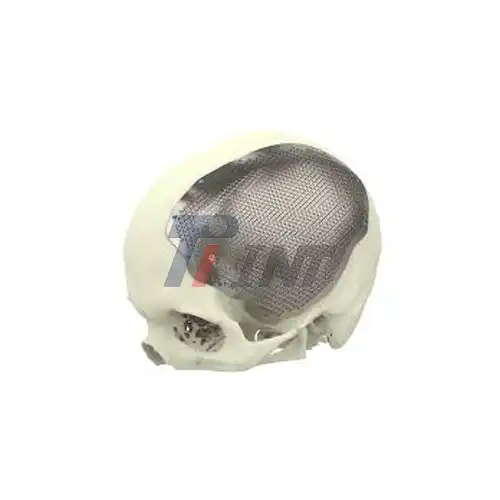
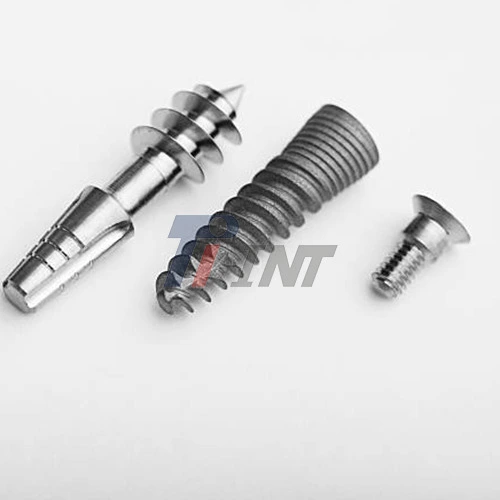
Gr9 Titanium Bar Dia 8mms are used by orthopedic makers to make intramedullary pins, bone screws, and spinal fixation parts that need to work reliably for years after they are implanted. The width works well for small to medium-sized bone screws that are used in surgeries on the hand, wrist, and foot, where limited room requires small designs that are strong. Dental implant makers use 8mm bars to make abutment plates and custom prosthesis parts.
They do this because the material is biocompatible and doesn't rust, which helps ensure long-term osseointegration success. Surgical instrument makers make precision tool shafts, retractor handles, and arthroscopic device parts. These parts work better during surgery when they are both light and don't wear out easily. Each of these uses is helped by the fact that GR9 meets the standards set by ASTM F136, ASTM B348, and ISO 5832-3. This gives the necessary paperwork for FDA approval and CE marking.
Aerospace and Industrial Manufacturing
Besides being used in medicine, 8mm GR9 bars are also very important in the production of aircraft fasteners, since reducing weight has a direct effect on fuel economy and payload capacity. Manufacturers of airplanes use GR9 for non-structural bolts that need to work in corrosive environments. For example, control surface mounts and access panel hardware that is exposed to sea atmospheres need to be able to handle this. GR9 titanium is being used more and more in the car industry for speed parts like exhaust system fasteners, connecting rod blanks, and valve spring retainers.
Its high temperature resistance and low reciprocating mass make engines work more efficiently. Chemical processing plants use GR9 bolts and small-diameter pipe parts in systems that handle harsh media. They do this because the metal doesn't rust, which keeps the system working properly and stops contamination. The wide range of uses for 8mm GR9 bars shows how useful they are in fields where mechanical stability and weather durability meet.
Procurement Guide: What to Consider When Buying GR9 Titanium Bars (8mm Diameter)
Supplier Qualification and Certification Verification
Finding a provider with complete quality control systems and industry certifications is the first step to getting reliable materials. Reputable titanium makers keep both ISO9001:2015 quality management certification and ISO13485:2016 medical device-specific certification. This shows that they use organized methods to keep processes under control and make improvements all the time. EU CE safety certification proves that a medical gadget meets European safety standards. This makes it easier for goods that use these materials to reach more markets.
Those in charge of buying things should make sure that each batch comes with an EN 10204 3.1 Mill Test Certificate (MTC). This will prove that the heat number can be tracked, the chemical makeup can be analyzed using ICP-OES spectrometry, and the mechanical properties can be tested according to ASTM E8 standards. These papers are important proof for government filings and quality checks within the company. Suppliers who offer 100% ultrasonic testing according to AMS 2631 standards give you extra protection against internal flaws that could weaken the part's integrity while it's in use.
Technical Specifications and Customization Options
Setting clear material standards stops expensive rework and makes sure that parts made meet design requirements. The Gr9 Titanium Bar Dia 8mm should include error ranges that are right for the manufacturing process. For example, centerless ground bars usually have a diameter tolerance of ±0.05mm, while peeled finishes allow for slightly wider tolerances. Length needs to be carefully thought through because cutting to specific project sizes cuts down on trash and the cost of extra processing. Surface finish choices, such as polished, pickled, or as-rolled, affect both how the metal looks and how well it works with other machines. Polished surfaces make cutting easier and lessen tool wear.
The type of heat treatment—annealed vs. CWSR—has a direct effect on the mechanical qualities and shapeability of the material, so it needs to be coordinated with the production processes that come after. Buyers gain when providers offer custom machining, precise cutting, and specialized surface processes that make materials ready to be used in production right away. This processing that adds value cuts down on wait times and gets rid of the need for extra supplier relationships.
Delivery Logistics and Inventory Management
To find the right balance between inventory costs and keeping production going, you need to be honest about wait times, minimum order amounts, and the reliability of delivery. Titanium bars usually take 8 to 12 weeks to make from the time an order is placed until they are delivered. This depends on how much stock is available and how busy the production plan is. Setting up blanket buy orders with planned releases helps keep prices stable while keeping inventory levels low, which is in line with the principles of just-in-time manufacturing.
The smallest amount of 8mm GR9 bars that can be ordered at once is usually between 100 and 500 kilos, but smaller amounts may be possible at a higher cost. Things to think about when sending something internationally are the right way to package it so that it doesn't get damaged, the right paperwork to get it through customs, and insurance to cover any risks that might happen during the trip. Building ties with producers and keeping stock in warehouses in North America or Europe cuts lead times by a large amount and provides extra stock in case of sudden increases in demand or problems with production.
Conclusion
Because of their mechanical properties, Gr9 Titanium Bar Dia 8mms are the best choice for companies that make medical devices, supply aircraft, and do precision engineering and need reliable performance in tough conditions. With a tensile strength of up to 827 MPa, excellent corrosion resistance, and better fatigue properties, these bars provide the mechanical stability needed for important uses such as orthopedic implants and aircraft bolts.
The balanced makeup of Ti-3Al-2.5V metal makes it easier to work with in the manufacturing process than higher-strength options because it can be cold shaped and welded better. This lowers production costs without lowering quality. Partnering with certified providers that offer full documentation, customization options, and expert help during the material selection and execution process is key to successful procurement.
FAQ
Why choose Gr9 over Grade 5 for fastener manufacturing?
Grade 5 has a higher final strength, but the Gr9 Titanium Bar Dia 8mm is better at cold heading, which is important for making fasteners. The 8mm width lets cold forming work without cracking, so Grade 5 doesn't need the expensive hot-forging steps that are needed. This manufacturing benefit cuts costs by 25–40% while keeping the mechanical qualities good enough for most fastener uses.
What surface finish comes standard for 8mm GR9 bars?
For 8mm diameter bars, a centerless ground finish is the norm. This makes sure that the diameter margins are very close, which is important for CNC collet feeds and automatic machining operations. For uses that care more about surface smoothness than precise dimensions, peeled or polished finishes can be used instead. The choice of surface finish should be in line with the tolerances and standards for production that comes after.
Is it possible to weld GR9 titanium bars well?
GR9 can be welded very well with matched Ti-3Al-2.5V filler wire and TIG methods. Unlike Grade 5, most non-aerospace uses don't need to be heated after the weld, which makes the manufacturing process easier. If you use the right amount of protective gas and keep contaminants away, your weld joints will get close to the strength and flexibility of the base metal.
What is the difference between rust protection and stainless steel?
In chloride-rich settings, GR9 titanium works much better than 316L Stainless Steel, and at room temperature, there are no risks of pitting or crevice rust. The passive titanium oxide layer protects better in places like body fluids, seawater, and chemical processing where stainless steel breaks down quickly and there are worries about pollution.
Partner with Baoji INT Medical Titanium Co., Ltd. for Certified GR9 Titanium Bar Solutions
Baoji INT Medical Titanium Co., Ltd. is a reliable company that has been making Gr9 Titanium Bar Dia 8mm for over 20 years. They work with medical device companies, military suppliers, and precision makers all over the world. Our 8mm GR9 titanium bars meet the standards set by ASTM F136, ASTM B348, and ISO 5832-3. They are also certified by ISO9001:2015, ISO13485:2016, and the EU CE, which means they meet the strictest government rules. We keep all the paperwork that can be used to track a product, like Mill Test Certificates and ultrasonic testing records, so that the material stays the same from production to end use. Our expert team offers full support, including help choosing materials, custom machining, and quality control advice that is suited to the needs of your project.
Our flexible manufacturing options and on-time delivery help you meet your business deadlines, whether you need a small number of prototypes or a lot of products for mass production. Get in touch with our team at export@tiint.com to talk about your specific needs, ask for trial materials, or get full quotes for Gr9 Titanium Bar Dia 8mm that will improve the quality of your products and put you ahead of the competition.
References
1. ASM International. "Titanium: A Technical Guide, 2nd Edition." ASM International Handbook Committee, 2000.
2. Donachie, Matthew J. "Titanium: A Technical Guide for Medical Applications." ASM International Materials Engineering Series, 2004.
3. Lütjering, Gerd and Williams, James C. "Titanium: Engineering Materials and Processes, 2nd Edition." Springer-Verlag Berlin Heidelberg, 2007.
4. ASTM International. "Standard Specification for Titanium and Titanium Alloy Bars and Billets (ASTM B348-13)." ASTM International Standards, 2013.
5. Boyer, Rodney, Welsch, Gerhard, and Collings, E.W. "Materials Properties Handbook: Titanium Alloys." ASM International, 1994.
6. Semlitsch, M.F. and Willert, H.G. "Titanium Alloys for Hip Joint Replacements." Clinical Materials: International Journal of Materials in Medicine, Volume 2, 1987.
_1750664157440.webp)
_1750210148763.webp)