
Titanium Bar Dental Implants: Materials, Fit, and Maintenance


 2026-11-09 10:34:29
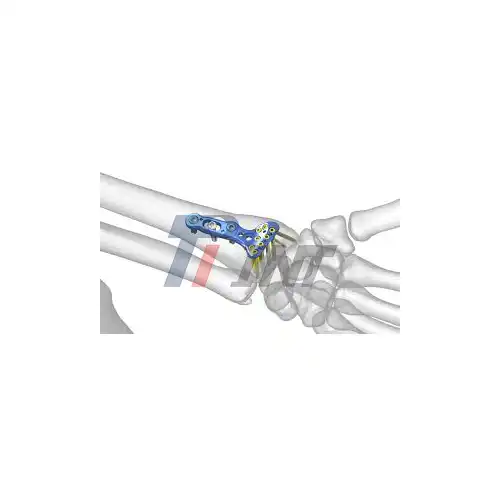
Titanium bar dental implants connect several implants with a rigid titanium bar, so a full-arch prosthesis sits on one stable base. Material matters most. Grade 4 titanium and Ti-6Al-4V ELI resist corrosion, carry biting loads, and mill cleanly. Fit comes next, because a bar that does not seat passively can loosen screws and overload bone. Maintenance closes the loop. Daily cleaning, scheduled torque checks, and wear inspection protect both implants and tissue. In this guide, we explain materials, fit, and care, and we share what buyers should request from a titanium supplier.
|
|
|


Why Titanium Bar Dental Implants Matter in Full-Arch Restoration?
Let's start by talking about who uses the system and how it works.
How the System Fits Together
A restoration with bars holds it up like a chain. Implants are held in place in the jaw by an abutment, which is also known as a multi-unit connector. You can put these parts together with the titanium bar, which also goes through the areas between them. It is then held in place with screws, clamps, or retention clips. The chain is only as accurate as its thinnest link because each link has to fit with the one before it. In 1965, Per-Ingvar Brånemark put in one of the first fake teeth. Since then, implants have always been made of titanium. Because the bar joins several implants together, even small mistakes in the cutting or material can have a big impact on the whole system.
Bar-Retained Overdentures, Fixed Restorations, and Single Implants
This list of three options is good for different reasons. They can hold their own weight and can replace one tooth. It has clips and a bar that hold it in place. The bar takes on some of the weight when the person takes out a tooth to clean it. There are screws that hold in place a fixed full-arch replacement like an All-on-4 or All-on-6 type. Only the dentist can take it out. There are titanium bars that go over teeth and bars that are set in place. Plastic or other materials that are wrapped around the teeth are made stronger by the bar. The best option depends on how much money the person has, the shape of their bones, and how well they can clean around the prosthesis.
Who This Guide Serves?
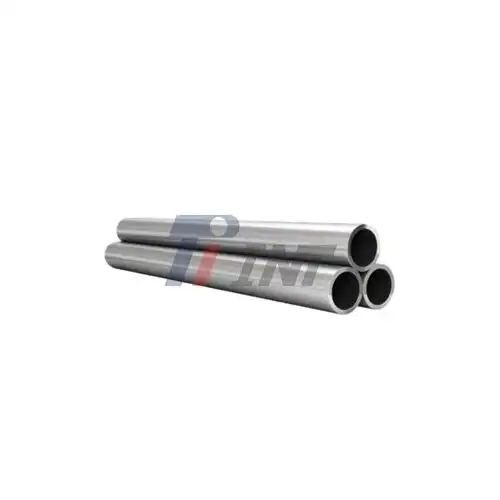
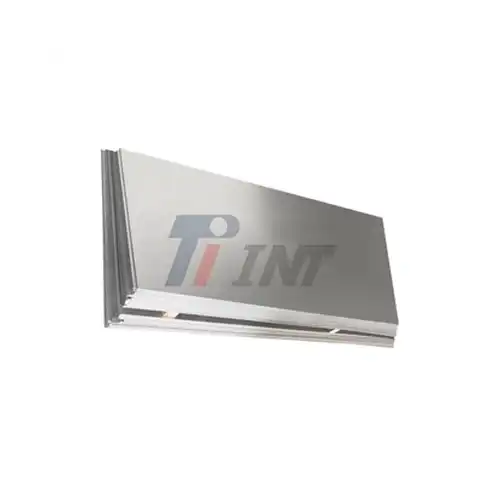
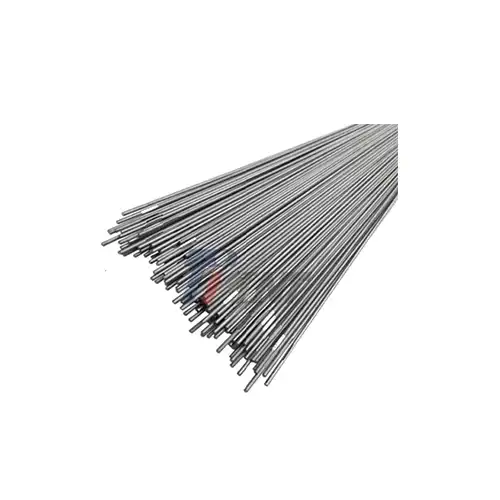
Distributors, OEM clients, implant makers who make their own parts, and dentists are the people this guide was written for. There are tips on how to dress, heal, and care for people who work in the medical field. You can find grades of products, paperwork, and background checks on the sellers this way. This chain is made from titanium from Baoji INT Medical Titanium Co., Ltd., which was founded by Mr. Zhan Wenge in 2003 and has been in the titanium business for more than 30 years. Pure titanium and Ti-6Al-4V ELI are used to make bars, wires, plates, and forging stock. We pay close attention to the quality of the metal that your shop cuts.
Titanium Bar Dental Implant Materials and System Components
Things that people choose set the limits of what can happen next.
Why Titanium Works for Implant Bars?
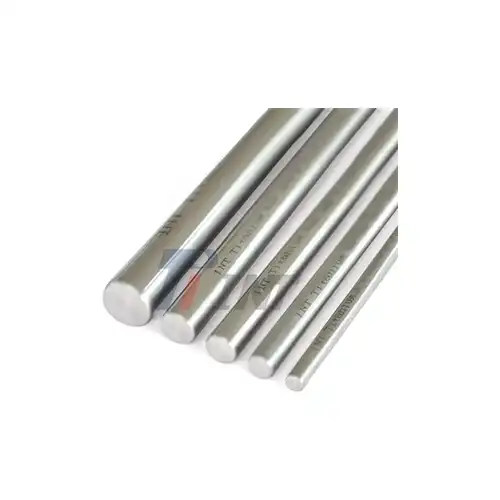
When titanium meets air, a thin metal layer appears on it very quickly. The metal doesn't rust in saliva because it is warm, wet, and full of chemicals. Titanium is also bioinert, which means that bone and soft tissue can handle it well over time. It weighs about 4.43 g/cm³, which is a lot less than gold or cobalt-chromium metals. This means that a full-arch titanium bar dental adds less weight to the prosthesis. Because it doesn't wear down easily, it's good for parts that get chewed on a lot. It works well on CNC and CAD/CAM tools as well as clean and uniform bar stock.
Grade 4, Grade 5, and Grade 23 Compared
There is only one grade of pure titanium that is strong enough for business use, and that is Grade 4. It is covered by ISO 5832-2. It is easy to form and doesn't rust. Grade 5 Ti-6Al-4V is stronger because it has vanadium and aluminum added to it. It is also called Ti-6Al-4V ELI. Grade 23 has the same base material but less iron and oxygen in the space between the atoms. It's now easier to shape and less likely to break. In order for the ELI metal to meet ASTM F136, its yield strength must be at least 795 MPa and its tensile strength must be at least 860 MPa. A lot of labs like ELI because it can handle both long and thin sections.
Manufacturing, Inspection, and Traceability
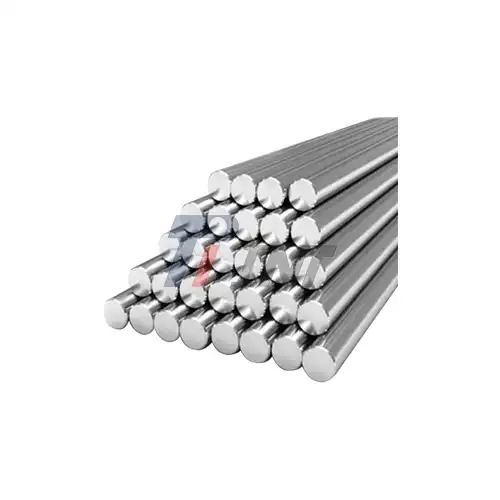
The source is where the quality of the bar begins. The ISO 9001:2015 and ISO 13485:2016 standards are used by INT to design, make, and work with medical titanium. All of their goods have been approved for safety by the EU's CE. Still, buyers should look at the basic details of each lot, such as its chemical make-up, mechanical properties, diameter, straightness, surface condition, and inspection records. When bar stock is turned or cut, a scratch or microcrack can mean that a part has to be thrown away. This loss often costs more than the cost of the material itself. Once there is a question, the lab can use the lot numbers on the certificates to figure out where a certain part came from. This is also important because bar ends or surfaces that are scratched or broken waste time and money before the cutting even starts.
How Titanium Bar Dental Implants Work and Fit
The mechanics make it clear why being exact is so important.
Splinting Implants and Sharing Load
Implants are joined to a hard bar so they work as a single unit when you brace. When someone chews, the bar doesn't let just one implant handle the full force; instead, it spreads the load across all of them. This is not the same as implant-supported loading or tissue-supported loading. In tissue-supported loading, the gums hold the tooth in place. In implant-supported loading, the implants do most of the work. After that, clips, screws, or other attachments hold the new part in place. The length of the bar is also important. There is more force on the end implants when the distal cantilevers are longer. The anterior-posterior spread of implants is carefully planned by dentists to keep cantilevers small.
Passive Fit and Why It Matters
While the screws are still loose, the bar fits on all abutments without any force. A passive fit is the name for this. Since people don't really stay still all the time, the goal of treatment is a misfit that is small enough for the body to handle. Too much stress on the implant neck, too much weight on the bone, and broken or loose screws can all happen because of a bad fit. The single-screw test, x-rays, and a visual check are all things that dentists use to make sure that the teeth fit right. Less mistakes can happen in labs with accurate scans, CAD/CAM milling, and steady titanium bar dental stock that doesn't bend or release stress during cutting.
Upper Jaw vs. Lower Jaw
Each mouth does something different. In most people, the bone in the mandible is thicker, which makes the main more stable. Also, the arch shape of the mandible lets the implant spread out more. Designs often need more thought because the maxilla has glands, softer bone, and needs lip support. The bar path changes in both arches when the implant is turned. It's also important to have a prosthetic room. A thin bar needs enough room to move, but too much room lets long cantilevers happen. The way maxillary designs look and sound is also affected by how they leak air, which can change how people speak. When teams plan with CBCT and a digital wax-up, they can quickly find these ends.
Treatment Workflow, Benefits, and Maintenance
Here are the steps that most people take to get long-term care.
Workflow and Healing Timeline
First, the dentist looks at the patient's CBCT tests to see how much bone there is and their medical background. Once that is done, computer planning and surgery guides show where to put the implant. Sometimes, a graft has to be done first. Some implants are very stable right away, so you can load them right away; otherwise, you have to wait three to six months. There is no set amount of time needed to heal because it depends on things like bone health, smoking, diabetes, and how clean the area is. The team makes the bar, makes sure it fits, and holds a try-in once the person is healed. Digitized or traditional prints are used. The dentist checks the fit and then applies the final torque to the amount that the maker suggests.
Benefits, Limitations, and Safety
A bar-retained design keeps the prosthesis in place better than a regular removable denture and makes it easier to keep in place. The weight is spread out, and each part can be fixed better than with different implants. It can also be used with modern methods. But the limits are real. It takes longer to plan and more skill to make a bar design. It also needs to be cleaner, and not all patients can use it. Safety is affected by the materials used, how well they are cleaned, how the surgery is done, and the patient's health. It's possible to get an infection, peri-implant disease, the technology to fail, or have problems during surgery. There must also be clear ways to measure success. Lifespan of implants, prostheses, and patients are all different things that studies describe in different ways.
Cleaning, Monitoring, and Common Complications
If your dentist tells you to, you should use interdental brushes, a water flosser, or super floss every day to clean around the bar, attachments, and implants. Review after review says that around 1 in 5 people have peri-implantitis. This means that every time a recall is done, the health of the tissues should be checked. Every once in a while, doctors should also check for plaque, blockages, worn parts, plaque, and implant security. Some of the most common problems are peri-implantitis, chipped or loose screws, broken bars, connection wear, broken acrylic, poor passive fit, too much cantilever, and irritation of soft tissues. These risks can be lowered by using torque tools that are calibrated, parts that work with each other, careful inspection, and materials that can be tracked.
How to Choose and Buy Titanium Bar Dental Implants?
Choose things in a certain order for the best results.
Selection Criteria for Clinics, Labs, and OEM Buyers
To start, pick the type of repair, jaw, loading method, and level of customization. Then look at the type of titanium used, the shape of the implant connection, how well the abutment fits, the bar size, the screw torque, the levels of accuracy, the tolerances, and the ways that the product is inspected. Clinics should monitor both the number of patients and the help desk staff. The most important things for labs should be passive fit and reliability. The papers and the plan for the goods should be looked over by the distributors. When an OEM client buys something, they should think about privacy, output, and private labels. There is still value in dental titanium bars price, but fit, compliance, supply continuity, and long-term support are also important. Making a cheap bar that breaks on the lathe costs more than making one that stays together.
Procurement Checklist
Have a look at this short list. I believe you should send it to all of your sellers before you place your first order.
- Documentation: Make sure you get proof of material for each lot. This should list the chemicals that were used and how strong they are according to ASTM F136 or ISO 5832-3. You should ask for proof that they follow ISO 9001:2015 and ISO 13485:2016 rules. You should also ask for CE paperwork, models, and records of checks. When you ship something, make sure that the reports that show it was tested for flaws, whether they are ultrasonic or some other method.
- Samples and sizes: Ask for bars that are the same length and size as the ones your store sells. Check the width, make sure it is straight, and make sure it is round. Look at the surface with a microscope and try the cutting out first. Before you make a decision, find out how the supplier handles minimum order amounts and the range of sizes. This is because implant makers often buy a lot of different sizes in small amounts.
- Logistics and warning signs: Find out how long the supplier takes to deliver, how they package items, and what they do with lots that don't meet requirements. Bar ends and surfaces should be packed safely so they stay safe during shipping. Watch out for grade lines that aren't clear, tracking that isn't there, numbers that aren't even, or prices that don't include tests that are needed. Also, make sure that the seller writes down all of their answers.
With clear written answers to these questions, you can get approval faster and be less likely to be surprised early on.
Standard vs. Custom Specifications and a Phased Buying Plan
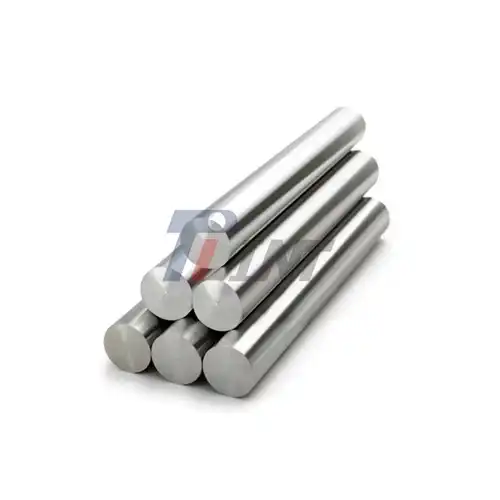
It's easier and faster to ship when you buy normal bar sizes. Sometimes a design needs diameters, lengths, or grades that aren't common, or when an OEM design is used for a lot of sales. INT can make changes to titanium bars to fit special needs. When you customize something, you should always do it because you need to, not because you want to. A step-by-step plan lowers risk. You should send the samples you want to try, place a test order, and then compare the results to the inspection data you sent. Finally, you should sign a supply agreement. When you get an order from the same supplier, it usually goes through faster the second time. A steady first batch also makes it easy to plan for the next quarter.
Conclusion
Titanium bar dental implants don't work as separate metal pieces; they work as whole systems. It is strong, doesn't rust, and is easy to machine, so ASTM F136 and ISO 5832-3 say that Ti-6Al-4V ELI is a good material grade. Loads move through the bar, implants, and bone based on passive fit. It is important to have exact cuts and stock that is all the same. How well a treatment works depends on how well it is planned, how well it heals, and how skilled the professionals are. If you clean and check your teeth every day, you'll be less likely to get peri-implantitis, screws that come loose, and parts that wear out. When people want to compare prices, they should look at more than just price. They should also look at paperwork, measures, tracking, and supply continuity. Before you buy a lot of something, make sure that the supplier can meet your needs by ordering samples and pilot orders.
FAQ
Are titanium bar dental implants better than single implants?
Not all the time. A bar is good for full-arch work and overdentures because it can handle more than one thing at once. People who only have one tooth or a short span can benefit from single implants. Which choice is best for a patient relies on their income, bone volume, jaw shape, and how well they can keep their teeth clean. The dentist should pick each case on its own.
How long does healing take?
There are different ways for each person to heal. When the implant is stable, you can load it right away, but most of the time you have to wait three to six months. The repair will last longer if the tissue, screws, and implants are cleaned every day and checked by a dentist after giving birth.
Do CE and FDA documents cover the titanium bar material?
There are many things they talk about. The EU CE, ISO 13485:2016, and ISO 9001:2015 have all accepted our products as safe. In the US, the FDA watches finished dental implant devices, which means that the company that makes the device has approval for the whole system. That file is backed up by test results, certificates, and records of where the items came from by the person selling them.
Request Titanium Bar Dental Implant Material Information
The Baoji INT Medical Titanium Co., Ltd. sells titanium bars that are used in dental implants. They have certified Ti-6Al-4V and Ti-6Al-4V ELI bars that are ISO 9001:2015, ISO 13485:2016, and EU CE. Email export@tiint.com with your needs, planned volumes, and documentation needs. We'll get back to you with a quote and some examples of what you can choose from.
References
1. ASTM International, 2013 – ASTM F136: Standard Specification for Wrought Titanium-6Aluminum-4Vanadium ELI Alloy for Surgical Implant Applications
2. International Organization for Standardization, 2021 – ISO 5832-3: Implants for Surgery, Metallic Materials, Part 3: Wrought Titanium 6-Aluminium 4-Vanadium Alloy
3. Journal of Clinical Periodontology, 2018 – Berglundh et al., Peri-implant Diseases and Conditions: Consensus Report of Workgroup 4 of the 2017 World Workshop
4. International Journal of Oral & Maxillofacial Implants, 1991 – Jemt, Failures and Complications in 391 Consecutively Inserted Fixed Prostheses Supported by Brånemark Implants in Edentulous Jaws
5. Clinical Oral Implants Research, 2012 – Pjetursson et al., A Systematic Review of the Survival and Complication Rates of Implant-Supported Fixed Dental Prostheses After a Mean Observation Period of at Least 5 Years
6. Elsevier, 2015 – Misch, Dental Implant Prosthetics, Second Edition