
Guide to Selecting Gr2 Titanium Welding Wire for Implant Production


 2026-11-09 10:34:36
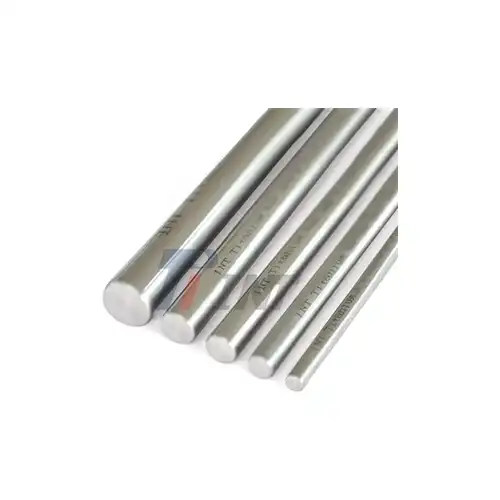
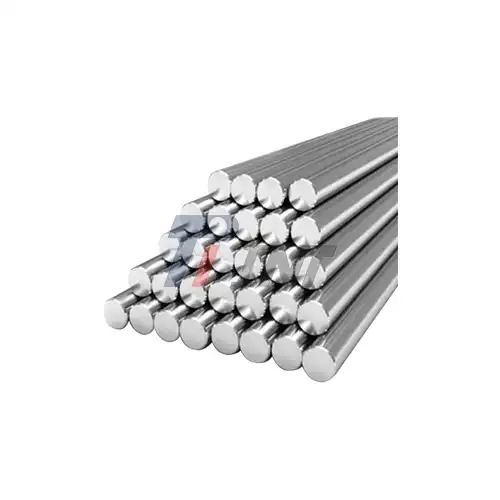
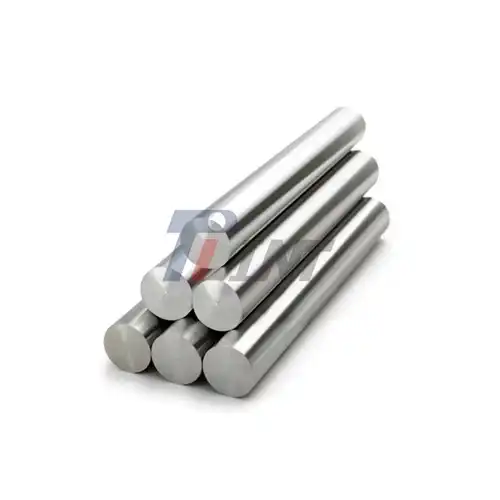
The best Gr2 titanium welding wire for implant production matches your base metal, meets AWS A5.16 ERTi-2 limits, and arrives with lot-specific certificates. Grade 2 is commercially pure titanium. It suits selected implant-related parts, fixtures, and brackets, but not every permanent or load-bearing implant. I recommend you confirm the component's function first. Then check wire chemistry, diameter, and surface cleanliness, run a welding trial, and review the supplier's traceability and quality system. This guide covers each step in plain language, so engineers, buyers, and quality teams can compare options and avoid costly rework.
|
|
|


Understanding Gr2 Titanium Welding Wire and Its Properties
What the Terms Mean
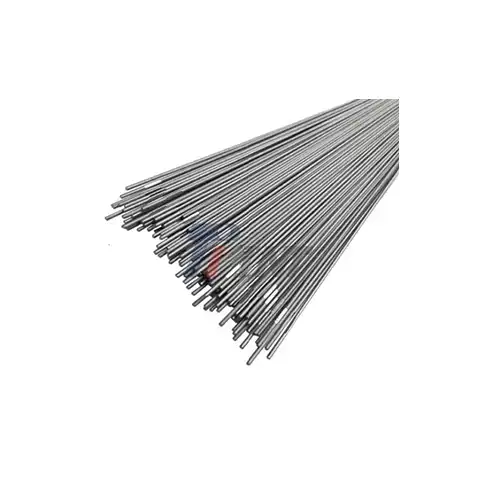
You can buy and use Gr2 titanium welding wire for TIG (GTAW) welding. It is made of pure titanium filler metal. It is called Grade 2 filler in AWS A5.16, which is also what it is called in catalogs. You might also see "Grade 2 filler wire" or "titanium TIG wire." You should always check the certificate to make sure, but these names are all from the same family. Also, keep the parts of the welding system separate. The base metal is what you weld. The shielding gas protects the weld pool and the filler wire makes the joint stronger. Each one changes what happens in the end.
Chemistry and Mechanical Properties
Chem should be seen with the most attention. One of the strictest rules for ERTi-2 filler is that oxygen can't be more than 0.16% and iron can't be more than 0.20%. Titanium is also capped because carbon, nitrogen, and hydrogen make it easy to break. Grade 2 has a single-phase alpha structure that weighs 4.51 g/cm³ and a melting point that is very close to 1,660 °C. Base metal Grade 2 is easy to form and has a tensile strength of at least 345 MPa. Check out more than just how strong the wire is. You should check the yield strength, extension, and the area that was heated to see how the joint turned out. If you want to know the exact grade, read the heat-specific certificate instead of the general grade label.
Why Grade 2 Is Not Automatically Implant-Grade?
Because it makes a thin metal layer, titanium doesn't rust. This is why engineers and doctors use it. Still, a metal is not necessarily friendly just because it has a grade name. ASTM F67 covers surgery tools made of titanium that has not been alloyed. But the quality of a welded part depends on how it was cleaned, protected, welded, and then dealt with afterward. If there is dirt, bad shielding, or the wrong cleaning agent, it can make the corrosion resistance and fatigue life worse. I believe that Grade 2 wire should be seen as a qualified part of a controlled process. The technical, quality, and regulation teams at your customer should sign off on the whole process for parts that will stay in place or carry weight.
Matching Diameter and Filler Type to Your Application
Choose the Wire Diameter for the Joint
Pick the width based on the thickness of the metal, the joint design, the welding current, how easy it is to get to the torch, and how the metal will be fed. Most of them are between 0.8 mm and 2.0 mm wide, with wider ones used for heavy parts. When the wire is smaller, it adds less material and heat, which makes it easier to control thin sheets and precise parts. Bigger wire fits tubes, brackets, and thicker fittings when you need to cast more. You should write down the diameter tolerance, straightness, package style, and surface state on your buy order. Do a controlled welding test on a width first, and then give the go-ahead for mass production. A small order of Gr2 titanium welding wire samples costs a lot less than a large order that is turned down.
Gr2 Versus Grade 5 Filler
It is stronger than Grade 4 filler (ERTi-5), but it is less flexible and needs to be welded in a different way. When they need it to be more flexible, welders use Grade 2 filler with Ti-6Al-4V. The joint will be weaker than the base metal if you choose that option. This is because the weld will not be strong enough. The new idea might work for some things, but it's not always a good one. If a part needs to be stronger, less likely to wear out, or compatible with other alloys, the person who designed it should sign off on the filler and the welding process. If you want to buy something, don't call this number at the desk.
Why Stainless Steel Wire Is Not a Substitute
Someone who wants to buy something wants to know if cheaper stainless steel wire can be used instead of titanium filler. It can't. Steel 316L is close to 8 g/cm³ dense, while titanium is 4.51 g/cm³ dense. When it comes to thermal expansion, oxide formation, and corrosion, the two metals also act in different ways. Weak stages can form that break when they are mixed in one bond. Titanium filler is needed in the base metal. If you're looking for something cheap, don't switch products. Compare instead the places where you can get titanium and how much shipping will cost.
Welding and Handling Rules That Protect Weld Quality
Shielding Gas and Purging
Titanium needs to be protected because it takes in oxygen and nitrogen when it's hot. Use pure argon, a stable torch, and a following shield to keep the metal safe while it cools. For fully cleaned joints, clean your behind as well. Putting the weld pool or cooling bead in air can make a thin layer of oxygen-filled cracks form on top. This is called alpha case. When that layer is loaded, it breaks, which cuts its wear life down. I tell new welders that the gas setting is part of the filler system. Because even the best wire can't fix bad coverage.
Cleaning and Storage
Titanium doesn't get dirty by burning. It takes them in. Acetone is a good solvent that you can use with the right tools to clean the wire and base metal. After you clean them, don't touch them with your bare hands. Skin marks, oil, and shop dust can all make pores. Store spools and rods in a clean, dry place in the package they came in. Place the wire in a dry cabinet as soon as you open the package. This is because the surface water adds hydrogen to the weld. The first spool that comes in should be the first one that goes out. You can then link each spool to its own certificate.
Weld Color and Procedure Qualification
This is clear because of the weld color. Bright metal and light straw usually get through. Any color other than blue, gray, or white means it's dirty and needs to be looked at more closely. Most of the time, you have to grind out the weld and do it again if it turns out badly. Color doesn't make a method good by itself, though. As part of your welding process, you should write down the current, polarity, gas conditions, joint design, Gr2 titanium welding wire thickness, interpass temperature, and acceptable criteria. For information on titanium structure welding, AWS D1.9 is a good source. Along with mechanics tests, your customer may also want corrosion tests.
Evaluating Suppliers, Documents, and Total Cost
Documents to Request With Every Lot
Your records are safe as long as there is a paper trail that trails the shipped lot. Ask for these three things every time you place an order:
- Mill test certificate or certificate of analysis: It should list the chemicals by their heat number, like iron, oxygen, nitrogen, carbon, hydrogen, and so on. It should also say what the standard is, like ASTM B863 or AWS A5.16 ERTi-2. The number on the spool or roll should match the number on the paper when it comes to heat.
- Dimensional and surface inspection records: These check the surface's state, width, tolerance, and straightness. The surface must be clean and shiny for the titanium filler to work. Find out how the service provider checks, cleans, and packs the wire. Your new inspection team can quickly compare the results to the specs you gave them when you bought the thing if you keep good records.
- Quality system and conformance statements: ISO 13485 is about the supply chains for medical devices, and ISO 9001 is about quality management in general. Ask the seller how they handle nonconformances, change notes, and making sure that repeat orders are the same across production lots. This is still an important part of product qualification.
Your quality team can start doing customer audits as soon as they get these records.
Manufacturer, Distributor, or Trader
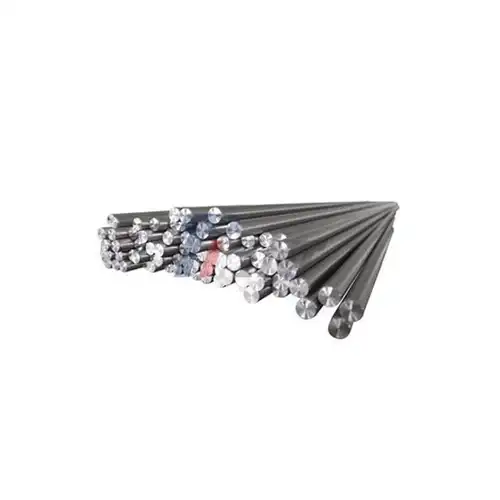
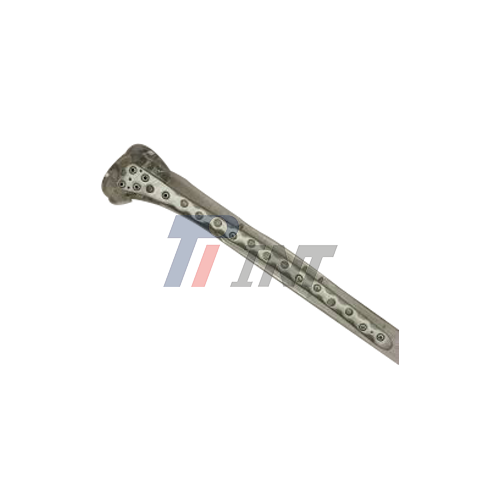
Track down the person behind the wire. The manufacturer is in charge of testing and processing. An agent or distributor may be able to offer fast supply as long as the source records are good. Tell them straight out where the food comes from and how they can track it. Formed by Mr. Zhan Wenge in 2003, Baoji INT Medical Titanium Co., Ltd. He's been in the metal business for over 30 years. In medicine and business, titanium alloy rods, wires, plates, and shaped parts made from pure titanium, Ti6Al4V ELI, and titanium alloy are used. Titanium welding wire is used in the oil industry and other places. EU CE, ISO 13485:2016, and ISO 9001:2015 have all given their approval to our goods.
Compare Total Landed Cost
The price per unit doesn't tell the whole story. The price of Gr2 titanium welding wire depends on how much titanium costs, how thick it is, how smooth the surface is, how it is packed, how many orders there are, and the tests that are done. There are costs like ocean or air freight, taxes, changes in the exchange rate, and time for inspections for people in the US. Next, add up the costs that you might not have thought of, such as spools that are turned down, extra work, production delays, and lost certificates. More often than not, a quote that includes all the paperwork costs less than a cheap lot that gets stuck at the inspection. For needs that will happen again and again, check the capacity, wait time, safety stock, and lot security. Talk right away about split orders across a number of diameters.
Final Selection, Common Mistakes, and a Practical Checklist
Build a Weighted Selection Matrix
Start with the regulatory class, the load, the grade of the base metal, the purpose of the part, and the environment where it will wear down. Then, rate each provider on how safe they are, how well they join, how clean they are, how well they package their goods, how long their lead time is, and how flexible they are. Extra attention should be paid to things that can stop work or fail an audit. Make sure you look over any samples, licenses, or trial coupons that the customer wants, as well as any mechanical, metallic, or rust tests they may want. In the US, ISO 13485:2016 is referenced in the FDA's Quality Management System Regulation as of February 2026. This means that audits pay a lot of attention to controls for providers.
Common Mistakes to Avoid
That's the same mistake I keep seeing. As much as people buy Grade 2 wire, it may not be the same. The intermediate content, tolerance, and quality of the document can be different. Some people mix Grade 2 filler with Grade 5 or Grade 23 base metal without first asking a professional. If the shielding isn't strong, the metal will change color, pick up oxygen, become porous, be hard to weld, and perform worse over time. Some teams choose the unit price that costs the least, but their extra work and delays cost them more. Last but not least, spools are no longer linked to the heat number. There should be a link between each spool, coil, or bundle and its heat number, certificate, buy order, and production batch.
Practical Selection Checklist
Do these things before you place your order. First, make sure you know what Grade 2 base metal it is, how it works, and whether it has been approved. Then, look at the chemical limits, diameter range, surface condition, protection, and other rules that AWS, ASTM, the buyer, and the government have set. Then, find out what the provider can do for you in terms of production, tracking, change management, wait time, minimum order quantity, and helping you export. Finally, be sure to plan for yearly demand, safety stock, landed cost, acceptance criteria, claims procedures, and a source that you can fall back on. If you do these things right away, you can avoid most of the problems above.
Conclusion
When making things that go on implants, you should choose Gr2 titanium welding wire based on what it can do, not how much it costs. Ti-6Al-4V is pure enough to sell and can be used in some parts. But it's not always implant-grade, and you can't use it instead of Grade 5 filler. To get a good weld, you need to follow the rules in AWS A5.16, handle the metal cleanly, and use argon protection correctly. Lot-specific badges, traceability, and well-known quality systems all help with checks, but sample trials and process qualification are still what decide if something is approved. Verified supply is usually better than the lowest price when you add up the total cost of landing, which includes the chance of having to redo work or be late. This is especially true for parts that need to stay in place or carry weight. The customer's engineering, quality, and regulatory teams should make the final choice.
FAQ
Is ERTi-2 the same as Gr2 titanium welding wire?
This is what Grade 2 filler in AWS A5.16 means. Books have both of these terms, so check the license to see which one is being used.
Can Grade 2 wire weld Grade 5 titanium?
The weld won't be as strong as the Ti-6Al-4V metal itself, but it is possible. Engineering should first give their OK.
How should I store the wire?
Keep it somewhere clean and dry, and make sure the seal on the box stays on. Keep it in a low-humidity box once it's open and write down the amount of heat.
Which diameter suits thin parts?
If you want to better control thin or precise parts, sizes like 0.8 or 1.0 mm are better. Weld something to be sure you chose the right thing.
Which documents should I request?
Ask for a mill test document that has the chemistry analysis, the heat number, the quality certificates, and the relevant standard.
Request Gr2 Titanium Welding Wire Specifications and a Quote
Are you ready to see what you can do? There are ISO 9001:2015, ISO 13485:2016, and EU CE marks on the Gr2 titanium welding wire that they sell. Also, they've been selling titanium for over 30 years. Send an email to export@tiint.com with the goods' diameter, number, standard, document needs, and the address where you want them sent. We'll send you a quote, a datasheet, and some sample choices back.
References
1. American Welding Society, AWS A5.16/A5.16M: Specification for Titanium and Titanium-Alloy Welding Electrodes and Rods, 2013
2. ASTM International, ASTM F67: Standard Specification for Unalloyed Titanium for Surgical Implant Applications, 2013
3. ASTM International, ASTM B863: Standard Specification for Titanium and Titanium Alloy Wire, 2014
4. American Welding Society, AWS D1.9/D1.9M: Structural Welding Code – Titanium, 2015
5. International Organization for Standardization, ISO 13485: Medical Devices – Quality Management Systems – Requirements for Regulatory Purposes, 2016
6. U.S. Food and Drug Administration, Medical Devices; Quality System Regulation Amendments (Quality Management System Regulation final rule), Federal Register, 2024