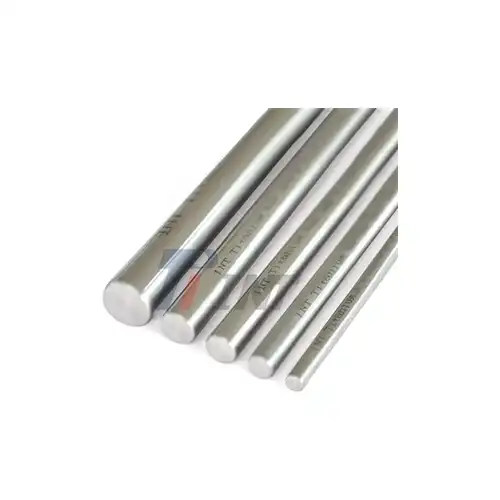



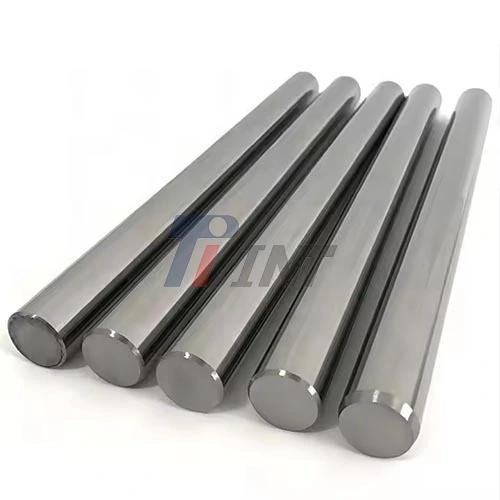
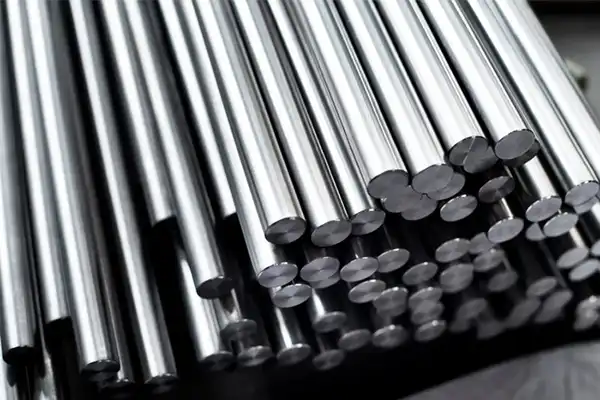
ASTM F67 GR1 Medical Titanium Bar


Lightweight and extremely durable material.
Corrosion-resistant for long-term use.
High strength-to-weight ratio for flexibility.
Excellent fatigue resistance for durability.
Customizable to suit surgical needs.
Reliable in critical medical environments.
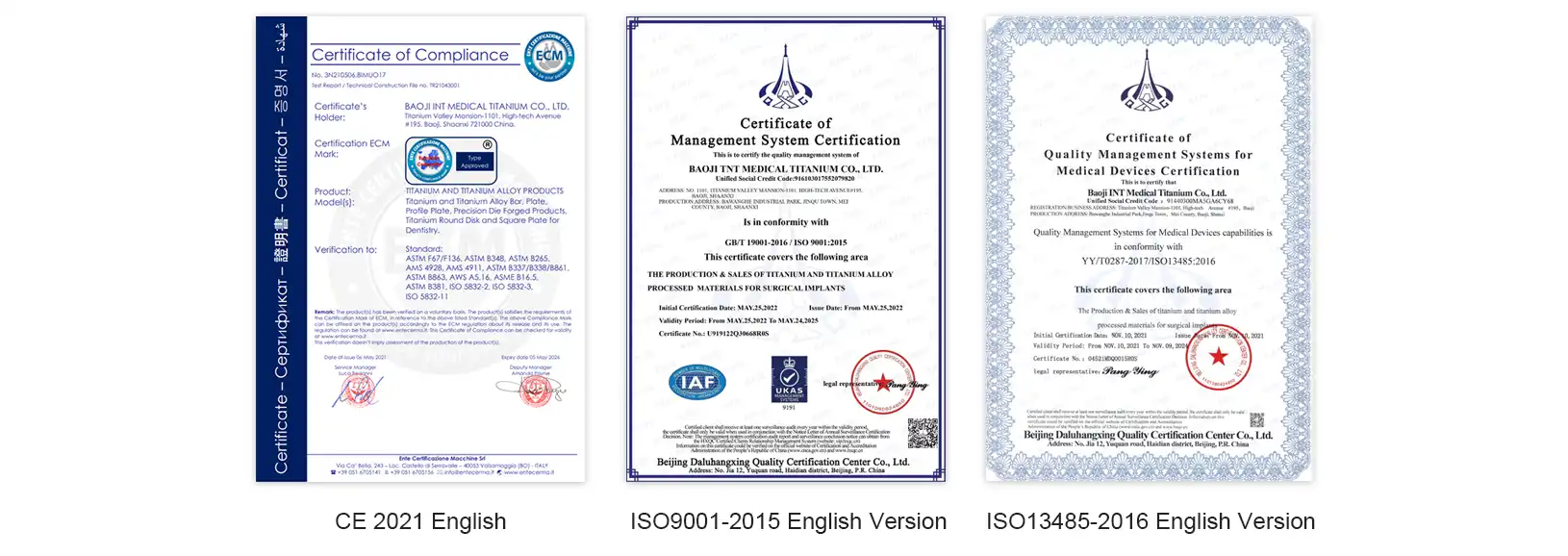
All products have passed ISO9001:2015, ISO13485:2016, EU CE safety certification
ASTM F67 GR1 Medical Titanium Bar – Premium Commercially Pure Titanium for Surgical Implants and Medical Device Manufacturing
Baoji INT Medical Titanium Co., Ltd. manufactures high-performance ASTM F67 GR1 Medical Titanium Bar with superior biocompatibility and corrosion resistance for critical medical applications. Our production facility, established in 2003 and backed by over 30 years of titanium industry expertise, delivers materials certified under ISO9001:2015, ISO13485:2016, and EU CE standards. GR1 titanium bars feature minimum tensile strength of 240 MPa, yield strength of 170 MPa, and elongation exceeding 24%, ensuring optimal ductility for complex surgical device fabrication. Each batch undergoes rigorous interstitial element analysis maintaining oxygen content below 0.18%, hydrogen under 0.015%, and iron less than 0.20% for uncompromised material purity and performance consistency.
Key Material Properties and Technical Specifications
The product represents the purest commercially available titanium grade for medical use. Its low interstitial content provides exceptional formability and weldability.
This material exhibits outstanding resistance to body fluid corrosion. The natural titanium oxide layer forms instantaneously upon exposure to air, creating a protective barrier that prevents ion migration into surrounding tissue.
|
Property |
ASTM F67 GR1 Specification |
|
Tensile Strength (Min) |
240 MPa (35 ksi) |
|
Yield Strength (Min) |
170 MPa (25 ksi) |
|
Elongation (Min) |
24% |
|
Nitrogen (Max) |
0.03% |
|
Carbon (Max) |
0.08% |
|
Hydrogen (Max) |
0.015% |
|
Iron (Max) |
0.20% |
|
Oxygen (Max) |
0.18% |
|
|
|
The grade's superior ductility makes it ideal for cold-forming operations. Medical device manufacturers benefit from easier fabrication processes without compromising structural integrity.
Clinical Applications and Medical Device Uses
This product is used in a variety of surgical and therapeutic procedures. Its good biocompatibility avoids harmful tissue reactivity in long-term implantation.
Orthopaedic surgeons use the material in bone fixation plates and screws. The small weight reduces the load of the patient and provides enough mechanical support for fracture healing.
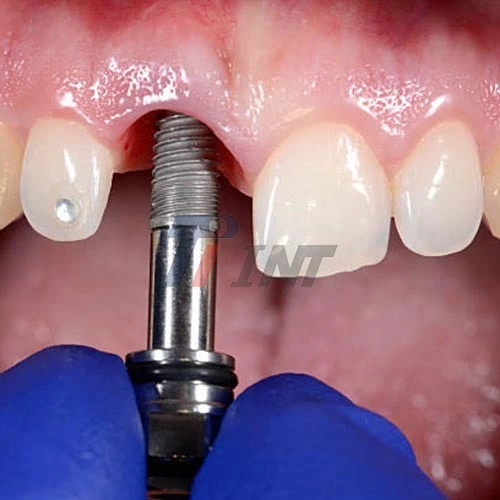
Dental experts choose titanium GR1 for the manufacturing of implant abutments and framework. The material has osseointegration properties, i.e. it may attach directly to the bone without creation of an intermediate fibrous tissue layer.
Manufacturers of cardiovascular devices use this grade for pacemaker casings and vascular clips. Its non-magnetic qualities assure full MRI compatibility, enabling patients to undergo diagnostic imaging without safety issues or artefact interference.
Reconstruction of the maxillofacial region is performed with custom-made mesh and plates from GR1 bars. The material has great formability which facilitates accurate anatomical contouring intra-operatively.
Manufacturing Excellence and Quality Assurance
We use precise machining and precision die forging to convert titanium bars into finished medical components. Quality is checked continuously at all stages of processing during the production process.
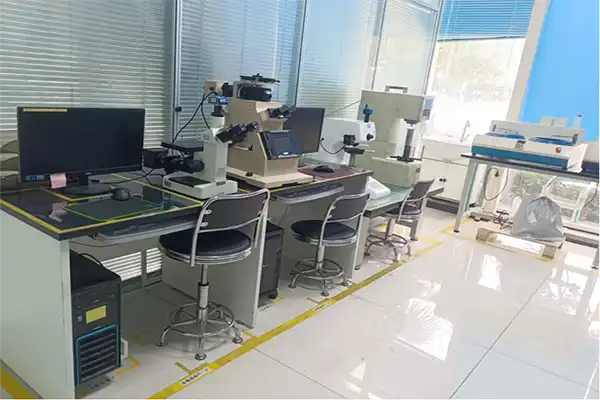
The chemical composition is verified by analytical procedures of ASTM E1409 and E1447. We do batch specific testing to confirm the interstitial element concentrations are within specification limits.
Mechanical testing is conducted in accordance with ASTM E8 tensile and ASTM E290 bend testing requirements. Destructive testing is conducted on each production batch to verify strength, ductility and fatigue resistance criteria.
Ultrasonic inspection (per AMS 2631) for internal discontinuities. This non-destructive evaluation confirms volumetric soundness which is crucial to sterile barrier maintenance of implanted devices.
Surface quality examination Check centerless ground or peeling finishes to Ra values less than 0.8µm. The surface preparation removes the alpha case layer and offers the best conditions for the following CNC machining processes.
Comparative Advantages Over Alternative Materials
The product has various advantages over stainless steel surgical materials. A density of 4.5 g/cm3 compared to 8.0 g/cm3 of stainless steel reduces implant weight by around 44%.
It is more corrosion resistant than 316L stainless steel or cobalt chromium alloys. The passive oxide layer is stable for physiological pH ranges and chloride concentrations of bodily fluids.
Biocompatibility testing shows no harmful effects in ISO 10993 testing. GR1 titanium removes the metal sensitivity problems of nickel-containing alloys that impact around 10-15% of patient populations.
Ti-6Al-4V alloys ASTM F136 have a stronger strength, however GR1 is better ductile for forming operations. In cold working procedures manufacturers can achieve tighter bend radii without initiating a crack.
The material’s thermal expansion coefficient is also quite close to that of human bone. Such compatibility reduces the stress concentration at the bone-implant interface during temperature variation.
Customization Capabilities and Processing Services
Baoji INT Medical Titanium provides comprehensive customization for ASTM F67 GR1 Medical Titanium Bar specifications. We manufacture diameter ranges from 6mm to 300mm with length tolerances held to ±0.5mm.
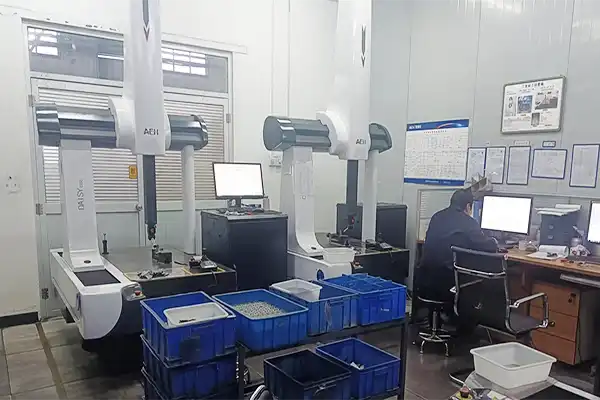
We offer precise turning and milling services to produce completed components per customer drawings. Critical parts of the implant are machined in CNC machining centers with a dimensional tolerance of +0.02mm.
Surface treatment options: electropolishing, passivation, anodising These secondary processes boost corrosion resistance and give visual identifying coding for surgical equipment sets.
Heat treatment schedules are designed to obtain the best microstructure for a given application. Cold working can leave residual stresses, however these are eliminated by stress-relief annealing without loss of mechanical characteristics.
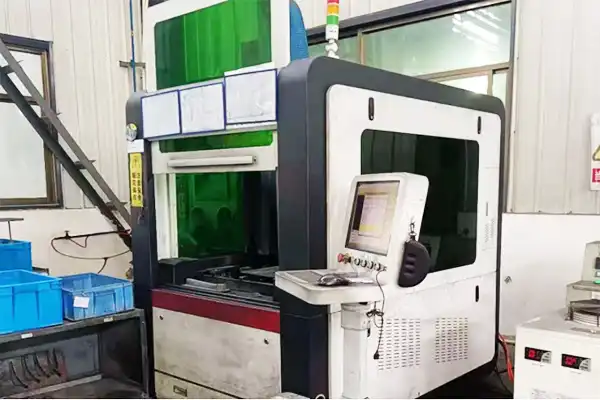
Laser tagging services offer permanent traceable labelling. We adhere to FDA and EU Medical Device Regulation regulations by printing unique device identifiers (UDI) directly on final components.
Procurement Guidance and Material Certification
When buying professional medical devices, it is necessary to thoroughly check the documentation. Material test certificates according to EN 10204 3.1 are delivered with each consignment.
These certificates provide heat number traceability, complete chemical analytical results and mechanical test data . Special emphasis is given to the concentrations of interstitial elements such as oxygen, nitrogen and hydrogen that influence ductility and biocompatibility.
Verification of tensile test results for yield strength, ultimate tensile strength and elongation values on a lot-by-lot basis. We don’t hide behind minimum specification criteria, we present real measured values for full transparency.
Grain size analysis and photomicrographs of microstructure support key application orders. This documentation is for customer receiving inspection and regulatory filing.
Country of origin certificates and conflict minerals declarations assist in meeting supply chain compliance requirements. Our quality control system ensures total traceability from the procurement of raw materials to the distribution of the finished product.
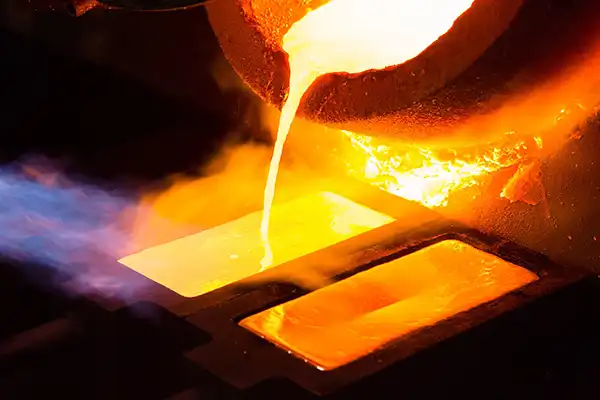
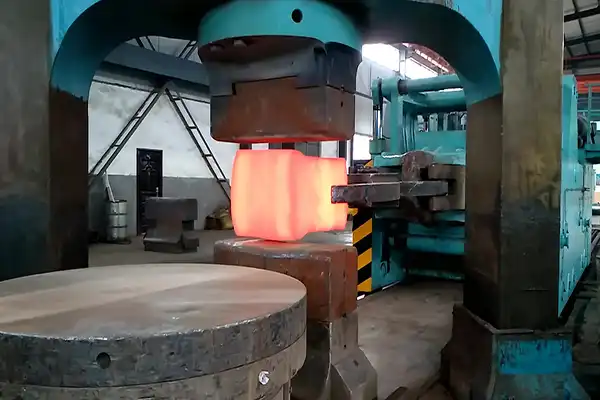
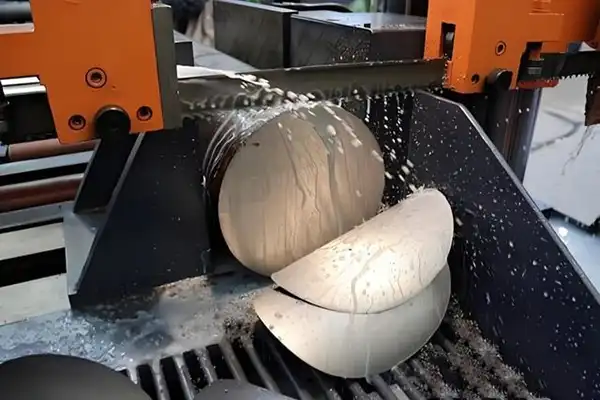
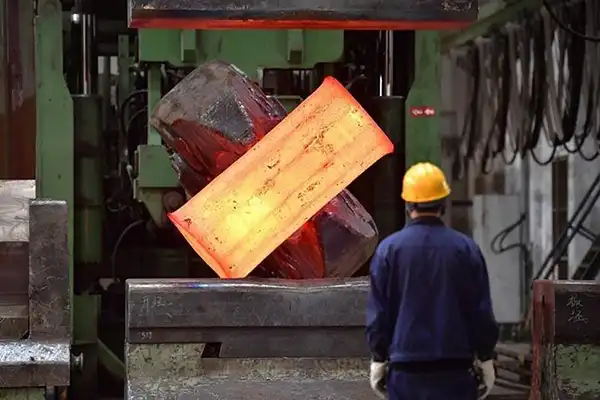
Product Technology and Production Process
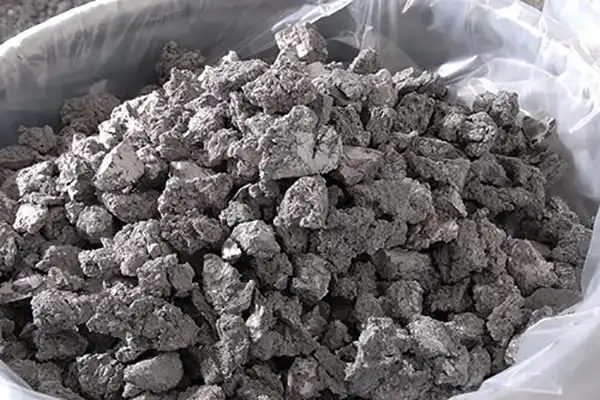
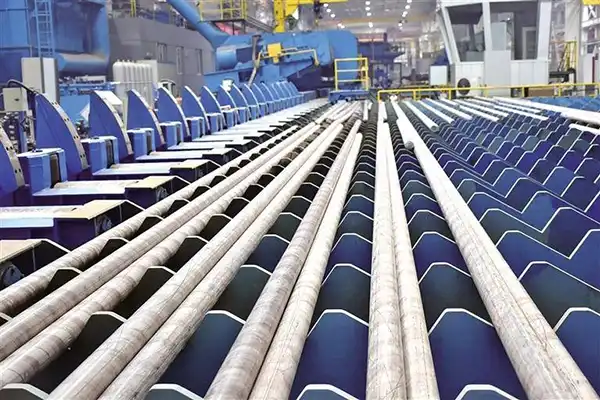
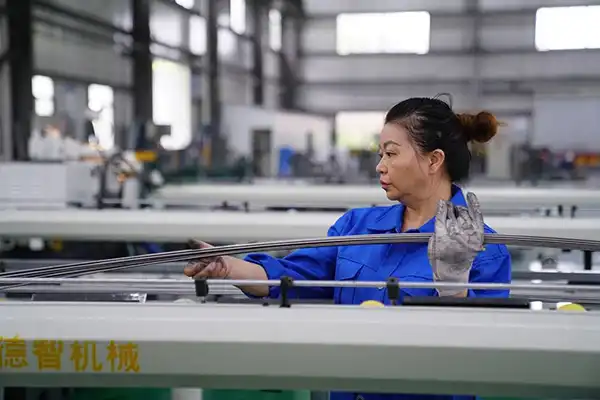
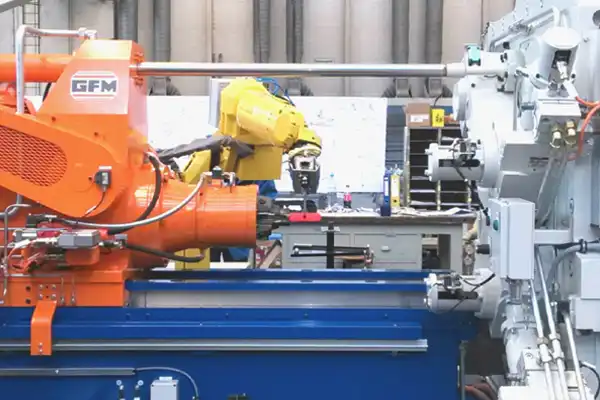
Hot rolling and forging techniques that enhance the mechanical properties, ensuring superior strength and toughness.
Ultrasonic testing to detect flaws and ensure 100% reliability.
Strict quality control at every stage of production, meeting and exceeding international medical standards like ISO9001:2015 and ISO13485:2016.
 |
 |
 |
 |
 |
 |
 |
 |
Industries Catered
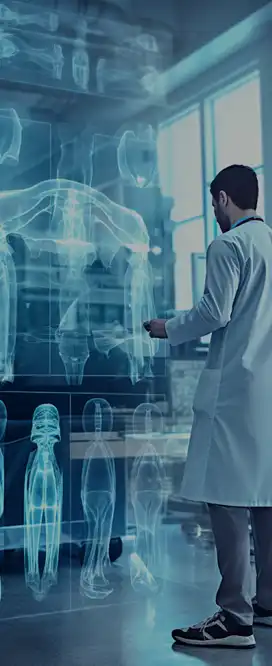
Our products are widely used in medical, automotive, aerospace, chemical, scientific and technological manufacturing and electronic information industries.
 |
 |
 |
 |
 |
 |
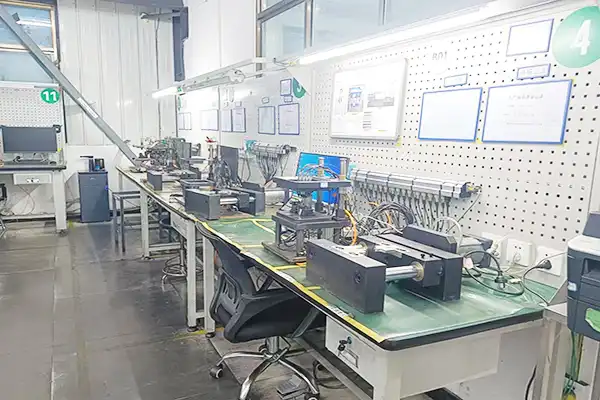
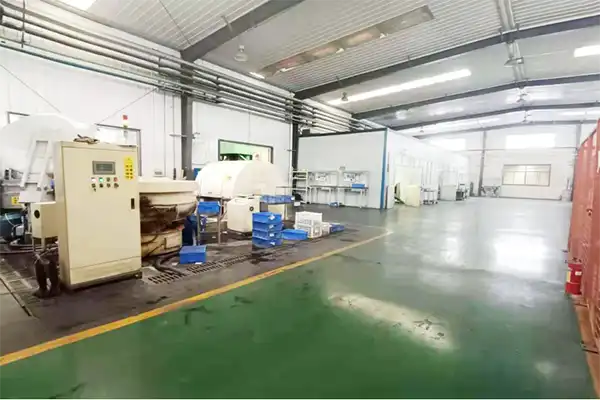
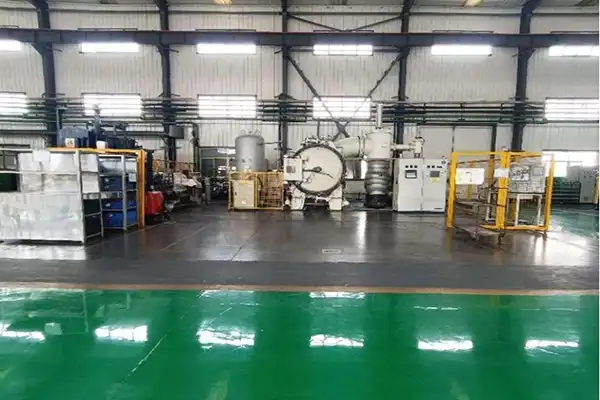
Our Factory - A Legacy of Excellence
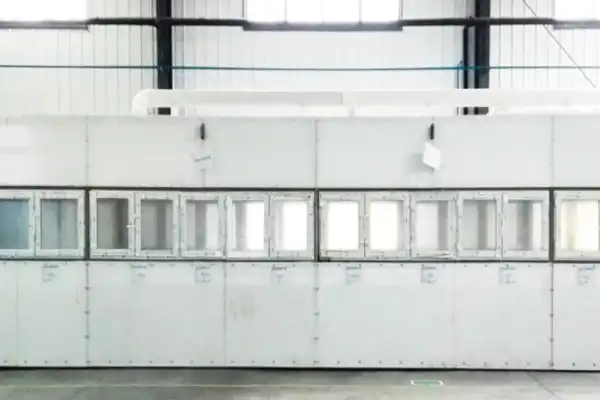
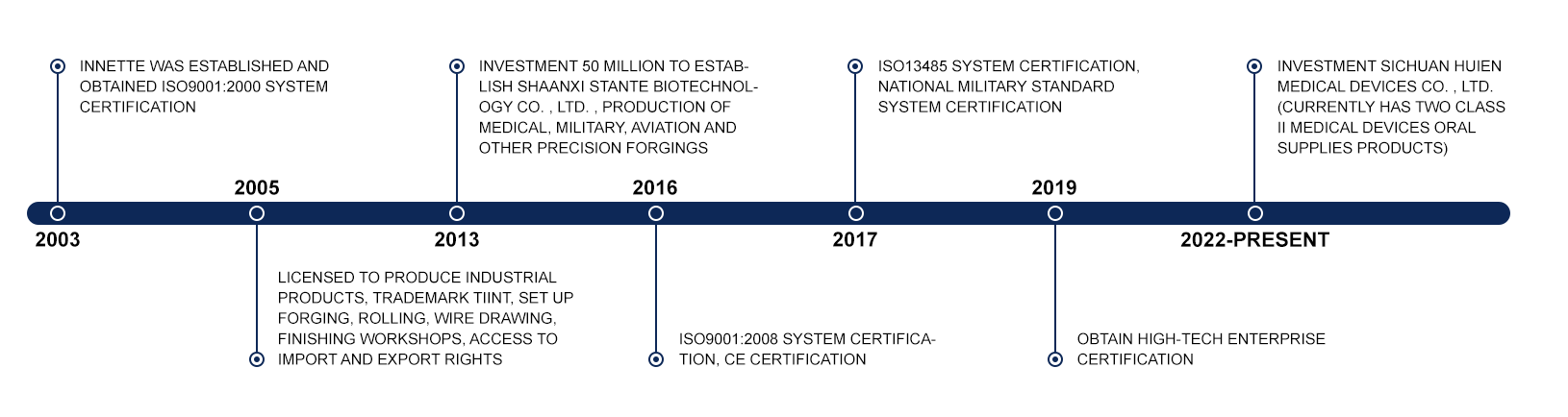
Founded in 2003 by titanium industry expert Mr. Zhan Wenge, Baoji INT Medical Titanium Co., Ltd. has grown into a benchmark enterprise in the R&D and production of medical titanium materials. With more than 30 years of experience, INT is deeply invested in the development of high-quality titanium for the medical sector. We provide a full range of titanium products, including pure titanium, Ti6Al4V ELI titanium, and custom titanium alloy forgings.
 |
 |
 |
 |
 |
 |
 |
 |
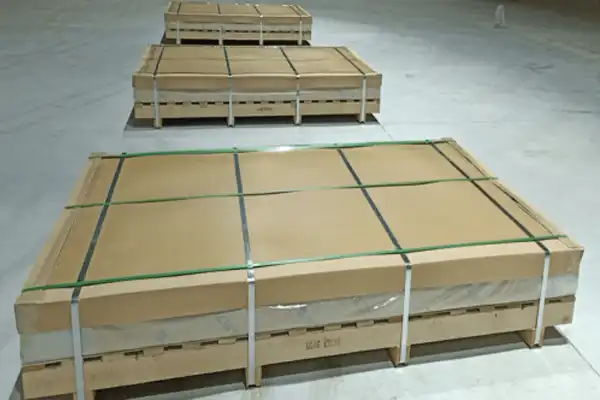
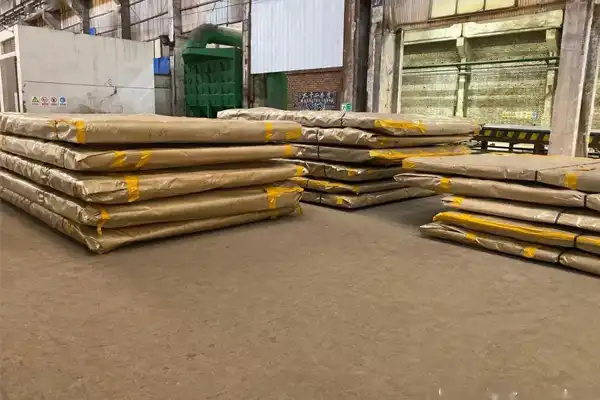
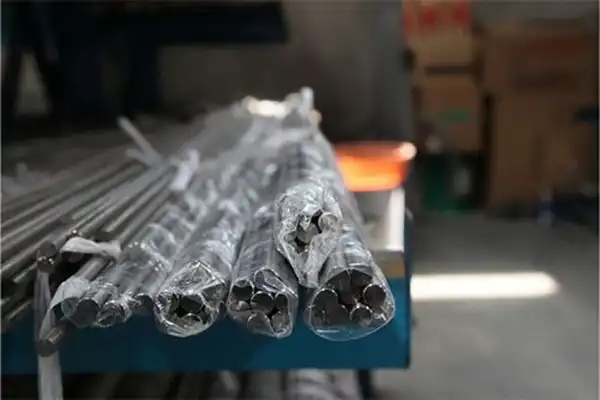
Packaging and Transportation
 |
 |
 |
Why Choose Us?
Choosing Baoji INT Medical Titanium Co., Ltd. means partnering with a trusted leader in the medical titanium industry.
Here’s why:
Proven Expertise: Over 30 years of experience in medical titanium production.
Advanced Technology: State-of-the-art production lines and equipment.
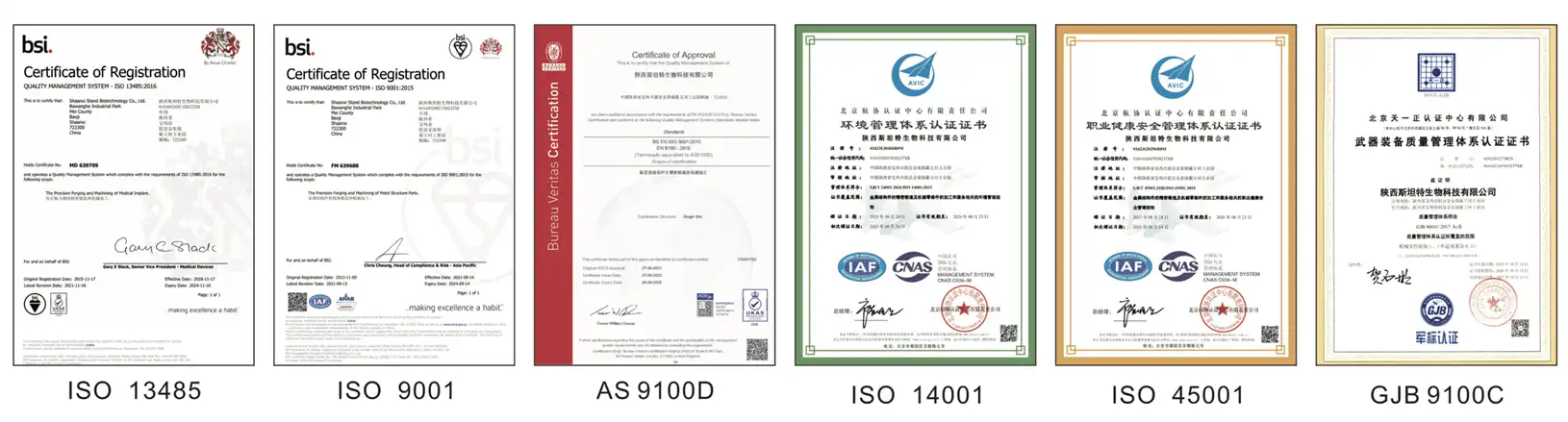
International Certifications: ISO9001:2015, ISO13485:2016, and EU CE certifications.
Comprehensive Support: We provide ongoing technical support, ensuring our products fit seamlessly into your manufacturing process.
Customer-Centric Approach: Committed to delivering high-quality products on time, every time.
For inquiries or orders, please contact us at export@tiint.com. We look forward to partnering with you for your medical titanium needs.
FAQ
Q: What distinguishes ASTM F67 GR1 from other commercially pure titanium grades?
A: GR1 contains the lowest interstitial element content among F67 grades. Maximum oxygen of 0.18% provides optimal ductility and cold-forming characteristics compared to GR2 (0.25% O), GR3 (0.35% O), and GR4 (0.40% O).
Q: How does hydrogen content affect medical titanium performance?
A: Hydrogen exceeding 0.015% causes embrittlement that reduces ductility and fatigue resistance. This phenomenon leads to unexpected brittle fracture under cyclic loading conditions typical in orthopedic implants. Our manufacturing process controls hydrogen pickup during melting and processing.
Q: Is ASTM F67 GR1 suitable for load-bearing implants?
A: While GR1 offers excellent biocompatibility, its lower strength makes it more appropriate for low-stress applications like dental abutments and thin bone plates. High-load applications such as hip stems typically require Ti-6Al-4V ELI alloy (ASTM F136) for adequate fatigue strength.
Q: What surface finish specifications should be specified for medical bars?
A: Centerless ground or peeled surfaces with Ra < 0.8µm remove the oxygen-enriched alpha case layer. This preparation ensures consistent machining behavior and eliminates potential brittle surface layers that compromise fatigue performance.
Q: Can you provide small quantity orders for prototype development?
A: Yes, we accommodate prototype and small-batch requirements starting from 10kg minimum order quantities. This flexibility supports medical device development timelines and regulatory submission sample preparation.
Q: What documentation supports FDA 510(k) or EU MDR submissions?
A: We provide material test reports, ISO13485 certificates, biocompatibility test summaries (ISO 10993), and Declaration of Conformity documents. Our quality system documentation demonstrates manufacturing process validation and statistical process control implementation.
Partner With Baoji INT Medical Titanium
Connect with our technical team to discuss your specific ASTM F67 GR1 Medical Titanium Bar requirements. Contact export@tiint.com for material certifications, custom processing capabilities, and delivery scheduling.