
Top 5 Uses for Ti6Al4V Titanium Bar 8mm in Medical Devices


 2026-11-10 14:24:43
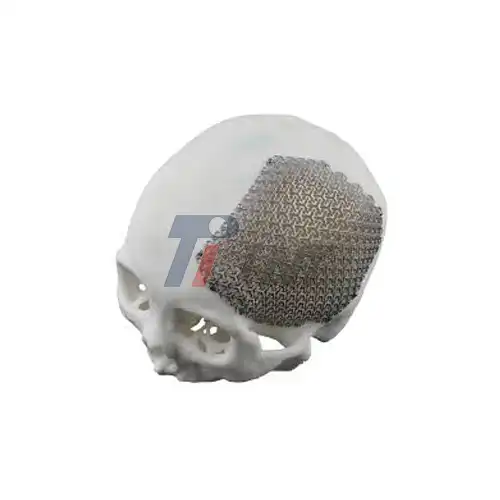
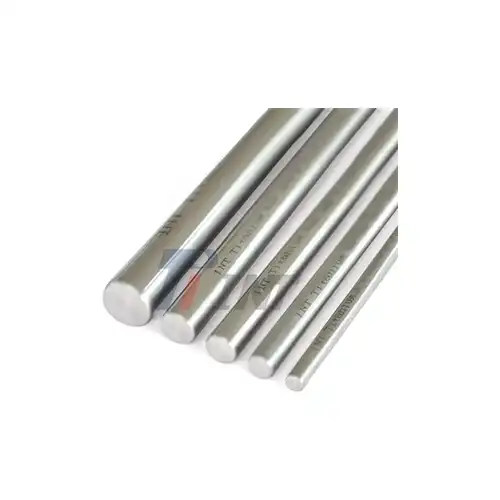
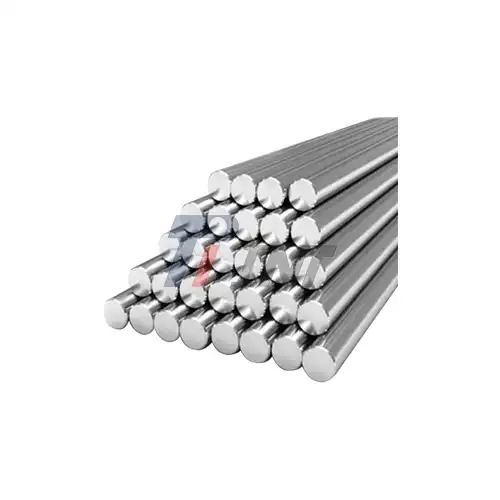
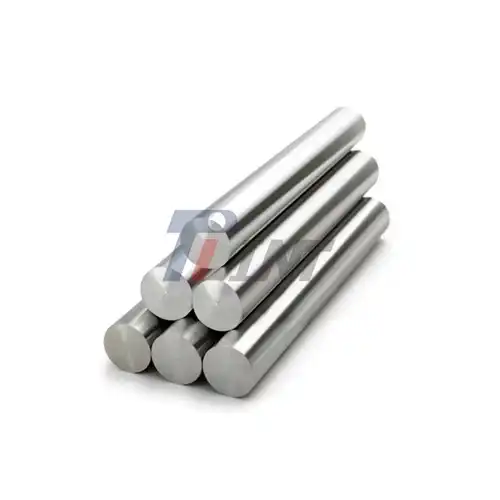
The top five uses for Ti6Al4V titanium bar 8mm in medical devices are orthopedic and surgical implant components, dental implants and dental surgical instruments, surgical and minimally invasive instrument parts, prosthetic and rehabilitation hardware, and MRI-related diagnostic equipment hardware. Grade 5 titanium combines a density of 4.43 g/cm³ with a tensile strength of at least 895 MPa, strong corrosion resistance, and good biocompatibility. The 8mm diameter suits small turned, drilled, and threaded parts. Each use still needs the right standard, batch records, and device-level validation, which this guide explains step by step for your sourcing team.
|
|
|


Introduction: Why Ti6Al4V Titanium Bar 8mm Is Used in Medical Device Manufacturing?
The role of 8mm Grade 5 titanium round bar in medical applications
About 6% of it is aluminum and 4% is vanadium. It is a mix of alpha and beta metals. You can also call it Grade 5 titanium. Things in that part must be safe for living things, strong, and light. It must also not rust. For small parts, a Ti6Al4V titanium bar 8mm that is strong is the right size. You can still drill, thread, grind, clean, and turn the stock. It's also not lost much in short parts. You can get forging blanks, pins, shafts, screws, and screws all from the same Ti6Al4V titanium bar 8mm size. This makes it easy to make tools. But just because the grade has a certain name doesn't mean that it is physically proper. If you want to buy something, make sure you know whether normal industrial bar or implant-grade material is better for the job.
Key Ti6Al4V titanium bar 8mm properties at a glance
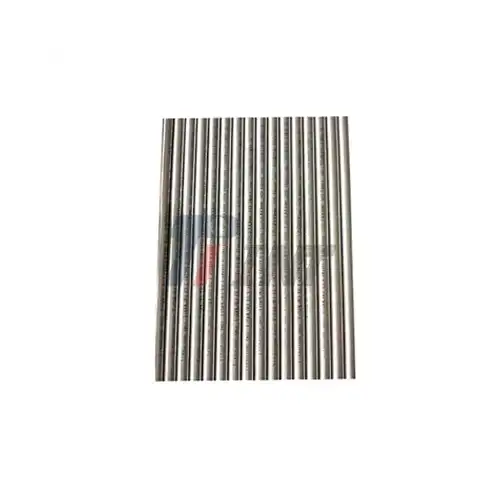
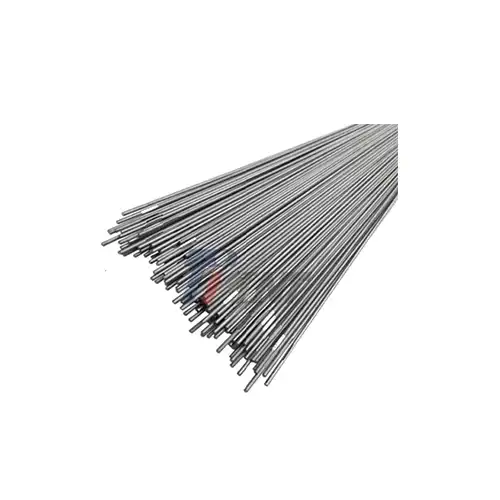
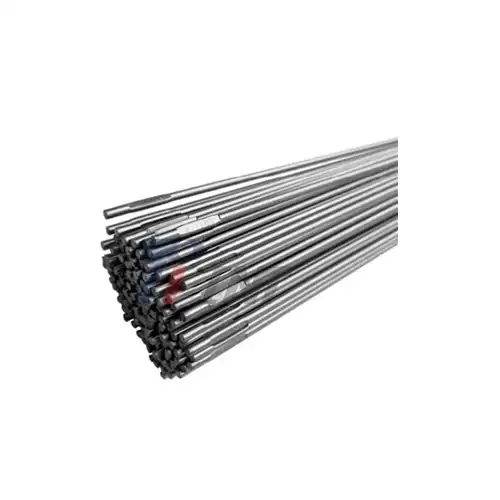
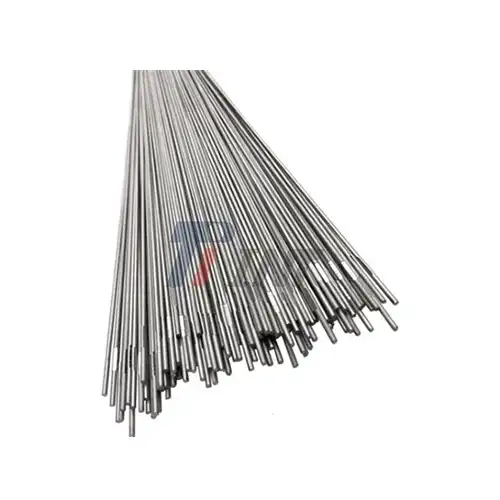
The Ti6Al4V titanium bar 8mm we sell is made from Grade 5 Ti6Al4V and meets the requirements of ASTM B348 and ISO 5832-3. It weighs about 0.223 kg, since it is 4.43 g/cm³ dense. It must be at least 895 MPa strong in tension and 825 MPa strong in yield, and it must be at least 10 percent longer than it is wide. You can't magnetize the metal, move heat very well, or mix it with water, body fluids, or many cleaning chemicals. It's only about 110 GPa stiff, which is a lot less than stainless steel's 190 GPa. This means that it doesn't help keep bones safe from stress. It's still important to read each batch certificate because the mechanical properties will change depending on the grade, condition, processing method, and heat treatment.
Standards and compliance considerations for medical device buyers
One use of ASTM B348 is for bars and billets made of titanium and titanium alloys. ASTM F136 talks about an alloy called wrought Ti-6Al-4V ELI, and ISO 5832-3 talks about wrought Ti-6Al-4V implant material. These are not the same, so make sure you know which one your device file or regulatory team needs. You should ask for records of mill tests, chemistry studies, mechanical test results, checks on length and width, heat numbers, and the ability to keep track of each batch. ISO 9001:2015, ISO 13485:2016, and the EU CE have all given their approval to Baoji INT Medical Titanium Co., Ltd. This gives buyers a written quality system they can use to find providers.
Use 1: Orthopedic and Surgical Implant Components
Why Ti6Al4V 8mm bar is selected for implant-related components?
The people who make medical parts want to make parts that are strong enough to hold weight without adding to it. Ti6Al4V is not as dense as stainless steel (4.4 g/cm³ vs. 8.0 g/cm³), but it is still very strong for how light it is. O2 doesn't break down in body fluids, so the layer is safe. For a long time, doctors have used it. Parts should be able to handle being stressed over and over again. When the modulus of elasticity is low, stress shielding can make the bone around a rigid implant weaker. It's over now. These things make the metal very well known, but that doesn't mean the government is okay with it. That will depend on the last part, the papers that go with it, and how it's made.
Typical components that may be machined from 8mm Grade 5 titanium bar
Tool shafts, precision bolts, small bone fixation pins, screws, studs, and forging or nail forms that fit inside the circle can all be used with a Ti6Al4V titanium bar 8mm. It also works for custom parts and experiments. What makes it work well is the finished width, the cutting room, the threads' shape, and the number of pieces that need to be made. It's hard to grind a 7.5 mm part, but it's easy to grind a 6 mm pin. Because our Ti6Al4V titanium bar 8mms can be cut to any length, shops can match the length of the bar to the part and lose less. You can polish or sandblast the surface as long as you do it the right way at the beginning.
Important validation requirements for implant applications
When working on implants, you need to be more accurate than when grinding. Take a look at ASTM F136, ISO 5832-3, or the standard your customer has chosen before you place your order. Keep an eye on the heat lots and bring in the chemical and technical cards. Many things should be checked, such as cleanliness, burr control, surface finish, inclusions, and measurement limits. Each batch record should have rules and laws written on it. ASTM B348 material should be used for other things if the company that made it doesn't say it can be used in implants. If you give the provider a short list of things they need to do, most problems will not happen again. Last but not least, check that the part is clean, strong, and not likely to break. Information about the parts that go into making the final product can't show how well it works on its own.
Use 2: Dental Implants and Dental Surgical Instruments
Advantages of 8mm Ti6Al4V round bar for dental components
When metal is in the mouth, things like saliva, water, cleaning products, and changes in temperature can stick to it. When used with the right standards, Ti6Al4V can be used for tools and parts of implants that can be used more than once. It is strong and light at the same time, and it doesn't rust. Machinists can clean, fix, turn, or grind the bar's surface after the process has been planned. Because dental parts are small, a Ti6Al4V titanium bar 8mm is often close to the right size. This makes less trash. Titanium doesn't harm living things, so it can be used for parts that touch skin. The company that makes dental products still needs to check the papers and standards, though.
Dental products commonly manufactured from small titanium bar
It is possible to make surgery handles, instrument shafts, lab fixtures, links, posts, and unique tools out of small titanium pieces. Some stores also make small parts for braces. When dental parts like implants, braces, and other dental parts are made, our Ti6Al4V titanium bar 8mm gives them a lot of choices. To get the right bar, you need to know what the rules are and what size it needs to be. Like, a driver shaft needs to be straight and have a different shape. When they quote, if you tell them about the model and standard, the materials will be the right size.
Surface finish and dimensional control for dental applications
How good or bad the surface is changes how much room there is for cutting, how accurate it is, and how clean it is. When you have a mill finish, you need to cut off more stock. Ti6Al4V titanium bar 8mms that have been ground and turned hold up gaps that are bigger. At first, polished bars feel smoother than sanded bars. You can have any finish you want, and we can polish or sandblast them. If you're buying small dental parts, you should make sure they are round, circular, accurate in diameter, and that there are no surface flaws. You can also choose whether you want bars that are one long piece or pieces that you can cut to the right length. Pick one before you place your order, because both will change how the item is packed and how much of it is lost.
Use 3: Surgical Instruments and Minimally Invasive Device Components
Why 8mm titanium bar is useful for surgical instrument manufacturing
A lighter handle or rod will help someone who is working long hours feel less tired. Iron and steel both weigh about 8 g/cm³, but Ti6Al4V is only 4.43 g/cm³. It also has a minimum tensile strength of 895 MPa, which means it doesn't stretch. Sometimes not being magnetic can be helpful, and the alloy doesn't rust when it's being cleaned or germ-free. In order to get their support, both doctors and companies that make tools need to handle things better. The finished tool still needs to be checked to make sure it cleans up well and doesn't have any germs on it. The features of the Ti6Al4V titanium bar 8mm only talk about the stuff, not the whole thing.
Examples of machined surgical instrument components
Ti6Al4V titanium bar 8mm is used to make handles, shafts, retractors, guide pins, endoscope parts, alignment tools, hardware, actuators, and connectors. This width is good for cross-machining, drilling, turning, or threading small parts. We can use it as a base to make things that we cast, machine, and finish ourselves. After getting the lengths they need, shops can cut parts quickly and with little waste. Send the seller the form for a pliers, scissors, or retractor as soon as you're done with it so they can check the thickness, finish, and specs. After that, the parts should be sent out.
Manufacturing and sterilization considerations
Titanium isn't very good at moving heat around, so it gathers around the edges. Don't let burrs and tool wear happen. Use sharp tools, steady water flow, slow speeds, and good chip air flow. Carefully remove the burrs, and then pick a finish like passivation, electropolishing, or anodizing. Sometimes, chemicals and steam can clean titanium, but you should still test the whole thing, including the coatings and joints. Material data alone isn't enough to replace tests that check for biocompatibility, durability, ease of cleaning, and repeated use. These checks shouldn't be added at the end; they should be part of the plan.
Use 4: Prosthetic and Rehabilitation Device Components
The value of Ti6Al4V 8mm bar in prosthetic hardware
People who wear prosthetics need to know their weight because they can feel every gram. Grade 5 titanium parts are lighter but strong, and they don't rust even when they get wet or sweaty. You can make fittings, joints, pins, and small pieces of structure with a Ti6Al4V titanium bar 8mm. If the width is small, that doesn't mean the load limit is met right away. When engineers build threads and parts, they have to think about how much weight each one can hold and leave some room for error. They can start their work with a known value when they use our ASTM B348 and ISO 5832-3 Ti6Al4V titanium bar 8mms.
Typical prosthetic and rehabilitation applications
Some of the parts that are used a lot are alignment pins, adjustment parts, treatment brackets, light frames, and spare parts. This is also a good spot for tests and parts made just for one patient. A shop can cut some Ti6Al4V titanium bar 8mm that is simple to machine without making any special tools. This works well for small amounts of special work. Even after a lot of use, these parts stay smooth and work well thanks to corrosion protection. The person buying the bar should make sure that the specs match the part drawing and the device's regulatory classification, just like they would when buying any other medical item.
Design points for load-bearing medical hardware
Before you choose a Ti6Al4V titanium bar 8mm, look at its static, dynamic, fatigue, and impact loads. Watch out for chips, threads, and corners that are too sharp. These can make stress build up, and the grooves can hurt titanium. For parts that need more work, hot-rolled bar is best. Because it is less accurate, cold-drawn, ground, or centerless-ground bar is harder to work with. While Ti6Al4V doesn't break down quickly, how well it works depends on how it's finished. Ask the supplier to write down how the bar is doing, and then look over the whole thing for wear and other problems that are specific to the use.
Use 5: MRI-Compatible, Diagnostic, and Medical Equipment Hardware
Why titanium is considered for selected diagnostic equipment?
Titanium comes in handy near imaging systems, labs, and places where things are cleaned since it isn't magnetic, doesn't rust, and isn't very dense. Iron and steel are ferromagnetic, which means they can change the shape of images or move when they are in strong magnetic fields. This metal is light, so it's simple to move. It can also handle water and a lot of different cleaners. With these traits, you can fix problems with handling, magnetic interference, and rust. But metal isn't always safe for MRIs. Because it depends on the job, the person who made the tools has to make the final choice.
Examples of equipment components made from 8mm titanium bar
For building or milling small parts, a Ti6Al4V titanium bar 8mm can be used. Lab instrument parts, pins, shafts, mounting hardware, adjustment knobs, connectors, and samples made just for you are some examples. Schools and innovation places with biotech teams and researchers also use this Ti6Al4V titanium bar 8mm to help them come up with new ways to treat illnesses. For a prototype run, you only need a few pieces of different lengths. Being able to change the lengths makes that simple. So that the bar is ready for the first step of the process when it gets there, tell your provider about the model, the finish, and the tolerances.
Compatibility and safety verification
To make sure it works right, you should check the size stability, cleaning, sterilization, RF heating, image interference, galvanic corrosion, magnetic reaction, and mechanical loads. Radiofrequency fields can heat up parts that can conduct electricity, so it's important to be able to do that. Putting wet Ti6Al4V titanium bar 8mm metal against wet metal can cause it to rust. Labels are not enough for any medical use that is taken care of or includes MRIs. You also need proof at the system level. Test the gear in real life with the person who made it, and keep track of each result to help with checks.
Conclusion
Ti6Al4V titanium bar 8mm is mostly used in medicine to make five different kinds of parts: dental parts, surgical instruments, prosthetic hardware, and diagnostic equipment fittings. It doesn't rust or break down, weighs only 4.43 g/cm³, and is safe to use. It can be pulled apart at least 895 MPa. With an 8mm diameter, it's easy to turn, drill, and thread small parts, and custom lengths help cut down on waste. Just because someone has a certain grade doesn't mean they are healthy. Different jobs use different sets of rules, such as ASTM B348, ASTM F136, and ISO 5832-3. These things: the bar's heat-lot records, its surface state, and its device-level proof can help you decide if it's right for the job. Sometimes titanium isn't safe for MRIs. The finished part needs to be checked to see how long it will last and how easy it is to clean. Rules, papers, and tests tell us how to use things safely.
FAQ
How much does an 8mm Ti6Al4V titanium bar weigh per meter?
The cross-section is 50.27 mm² and the mass is 4.43 g/cm³. This tells you how much a Ti6Al4V titanium bar 8mm weighs. Because of tolerances, ovality, and surface finish, this might not be exactly what you ordered. That weight should match the weight you asked for.
Is ASTM B348 Ti6Al4V bar suitable for medical implants?
ASTM B348 doesn't say whether an implant is good or bad. You might have to follow ASTM F136, ISO 5832-3, or some other set of rules for this kind of work using a Ti6Al4V titanium bar 8mm. You might also have to take a test, get permission from the government, and prove that you did a good job. Talk to the person who made the gadget or the law team to make sure you understand the rules before you place your order.
Can Ti6Al4V titanium bar 8mm be supplied in custom lengths?
Yes. From Baoji INT Medical Titanium Co., Ltd., you can get different lengths and paint jobs. You can get your own Ti6Al4V titanium bar 8mm pattern, have it finished, or sandblast it. In your first question, be clear about the length, number, standard, and range so that the quote fits your needs.
Request Ti6Al4V Titanium Bar 8mm from Baoji INT Medical Titanium Co., Ltd.
One of the certified titanium items that Baoji INT Medical Titanium Co., Ltd. sells is the Ti6Al4V titanium bar 8mm. To suit your needs, you can get it in any length and with a smooth or rough surface. Our Ti6Al4V titanium bar 8mm has been used for a long time. The EU CE, ISO 9001:2015, and ISO 13485:2016 have all accepted our goods. If you email export@tiint.com with your standard, length, and number, our team will get back to you with a price and more on the paperwork.
References
1. ASTM International, ASTM B348/B348M Standard Specification for Titanium and Titanium Alloy Bars and Billets, 2019
2. ASTM International, ASTM F136 Standard Specification for Wrought Titanium-6Aluminum-4Vanadium ELI Alloy for Surgical Implant Applications, 2013
3. International Organization for Standardization, ISO 5832-3 Implants for Surgery – Metallic Materials – Part 3: Wrought Titanium 6-Aluminium 4-Vanadium Alloy, 2021
4. ASM International, Materials Properties Handbook: Titanium Alloys, 1994
5. Progress in Materials Science, Ti Based Biomaterials, the Ultimate Choice for Orthopaedic Implants – A Review, 2009
6. Journal of the Mechanical Behavior of Biomedical Materials, Mechanical Biocompatibilities of Titanium Alloys for Biomedical Applications, 2008