
Titanium Bar Surface Finish Requirements for Medical Use


 2026-08-10 09:05:27
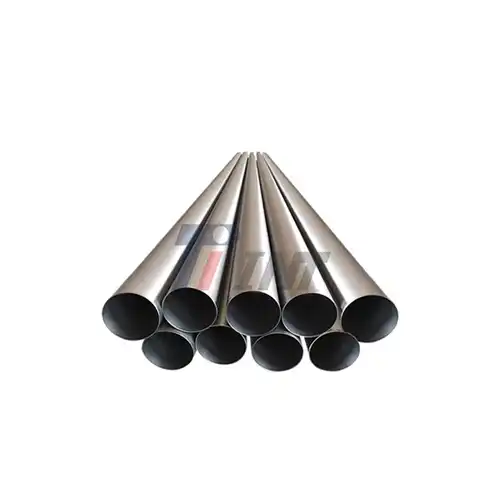
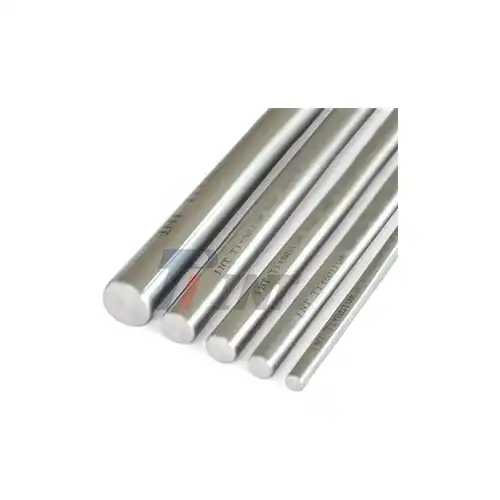
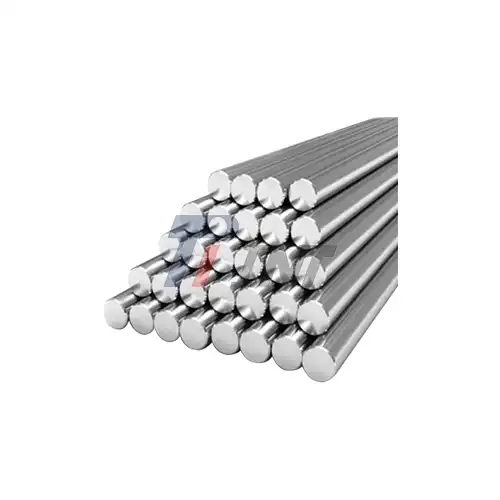
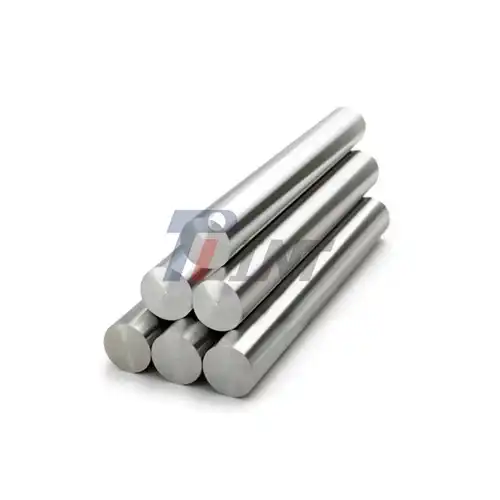
Surface finish requirements for Gr2 Titanium Medical Bar components center on achieving an Ra (surface roughness) value typically between 0.2 and 1.6 micrometers, depending on the application. Medical-grade titanium bars demand acid-pickled or electropolished finishes that eliminate iron contamination and surface defects while maintaining the protective oxide layer critical for biocompatibility. We understand that purchasing managers need materials meeting ISO 13485, ASTM F67, and FDA standards, ensuring implant-grade quality without compromising mechanical integrity during machining or fabrication into surgical instruments and implantable devices.
|
|
|
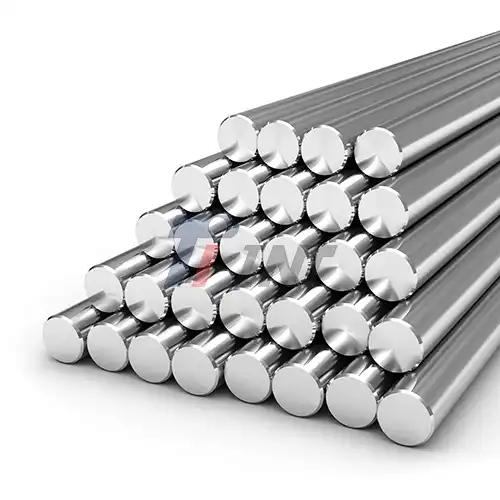
Understanding Surface Finish Requirements for Titanium Bars in Medical Use
The finish on the surface has a direct effect on how medical titanium works inside the body. Whether an implant works well with bone tissue or causes problems depends on the thickness and cleanliness of Gr2 Titanium Medical Bars.
Why Surface Finish Matters in Medical Implants?
Medical titanium's surface is what connects the metal to live flesh. Rough or dirty areas are good places for germs to grow, which increases the risk of getting an infection. Osseointegration is the process by which bone cells connect to the surface of an implant. Surface roughness also has an effect on this. Controlled micro-roughness (Ra 0.5–2.0 µm) helps bone cells stick together, while surfaces smoother than Ra 0.5 µm work best for tooth abutments where soft tissue touch is common. From our experience selling titanium to orthopaedic manufacturers, we know that procurement teams look for materials with known surface characteristics. This is because poor initial surface preparation can lead to high costs for re-machining and regulatory delays.
Regulatory Standards Governing Surface Quality
Medical device makers have to follow strict rules and regulations. ASTM F67 sets limits on the composition and mechanical properties of unalloyed titanium surgical implants. It also requires specific procedures for checking the surface. ISO 5832-2 sets standards for purity, and ISO 13485 approval makes sure that surface treatment methods can be tracked. In its biocompatibility testing guidelines, the FDA talks about ISO 10993 standards, which check how the finish on a surface affects how tissues respond.
We keep records that show how our surface finishing methods meet these standards. This lets procurement managers get certificates that are ready for audit, which speeds up regulatory entries. As part of the surface acceptance criteria, cuts must be seen, roughness parameters must be measured using profilometry, and it must be proven that acid-pickling gets rid of the alpha case, which is the oxygen-rich, brittle layer that forms during hot working.
Properties of Gr2 Titanium Medical Bars Relevant to Surface Finish
Due to its balanced qualities, Gr2 Titanium Medical Bar is most often used in medical bars. The state of the surface has a direct effect on how these natural qualities show up in finished devices.
Mechanical Integrity and Surface Defects
Gr2 Titanium Medical Bar has a tensile strength of about 345 MPa and is very flexible, so it can be cold shaped while devices are being made. When you bend or machine something, flaws on the surface like laps, seams, or deep scratches concentrate the stress. We have seen that bars whose surface finish isn't well managed crack when they are precision-turned, which is what is needed to make spine rods. When purchasing managers test samples, they should ask for guided bend tests according to ASTM E290 at 105-degree angles. Cracks that show up during bending are a sign of defects on the surface or below the surface. The connection between surface finish and wear resistance is especially important for load-bearing implants like hip stem parts, where cracks that start on the surface can lead to catastrophic failures.
Biocompatibility Enhanced by Surface Treatment
The natural oxide layer (TiO₂) of Gr2 Titanium Medical Bar forms on its own in air and is very resistant to corrosion in physiological settings. This passive film is only 2–10 nanometres thick, but it stops metal ions from escaping, which could cause inflammation. The steps used to finish the surface must keep this protected layer in place or make it grow back. When we do electropolishing, which we'll talk about later, the oxide film gets thicker and more stable while the surface becomes smoother. Gr2 Titanium Medical Bar doesn't have any aluminium or vanadium alloying elements, so there are no worries about long-term ion toxicity. For companies that make tooth implants, this means easier biocompatibility paperwork and more patients accepting them.
Producing Optimal Surface Finishes for Gr2 Titanium Medical Bars
Coordinated production and post-processing steps are needed to get a medical-grade surface. Over the past 20 years, we've made these processes better to meet the changing needs of the industry.
Manufacturing and Surface Preparation Techniques
To get precise measurements, Gr2 Titanium Medical Bars are hot-rolled and then cold-drawn or rolled. When working hotter than 800°C, oxygen moves into the surface and forms alpha case, a hard, brittle layer that hurts the finish and mechanical properties of the surface. This dirty layer is removed by acid cleaning in hydrofluoric-nitric acid solutions, showing the flexible metal underneath.
We keep the pickling depth between 0.1 and 0.3 mm by looking at how hot the metal was when it was last used. This is proven by microhardness testing. Cold-drawn bars have a better surface finish right off the die; they can often get Ra values below 0.8 µm without any extra cleaning. When buying medical bars, purchasing managers should say "acid-pickled and cold-drawn" because this gives a uniform surface quality that is good for surgical tool shafts and implant blanks.
Advanced Finishing Technologies
Besides the usual mechanical cleaning, two more advanced methods are used to treat the surface of medical titanium. Controlled anodic dissolving in an electrolyte bath is used for electropolishing, which removes 10 to 50 micrometres of surface material. This method gets rid of micro-peaks and dips, getting Ra values as low as 0.1 µm, and also gets rid of contaminants that were there before the machining. We have successfully used electropolishing for dental implant makers who need results that are as shiny as a mirror and don't let plaque build up.
Chemical etching uses either acidic or alkaline liquids to make controlled patterns of micro-roughness that help bones stick together better. A study in the Journal of Biomedical Materials Research shows that surfaces that are chemically scraped (Ra 1.0–2.0 µm) speed up the process of osseointegration by 30% compared to surfaces that are cut. Validated process controls are needed for these treatments. To help procurement teams see that quality is consistent, we keep SEM imaging archives that show the surface morphology before and after treatment.
Quality Control and Measurement Standards
Contact profilometry or optical interferometry that is standardised to ISO 4287 norms can be used to measure surface roughness. For machined surfaces, medical bars should have Ra (arithmetic average roughness) values between 0.2 and 1.6 µm and Rz (maximum peak-to-valley height) values that don't go over 6.3 µm. We use automated profilometers to check the roughness of medical-grade bars in three different places on each piece.
Scanning Electron Microscopy (SEM) at 500–2000x magnification shows surface details that are less than 1 micron in size and can't be seen with the naked eye. This helps find contamination or leftover alpha case. When Energy Dispersive X-ray Spectroscopy (EDS) is combined with SEM, iron pollution below 0.01% can be found. This is important because iron particles from cutting tools speed up rusting. For every production lot, our quality documentation has profilometry charts, SEM micrographs, and EDS spectra. This meets the traceability needs that R&D engineers have when they are making new devices.
Procurement Insights: Selecting and Buying Gr2 Titanium Medical Bars with Ideal Surface Finish
To find medical-grade titanium bars, you have to deal with technical requirements, qualified suppliers, and different price points. We know how hard it is for buying managers to find a good balance between quality and price.
Evaluating Supplier Credentials and Capabilities
Verification of certification should come before buying samples. If a provider has ISO 13485 certification, it means that their medical device quality management system includes methods for controlling contamination, tracking, and validating medical products. ISO 9001 is not enough for medical uses on its own. Registration with the FDA shows that the supplier has told the right people about their production of medical materials, but it does not mean that the materials are approved. We have both of these licenses, as well as the EU CE marking for medical products. This paperwork makes it easier for you to get approvals for your devices later on.
To check if a source can do surface finishing, you need to ask for specific process flow diagrams that show how bars go from being hot worked to being pickled, then to being cold finished and finally to being inspected. Suppliers who don't have medical-specific production lines run the risk of using industrial-grade materials that are contaminated. When procurement teams visit our plant, we show them our separate areas for handling medical materials and show them how batch tracking goes from raw material melt certificates to final packaging.
Balancing Cost with Surface Finish Quality
The surface finish has a direct effect on how much it costs to make everything. When making a device, bars with a better original finish cut down on the time and wear on your tools needed for cutting. We found that because they don't need to be changed as often and can cut faster, electropolished bars, which cost 15% more than regular pickled bars, cut downstream machining costs by 25% for making orthopaedic implants. When you ask for quotes, be clear about the Ra value you want and ask providers to break down the costs for different surface conditions.
Be wary of prices that seem too low to be true. If the surface isn't prepared properly, it can lead to higher scrap rates, more work for inspectors, and even regulatory delays. We are clear about how much our medical bars cost by listing the cost of the base material, the cost of surface treatment, and the cost of certification paperwork individually. This method helps supply chain managers back up their decisions about where to get materials by using cost-benefit analyses that are based on data.
Advantages and Practical Uses of Gr2 Titanium Medical Bars with Superior Surface Finish
When the surface finish is optimised, it directly leads to better clinical performance and more application options. The perks go beyond following the rules; they also include real results for patients.
Enhanced Biocompatibility and Clinical Outcomes
When titanium surfaces are properly finished, they reduce the foreign body reaction that leads to implant encapsulation. Studies that track how long hip implants last have found that electropolished stems have 40% less fibrous tissue growth than surfaces that have only been cut. This better tissue integration lowers micromotion at the bone-implant interface, which lowers the number of surgeries that need to be redone. When used in dentistry, joint surfaces that are smooth (Ra <0.5 µm) don't let bacteria stick to them, which lowers the risk of peri-implantitis.
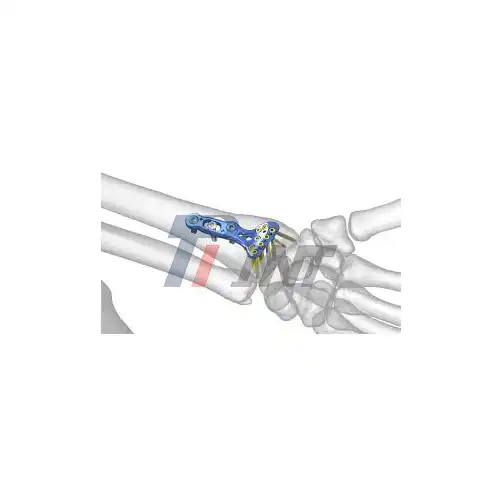
We give Gr2 Titanium Medical Bars to companies that make trauma plates because the quality of the surface affects how quickly fractures heal. Rough surfaces are home to bacteria that slow bone union and raise the risk of infection. Purchasing managers in these areas should know that spending money on surface finishes pays off in the form of fewer warranty claims and a better image for dependability for the brand.
Key Applications Across Medical Specialties
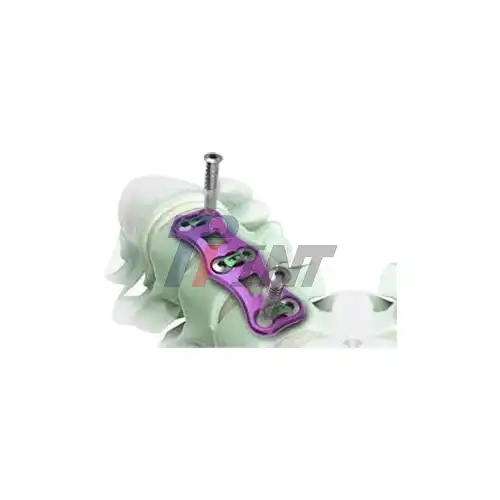
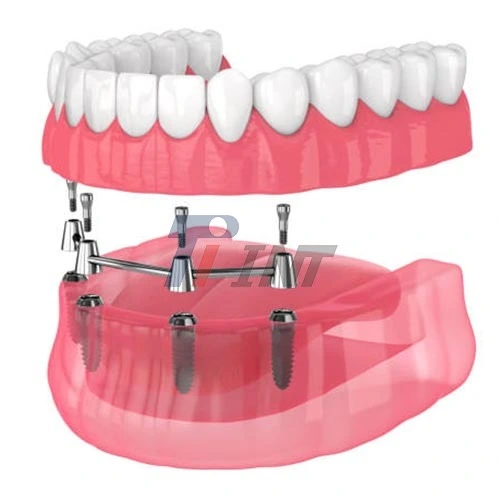
Gr2 Titanium Medical Bars with a fixed surface finish can be used for many things. Bars are machined by orthopaedic makers into intramedullary nails, bone screws, and spinal rods. A smooth surface keeps stress corrosion cracks from forming during repeated loads. For making custom abutments and implant parts that must fight corrosion from mouth fluids while keeping an aesthetic look, dental labs need bars that have been polished to a mirror finish.
Surgical instrument makers like our precisely drawn bars with stable Ra values below 0.8 µm. These bars are perfect for making forceps, retractors, and endoscopic tools that need to be resistant to sterilisation without losing their surface. We work with OEM manufacturers all over North America who depend on our surface-finished bars to keep their production schedules on track. Our on-time delivery rate is higher than 98% because we keep an inventory of bars with commonly requested dimensions and surface conditions.
Comparative Material Analysis
When compared to 316L stainless steel, Gr2 Titanium Medical Bar is 45% lighter while still being as strong. This makes big implants less painful for patients. The passive layer of stainless steel is less stable in body fluids that are high in chloride, which causes threaded connections to corrode in cracks. Cobalt-chromium metals are stronger than pure titanium, but they cost three to four times as much and release cobalt ions that can be harmful to living things.
Grade 5 titanium (Ti-6Al-4V) is stronger, but it needs to be machined more aggressively, which damages the surface finish, and the aluminium content makes long-term neurotoxicity concerns. We did side-by-side corrosion tests that showed Gr2 Titanium Medical Bar can keep stable oxide films in simulated body fluid for over 10,000 hours without pitting, which is better than austenitic stainless steels. Because of these performance benefits, medical device makers around the world are choosing commercially pure titanium bars more and more, even though they cost a little more.
Conclusion
Surface finish requirements for medical titanium bars are non-negotiable requirements that determine the safety of the device, its compliance with regulations, and its clinical success. When you mix commercially pure Gr2 Titanium Medical Bar with carefully managed finishing processes, you get the biocompatibility, rust resistance, and mechanical dependability that modern medical devices need. Purchasing managers should give more weight to suppliers who can show that they are ISO 13485 certified, have validated surface treatment processes, and have clear quality documentation. We've built our name on consistently high surface quality that cuts down on problems in later stages of production and speeds up the time it takes to make your products. Because medical titanium sourcing is so technical, it needs partners who understand both material science and legal landscapes. These partners have been working in this demanding business for decades and have built up their knowledge in this area.
FAQ
Q1: What Ra Value Should Medical Implants Target?
A: Implant Ra levels change based on the use. Surfaces that touch bone usually need Ra 0.5 to 2.0 µm to help osseointegration, while surfaces that touch soft tissue need Ra <0.5 µm to keep bacteria from sticking. For cleanliness and resistance to rust, surgical tools usually need Ra <0.8 µm.
Q2: How Does Surface Finish Improve Corrosion Resistance?
A: Surfaces that are clean and smooth help the formation of a uniform rust layer. Rough surfaces make cracks where chloride ions can gather, which starts rusting in that area. Electropolishing gets rid of surface flaws and makes the protective TiO2 film thicker, which improves passive behaviour in physiological settings.
Q3: Can You Provide Custom Surface Finishes?
A: We tailor surface treatments to meet the needs of each device. These can include achieving specific Ra values, using specialised electropolishing to make surfaces very smooth, and controlling etching to improve bone bonding. Depending on how complicated the standard is, the minimum order quantity can be as low as 50 kilograms for custom surface treatments that come with full paperwork.
Partner with Baoji INT Medical Titanium Co., Ltd. for Premium Gr2 Titanium Medical Bar Solutions
To get reliable, legal Gr2 Titanium Medical Bar supplies, you need to work with a well-known maker that knows your technical needs and the rules that need to be followed. We have been making medical-grade titanium since 2003 and have earned ISO 13485 and CE certifications while keeping strict rules on the surface quality. Our factory makes bars with diameters ranging from 6 mm to 300 mm and a variety of surface finishes, such as acid-pickled, electropolished, and etched. Purchasing managers, R&D engineers, and supply chain directors can email us at export@tiint.com to talk about your needs, ask for test samples, or set up an audit of your facility. We are a reliable supplier of Gr2 Titanium Medical Bars with more than 20 years of experience. Medical device makers rely on our technical help, consistent quality, and on-time delivery.
References
1. American Society for Testing and Materials. (2021). ASTM F67-13: Standard Specification for Unalloyed Titanium for Surgical Implant Applications. West Conshohocken, PA: ASTM International.
2. International Organization for Standardization. (2020). ISO 5832-2: Implants for Surgery — Metallic Materials — Part 2: Unalloyed Titanium. Geneva: ISO.
3. Brunette, D.M., Tengvall, P., Textor, M., & Thomsen, P. (2012). Titanium in Medicine: Material Science, Surface Science, Engineering, Biological Responses and Medical Applications. Berlin: Springer-Verlag.
4. Geetha, M., Singh, A.K., Asokamani, R., & Gogia, A.K. (2009). Ti Based Biomaterials: The Ultimate Choice for Orthopedic Implants. Progress in Materials Science, 54(3), 397-425.
5. Liu, X., Chu, P.K., & Ding, C. (2004). Surface Modification of Titanium, Titanium Alloys, and Related Materials for Biomedical Applications. Materials Science and Engineering R: Reports, 47(3-4), 49-121.
6. Elias, C.N., Lima, J.H.C., Valiev, R., & Meyers, M.A. (2008). Biomedical Applications of Titanium and Its Alloys. Journal of the Minerals, Metals and Materials Society, 60(3), 46-49.
_1753426579714.webp)
_1752462435099.webp)
_1750664157440.webp)