
Differences between milled titanium and other materials for dental bars


 2026-08-10 09:05:32
When procurement managers and R&D engineers choose implant bar materials, they have to make a big choice that affects how well patients do, how efficiently the bars are made, and how much they cost in the long run. A milled titanium bar dental solution stands out because it has a better passive fit and doesn't have the micro-distortions that come with cast options. It also has the best biocompatibility and mechanical integrity. Precision CNC-machined titanium bars, unlike cobalt chromium or zirconia, have a uniform structure that is homogeneous and doesn't have any holes in it. This makes them reliable for use in full-arch restorations where a strain-free implant link keeps bone from breaking down and screws from coming loose.
|
|
|
Understanding Milled Titanium Dental Bars
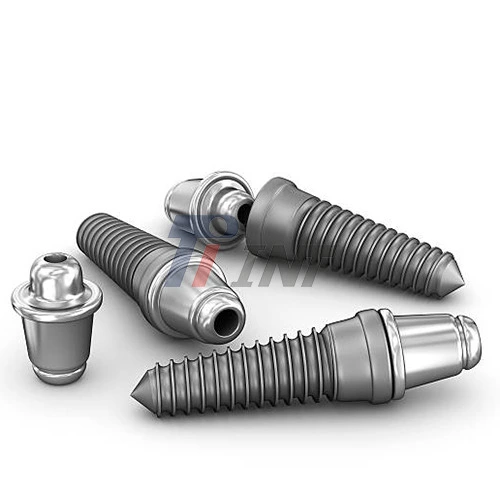
There has been a big change in the dentistry business toward precise production, and milled titanium frames are a great example of this. CAD/CAM subtractive milling is used to make these bars from solid titanium blanks, which is very different from the old lost-wax casting method.
How CNC Milling Creates Superior Precision?
With accuracy down to the micron level, CNC cutting tools take away material from titanium blocks that have already been made. Common casting flaws like porosity, inclusions, and shrinking distortion are taken care of by this method. We've worked in the titanium business for 30 years and seen how milling technology can achieve limits of less than 10 microns. This is very important when connecting multiple implants without putting mechanical stress on osseointegrated fittings.
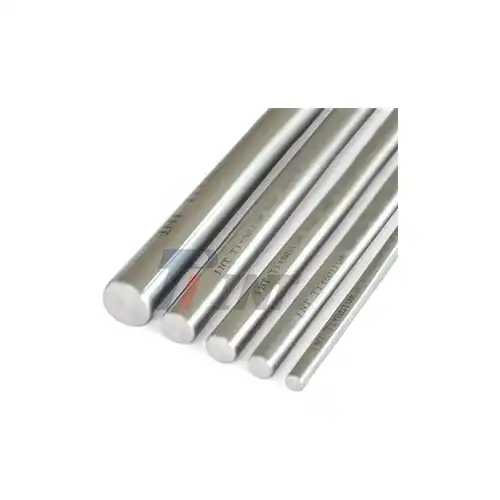
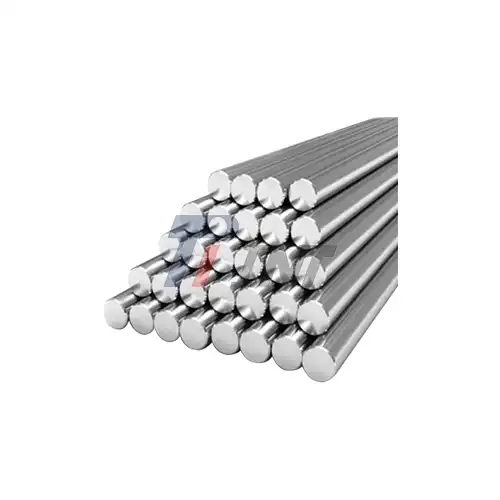
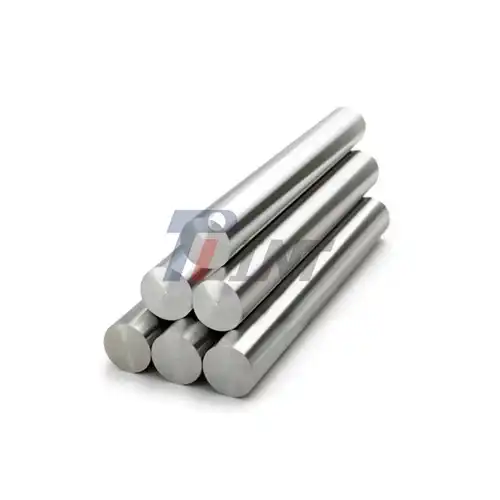
Before milling can happen, the implant sites are digitally scanned to make a virtual design that takes into account curves that aren't straight. It is then cut out of Grade 5 (Ti-6Al-4V) or Grade 23 (Ti-6Al-4V ELI) titanium billets by multi-axis CNC tools. This way of subtractive manufacturing keeps the metallurgical qualities of the material and keeps the structure's overall tensile strength above 860 MPa.
Core Advantages in Clinical Applications
Titanium is still the most biocompatible metal, and over 50 years of clinical proof backs up its ability to fuse with bone. The material's inactive oxide layer forms on its own, making a stable interface that keeps germs from growing, which is important for keeping the area around the implant healthy. Weight is also important. Titanium's density (4.5 g/cm³) makes prosthetics 40% lighter than cobalt chromium options, which makes patients more comfortable during All-on-4 or All-on-6 procedures.
Corrosion protection is very important in the harsh conditions of the mouth. Titanium can survive the harsh conditions created by saliva's pH changes, enzyme activity, and chloride contact for a long time. Our ISO13485:2016-certified production makes sure that this resistance stays in every bar by using strict quality control procedures such as electrochemical tests and accelerated aging models.
Typical Deployment Scenarios
Implant-supported frames are the main use, and they can be used for both fixed hybrid prosthetics and removable overdentures. In fixed situations, the bar, which is covered in acrylic and has false teeth on it, works as a solid backbone that can handle forces of up to 800 Newtons. Milling makes it possible to make complicated shapes with features like variable thickness profiles and exact placement of Locator or Hader clips, which are hard to do by hand.
For people who have lost a lot of ridges and need to be able to clean their teeth, detachable designs use milled bars with parallel walls or custom connection profiles. The precise fit lets the friction-grip stay in place without using too much force, which protects the health of the implant and gives the lip support it needs. These designs need dimensions to be accurate to within 20 microns, which can only be done with modern milling technology.
Comparative Analysis of Milled Titanium vs Other Dental Bar Materials
Material selection directly impacts clinical results, production efficiency, and total ownership costs. Knowing how milled titanium bar dental stacks up against other options helps buying teams make smart choices that meet the needs of both output and patients.
Zirconia: Aesthetic Excellence with Structural Limitations
Zirconia has great translucency, which makes it perfect for front repairs where looks are important. The white color of this clay material covers up the graying of the gums that you can see with metal frames. Zirconia is very fragile, which makes it hard to use in implant bar uses where bending strength under dynamic loading is important.
The material's fracture toughness is much lower than titanium's (55–115 MPa√m), which means it can't be used for long-span bridges or cases with strong biting forces. Because zirconia is so hard, it needs special tools to be milled, which increases production costs and wait times. Zirconia is good for single-unit implants, but titanium is more reliable in multi-implant frames that need to be strong and absorb shock.
Cobalt Chromium: Cost Efficiency with Weight Penalties
For this reason, cobalt-chromium metals are still used in dental laboratories: they are strong enough and don't cost too much. These metals have a tensile strength of about 700 MPa and a corrosion protection that is good enough for most situations. Procurement managers who are watching their budgets often look at this choice for common removable frameworks.
The main problem is that they are heavy—cobalt chromium's mass (8.5 g/cm³) is almost twice that of titanium's, which makes long-term wear uncomfortable for patients. Some versions have been said to be sensitive to nickel, which raises biocompatibility issues that aren't present with titanium. Casting methods used in manufacturing can cause porosity problems that need to be checked with X-rays, which adds to the time needed for quality control. When comparing passive fit accuracy, the difference in technology is clear: cast bars often need to be adjusted at the chairside, but precision-milled titanium bars seat without any changes.
Stainless Steel: Legacy Material with Modern Shortcomings
In the early days of implant surgery, stainless steel was useful, but it's not as useful now. It doesn't prevent corrosion well enough for lasting oral implants, but it's good enough for surgery tools. Some defense is provided by chromium content, but pitting rust happens when exposed to chloride for a long time, which is certain to happen in the mouth.
The mechanical features aren't up to date; for example, the tensile strength of about 600 MPa isn't enough for thin bar shapes. Magnetic interference with MRI diagnostics adds to the problems, so it can't be used on people who need regular screening. Even though titanium is more expensive than other materials, the clinical risks and patient unhappiness make it worth it, especially when you look at the long-term success rates of implants.
3D Printed Metal Materials: Emerging Technology Under Evaluation
Selective laser melting (SLM) and electron beam melting (EBM) technologies have made additive manufacturing useful in dentistry. These methods make titanium structures layer by layer from powder input, which gives designers more freedom than milling alone. But factory teams should know what the current limits are before deciding to use printed frames.
The surface roughness from 3D printing is higher than that from milling (Ra = 0.4 to 0.8 microns), so a lot of work needs to be done afterward. Even though the method has been improved, internal porosity is still a problem. This could make fatigue resistance worse in uses that are loaded and unloaded many times. Material waste seems small compared to milling's subtractive method, but handling powder and buying the right tools costs more than with traditional CNC sets. For production rates higher than 50 units per month, milling still offers efficiency benefits and has been shown to be consistent with metals.
It's clear from the comparison why smart makers choose cut titanium for important uses. The basics of material science, like strength-to-weight ratio, rust resistance, and biocompatibility, come together with precise production to make the best clinical results.
Key Decision Factors When Choosing Dental Bar Materials
Professionals in procurement have to look at more than just the original cost of materials. To make smart choices, you need to know how each factor affects the manufacturing process, the prosthetic's performance in the body, and the patient's happiness over its entire life.
Durability and Mechanical Performance
The load-bearing capacity of a framework affects its usefulness in tough situations, such as bruxism cases or minimal implant designs. ISO 14801 testing procedures show that titanium's fatigue resistance can survive more than 10 million load cycles at stress levels higher than normal mastication forces. This durability keeps mechanical breakdowns from happening, which would require expensive repairs or patient recalls.
When the implant and support have the same elastic modulus, stress is spread out less at the link points. Titanium's 110 GPa modulus makes it more like implant fixings and spreads forces more widely than zirconia's 200 GPa modulus. This biomechanical compatibility means that implants will last longer, which is very important for makers who care about their image.
Biocompatibility and Patient Safety
Even though allergic responses to tooth materials are rare, they can be very expensive to treat. Titanium is very biocompatible because it has an inactive oxide layer. In millions of patients, recorded cases of hypersensitivity have almost never happened. Nickel, on the other hand, is a carcinogen that affects 10-15% of people and is found in many forms of cobalt chromium.
Tissue integration is more than just tolerance; titanium's surface properties encourage direct bone attachment without fibrous tissue in the way. This osseoconductive feature, which can be improved by acid etching or anodizing the surface, speeds up the mending process and makes the connection between the implant and bone stronger. Partners in manufacturing who are focused on high-quality results know that this biological edge supports choosing a certain material, even if it costs more or less.
Cost-Effectiveness and Total Ownership Analysis
Unit prices for materials don't tell the whole story; a full review looks at things like how well the product is made, how often it is rejected, and how much it costs for medical complications. Milled titanium bar dental costs more than cobalt chromium for its raw materials, but its better passive fit removes the need for chairside adjustments, which cuts lab labor costs by 30–40%.
Volume prices on titanium billets make buying in bulk even more cost-effective. From working with medical device makers, we know that when contracts go over 100 units every three months, tier pricing structures become available. This makes the price difference between different materials smaller. When guarantee claims from early fails or unhappy patients are taken into account, titanium's durability leads to lower total ownership costs over the course of 10 to 15 years of prosthetic use.
Manufacturing Flexibility and Lead Times
Production schedules affect how well you handle your goods and how happy your customers are. Milling titanium bars takes between 4 and 6 hours of machine time per framework, depending on how complicated it is. Casting, on the other hand, takes between 48 and 72 hours of investment and burnout cycles. This speed edge makes just-in-time manufacturing possible, which frees up working cash that would otherwise be used to buy inventory.
Customization options are also important; CAD/CAM processes can handle patient-specific shapes without having to change the tools needed for casting. Digital changes to the design let engineering teams find the best bar shapes for different clinical situations, like full-arch restorations, cantilever extensions, or hybrid connection systems, without having to wait for production to start. This flexibility helps OEM partners who need quick prototypes or small batches of specialized goods.
Procurement Insights for Milled Titanium Dental Bars
Deciding where to get goods affects their quality, the dependability of the supply chain, and how well they rank in the market. To make smart purchases, you need to know about the certification standards, supplier evaluation factors, and market trends that are unique to medical-grade titanium parts.
Supplier Certification and Compliance Standards
Medical gadget laws require that there are quality methods that can be checked all along the supply chain. If a company has ISO13485:2016 approval, it means they keep design controls, process validations, and traceability methods that are right for implantable materials. The fact that our building is certified under both ISO9001:2015 and ISO13485:2016 shows that we are dedicated to meeting both general quality management standards and medical-specific standards.
The EU CE mark shows that a product meets the safety and performance standards set by the European Medical Device Regulation (MDR). This is important for companies that want to sell their goods in other countries. Manufacturers should ask for certification papers when they are qualifying a supplier to make sure that the scope covers the right types of products and is up to date. Every package should come with material certificates that show the grade of titanium, its chemical makeup according to ASTM F136 or F1472 standards, and the results of mechanical property tests. This way, the materials can be tracked back to their original mill sources.
Customization Options and Order Specifications
Standard bar shapes can be used for many things, but in some cases, they need to be changed in size or the way they are attached, which isn't possible off the shelf. Capable suppliers offer engineering help that turns clinical needs into plans that can be made. This includes finite element analysis to make sure the structure will hold up under the expected loads.
Different manufacturers have different minimum order amounts. Building relationships with providers who are open on batch sizes can help new businesses or facilities that are trying out new practices. Our customization services can handle anything from single prototypes to production volumes of more than 500 units per month. They are backed up by experienced CAD engineers who know how to work with dental implant systems from major makers. This variety lets research and development teams make changes to designs quickly without having to worry about how to get them.
Logistics and Pricing Considerations
Handling during shipping can damage fragile precision parts, so sellers should use protected packaging to keep the dimensions from changing while the goods are being shipped. Options for fast delivery are useful when unexpected demand throws a wrench in production plans or when a lack of materials puts deadlines at risk. Our normal wait time is 10–14 business days, but for pressing orders, it can be cut down to 5–7 days while still keeping quality through proven rapid-processing methods.
Prices usually take into account the cost of materials, the time it takes to run the machine, and the need for surface cleaning. From $150 to $400 per unit, milled titanium bars vary on their size, complexity, and the number of units ordered. Increasing the number of units committed each year gives you more negotiating power. For example, buying teams that commit to 200 or more units each year can often get 15-20% savings along with faster lead times and better technical support services. When sellers understand these factors, they can make deals that maximize value while ensuring supply continuity.
Case Studies and Practical Recommendations
Implementation experiences in the real world can teach manufacturers a lot about how to handle material changes or supply chain optimization projects. These cases show how business results that can be measured are affected by strategic decisions about milled titanium frameworks.
Successful OEM Implementation
Over the course of 18 months, a medium-sized dentistry lab that worked with 40 dentists switched from casting cobalt chromium to polished milled titanium bar dental. Cost rises and disruptions to work flow were the main worries at first, but systematic execution reduced these risks. The lab worked with a titanium supplier that taught technicians how to use digital design software and combine CAD and CAM, which made it easier for them to prepare cases quickly.
The results were better than expected. Based on feedback on comfort and fit, patient happiness scores went up 22%, and the number of remakes dropped from 8% to less than 2%. The lab's reputation for high-quality repairs meant that case fees had to go up by 18%, which helped to cover rising material costs and boost profits. This result shows that better quality creates chances to stand out in places with lots of competition.
Avoiding Common Procurement Pitfalls
A dental device startup ran into delays when their first provider had trouble keeping supply promises while they were growing. Poor inventory management and not enough production capacity caused bottlenecks that slowed down product launches. The company's new sourcing strategy focused on providers that had shown they could grow with the business. This was confirmed by building audits that looked at machine capacity, staff size, and material procurement systems.
Setting up backup suppliers stopped single-source vulnerabilities and made sure that business kept going when main suppliers had minor problems. This method of dual-sourcing, along with reviewing performance measures every three months, kept supply lines stable and allowed for steady growth. Similar strategies should be used by procurement teams to lower risks, especially when the success of a product depends on materials being available all the time.
Best Practices for Quality Assurance
Before joining production workflows, incoming inspection procedures make sure that parts that have been bought meet the requirements. Dimensional testing using coordinate measuring machines (CMM) proves critical features like implant link ports fall within tolerance bands. Surface roughness testing confirms that surface quality affects how tissues respond and how well artificial cement stays in place.
Keeping test reports and certificates for materials on file helps with regulatory audits and traceability investigations. Putting paperwork in order by lot number and production date makes it easier to respond quickly to questions or comments about quality that come up in the field. These practices, standard in our quality management system, protect producers from compliance issues while showing due diligence to regulatory authorities and clients alike.
Conclusion
Finding the best materials for milled titanium bar dental bars that are supported by implants means finding a balance between clinical performance, industrial speed, and cost. When compared to cast alternatives, zirconia, or new 3D printed choices, milled titanium frames offer better passive fit, biocompatibility, and mechanical reliability. Cobalt chromium is cheaper at first, but titanium's longevity and patient comfort make it worth the extra cost for makers who care about quality. When making purchasing choices, it's important to look at a supplier's licenses, customization options, and supply chain dependability to make sure that products are always of good quality and delivered on time, which helps the business grow.
FAQ
Why does milled titanium outperform cast titanium bars?
Milling from solid billets gets rid of flaws in casting like porosity and shrinking, allowing passive fits within 10 microns. Due to differences in size, cast bars often need to be adjusted at the chairside, which increases the cost of labor and risks the connection between the bar and the implant. Because milled parts have a uniform structure, their mechanical properties can be predicted, and there are no weak spots caused by casting voids.
Are milled titanium bars compatible with all implant systems?
In fact, CAD/CAM technology can work with attachment designs from Nobel Biocare, Straumann, and Zimmer Biomet, among others. Accurate digital libraries with implant component measurements make milling of compatible connections possible. Before production, suppliers should do actual proof testing on the libraries to make sure they are correct.
How do costs compare between titanium and alternative materials?
Milled titanium bars generally cost 25-40% more than cobalt chromium originally, yet lower remake rates and reduced adjustment time narrow total cost differences. Titanium's value argument gets stronger when you think about its 10-15 year service life and the benefits to patient happiness. Through negotiated price systems, buying in bulk lowers unit costs even more.
Partner with a Trusted Milled Titanium Bar Dental Supplier
Baoji INT Medical Titanium Co., Ltd. has been making medical-grade titanium products for over 30 years and works with dental device makers who need accuracy and dependability. Our ISO13485:2016 and EU CE approved factories use cutting edge CNC milling technology to make unique titanium bars that meet the highest quality standards. Our engineering team can help you with all aspects of technical issues, from improving your design to making a lot of them, whether you need Grade 5 Ti-6Al-4V or Grade 23 ELI titanium in standard or special shapes. Email our experts at export@tiint.com to get samples, talk about your unique needs, or find out how our milled titanium bar dental solutions can improve the performance and market place of your product line.
References
1. Osman, R.B., & Swain, M.V. (2015). "A Critical Review of Dental Implant Materials with an Emphasis on Titanium versus Zirconia." Materials, 8(3), 932-958.
2. Geetha, M., Singh, A.K., Asokamani, R., & Gogia, A.K. (2009). "Ti based biomaterials: the ultimate choice for orthopedic implants – A review." Progress in Materials Science, 54(3), 397-425.
3. Sailer, I., Mühlemann, S., Zwahlen, M., Hämmerle, C.H., & Schneider, D. (2012). "Cemented and screw-retained implant reconstructions: a systematic review of the survival and complication rates." Clinical Oral Implants Research, 23(6), 163-201.
4. Jemt, T., & Johansson, J. (2006). "Implant treatment in the edentulous maxillae: a 15-year follow-up study on 76 consecutive patients provided with fixed prostheses." Clinical Implant Dentistry and Related Research, 8(2), 61-69.
5. Elias, C.N., Lima, J.H., Valiev, R., & Meyers, M.A. (2008). "Biomedical applications of titanium and its alloys." Journal of Materials, 60(3), 46-49.
6. Wataha, J.C. (2000). "Biocompatibility of dental casting alloys: A review." Journal of Prosthetic Dentistry, 83(2), 223-234.
_1752819172472.webp)
_1750210148763.webp)