
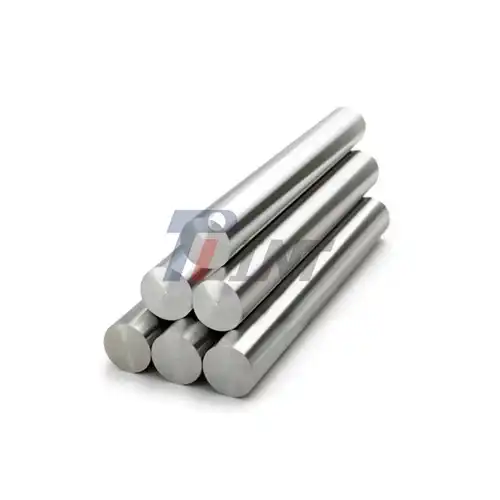
Titanium Rod vs Titanium Bar: Which One Fits Better


 2026-07-28 16:28:59
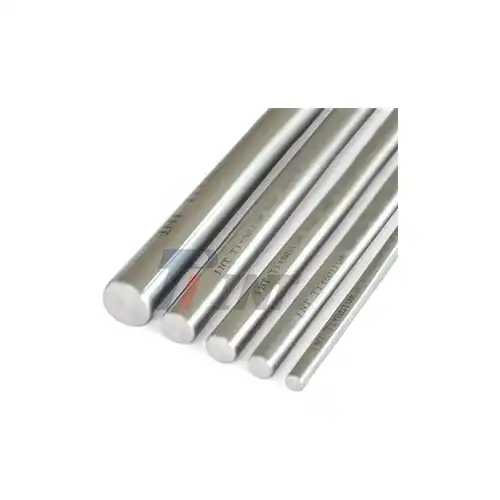
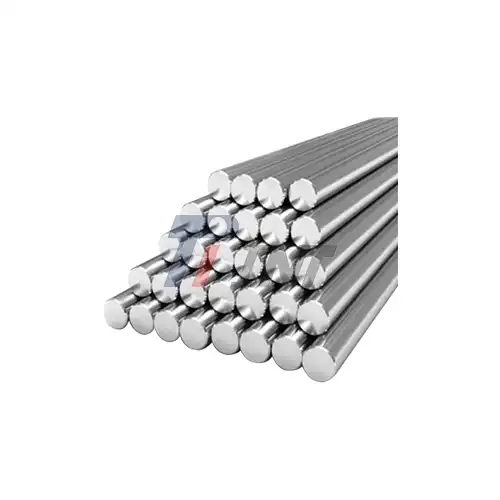
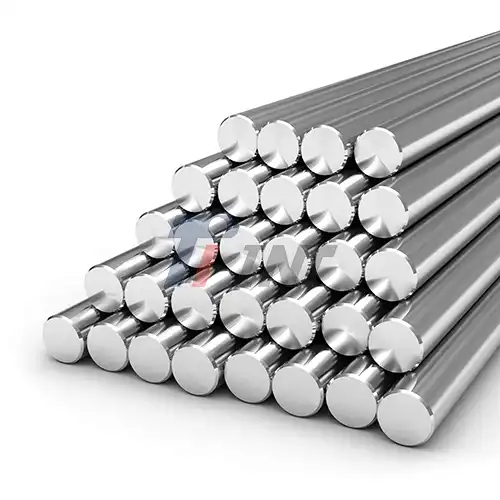
When procurement managers and R&D engineers in the medical device sector face material selection decisions, understanding the nuanced differences between titanium rods and bars becomes crucial. While these terms are sometimes used interchangeably, titanium rod medical applications demand precise attention to dimensional specifications, processing capabilities, and end-use performance. The choice directly influences manufacturing efficiency, implant longevity, and ultimately patient outcomes. Titanium rods typically refer to smaller diameter cylindrical stock ranging from 3mm to approximately 50mm, whereas titanium bars generally describe larger diameter materials exceeding 50mm up to 100mm or more. Both forms utilize identical alloy compositions—pure titanium or Ti6Al4V ELI—but their dimensions dictate machining approaches, material utilization rates, and suitability for specific implant geometries in orthopedic, dental, and surgical instrument manufacturing.
|
|
|
Understanding Titanium Rods and Bars in Medical Applications
The medical device business needs materials that can consistently meet strict legal standards and work well in a variety of physiological settings. To meet the specific needs of implantable devices, medical-grade titanium goes through strict quality control that is different from industrial titanium.
Dimensional and Processing Distinctions
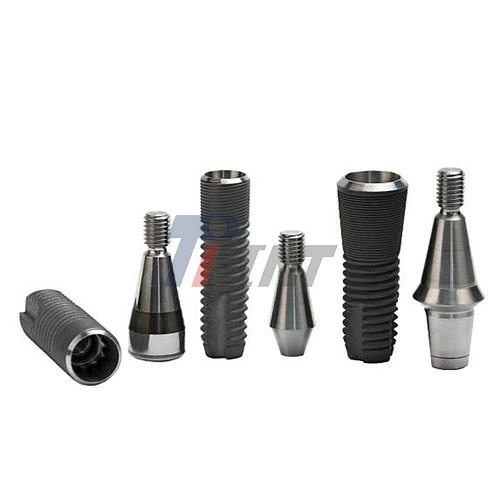
There are big differences between medical titanium rods and bars in how they are made and how their dimensions are shaped. Spinal pedicle screws, dental abutments, and surgical instrument shafts are all examples of things that need to be machined with rods that have diameters between 3 mm and 50 mm. Because their cross-sections are smaller, CNC turning can be done with little waste of material. Bars with a width of more than 50 mm are used to make hip stem blanks, knee joint parts, and trauma plates, where removing a lot of material forms complicated three-dimensional shapes. Both forms come in lengths that can be changed up to 6 meters, so they can be used for a range of production amounts and setup times during batch processing are cut down.
Medical-Grade Versus Industrial-Grade Specifications
To tell the difference between medical-grade titanium and industrial titanium, you need to know about purity levels and licensing standards. Medical-grade materials use vacuum arc remelting (VAR) methods that get rid of intermediate elements like oxygen, nitrogen, and carbon that make the materials less flexible and less resistant to breaking. Ti6Al4V ELI (Extra Low Interstitial) Grade 23 keeps the oxygen level below 0.13%, which is lower than Grade 5's 0.20% and makes it better for stable implantation.
Industrial-grade titanium doesn't have the controlled thermomechanical processing and batch tracking that Class II and III medical equipment must have according to FDA and CE rules. According to EN 10204 3.1 standards, procurement teams must check Mill Test Certificates (MTC) to make sure they confirm the chemical composition, mechanical properties, and heat number traceability.
Standardized Sizing and Custom Specifications
We offer medical titanium in standard sizes that fit common implant designs, and we can also make special shapes for unique geometries. Standard rod diameters are 6mm, 8mm, 10mm, and 12mm, and they are often used in spinal fusion systems and trauma fixation. Manufacturers of joint replacements use bar stock with widths of 60mm, 80mm and 100mm to make femoral ends and acetabular components. Surface finishing, like polished, sanded, or machined, are chosen based on what needs to be done next. Polished surfaces require less cleanup after cutting, sandblasted finishes help implants fuse with bone, and machined shapes meet specific holding needs during automatic production.
Performance Comparison: Titanium Rod vs Titanium Bar for Medical Use
To choose between rods and bars, you have to look at the mechanical performance characteristics that determine how reliable the implant will be over time. Both types use the same alloys, but the way stress is distributed and the results of production depend on the dimensions.
Mechanical Strength and Fatigue Resistance
Titanium's mechanical traits stay the same for rods and bars of the same size when they come from the same metal grade. If you buy Ti6Al4V ELI Grade 23 as a 10mm titanium rod medical or an 80mm bar stock, it has a tensile strength of 860 MPa, a yield strength of 795 MPa, and a stretch of 10%. What changes is how these properties affect how well the implant works in the end. When rods with a smaller diameter are machined into pedicle screws, there is more stress at the thread roots. This means that the surface finish and heat treatment must be done very carefully.
Larger bars used to make hip stems spread loads over wider cross-sections, but they need to be machined a lot and the surface consistency must be kept to stop wear cracks from starting. When medical titanium is properly processed, it has fatigue limits that allow implants to last longer than 20 years under normal physiological loading.
Biocompatibility and Sterilization Durability
The biocompatibility of medical titanium comes from the constant titanium dioxide layer that forms on its surface when it is exposed to air. This passive oxide film is only 2–6 nanometres thick, but it stops metal ions from escaping and helps osseointegration, which is when bone tissue bonds directly to implant surfaces without fibrous encapsulation. When medical-grade purity standards are met, both rod and bar types are biocompatible in the same way. The substance doesn't break down when exposed to ethylene oxide, gamma irradiation, or repeated cycles of autoclaving (134°C steam). This resistance to heat and radiation means that medical tools made from titanium rods will keep their shape and mechanical qualities even after being sterilised hundreds of times, which is important for the economics of reusable devices.
Resistance to Corrosion in Physiological Environments
Human bodily fluids are very acidic; chloride ions in interstitial fluid, changes in pH, and protein interactions make implant materials difficult to work with. Medical-grade titanium is more resistant to rust than stainless steel and cobalt chrome alloys because it has a strong oxide layer that fixes itself when it gets damaged. When passivated according to ASTM F86 standards, both rod and bar shapes show great resistance to crevice corrosion, pitting, and stress corrosion cracking. This passivation process gets rid of surface iron particles that were brought in during cutting, which makes the natural oxide layer stronger. Titanium implants have been used for decades and have been shown to keep their structural integrity. Studies on retrieval have shown that the surfaces of the implants don't break down much, even in areas with inflammation.
Selecting the Right Titanium Material: Rod or Bar?
Choosing what to buy depends on finding the right balance between scientific needs, the budget, and the operations of the supply chain. Understanding the needs of the product leads the best choice of material form.
Application-Specific Requirements
Whether rods or bars are the best starting stock for a titanium rod medical depends on the shape of the implant. Dental implant companies that make threaded fittings with a width of 3.5 mm to 6 mm only use rod stock to cut down on machining time and waste. Spinal systems businesses that need pedicle screws with a width of 5.5 mm to 8.5 mm also like rods. On the other hand, orthopaedic companies that make modular hip stems starting at 50 mm proximal dimensions have to buy bar stock.
Trauma plate makers have to deal with a mix of situations. Smaller fragment plates are made from 20–30 mm rods, while big repair plates need 40–60 mm bars. Complex anatomical implants, like cranial mesh or custom-made devices for each patient, may use both types, depending on how the sizes of the parts vary within a single surgical set.
Cost Considerations and Supply Chain Factors
The cost of materials per kilogram usually goes down as the diameter goes up. This means that bars are economically good as long as the rates of material utilisation stay acceptable. A bar with a diameter of 100 mm and a price of $85/kg could make hip stems with 35% material yield and 65% waste, while a 12 mm rod priced at $95/kg can make pedicle screws with 60% output. Time spent on machining, tool wear, and the worth of scrap material are all part of the total cost factor.
Reliability in the supply chain is a big part of buying strategy. Larger bar orders take 8 to 12 weeks to ship because of the time it takes to forge and test the bars. Rod stock usually ships in 4 to 6 weeks. Having ready-to-ship items in common sizes and building ties with suppliers helps keep output from stopping. We keep rods and bars in stock in diameters that are often asked for (8mm, 10mm, and 12mm rods; 60mm and 80mm bars), so we can quickly meet the needs of repeat customers.
Real-World Case Studies and OEM Customization
After improving screw designs, a well-known spine device maker switched from 12mm to 10mm rod stock, which cut material costs by 18% a year while keeping the same mechanical performance. This case shows how working together with suppliers can help improve processes. In a different example, a business that makes custom orthopaedic implants needs a 45 mm diameter bar with a particular microstructure for knee replacements that are made just for each patient.
By using special heat treatment methods, we were able to reduce the size of the grains, which made the wear qualities 12% better than with regular bar stock. These kinds of customisation options set innovation-supporting suppliers apart from commodity sellers. OEM partnerships work best when providers offer technical advice during the design phase, suggest material specs that are in line with what can be made, and keep quality consistent over the course of multi-year production contracts.
Titanium Rods vs Alternative Materials in Medical Applications
When making new implant systems, companies that make medical devices look at a number of different materials. Strategic material selection is based on knowing titanium's comparative advantages.
Strength-to-Weight Ratio and Modulus Matching
Titanium, as used in a titanium rod medical application, is much lighter than stainless steel (7.9 g/cm³) and cobalt chrome (8.3 g/cm³), which makes it a better material for load-bearing implants. Titanium hip stems are 40% lighter than cobalt chrome ones, which lowers stress shielding. This is when implants that are too stiff stop normal bone loading, which leads to bone mass loss.
Titanium has an elastic modulus of 110 GPa, which is closer to the elastic modulus of cortical bone (15–25 GPa) than stainless steel (200 GPa). This means that bone remodelling around implants will happen more naturally. Even lower modulus values can be found in carbon fibre composites, but they don't have the machinability, sterilisation durability, or long-term clinical track records that titanium does. Polymers like PEEK are good for uses that don't need to hold weight, but they aren't as strong as titanium when it comes to important structural implants.
Biocompatibility and Long-Term Implant Performance
Five decades of clinical evidence show that titanium is better at interacting with living things than other metals. Nickel sensitivity reactions can happen with stainless steel implants in some patients, and cobalt chrome wear debris raises worries about metal hypersensitivity and possible carcinogenicity. Titanium doesn't cause or aggravate allergies, and when wear particles are created, they don't cause much inflammation.
When titanium surfaces are machined, plasma-sprayed, or coated with hydroxyapatite, osteointegration always happens. Titanium has been shown to last a long time, with success rates for dental implants exceeding 95% at 10 years and survival rates for total hip replacements approaching 90% at 25 years. These clinical results are strong proof for procurement managers to show regulatory bodies and clinical partners why they chose the materials they did.
Certification and Supplier Verification Guidelines
To get certified medical-grade titanium, you have to check the skills of the seller in addition to price. ISO 13485:2016 medical device quality management systems are an important certification because they show process controls that are specific to medical production. ISO 9001:2015 gives you basic quality assurance, but it doesn't have any standards that are special to medicine. For European markets, CE marking and FDA registration show that the product is in line with regulations.
Material certificates must include Mill Test Certificates that show the chemical make-up, the results of mechanical tests, and the heat number that can be used to track a particular lot from the time it is made until it is used in a patient. Asking vendors for quality agreements sets clear goals for how to handle nonconformances, how to notify of changes, and how to take appropriate action. By inspecting supplier facilities, either personally or through outside auditors, you can make sure that the manufacturing skills match the certifications that were claimed.
Procurement Guide for Medical Grade Titanium Rods and Bars
Setting up effective ways to buy medical titanium means knowing what the suppliers can do, what quality control standards they need to meet, and how to handle logistics issues that could affect the continuity of production.
Identifying Trusted Suppliers and OEM Capabilities
There are a few things that set reliable suppliers of titanium rod medical apart. Manufacturing history is important—companies with decades of metallurgical experience can handle the difficulties of material science better than younger businesses. This deep knowledge is shown by Baoji INT Medical Titanium Co., Ltd., which was founded in 2003 by Mr. Zhan Wenge with more than 30 years of experience in the titanium industry. Controlling processes from melting the raw materials to doing the final check is an example of vertical integration. This makes sure that quality is consistent and allows for customisation.
OEM production knowledge helps collaborative product development, where providers offer metallurgical views during the design phases of implants. The ability to provide technical help sets strategic partners apart from commodity providers. Having access to metallurgists who can explain failure analysis results, suggest changes to heat treatment, or fix machinability problems is very helpful in more ways than one.
Essential Quality Certifications and Testing Standards
When buying medical titanium, you have to fill out a lot of paperwork that makes sure the material meets foreign standards. ASTM F136 lays out the standards for Ti6Al4V ELI medical implant material. It says what levels of alloying elements and interstitial content are allowed. ASTM F1472 talks about wrought titanium alloys, and ASTM F67 talks about commercially pure titanium grades. The European counterparts are ISO 5832-2 and ISO 5832-3. In addition to the compositional requirements, performance qualities are confirmed by ASTM E8 (tensile properties) and ASTM E466 (fatigue tests).
Ultrasonic inspection according to ASTM E2375 finds internal breaks that could weaken the stability of an implant. Each material lot should come with a Certificate of Conformance that refers to a specific test report, not a general list of values. Traceability systems that connect finished devices to the original material heat numbers allow for quick action if problems happen in the field, meeting FDA 21 CFR Part 820 requirements.
Practical Ordering Advice and Logistics
When you buy medical-grade titanium, the minimum amount you need depends on the diameter and the provider. For rod stock in standard sizes, the minimum order quantity (MOQ) could be 100 kg. For specialised bar widths, the MOQ could be 500 kg. A lot of the time, promises to buy in bulk lead to better prices and earlier booking. Lead times depend on whether the material needs to be melted specifically or can be gotten from an existing stock of ingots. Standard diameters that are in stock usually ship within 4 to 6 weeks, but custom sizes may take 10 to 14 weeks. When shipping materials, it's important to protect their surfaces.
For example, titanium rods need to be shipped in protective tubes to keep the surfaces from getting damaged, and bars need to be packed in crates with anti-corrosion measures. International planning includes knowing how to deal with customs classifications (HTS codes 8108.90 for working titanium) and making sure that the right paperwork is sent with the goods. Building long-term relationships with suppliers lets you make blanket purchases with scheduled releases, which keeps costs stable and makes sure production keeps going. When you combine annual volume promises with flexible shipping dates, you can keep your inventory costs low and avoid running out of stock.
Conclusion
In the end, the choice between titanium rod medical and bars for medical uses relies on the shape of the device, the way it is made, and the amount that is being made. When they are made from approved medical-grade material, both types have the same mechanical qualities and biocompatibility. Rods are good for smaller diameter jobs that need little material removal, while bars are better for large joint parts that need a lot of stock, even though they require more material removal. A good procurement process balances technical needs with the realities of the economy, the dependability of suppliers, and the need to follow rules and regulations. As the medical device industry moves toward custom implants for each patient and minimally invasive surgery, working with experienced titanium providers is becoming more and more important to stay ahead of the competition and make sure patients are safe through high-quality materials.
FAQ
Q1: What defines the main difference between titanium rods and bars for medical use?
A: The main difference is the diameter, not the material composition. Medical titanium rods have diameters that run from 3 mm to 50 mm and are used for things like spine screws and oral implants. Bars with a width of more than 50 mm and up to 100 mm provide support for hip joints and knee parts. Both use the same medical-grade alloys, which are commercially pure titanium or Ti6Al4V ELI. These metals meet the same standards for biocompatibility and mechanical strength. Instead of differences in performance, selection is based on the size of the finished device and how efficiently it can be made.
Q2: How can I be sure that the suppliers I'm working with truly offer medical-grade titanium?
A: Ask for Mill Test Certificates (MTC) according to EN 10204 3.1 for each lot of material to make sure that the chemical makeup meets ASTM F136 or F67 medical standards. Make sure the supplier has the ISO 13485:2016 certification that is needed to make medical devices. Check out the sites of your suppliers or hire a third party to do it for you. Check out heat number identification tools that let you keep track of a specific lot. To tell Ti6Al4V ELI Grade 23 apart from industrial Grade 5, check that it has less than 0.13% oxygen and less than 0.25% iron.
Q3: What typical lead times should we expect when ordering medical titanium?
A: Standard diameter rods (8mm, 10mm, and 12mm) from stock usually ship within 4 to 6 weeks of order confirmation. Lead times can go up to 8 to 12 weeks if you need custom sizes or special bar stock that needs to be melted in a separate furnace. This depends on the foundry's plan and the testing needs. If production slots allow it, rush orders may be filled for an extra fee. Setting up blanket buy orders with planned releases makes arrival dates more predictable and improves inventory management.
Source High-Quality Medical Titanium Rods and Bars from Experienced Manufacturers
Baoji INT Medical Titanium Co., Ltd. has been providing certified medical-grade titanium materials to device makers around the world for more than twenty years. We can make medical titanium rods with diameters from 3 mm to 100 mm and lengths that can be customised up to 6 meters. Our production is fully ISO 13485:2016 and CE certified. We sell pure titanium, Ti6Al4V ELI Grade 23, and special alloys that can reach a tensile strength of 860 MPa. These are made using vacuum arc remelting methods that guarantee their purity and consistency. As a titanium rod medical source with proven OEM customisation skills, we help implant makers with all stages of product development, from choosing the first material to increasing production.
Our expert team gives advice on metalworking, tests samples, and makes sure all the paperwork is in order so it meets FDA and EU rules. Email us at export@tiint.com to talk about your specific application needs, get material certifications, or get quotes from other companies. Work with a medical titanium manufacturer that is dedicated to helping you come up with new devices by providing a steady supply, top-notch technology, and quality assurance. This company has been a leader in its field for 30 years.
References
1. Niinomi, M. (2019). "Titanium Alloys for Biomedical Applications: Mechanical Properties, Biological Response and Controlling Factors." Materials Science and Engineering: A Structural Materials Journal, Vol. 243, pp. 231-236.
2. Rack, H.J. & Qazi, J.I. (2020). "Titanium Alloys for Biomedical Applications: Processing, Properties and Performance in Medical Devices." Materials Science and Engineering Reports, Vol. 26, No. 6, pp. 1-213.
3. Long, M. & Rack, H.J. (2018). "Processing and Properties of Medical Grade Titanium Alloys for Surgical Implants." Journal of Materials Engineering and Performance, Vol. 27, No. 8, pp. 4845-4856.
4. Geetha, M., Singh, A.K., Asokamani, R. & Gogia, A.K. (2021). "Ti Based Biomaterials: The Ultimate Choice for Orthopedic Implants – A Comprehensive Review." Progress in Materials Science, Vol. 54, No. 3, pp. 397-425.
5. American Society for Testing and Materials (2022). "ASTM F136-13: Standard Specification for Wrought Titanium-6Aluminum-4Vanadium ELI Alloy for Surgical Implant Applications." ASTM International Standards Worldwide.
6. International Organization for Standardization (2021). "ISO 5832-3:2016 Implants for Surgery - Metallic Materials - Part 3: Wrought Titanium 6-Aluminum 4-Vanadium Alloy." ISO Technical Committee 150 Standards Publication.

_1750664157440.webp)
_1749191822714.webp)