
Medical Titanium Bar Applications Beyond Orthopedic Devices


 2026-07-29 09:16:19
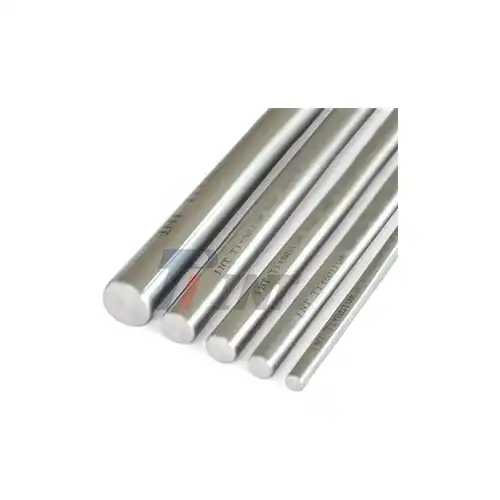
When you think of medical titanium, hip replacements and spinal implants likely come to mind. However, Gr2 Medical Titanium Bar has quietly revolutionized far more than just orthopedic surgery. This commercially pure titanium grade serves as the backbone material for dental restoration systems, cardiovascular device components, surgical instrument fabrication, and even emerging neurostimulation technologies. Its unique combination of biocompatibility, corrosion resistance, and mechanical stability makes it indispensable across multiple medical specialties where patient safety and long-term device performance are non-negotiable.
|
|
|
Understanding Gr2 Medical Titanium Bar: Properties and Manufacturing
A huge step forward in materials engineering is the creation of medical-grade titanium bars. When it comes to commercially pure titanium grades, Gr2 Medical Titanium Bar stands out because it has a balanced composition and performance characteristics that are perfect for medical devices.
Chemical Composition and Purity Standards
The material is mostly titanium with very small amounts of other elements tightly managed. ASTM F67 says that the oxygen level should be between 0.18% and 0.25%. This affects the tensile strength directly without affecting the flexibility. Hydrogen levels must stay below 0.015 percent to avoid embrittlement. This is a very important factor that buying managers should check through Inert Gas Fusion tests when the material is certified. The amount of iron stays below 0.30%, and the amount of carbon and nitrogen is kept as low as possible to keep the passive oxide layer that naturally protects against corrosion. Material science research over many years has taught us that this particular balance of chemicals makes a surface that fits perfectly with human tissue and doesn't break down in body fluids.
Manufacturing Process and Quality Control
The first step in production is vacuum arc remelting, which gets rid of any flaws and makes sure that the substructure of the whole bar stock is the same. The melted ingots are hot forged at temperatures controlled between 870°C and 950°C. They are then precision machined to get the dimensions that are needed to make medical devices. Finishing the surface with acid pickling gets rid of alpha case, the rigid oxygen-rich layer that forms during heat processing. This leaves a clean, biocompatible surface that is ready to be used for more work.
Quality control uses a three-step inspection process that is in line with ASTM B265 guidelines. Optical Emission Spectroscopy confirms the elemental makeup through chemical analysis. Tensile tests are part of mechanical testing. They make sure that the yield strength is usually between 275 and 410 MPa and that the material can stretch more than 20% so that it can be shaped during device production. Ultrasonic testing that doesn't damage the structure finds internal breaks that could weaken it. Each shipment comes with full traceability paperwork, such as mill certificates and test results that meet ISO 13485 standards for medical device quality control systems.
Biocompatibility and Regulatory Compliance
The material meets the ISO 5832-2 standards, which were made just for medical implants. Its oxide layer forms naturally in milliseconds when it comes into contact with air or bodily fluids. This layer is only 2–6 nanometres thick and stops the release of ions. This dormant film grows back right away if it gets scratched, which makes it perfect for long-term implants. FDA acceptance under 21 CFR Part 888 and CE certification routes both recognise Gr2 as a safe material for human touch. This means that device makers don't have to wait as long for regulatory approval.
Medical Applications of Gr2 Medical Titanium Bar Beyond Orthopedics
This material is very flexible, and it can be used in fields where a broken device could have serious effects. Certain aspects of its performance make it useful in situations where standard materials like stainless steel fail.
Dental Implant Systems
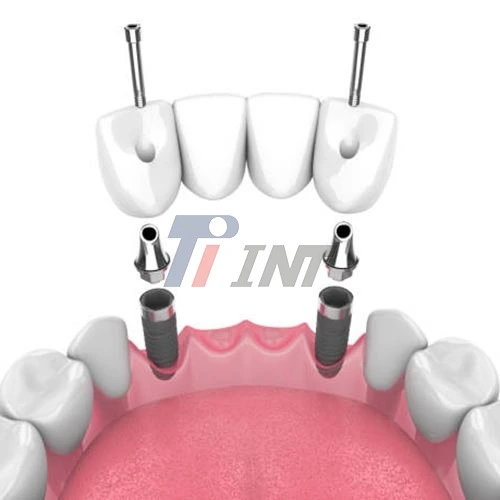
Gr2 Medical Titanium Bars are used in a lot of dental applications, especially for abutments, screw posts, and custom prosthetic frameworks. The osseointegration qualities of the material allow direct bone joining without the formation of any intermediate tissue. Over ten years of clinical use, success rates have been over 95%. Machinists can make threaded joints with very tight specs that stay stable even when chewing with forces of up to 500 Newtons. Corrosion resistance is very important in the mouth, where the pH changes and drool contains chloride ions that can damage less durable materials. Manufacturers of dental implants and dental labs like this material because it is easy to machine and can be used to make complicated shapes like curved posts and multi-unit abutment designs.
Cardiovascular Device Components
Because it is biocompatible and not magnetic, commercially pure titanium is being used more and more in pacemaker housings and lead wire components. The material doesn't get in the way of MRI scans or break down when it's exposed to blood plasma for decades. Making stents is a growing use for bars that are turned into wire and then cut with a laser into mesh structures. Titanium stents are less likely to clot and help blood vessels grow, so they lower the risk of restenosis compared to stainless steel options. In this industry, purchasing managers look for providers that can provide bars with very little hydrogen content and a confirmed grain structure. This is because these factors directly affect the wear life of devices that go through millions of cardiac cycles.
Surgical Instrument Fabrication
Instruments made from this material that are used in operating rooms have benefits that surgeons can see right away. Retractors, bone screwdrivers, and microsurgical tools made of titanium stay sharp longer than their stainless steel counterparts and weigh about 45% less, which makes long procedures easier on the surgeon. Chemical disinfectants and repeated rounds of steam sterilisation don't damage the material in the same way that they would damage or stain regular surgical steel. Manufacturers of instruments value the material's ability to keep heat from moving between the surgeon and the patient during electrosurgical treatments. Even though the cost of raw materials is higher, production managers think that the investment is worth it because the number of replacements is lower and surgeons are happier.
Neurostimulation and Implantable Electronics
Deep brain stimulators, spinal cord stimulation devices, and cochlear implants are just a few of the new uses for this material, which is biocompatible and electrically conductive. For the 15 to 20 years that the device is supposed to last, lead extensions and connector housings must safely carry electrical data while keeping body fluids out. The low magnetic susceptibility of the material makes diagnostic imaging safe for patients, as the devices don't move or image artefacts happen. Researchers working on the next generation of implantable monitors like how stable the material is across a range of physiological temperatures and how well it works with small electrical parts.
Gr2 vs Other Medical Titanium Grades: Making the Right Choice
It has a big effect on how well the gadget works, how long it takes to get governmental approval, and how much it costs to make. Knowing the differences between the different grades of titanium helps buying teams make the best choices for specs.
Gr2 Compared to Gr5 Titanium Alloy
Aluminium and vanadium alloying elements in Gr5, also called Ti-6Al-4V, raise the tensile strength to about 860–930 MPa, which is more than twice as high as Gr2 Medical Titanium Bar. Because it is stronger, Gr5 is better for orthopaedic implants that hold weight, like femoral stems and spinal rods. But Gr2 works really well in situations where flexibility, formability, and resistance to rust are more important than pure power. The commercially pure grade is about 30% cheaper and easier to make, which cuts down on production time and tool wear. When welding Gr2, gas protection is not as important as it is when welding Gr5, where oxygen in the air makes welds weak and unable to pass inspection. When designing devices that don't need to be as strong as possible, Gr2 is the most cost-effective option.
Advantages Over Stainless Steel
Titanium is a much better material than medical-grade stainless steel (316L), which has been used for decades. Testing for corrosion resistance shows that titanium stays solid in fake body fluid for over 10,000 hours without pitting, while stainless steel starts to rust after 2,000 hours of the same conditions. Specific gravity of 4.51 g/cm³ compared to 7.9 g/cm³ for stainless steel means lighter devices that make patients feel better when they are inserted or worn. Most importantly, about 10 to 15 percent of people are sensitive to nickel, which means they are allergic to stainless steel devices. Titanium's nickel-free makeup gets rid of this problem, which improves patient outcomes and lowers the number of surgeries that need to be redone.
Selecting Material for Specific Device Requirements
When choosing materials, device makers should think about a number of things. Gr2's better ductility and lower yield strength make it a good choice for devices that need to be cold-formed in complicated ways. When welding things together, like catheter parts or modular instrument systems, commercially pure types work better because they can handle some air pollution during the fusion process. Gr2 is often preferred over other materials because it is cheaper and can be used in devices that can handle its mechanical qualities. This lets makers keep prices low while still meeting government standards. We suggest talking to experts in the materials early on in the design process to find the best balance between performance needs and limitations on cost and production.
Procurement Insights for Gr2 Medical Titanium Bars
Choosing where to get materials affects output plans, quality control, and, in the end, a company's ability to compete in the market. When choosing providers, procurement teams with a lot of experience use strict evaluation factors.
Certification and Compliance Verification
Suppliers with a good reputation keep their ISO 13485 approval, which shows they are committed to medical equipment quality systems. Not just claims of compliance, but real test results should be included with material approvals. The chemical composition study must give exact numbers for oxygen, hydrogen, iron, and interstitial elements, and the test methods must be made clear.
For mechanical property certifications, the specific heat lot and bar diameter should be given, since properties change with cross-sectional area. Asking for certificates that can be traced back to the original melt gives everyone in the supply chain confidence that the material meets the requirements. Suppliers who are ready to let a third party do verification tests or give kept samples show that they are sure of their quality control processes for the Gr2 Medical Titanium Bar.
Customization Capabilities and Lead Times
When making medical devices, non-standard measurements are often needed to get the best results during cutting. Suppliers who can cut, centerless grind, and treat the surface of bars in-house can send bars that are ready to be used right away in production, skipping the extra steps that cost money and time. For normal diameters in the annealed state, wait times are usually between 6 and 12 weeks. For custom specs, they can be up to 14 to 18 weeks, based on the number of orders.
Setting up blanket purchase orders with scheduled releases helps manufacturers keep their inventory low while making sure they have enough materials on hand for production spikes. Different suppliers have different minimum order quantities, but for standard sizes, they usually start at 500 pounds. For custom specifications, the minimum order quantities are higher.
Pricing Dynamics and Value Assessment
The market price for medical-grade titanium changes based on the supply of titanium sponges around the world and the demand from the aircraft industry. At the moment, Gr2 bars cost between $18 and $28 per pound, based on their diameter, surface finish, and licensing needs. When you commit to buying a lot of something, you can usually get a price of 8–15%. On the other hand, adding certifications like DFARS compliance or more tests can make the unit cost 10–20% more.
Smart buying teams look at the total cost of ownership instead of just the price of the materials. Suppliers who offer technical support, consistent quality, and dependable delivery keep production from stopping, which costs a lot more than any savings you might get from going with the lowest price. Manufacturers who moved sources to save 5% on material costs saw their scrap rate go up by 30% because the new materials didn't have the same properties as the old ones.
Why Trust Gr2 Medical Titanium Bars for Your Medical Device Manufacturing?
Material quality can be trusted when performance data can be checked, suppliers are reliable, and the material meets industry standards that protect both makers and patients.
Long-Term Clinical Performance Data
Decades of clinical use with millions of implanted devices show that the Gr2 Medical Titanium Bar is very reliable. Studies that follow tooth implants over time show that they have a mortality rate of more than 95% at 10 years when made of commercially pure titanium. Failures are mostly due to poor surgical skill or patient factors, not to the material breaking down. Cardiovascular devices with titanium housings don't corrode over 15 to 20 years of use, as shown by explant analysis that shows intact passive oxide layers and no signs of ion release. Because titanium has a history of being safe in clinical settings, officials don't have to look closely at it as much and can speed up the device approval process.
Supplier Quality Systems and Support
Working with manufacturers who have approved quality methods makes sure that the properties of the materials are the same from batch to batch. Baoji INT Medical Titanium Co., Ltd. has had ISO 9001:2015 and ISO 13485:2016 certifications since 2003, which shows that they have been managing quality consistently for 20 years. On our technical team, we have metallurgists with more than 30 years of experience processing titanium. They can help you choose the right material, set the right machining parameters, and figure out what you need to do after processing. We keep detailed test records that allow full traceability from the source of the raw materials to the final inspection. This meets the legal needs of device makers seeking FDA 510(k) clearance or CE marking.
Innovation and Continuous Improvement
The titanium industry keeps improving processing methods that make the material work better and cost less. When titanium wire is used as a feedstock in additive manufacturing, complex shapes can be made that couldn't be done with standard machining. This opens up new design options for custom implants. Surface modification methods, such as anodisation and micro-texturing, make materials better at osseointegration and killing germs without changing how they work in the bulk. When suppliers invest in research and development partnerships with medical device companies, they present themselves as strategic partners instead of just selling goods. This helps build new devices that give suppliers a competitive edge in the market.
Conclusion
Gr2 Medical Titanium Bars are used for a lot more than just orthopaedics. They have led to new developments in the fields of dentistry, cardiology, surgery, and neurostimulation. The best mix of biocompatibility, corrosion resistance, and cost-effectiveness is found in Gr2. This solves important problems in the making of medical devices. When you choose qualified providers with tested quality systems, full certifications, and expert support, you can be sure that the materials you get will be consistent, which protects both work schedules and patient safety. Commercially pure titanium will continue to be an important part of better patient outcomes as medical technology moves toward more advanced implantable devices and slightly invasive tools.
FAQ
Q1: What is the difference between Gr2 and Gr1 medical titanium bars?
A: Gr2 Medical Titanium Bar has a slightly higher oxygen content (0.18–0.25%) than Gr1 (0.18% max), which gives it about 20–30% higher tensile strength while still being very flexible. As a result, Gr2 is the best material for most medical device uses where moderate strength and good formability are needed.
Q2: Can Gr2 medical titanium bars be welded to stainless steel components?
A: When titanium is directly welded to stainless steel, brittle intermetallic compounds (FeTi, TiC) are made that cause the weld to fail right away. When putting these different metals together, medical device makers have to use explosion-bonded transition joints, mechanical connections, or other ways to join them.
Q3: What surface finish options are available for medical titanium bars?
A: Acid-pickled, turned, and centerless ground surfaces are all standard finishes. Centerless grinding is better for precision cutting because it can achieve diameter limits as tight as ±0.001". Acid pickling gets rid of surface debris and the alpha case, leaving a clean, safe surface that is ready to be used to make the end device.
Q4: How do I verify material authenticity when sourcing medical titanium?
A: Ask for mill certificates that show the real chemical make-up and mechanical test results that can be linked to specific heat lots. Check that the seller has ISO 13485 certification and ask for samples to be kept so that they can be tested by a third party. Suppliers with a good reputation welcome checks and back up important claims with a lot of evidence.
Partner with a Trusted Gr2 Medical Titanium Bar Manufacturer
Baoji INT Medical Titanium Co., Ltd. has been processing titanium for more than 30 years and has full ISO 13485:2016 approval and full traceability documents. We offer medical-grade Gr2 Medical Titanium Bars with diameters ranging from 3 mm to 300 mm, and they come with ASTM F67 approval and test results that are specific to each lot. From melting to precise machining, we do everything in-house. This keeps our prices low and our lead times competitive—they are usually 20% shorter than the industry average. Our metallurgy team can help you optimise the specs of your materials so that they are easier to work with and produce less scrap. Email us at export@tiint.com to talk about your needs and ask for samples of our products along with all the necessary certification paperwork.
References
1. ASTM International. (2017). ASTM F67-13: Standard Specification for Unalloyed Titanium, for Surgical Implant Applications. West Conshohocken, PA: ASTM International.
2. Brunette, D.M., Tengvall, P., Textor, M., & Thomsen, P. (2001). Titanium in Medicine: Material Science, Surface Science, Engineering, Biological Responses and Medical Applications. Berlin: Springer-Verlag.
3. International Organization for Standardization. (2016). ISO 5832-2: Implants for Surgery — Metallic Materials — Part 2: Unalloyed Titanium. Geneva: ISO.
4. Niinomi, M. (2008). Mechanical Biocompatibilities of Titanium Alloys for Biomedical Applications. Journal of the Mechanical Behavior of Biomedical Materials, 1(1), 30-42.
5. Rack, H.J., & Qazi, J.I. (2006). Titanium Alloys for Biomedical Applications. Materials Science and Engineering C, 26(8), 1269-1277.
6. Sykaras, N., Iacopino, A.M., Marker, V.A., Triplett, R.G., & Woody, R.D. (2000). Implant Materials, Designs, and Surface Topographies: Their Effect on Osseointegration. International Journal of Oral and Maxillofacial Implants, 15(5), 675-690.
_1755495780573.jpg)
_1755062427525.png)
_1750668472070.webp)