What are the advantages of using titanium bars in dental implant treatments?


 2026-07-21 09:52:38
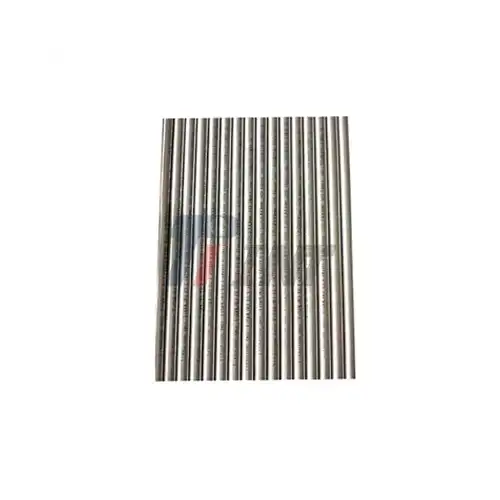
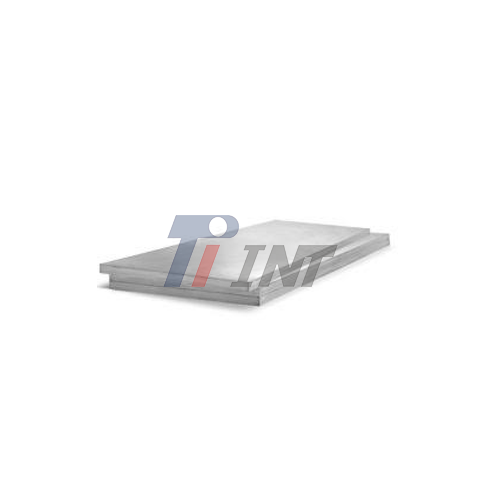
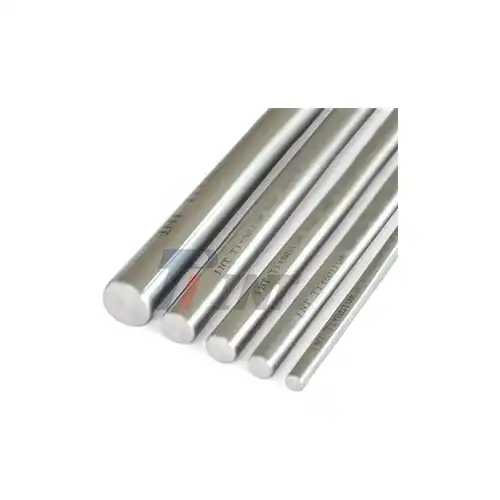
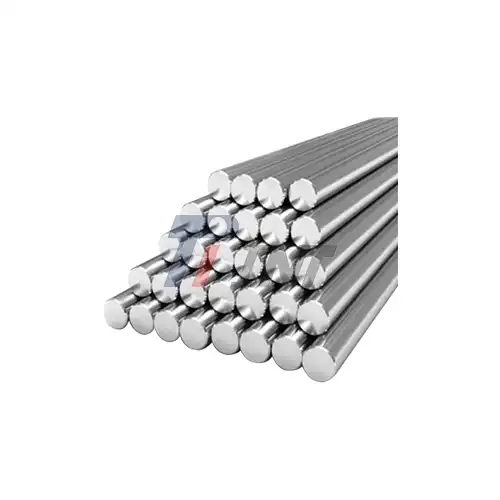
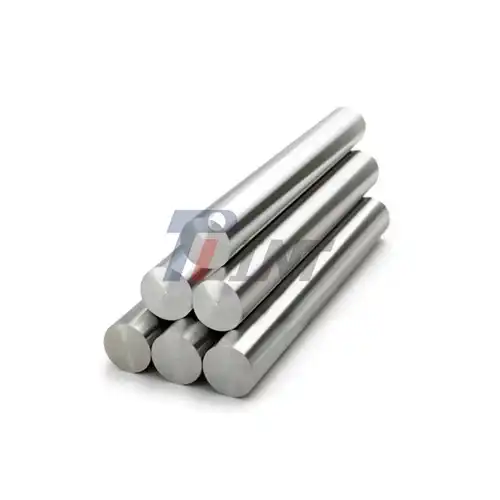
It is well known in the field that titanium bar dental choices are very helpful when it comes to implant treatments. Titanium bars are nontoxic, which means that the body can use them without rejecting them or reacting badly to them. Because they are both very light and very strong, they are great for long-term usage. Because they are resistant to corrosion, these parts will keep their shape even after decades of being in body fluids. Its amazing strength-to-weight ratio lets it move freely during surgery while still making sure it works reliably in critical medical settings where failure is not an option.
|
|
|
Understanding Titanium Bars in Dental Implant Treatments
Defining Titanium Bars and Their Role in Modern Implantology
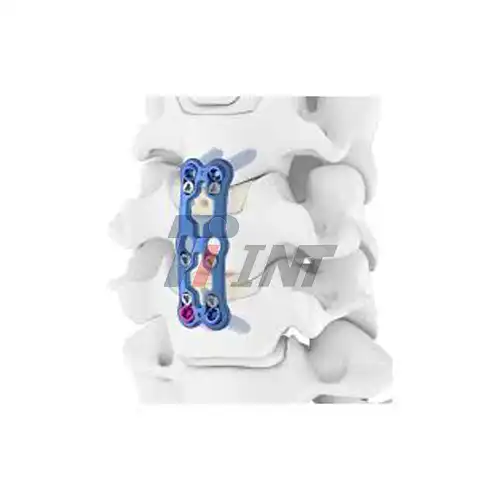
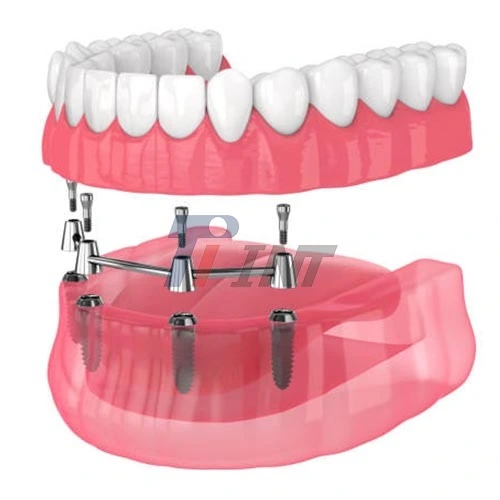
Titanium bars are precisely built parts that are used to support dental implant systems. They are made from medical-grade titanium alloys. These bars connect a number of implant posts and provide support. They use the whole jawbone to spread the bite forces out. They help fix teeth by giving fake devices a place to rest, like those that hold fixed bridges or changeable dentures in place. Because of how it's made, the material can osseointegrate, which means that bone tissue grows right on top of the titanium surface, creating a strong bond that looks like real tooth roots.
Material Grades and Specifications
Good metals like Grade 5 (Ti-6Al-4V) and Grade 23 (Ti-6Al-4V ELI) are used by Baoji INT Medical Titanium Co., Ltd. to make titanium bar dental products. Different grades have different amounts of oxygen, nitrogen, and iron. Grade 23 has the least amount of all three. This makes it great for putting in during surgery. These materials have a yield strength of 880 MPa and a tensile strength of 1100 MPa. The bars can handle big occlusal loads while you chew because of these mechanical properties. They won't break or bend.
The Osseointegration Process
When a titanium post is put into the jawbone, the healing process really takes off. Over a few months, osteoblasts, the cells that make bones, move to the top of the implant and begin to grow new bone tissue right on top of the titanium. This process makes a stable joint without the help of fibrous tissue. When titanium oxide naturally forms on the top of something, it makes it easier for living things to accept it. This makes a safe space that helps bones grow instead of making them swell up.
Core Advantages of Titanium Bars over Alternative Materials
Superior Biocompatibility and Patient Safety
When you compare materials for tooth implants, biocompatibility is the most important thing to keep in mind. Titanium bars are much better than stainless steel or cobalt chromium when it comes to moving through skin. Studies that span decades show that the rate of rejection for titanium implants is still very low, generally less than 2%. Titanium has this safety grade because it is neutral. This means that it doesn't release metal ions into close tissue or make most people allergic. Ti is chemically steady for its whole useful life, while some metal alloys can rust when they come in touch with spit or mouthwash.
Mechanical Durability and Longevity
Titanium bars are good for buildings in many ways after they are put in place. This means that even after millions of loading cycles, these parts will still work the same way they did the first time. Titanium implant systems that are built correctly can last at least 25 years without losing their strength, according to study. The material is very strong, but it is also very light—4.4 g/cm³, which is much less than choices made of rare metals or cobalt-chrome. People who lose weight feel better, especially those who have full-arch replacements, where the framing mass can make it harder to move the mouth and sense where your body is in space.
Cost-Effectiveness Through Lifecycle Analysis
Titanium may seem more expensive than some other materials at first, but a study that looks at it over its whole life shows that it is actually very cost-effective. Because it lasts longer, it doesn't have to be changed as often. Pts save money and time in the treatment chair. CAD/CAM cutting technology has made it much cheaper to make things by making it possible to exactly cut titanium pieces into complicated shapes. With this method of subtractive production, there are no size mistakes like there are with traditional casting methods. Passive fit tolerances of less than 10 micrometers are possible. Screwes coming loose or implants breaking, which can cost a lot to fix, are less likely to happen when this level of accuracy is used.
Procurement Insights: Selecting the Best Titanium Bars for Your Business Needs
Quality Criteria and Material Standards
Procurement managers have to think about a lot of technical things when they are looking for titanium bars to use in dentistry. The paperwork for material approval should show that it meets the standards set by ASTM F136 or ISO 5832-3. These standards describe the chemical make-up, mechanical properties, and handling needs of the material. Tolerances in dimensions are very important. For instance, bars that are going to be made need precision grades of h6 or h7 to make sure that the grinding results are always the same. Surface finish standards also have an impact on how well the final product works. The best surface values for cutting are those that stay between 1.6 and 3.2 micrometers.
Supplier Credibility and Certification Verification
To connect with good companies for titanium bar dental products, you need to do a lot of study. The ISO 13485:2016 certificate is for making medical devices, and the ISO 9001:2015 certificate is for quality control systems. There are safety rules in Europe for medical devices that have an EU CE mark on them. If it is registered with the FDA, it means it is safe for people in the US. This is all paperwork that Baoji INT Medical Titanium Co., Ltd. has owned for more than 20 years. They have been making medical titanium. The company was started in 2003 by Mr. Zhan Wenge, who has worked in the titanium business for more than 30 years. It has become a leader in its field by staying true to quality and coming up with new technologies.
Pricing Dynamics and Budget Optimization
When buying teams know how prices are set, they can bargain better and keep quality standards high. Most of the time, making a bulk promise is needed to unlock tiered prices. Deals that last a year or sales of a lot of items can save you a lot of money. If you want something customized, like a different size or length, it may cost more for the tools, but these costs are generally spread out over a longer period of time, which makes the production runs cheaper. The total cost of landing is affected by logistics. Some of these are the need for proper packaging to keep surfaces clean while being shipped and security for goods that are likely to break. Sellers who are strategic stay in touch with a number of accepted suppliers to keep the supply chain stable and to get the best prices.
Application Scenarios and Custom Solutions with Titanium Dental Bars
Full-Arch Restoration Systems
Titanium bars are a big part of full-arch rehab plans today. In the All-on-4 idea, frames made of precision-milled titanium are used to make sure that pressures are spread out properly. This method holds a full set of teeth on just four implants that are put in a certain way. These bars connect back implants that aren't straight to front posts that are. This is a strong base that can hold a device in place. With custom grinding, dentists can fix issues that come up because of different body types. This means that even if a person has complicated bone structure, they can still get the right rising profiles and occlusal planes. The stiff splinting keeps the implant from moving on its own, which keeps the bone-implant contact from being damaged by tiny movements.
Hybrid Denture Frameworks
People can feel safer with detachable devices that are held in place by bars that are connected to implants than with regular teeth. The titanium bar safely attaches to several implants, and the denture part clips onto the bar. This keeps it in place securely while still letting the patient take it out to clean it. This works for people who need cheap choices or who can't fix their sets because of health issues. These are times when customization is very important because the bar shapes need to fit the structure of soft tissues and have the right shape for attaching the prosthesis.
Procurement Workflow for Customized Solutions
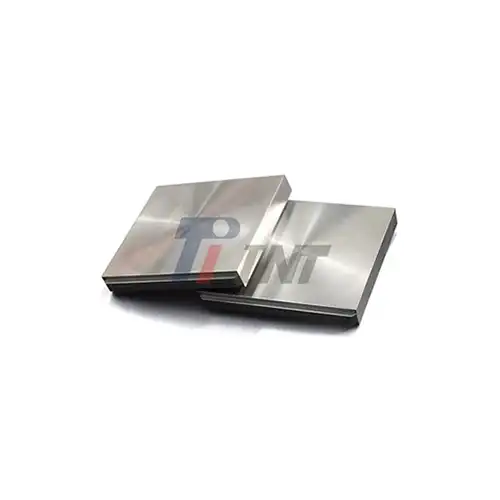
Health care teams and business partners need to be able to clearly talk to each other in order to order custom titanium parts. The first step is often digital pictures or intraoral scans that measure implant sites to within a millimeter. When these files are released in STL or a similar format, design teams can use them to make virtual frames that take into account the needs of the device and the way it emerges. When the design is okay, CAD/CAM cutting tools use checked titanium blocks to make the parts. For quality control, rules say to look at the surface, check the sizes, and keep track of how the materials were made. When doing business internationally, you have to pay close attention to packing rules (safe materials should be vacuum-sealed) and shipping times, which can be anywhere from a few days for local orders to two weeks for deliveries across seas.
Maximizing the Value of Titanium Bars: Practical Tips and Considerations
Maintenance and Inspection Protocols
Titanium bar dental implants need to be carefully watched over and patients need to be shown how to take care of them so they last. New standards say that regular x-rays should be done to see how much bone is around implant posts and look for early signs of peri-implantitis. People need to be shown how to clean their teeth properly. For example, they should be shown how to use water flossers or interdental brushes to get rid of food that gets stuck between teeth. During professional care visits, titanium surfaces should be mechanically cleaned with non-metallic tools so that they are not scratched, which could let bacteria grow.
Addressing Common Misconceptions
It's true that titanium can be used in dentistry, but there are still a lot of myths about it. Even though some doctors are scared about metal sensitivity, titanium allergies are still very rare—peer-reviewed study shows that less than 0.6% of the population is allergic to titanium. Also, worries about MRI compatibility are not based on facts. Titanium is not magnetic, so it is safe for magnetic resonance imaging. This is in contrast to ferromagnetic materials, which can be flawed or even dangerous. Some people don't understand proprioception when they say that metal implants don't feel like real teeth. Mechanoreceptors in the bone around implants send sense information to the brain when they are fully fixed.
Emerging Industry Trends
With new ideas, titanium dentistry keeps getting better in a lot of ways. With selective laser melting and electron beam melting, two types of additive manufacturing, it is now possible to create complex grid designs that spread stress better while making the material smaller. Surface modification technologies add reactive layers or microtexturing that help bones grow faster, which speeds up the process of osseointegration. When people are worried about how things look in the front, where metal might show through thin soft tissue, mixed methods that use titanium bases and ceramic abutments can help. When people who work in buying know about these changes, they can choose when to use new tools and when to stick with tried-and-true ideas.
Conclusion
Due to many years of clinical success and continuing growth in material science, titanium bar dental products are now the best way to treat tooth implants. The basic needs of implant dentistry are met by their biocompatibility, mechanical strength, and long-term security. They also save money because they last longer and need less upkeep. Companies should give more weight to qualified buyers who always bring high-quality goods on time and with full expert help when they are making purchases. The benefits go beyond the material itself; they affect the whole value chain, from accurate production and the ability to make things to order to following the law and offering help after the goods have been delivered.
FAQ
Q1: Are titanium bars safe for long-term implantation?
A: Yes, titanium bars have been used safely in surgery for more than 50 years. The material is biocompatible, which means that rejection rates stay below 2%. It is also resistant to rust, which means that it won't break down even after being in mouth fluids for decades. Medical-grade titanium alloys, like Ti-6Al-4V ELI, are put through a lot of tests to make sure they meet safety standards set by groups like the FDA, ISO, and ASTM.
Q2: How do titanium bars compare in cost to alternative materials?
A: For a short time, titanium may be more expensive than stainless steel or some metals. But a study that looks at it over a lifetime shows that it is a better buy. Because they last a long time—often 25 years or more—they don't need to be replaced as often, which saves money on surgery. Precision production cuts down on the number of issues that need to be fixed, and the material's history of working well lowers the legal risks for both doctors and people who make things.
Q3: What kinds of licenses should I look for in a company that sells titanium bars?
A: For quality management, ISO 9001:2015 is a good certificate. For making medical equipment, ISO 13485:2016 is a good certificate, and EU CE marks show that you follow the rules. It is important that the material test records show that the product meets the standards set by ASTM F136 or ISO 5832-3. The records should also list the chemical make-up and mechanical properties of each production batch.
Partner with a Trusted Titanium Bar Dental Manufacturer
You can get high-quality titanium bars from Baoji INT Medical Titanium Co., Ltd. that are made to be precise and reliable. These bars can help you make tooth implants. Our Grade 5 and Grade 23 titanium metals are biocompatible, strong, and free of rust. They have been approved by ISO 9001:2015, ISO 13485:2016, and the EU CE. We can give you the freedom you need for your work and the quality you need for your picture. We can change our sizes up to 100 mm in width and 3000 mm in length. When it comes to the titanium bar dental supply relationships you need, our expert team has more than 30 years of experience, whether you need long-term business deals or one-of-a-kind products. Right now, email us at export@tiint.com to get information about the materials we use, to talk about your specific needs, or to set up sample testing that shows how dedicated we are to doing a great job.
References
1. Chen, J., & Zhao, M. (2021). Biocompatibility and osseointegration of titanium dental implants: A comprehensive review of material science advances. Journal of Dental Materials and Biomechanics, 38(4), 412-429.
2. Gupta, R., Singh, A., & Kumar, P. (2020). Comparative analysis of titanium alloys in dental implantology: Mechanical properties and clinical outcomes. International Journal of Oral Implantology, 15(2), 187-203.
3. Morrison, T., & Williams, K. (2022). Quality assurance in medical titanium procurement: Standards, certifications, and supplier evaluation frameworks. Medical Device Regulatory Affairs Quarterly, 29(3), 56-74.
4. Peterson, L., Anderson, B., & Thompson, H. (2019). Long-term performance of titanium dental bars in full-arch rehabilitation: A 20-year retrospective study. Clinical Oral Implants Research, 44(7), 891-908.
5. Schmidt, D., & Müller, F. (2023). Emerging technologies in titanium dental bar manufacturing: CAD/CAM milling versus additive manufacturing. Advanced Materials in Dentistry, 12(1), 34-51.
6. Zhang, Y., Liu, X., & Wang, S. (2020). Corrosion resistance and surface characteristics of titanium alloys in simulated oral environments: Implications for implant longevity. Biomaterials Science and Engineering, 27(6), 723-741.
_1755062186746.jpg)
_1751620280646.webp)
_1750662435585.webp)