
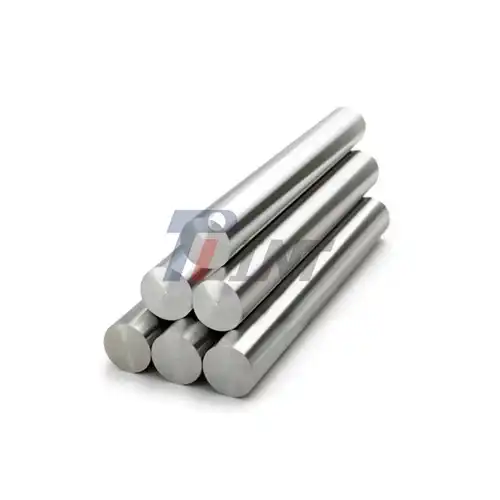
What are the key features of GR9 titanium bars with 8mm diameter?


 2026-07-21 09:52:40
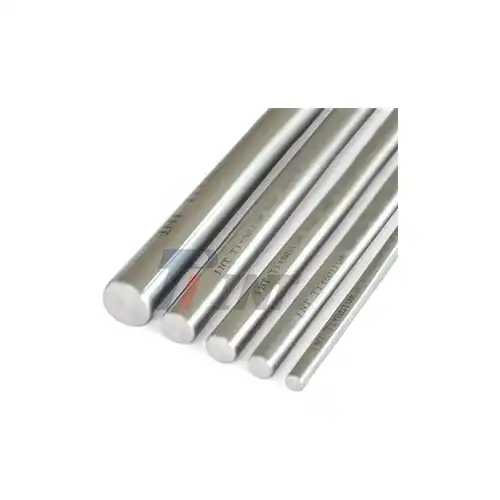
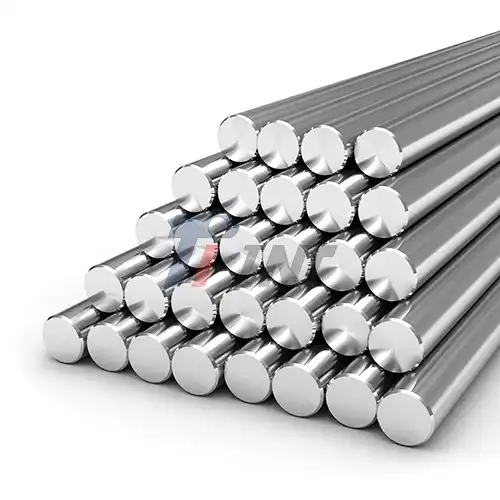
The Gr9 Titanium Bar Dia 8mm is made of a special titanium metal (Ti-3Al-2.5V) that was designed to be strong, easy to shape, and safe for living things. The tensile strength of this middle alpha-beta metal is ≥620 MPa, and its density is only 4.48 g/cm³. This makes it much lighter than steel while still having great mechanical stability. When compared to Grade 5 titanium, the 8mm diameter specification is better at resisting corrosion and weldability. It is used as an industry standard for making medical devices, especially orthopedic implants, dental applications, and precision surgical instruments where patient safety and reliability are very important.
|
|
|
Introduction
Manufacturers of medical devices are always looking for materials that can meet stricter legal standards and still work reliably in a wide range of practical settings. Procurement managers and research and development engineers are looking for sellers who can provide approved goods with consistent mechanical qualities and full tracking paperwork. This has increased the demand for medical-grade titanium materials that are very pure. When choosing materials for internal devices, surgery tools, and high-precision medical equipment, it's important to know what makes titanium metals unique.
This in-depth study looks at the Ti-3Al-2.5V metal in the form of an Gr9 Titanium Bar Dia 8mm, covering the technical requirements, approval standards, and practical factors that affect buying choices. We help supply chain managers and production engineers make smart decisions about where to get materials by using information from well-known industry standards like ASTM B348, ASTM F136, and ISO 5832-3. The main goal is to make it clear how this material standard solves common problems, such as making sure the material is biocompatible and stable, so it can be safely used in medical industrial processes.
Understanding GR9 Titanium Bar 8mm: Properties and Composition
Chemical Composition and Alloy Design
The main element in the Ti-3Al-2.5V mixture is titanium. It also has 2.5–3.5% aluminum and 2.0–3.0% vanadium. This carefully managed chemistry keeps both the alpha and beta phases stable in the microstructure. This makes a two-phase alloy that is in between the malleability of commercially pure titanium and the strength of Grade 5. The aluminum content makes the alpha phase stronger while lowering its density. The vanadium content, on the other hand, stabilizes the beta phase and makes it easier to shape at room temperature. Maximum iron content stays at 0.25%, and oxygen levels are kept below 0.15% to keep the material's flexibility and cold-working properties. This is an important difference that lets industrial processes that need a lot of bending happen without having to do any heating steps in between.
When medical devices are being made, the balanced metal form is more useful. Grade 5 titanium usually needs to be hot-worked or heat-treated more than once. This material, on the other hand, can be cold-headed, thread-rolled, and formed in complex ways at room temperature. This kind of processing versatility lowers the cost of production while keeping the accuracy needed for threaded bone screws, dental abutments, and instrument shaft parts.
Mechanical Performance Characteristics
For a Gr9 Titanium Bar Dia 8mm, tensile strength tests always show values at or above 620 MPa (90 ksi), and yield strength tests show values at or above 483 MPa (70 ksi). Usually, elongation values are between 15 and 20 percent, which means that the material is flexible enough for manufacturing tasks and strong enough to withstand repeated loads. The material is very resistant to wear, so it can handle the repeated stress cycles that are typical in orthopedic fixing devices and moving surgery tools without breaking down too soon.
With a density of 4.48 g/cm³, the metal is about 56% lighter than stainless steel. This means that small surgery tools and internal hardware can be made with a lot less weight. This strength-to-weight ratio is especially useful in spine stabilization systems and trauma plates, where it's important to keep the patient's weight as low as possible while still providing structural support. Precision cutting can be done on the 8mm diameter standard, which lets makers make parts with the tight tolerances needed for threaded joints and press-fit systems.
Corrosion Resistance and Surface Stability
Being in physiological settings requires rust protection that is very high. The inactive titanium oxide layer forms naturally on open surfaces, protecting well against rust caused by chloride, which can happen to some types of stainless steel in body fluids. In tests, it was shown to be resistant to pitting and crevice corrosion in salty solutions at body temperature. In neutral and slightly oxidizing conditions, it performed as well as or better than commercially pure titanium grades.
Surface treatments like cleaning, pickling, and electrolytic passivation make things less likely to rust while still meeting the cleanliness standards needed for medical uses. These finishing choices let you make changes based on the needs of the device, like making the surface rougher for better osseointegration in tooth implants or getting a mirror finish on instrument parts that need to be cleaned often. Multiple autoclaving cycles don't break down the material, which allows for reuse tool designs that can withstand hundreds of cleaning cycles over the course of their useful life.
Advantages and Industrial Applications of GR9 Titanium Bars 8mm Diameter
Core Material Advantages
When buying medical devices, materials that are lighter without sacrificing strength are becoming more and more important. Low density and high strength work together to make it possible to make instruments that are more comfortable for surgeons to use during long treatments. This metal is used to make surgical tools that are hard enough for precise handling while also lighter than larger options.
Enhanced biocompatibility meets the rules for materials that touch flesh or stay in place for a long time. The metal doesn't contain any elements that can cause sensitive reactions, and it meets the biocompatibility testing guidelines in the ISO 10993 series of standards. Osseointegration studies show that bone and implants can join well if the surface is properly changed. This supports their use in oral implantology and orthopedic fixing, where biological integration determines clinical results. The welding properties are better than those of higher-strength titanium types, which means that strong joints can be made in multi-part systems without having to go through complicated heat processes after the welding process. This ability to be welded opens up more design options for complicated medical tools that need airtight seals or permanent connection of parts.
Medical Device Applications
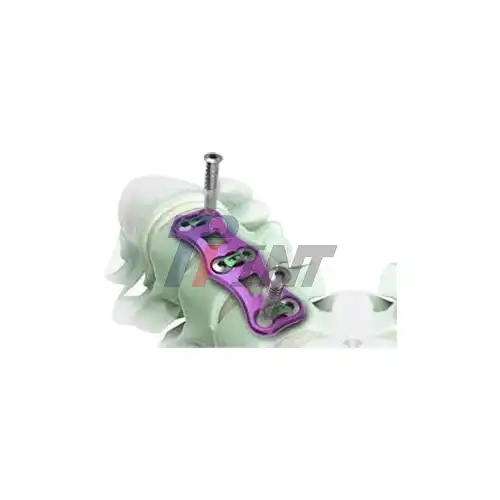
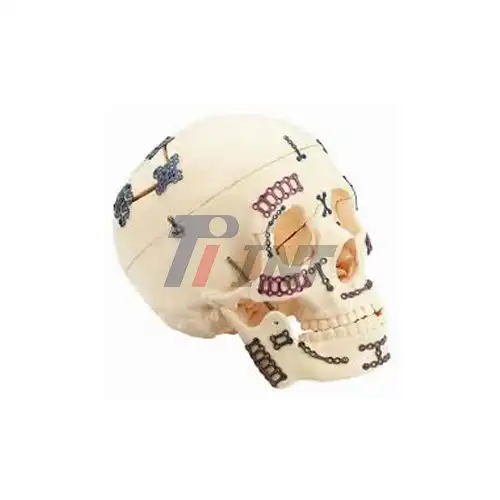
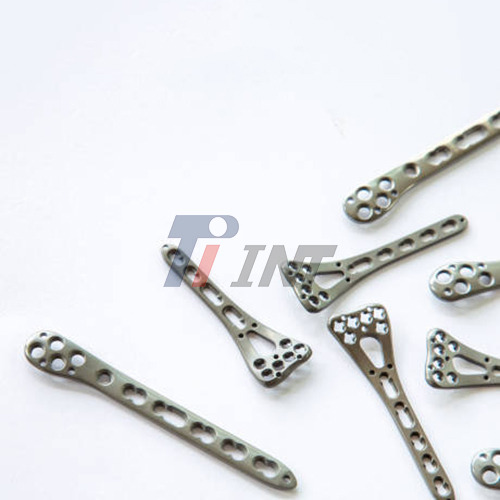
The Gr9 Titanium Bar Dia 8mm is used to make intramedullary nails, bone screws, and fixing pins for orthopedic trauma devices. The diameter works for fitting cortical screws with outer diameters between 3.5 mm and 4.5 mm, which are typical sizes for fracture repair hardware. Material fatigue resistance makes sure that these devices keep their structural integrity under physiological loads during the repair period, which usually lasts for several months of constant mechanical stress.
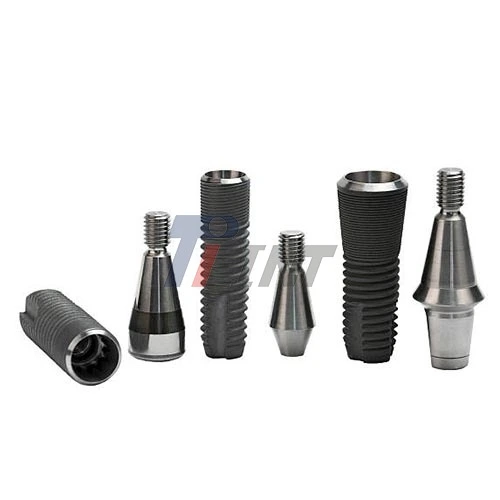
This material is used in the making of both abutments and implant bodies for dental implant systems. The diameter gives enough room for the tapering links and internal holes that are needed in current implant-abutment contacts to be machined. By applying surface processes specifically designed for osseointegration, the machining parts are turned into implants that can survive chewing forces and fuse with the bone tissue around them. From this bar stock, companies that make surgical instruments make reusable tools like retractors, tweezers, and special dissection instruments. The resistance to rust allows for multiple cleaning and sterilization processes, which are required by infection control measures. The strength-to-weight ratio makes the instruments easier to handle. Neurosurgery, cardiovascular treatments, and minimally invasive methods all have specific medical needs that can be met by custom designs.
Comparative Analysis: GR9 Titanium Bar 8mm vs Other Metals and Alloys
Performance Comparison with Alternative Materials
Due to established supply lines and lower material prices, stainless steel 316L is still commonly used in medical industry. But a straight comparison shows big differences that affect how well the devices work. The titanium metal weighs about 44% less than stainless steel parts with the same shape, which lowers the mass of the implant and makes the device more comfortable to use. Corrosion resistance in chloride settings is better, so there are no more worries about spots that come up when surgical saline treatment or body fluids come in touch with implantable devices.
Aluminum metals have similar benefits when it comes to density, but they aren't strong enough or biocompatible enough for most medical uses. Its mechanical qualities aren't good enough to be used as load-bearing orthopedic gear, and worries about aluminum ions getting into nearby flesh make it impossible to insert. Grade 5 titanium (Ti-6Al-4V) has a higher final strength, hitting about 895 MPa when heated and cooled. While the added strength is good, it makes the material harder to cold form and more difficult to join. When cold heading or thread making is needed, the lower-strength metal works better because it cracks less easily and requires less force to form. Material choices are affected by cost, especially when a lot of them are being made. The price per kilogram is higher than that of stainless steel, but lifetime studies show that there may be cost savings over time. The resistance to rust makes the device last longer, so it doesn't need to be replaced as often in reuse tools. Cutting down on weight may lower the cost of sending finished goods, which is especially important for networks that move goods between countries.
Supplier Considerations and Material Availability
Reliability in procurement depends on the skills of the seller, including their ability to meet licensing requirements, maintain quality control infrastructure, and produce enough goods. Comprehensive material tracking is required by medical device rules. This means that providers must keep accurate records that connect finished goods to specific material heats and include mechanical test results and chemical analyses. Established makers keep certificates like ISO 13485:2016, which is for medical device making, and ISO 9001:2015, which is for quality management systems. These badges show organized ways of managing processes, keeping records, and always getting better—things that have a direct effect on the regularity of materials and the dependability of deliveries.
Understanding the differences between regional supply chains can help global buying strategies. Production is concentrated in areas that already have the equipment to handle titanium and are close to manufacturing hubs for aircraft or medicine. Lead times depend on how complicated the design is. Standard sizes and surface styles usually have shorter delivery windows than unique setups that need special processing. The minimum order numbers are based on how much it costs to make the product. Smaller quantities are usually offered at higher prices or from dealers who keep them in stock. Volume purchasing deals with main makers can get you better prices and first choice during times of limited supply, which is important to think about because making medical-grade titanium is very specialized.
Procurement Guide: Buying GR9 Titanium Bars 8mm in Global Markets
Sourcing Strategies and Supplier Evaluation
Finding suitable providers requires looking at more than just how cheap their prices are. The paperwork for material approval must show that it meets the relevant standards. For example, ASTM B348 applies to general titanium bar stock, ASTM F136 applies when biocompatibility testing is needed, and ISO 5832-3 applies for the European market. Each package should come with a mill test certificate that lists the heat numbers, chemical makeup, and mechanical property test results from the output lot.
A manufacturing capability review looks at the facilities for quality control and handling tools. Centerless grinding machines make the precise circle limits needed for CNC cutting, and heat treatment facilities let customers modify how their mechanical properties are improved. Inspection tools like spectrometry for checking the chemistry and tension testing equipment for checking the mechanical properties show a strong commitment to quality. By visiting manufacturing sites, you can see how things are made firsthand. However, source checks done by trained third parties are another way to be sure. Logistics prices and inventory management methods are affected by how close a place is to where the goods will be used. When comparing providers, domestic suppliers may offer faster wait times and easier customs processes, while foreign sources may offer lower prices or access to specialized processing tools that aren't available in the area.
Customization Options and Technical Support
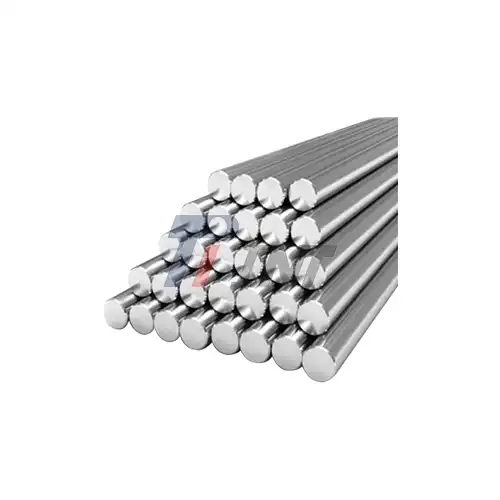
Standard bar stock of Gr9 Titanium Bar Dia 8mm can be used for many things, but customizing makes the production process more efficient and improves the performance of the finished product. Cutting to specific lengths cuts down on waste and on the number of extra tasks that need to be done at the device manufacturer's site. Because of tight limits on width and straightness, the parts can be fed directly into CNC lathes and Swiss-type machining centers without any extra work being done. Different end-uses call for different surface finish conditions, running from pickled to finished. Pickled surfaces get rid of the metal scale that builds up during hot working, leaving a clean surface for the next step of cutting. Polished finishes make the surface smoother, which is good for parts that need to have low friction or be easier to clean.
Customizing the heat process makes the material qualities work best for certain uses. Stress-relief annealing lowers the pressures that are still there after cold working, but it doesn't change the strength levels much. Solution cleaning and age processes can change the balance between strength and flexibility, but they aren't done as often on this metal as they are on Grade 5 titanium. Technical support from providers who know what they're doing speeds up product development and helps manufacturers solve problems. Help with choosing the right material helps match the properties of the metal to the needs of the application, and suggestions for cutting parameters improve tool life and surface quality. Processing problem solving uses the supplier's knowledge with many customer applications, which gives internal teams information they might not have.
Quality Assurance and Regulatory Compliance
Medical gadget laws have strict requirements for material quality that go beyond normal industry standards. Depending on the type of device and the length of time it is in touch with flesh, biocompatibility tests according to the ISO 10993 series may be needed. Cytotoxicity, sensitivity, and itching tests are the bare minimum for materials that come into touch with healthy skin. For implanted uses, like genotoxicity and insertion studies, more tests are needed.
Traceability systems need to use detailed paperwork chains to connect finished products to their original parts. Each production lot is given a unique number that lets people take action to return products if quality problems show up after they've been sold. Suppliers with strong tracking systems make regulatory applications easier by sending well-organized material qualification packages that include test reports, processing records, and certificates of compliance. Change control methods keep specifications or processes from changing without warning, which could affect how well a device works. Formal notice rules make sure that device makers know about any changes ahead of time. This lets evaluation studies make sure that the material is still suitable before putting it into production. Such agreements, which are usually made official through quality agreements, spell out clear roles and ways to talk to each other that help supply relationships last for a long time.
Conclusion
The Gr9 Titanium Bar Dia 8mm has great mechanical properties, is biocompatible, and can be made in a variety of ways, making it perfect for use in medical devices that need to be very precise. Its balanced makeup gives it strength close to that of higher-grade metals while still allowing it to be cold-formed, which speeds up the manufacturing process and lowers the cost of production. Strong resistance to rust and proven biocompatibility meet strict regulatory requirements for internal devices and surgery tools that need to be sterilized over and over again.
A full review of a supplier's qualities, such as compliance with certifications, manufacturing capabilities, and expert support infrastructure, is helpful for making purchasing choices. Because the material performs better than stainless steel and other options, it is important to carefully choose suppliers and build relationships with them. As medical devices get more complicated and regulators become more strict, working with skilled material providers can help with developing new products, following regulations, and making the manufacturing process more efficient.
FAQ
Q1: What tensile strength can I expect from this titanium alloy bar?
A: The minimum tensile strength for material that meets ASTM B348 standards is 620 MPa (90 ksi), and the maximum yield strength is 483 MPa (70 ksi). Actual values are usually higher than these minimums, and the exact results are written on mill test papers that are sent with every package. These mechanical properties make the metal strong enough for orthopedic fixing devices and surgery tools while still letting it bend enough for cold forming.
Q2: How does corrosion resistance compare with medical-grade stainless steel?
A: The titanium metal is better than 316L stainless steel at resisting rust caused by chloride, especially in salty settings that are like body fluids. The inactive oxide layer forms on its own and protects well against pitting and cavity erosion. This benefit makes devices last longer when they are implanted and lowers the upkeep needed for medical tools that are used more than once and have to be cleaned and sterilized many times.
Q3: Can suppliers provide custom lengths and surface finishes?
A: Manufacturers with a good reputation offer customization services, such as precise length cuts, circle accuracy specs, and different surface treatments. There are a lot of choices, from pickled finishes that get rid of rust scale to polished surfaces that reach certain sharpness levels. Custom processing cuts down on trash at the factory that makes the gadget and can make cutting more efficient. Talking to providers about specific needs during the quote process makes sure that their skills match your manufacturing needs.
Source High-Quality Gr9 Titanium Bar Dia 8mm from a Trusted Manufacturer
The best medical devices start with high-quality products and dependable supply agreements. Baoji INT Medical Titanium Co., Ltd. has been making medical-grade titanium products for more than 20 years and has advanced manufacturing skills as well as quality systems that are approved to ISO 9001:2015, ISO 13485:2016, and EU CE standards. Our 8mm diameter bars are made to meet the standards set by ASTM B348, ASTM F136, and ISO 5832-3. Each order comes with full traceability paperwork and mill test papers.
In the medical device industry, we know how hard it is for buying managers and R&D workers. Our expert team helps you choose the right materials, make suggestions for cutting parameters, and provide fast support throughout the entire product creation cycle. Your unique production needs can be met by customization services like precise cutting, surface finishing, and fast delivery. We keep enough supplies and ability to meet your needs, whether you need small amounts for original testing or large amounts for business production. To talk about your Gr9 Titanium Bar Dia 8mm needs, email our team at export@tiint.com. As a provider with a lot of experience working with medical device makers around the world, we can give your projects the quality materials, professional know-how, and supply stability they need.
References
1. American Society for Testing and Materials. "Standard Specification for Titanium and Titanium Alloy Bars and Billets." ASTM B348-13, West Conshohocken, PA, 2013.
2. American Society for Testing and Materials. "Standard Specification for Wrought Titanium-6Aluminum-4Vanadium ELI (Extra Low Interstitial) Alloy for Surgical Implant Applications." ASTM F136-13, West Conshohocken, PA, 2013.
3. International Organization for Standardization. "Implants for Surgery—Metallic Materials—Part 3: Wrought Titanium 6-Aluminum 4-Vanadium Alloy." ISO 5832-3:2016, Geneva, Switzerland, 2016.
4. Donachie, Matthew J. "Titanium: A Technical Guide, 2nd Edition." ASM International, Materials Park, OH, 2000.
5. Rack, H.J. and Qazi, J.I. "Titanium Alloys for Biomedical Applications." Materials Science and Engineering C, Volume 26, Issues 8, 2006, pp. 1269-1277.
6. Niinomi, Mitsuo. "Mechanical Biocompatibilities of Titanium Alloys for Biomedical Applications." Journal of the Mechanical Behavior of Biomedical Materials, Volume 1, Issue 1, 2008, pp. 30-42.
_1755062186746.jpg)
_1755061801114.png)
_1750662309903.webp)
_1749195818446.webp)