




What Are the Benefits of Titanium Bar Implants for Older Adults?


 2026-10-28 09:17:43
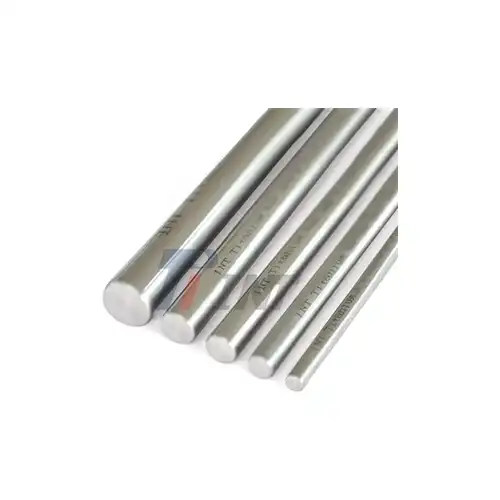
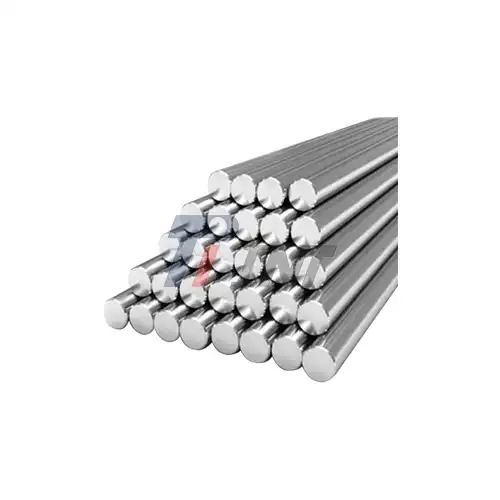
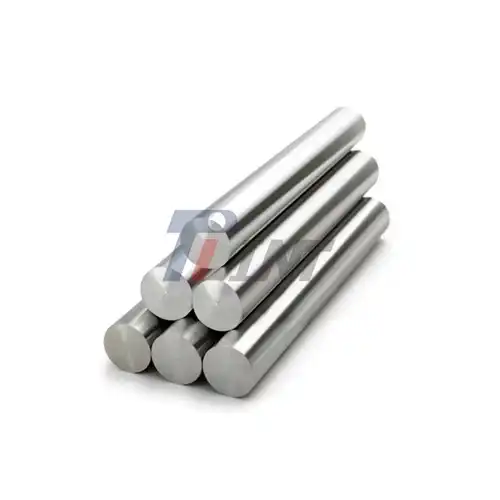
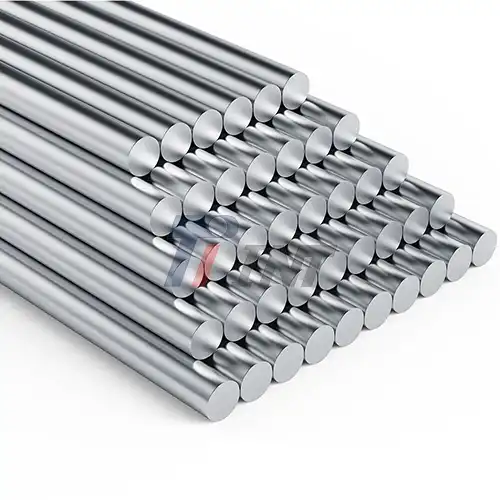
Titanium bar implants deliver measurable clinical advantages for older adults navigating tooth loss or skeletal deterioration. As a rigid, biocompatible titanium framework connecting multiple endosseous implants, these structures distribute masticatory forces evenly across the alveolar ridge — reducing localized bone stress that accelerates resorption in aging patients. Manufactured primarily from Grade 23 Ti-6Al-4V ELI alloy and held to ASTM F136 or ISO 5832-3 standards, implant-grade titanium bar stock provides the mechanical backbone that prosthetic laboratories and orthopedic manufacturers rely on to produce stable, long-lasting restorations for senior populations.
|
|
|
Why Titanium Bar Implants Matter for the Aging Population?
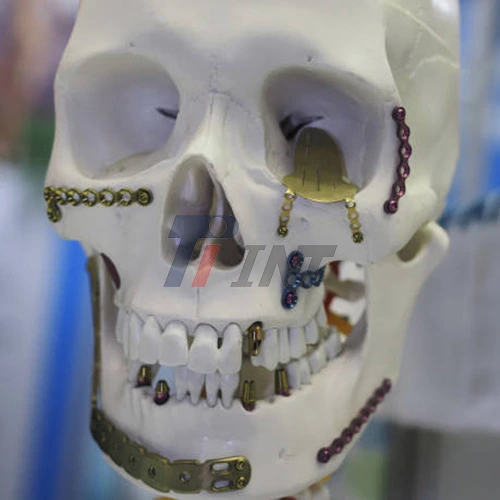
By 2034, the U.S. Census Bureau predicts that there will be more people aged 65 and up than children under 18. At the same time, the American College of Prosthodontists says that about 36 million Americans don't have any teeth at all. As these groups of people get older, they create a steady need for high-quality titanium bar stock, which is used in prosthetic systems for seniors.
Biocompatibility That Aging Bone Can Tolerate
Titanium forms a stable TiO2 oxide layer on its surface when it comes into contact with oxygen. This makes the metal chemically inert in living settings. This self-passivation stops metallosis and lowers the inflammatory reaction, which is very important for older people whose immune systems aren't as strong and who can't heal as well. In clinical studies, osseointegration rates for titanium-based implant systems in people over 60 are typically higher than 95%. This shows that the material works well with bone that has been aged.
Stress Shielding Reduction Through Matched Modulus
Titanium bar implants made from Ti-6Al-4V ELI have a Young's Modulus of about 110 GPa, which is much closer to the Young's Modulus of human cortical bone (15–25 GPa) than it is to cobalt-chromium (200–230 GPa) or stainless steel (200 GPa). While no metal implant exactly matches the hardness of bone, titanium's low modulus lowers stress shielding, a process in which overly rigid implants take on load that should cause bone remodeling. For older people who already have osteopenia or osteoporosis, reducing stress shielding is not an option; it is a basic design requirement.
The Implant Procedure: Quality Parameters That Procurement Teams Must Verify
When purchasing experts and supply chain leaders look at titanium bar stock, they need to consider more than just the price per kilogram. Any bar-retained prosthetic system's clinical success can be traced back to the material specifications used in the beginning. Here are the main quality factors that affect how well surgery goes in the future:
- Chemical composition compliance: ASTM F136 permits a maximum oxygen content of 0.13 wt% for ELI grade. Elevated interstitial oxygen reduces ductility and fracture toughness — properties critical for bars subjected to cyclic occlusal loading that can reach 700 N in full-arch restorations.
- Dimensional tolerance and surface consistency: Precision milling centers require titanium bar stock held to h8/h9 tolerances to maintain passive fit — the absence of internal stress at the implant-bar interface. Passive fit failure is a leading cause of screw loosening and bone loss in implant-supported prosthetics.
- Traceability documentation: EN 10204 3.1 Mill Certificates, heat numbers, and Certificate of Analysis (COA) reports are non-negotiable for regulatory submissions in the U.S. (FDA 510(k)) and European MDR frameworks.
- Metallurgical microstructure: A fine alpha-beta phase structure enables clean, artifact-free subtractive machining in 5-axis milling centers without inducing thermal micro-cracks or compromising bur life.
Together, these factors for titanium bar implants show whether a lab makes a replacement that fits in normally or one that causes problems in the body within a few years of being put in. When these standards are followed by procurement teams when they are finding materials, they protect their customers and lower the risk of expensive product responsibility.
Titanium Bar Implants vs. Alternative Implant Materials
Knowing how titanium stacks up against other materials can help procurement workers explain the choice of material to regulatory affairs managers and clinical experts. The following comparison looks at the choices that are most often looked at in applications for senior care.
Zirconia has gotten a lot of attention as an alternative to metal, and some patients like the way it looks better. Zirconia is not good for long-span bar frames in edentulous patients, though, because it breaks easily under flexural stress. This is especially true for older people whose occlusal forces are not distributed evenly. Cobalt-chromium metal is very hard, but it has a high elastic modulus, which makes the bone-implant contact more stressed and causes a lot of MRI scatter artifacts, which makes tracking after surgery more difficult. Titanium, on the other hand, is radiolucent in MRI images, which means that the tissues around the implant can be seen clearly without any artifacts.
Traditional removable dentures don't need implants, but they don't work nearly as well. Journal of Prosthetic Dentistry research shows that traditional dentures only keep 25–30% of the chewing efficiency of natural teeth, while implant-supported bar-retained overdentures restore about 80%. This is a functionally significant difference for patients whose nutrition depends on being able to chew well.
Procurement Insights: Sourcing Implant-Grade Titanium Bar Stock Responsibly
When people in B2B buying try to get titanium bar implants manufacturer-grade materials, they run into problems that generic metal sellers can't solve. A supplier that follows a certified medical device quality management framework is needed for regulatory audits, batch traceability requirements, and OEM customization needs.
Baoji INT Medical Titanium Co., Ltd. has been in the medical titanium business since 2003, with founder Mr. Zhan Wenge in charge. Mr. Wenge has over 30 years of direct experience in the titanium business. INT is certified by both ISO 13485:2016 and ISO 9001:2015. Its products include pure titanium (CP Grade 1–4), Ti-6Al-4V ELI (Grade 23), and titanium alloy bar, wire, plate, and forged products in a wide range of diameters and specifications. All of these are made in line with ASTM F136, ASTM F67, and ISO 5832 series standards.
INT's batch management system sets it apart in a field where standard compliance is the norm. There are full heat number traceability, EN 10204 3.1 Mill Certificates, and COA documents that go with every package that meet FDA, MDR, and ISO 13485 audit standards. INT allows both on-site and remote SQE audits by customers and small-batch sampling for projects that are still in the development stage. This solves one of the biggest problems that comes up when qualifying a new supplier.
Future Outlook: Where the Titanium Bar Implant Market Is Heading
The way prosthesis labs work with titanium bar implants is changing because of digital operations. With intraoral scanning, cloud-based CAD design, and 5-axis dry/wet milling, the time it takes to make a bar has been cut from days to hours. When milling settings are programd once and used on a large scale, this change puts new requirements on material providers. For example, microhardness must be the same across production batches. Stress-relieved titanium bar stock, which is a standard output from INT's production line, cuts milling time by 30–40% and increases bur service life by up to 50% compared to sintered cobalt-chromium. This directly lowers dental laboratories' per-unit production costs.
Regulatory pressures are also getting stronger. Because of the EU MDR (Medical Device Regulation 2017/745) and the FDA's growing interest in raw material supply chains, procurement managers can't just buy titanium bar stock like any other item. Documentation about the supplier's qualifications, biological safety data that meets ISO 10993 standards, and proof of consistent batches have become important points of audit. Buying from a supplier with a history of compliance that goes back ten years is not an extra cost; it lowers your risk.
Conclusion
In conclusion, titanium bar implants provide a reliable solution for aging patients requiring stable, long-term prosthetic support. With excellent biocompatibility, suitable mechanical properties, and compliance with medical-grade standards, titanium bar stock plays a critical role in implant success. For manufacturers and procurement teams, selecting a qualified titanium supplier with strict quality control, traceability, and certification is essential to ensure safer, more durable, and clinically effective implant systems.
FAQ
Q1: Is Ti-6Al-4V ELI required for all titanium bar implant applications?
A: Not universally, but ELI grade is strongly recommended for long-span or full-arch bar frameworks subjected to cyclic occlusal loading. Its reduced interstitial oxygen content enhances fracture toughness compared to standard Grade 5, making it the preferred specification for high-stress implant applications in older adult patients.
Q2: What documentation should I request when qualifying a titanium bar stock supplier?
A: Request the EN 10204 3.1 Mill Certificate, Certificate of Analysis covering chemical composition and mechanical properties, heat number traceability records, ISO 13485 certification scope, and any available third-party test reports (chemical, tensile, metallographic). These documents form the evidentiary basis for regulatory submissions.
Q3: Does titanium bar stock require any post-machining treatment before prosthetic use?
A: After CNC milling, the passive oxide layer is disrupted. A validated anodization or chemical passivation protocol re-establishes the TiO₂ surface, restoring corrosion resistance and improving gingival tissue response around the final restoration.
Q4: Can titanium bar stock accommodate small-batch orders during product development?
A: Reputable suppliers with medical device quality systems can accommodate development-stage small batches. INT specifically supports multi-specification sample orders for new implant development projects, aligned with the qualification workflow most prosthetic manufacturers follow before committing to volume procurement.
Partner With Baoji INT Medical Titanium Co., Ltd. for Certified Implant-Grade Titanium Bar Stock
The Baoji INT Medical Titanium Co., Ltd. offers ASTM F136/ISO 5832-3 compliant Ti-6Al-4V ELI titanium bar inserts supplier-grade materials that can be fully tracked according to EN 10204 3.1. They are also ISO 13485:2016 certified and have flexible sample programs for developing new products. Today, ask for your material specs, COA samples, and audit paperwork. You can email our technical team at export@tiint.com to see all of our products.
References
1. Adell, R., Lekholm, U., Rockler, B., & Brånemark, P.-I. (1981). A 15-year study of osseointegrated implants in the treatment of the edentulous jaw. International Journal of Oral Surgery.
2. Brunette, D. M., Tengvall, P., Textor, M., & Thomsen, P. (Eds.). (2001). Titanium in Medicine: Material Science, Surface Science, Engineering, Biological Responses and Medical Applications. Springer.
3. Chee, W., & Jivraj, S. (2006). Screw versus cemented implant supported restorations. British Dental Journal.
4. Elias, C. N., Lima, J. H. C., Valiev, R., & Meyers, M. A. (2008). Biomedical applications of titanium and its alloys. JOM: Journal of the Minerals, Metals and Materials Society.
5. Sadowsky, S. J. (2007). Treatment considerations for maxillary implant overdentures: A systematic review. Journal of Prosthetic Dentistry.
6. ASTM International. (2023). ASTM F136-23: Standard Specification for Wrought Titanium-6Aluminum-4Vanadium ELI Alloy for Surgical Implant Applications. ASTM International.