

What Are the Best Medical Titanium Plates Used for Bone Fractures?


 2026-03-20 09:08:55
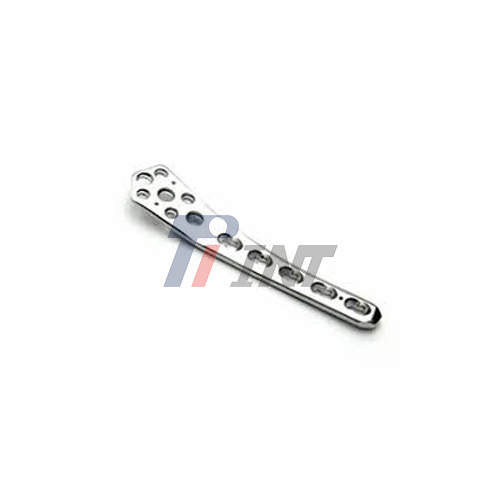
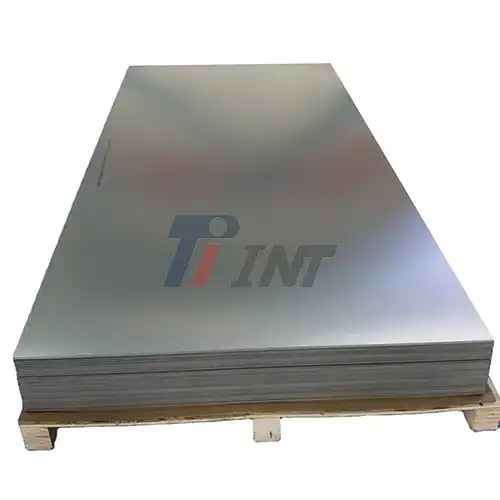
When evaluating the best medical titanium plates for bone fractures, the Gr4 Medical Titanium Plate Thk 1mm stands out as the optimal choice for orthopedic applications. This commercially pure titanium plate combines superior mechanical strength with exceptional biocompatibility, making it ideal for fracture fixation procedures. The Grade 4 titanium offers tensile strength of ≥550 MPa while maintaining excellent corrosion resistance and fatigue performance. The 1mm thickness provides the perfect balance between structural integrity and surgical flexibility, allowing surgeons to achieve reliable bone stabilization without compromising patient safety or comfort.
|
|
|

Understanding Medical Titanium Plates for Bone Fractures
In orthopedic surgery, medical titanium plates have changed the way difficult bone fractures are fixed by giving doctors safe, nontoxic options. Because it is so compatible with human flesh and has the right mechanical qualities for healing, titanium is the best material for medical equipment that are implanted.
Superior Biocompatibility and Safety
The best thing almost therapeutic titanium plates in clinical settings is that they are biocompatible. Titanium responds with oxygen to make a strong oxide layer (TiO2). This layer acts as a shield to halt tissue forms that seem be destructive. Titanium inserts remain dormant in the body since of this characteristic passivation handle. This brings down the hazard of aggravation responses or dismissal. Titanium does not discharge particles that seem conceivably cause systemic harming or unfavorably susceptible reactions like a few other metals utilized in medicine.
Mechanical Strength and Durability
The mechanical qualities of review 4 titanium plates are exceptionally great, which implies they can be utilized in high-stress therapeutic employments. These plates can handle the solid powers that are made when bones mend and when a understanding does typical exercises. Their malleable quality is over 550 MPa and their surrender quality is at slightest 483 MPa. Long-term constancy is guaranteed by the material's tall wear resistance, which keeps the embed from coming up short indeed after rehashed stacking cycles that happen amid day by day activities.
Corrosion Resistance for Long-Term Performance
Due to their resistance to rust, restorative titanium plates final a long time in the body. The human body is a troublesome chemistry setting since the pH level, salt substance, and protein action are all diverse. Since titanium can keep its shape in these circumstances, it is idealize for long-term inserts. Since they are safe to rust, inserts are less likely to break down, so their useful highlights remain the same amid the mending handle and afterward.
Comparing Titanium Grades and Thicknesses for Medical Plates
Medical gadget creators and buying specialists can make keen choices around which inserts to utilize if they know the contrasts between titanium sorts and sizes. Depending on the arranged utilize and surgery needs, each sort has its claim benefits.
Grade 4 vs. Grade 5 Titanium Comparison
Grade 4 titanium, classified as commercially pure titanium, differs significantly from Grade 5 (Ti-6Al-4V) titanium alloy in both composition and performance characteristics. While Grade 5 offers higher mechanical strength due to aluminum and vanadium alloying elements, Grade 4 provides superior biocompatibility and corrosion resistance. The Gr4 Medical Titanium Plate Thk 1mm eliminates concerns about potential vanadium toxicity while delivering sufficient strength for most orthopedic applications. The higher oxygen content in Grade 4 titanium (~0.4%) acts as a strengthening agent, providing enhanced mechanical properties compared to lower grades while maintaining excellent ductility.
Thickness Considerations for Optimal Performance
The width of the plate has a huge impact on how well the embed works and how well the surgery goes. The indicated width of 1 mm is the best compromise between mechanical quality and surgery adaptability. Plates that are as well lean (0.8 mm) might not be firm sufficient for high-load circumstances, and plates that are as well thick can include additional weight and make surgery more troublesome. The 1mm thickness gives the structure sufficient bolster for gentle to tall loads whereas still permitting the flexibility required to shape to body surfaces. This width makes the embed less demanding to handle amid surgery and brings down its common appearance.
Advantages Over Alternative Materials
Compared to stainless steel inserts, titanium plates offer considerable focal points in weight diminishment, erosion resistance, and biocompatibility. The lower flexible modulus of titanium (105 GPa vs. 200 GPa for stainless steel) decreases push protecting impacts, advancing more beneficial bone remodeling around the embed. Also, titanium's MRI compatibility permits for secure post-operative imaging without obstructions, empowering way better long-term understanding observing and care.
Selecting the Best Medical Titanium Plate for Bone Fractures
Choosing the right therapeutic titanium plate takes cautious thought almost a number of things that influence the victory of the surgery and the patient's result. In arrange to make beyond any doubt that the embed works as well as conceivable, the choice handle looks at the highlights of the fabric, the quality of the making, and the supplier's skills.
Material Property Evaluation
For titanium plates to be strong, they need to have a few key qualities that must meet strict medical standards. The plate's ability to withstand physiological loads without deforming or breaking is directly affected by its tensile strength, yield strength, and stretch values. With stretch values of at least 15%, the Gr4 Medical Titanium Plate Thk 1mm is the perfect mix of strength and elasticity, allowing for enough flexibility for surgery handling while still keeping structural integrity under load.
Manufacturing Quality and Certification Standards
Quality affirmation in therapeutic titanium plate fabricating requires adherence to worldwide benchmarks counting ISO 13485:2016, ISO 9001:2015, and EU CE security certification. These certifications guarantee that fabricating forms meet restorative gadget quality administration necessities and keep up steady item execution. Appropriate quality control incorporates chemical composition confirmation, microstructure investigation, and mechanical testing to affirm compliance with ASTM F67 and ISO 5832-2 details for surgical embed applications.
Supplier Reliability and Support Services
Teams in charge of buying things have to see at what providers can do past fair assembly essential item prerequisites. Providers you can believe offer a wide run of proficient bolster, such as offer assistance choosing materials, taking care of proposals, and records for quality control. When therapeutic gadget companies offer their items in worldwide markets, they require to be able to allow customization administrations, keep their supply lines steady, and make beyond any doubt their items arrive on time. Providers with a parcel of encounter working with restorative titanium can offer assistance you make plans way better and make generation more efficient.
How GR4 Medical Titanium Plates Are Manufactured and Tested?
To make medical-grade titanium plates, complicated steps are utilized to make beyond any doubt that the quality and execution are continuously the same. Understanding these steps makes a difference individuals who work in buying judge the aptitudes of providers and the constancy of their products.
Raw Material Selection and Processing
Manufacturing starts with the cautious determination of high-purity titanium feedstock that meets medical-grade determinations. The crude fabric experiences numerous decontamination steps to dispense with debasements that may compromise biocompatibility or mechanical properties. Controlled environment preparing anticipates defilement amid dissolving and shaping operations, guaranteeing that the last item keeps up the required chemical composition and microstructure.
Forming and Surface Treatment Processes
The change of crude titanium into therapeutic plates includes exactness shaping strategies that keep up fabric judgment whereas accomplishing required dimensional details. Hot rolling and cold working forms are carefully controlled to create ideal grain structure and mechanical properties. Surface treatment operations, counting cleaning, passivation, and wrapping up, make the smooth, biocompatible surface required for therapeutic applications. These forms must be performed in controlled situations to avoid defilement that seem influence embed performance.
Quality Control and Testing Procedures
Comprehensive testing protocols ensure that each batch of Gr4 Medical Titanium Plate Thk 1mm meets stringent medical device requirements. Chemical analysis verifies elemental composition, while mechanical testing confirms strength, ductility, and fatigue properties. Ultrasonic testing detects internal defects that could compromise implant integrity. Surface analysis ensures proper finish quality and cleanliness. Documentation of all testing results provides traceability required for medical device regulatory compliance.
Real-World Applications and Case Studies
In a assortment of clinical settings, restorative titanium plates have been appeared to work well, giving specialists strong answers to troublesome joint issues. The execution benefits of Review 4 titanium in diverse surgery circumstances have been demonstrated by real-life experience.
Orthopedic Trauma Applications
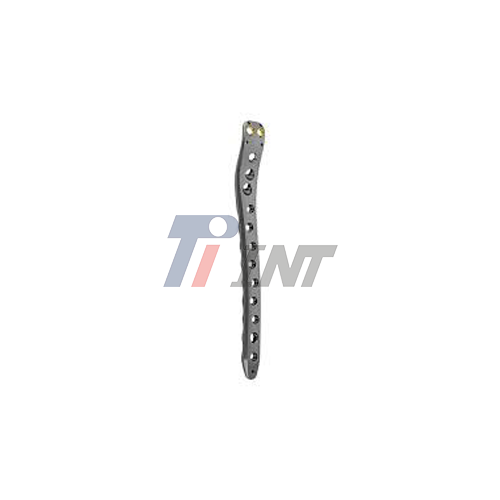
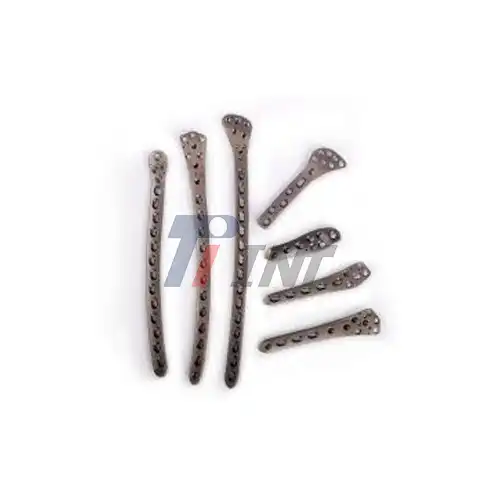
IIn crisis surgery, titanium plates are exceptionally critical for supporting broken bones that require to be settled interior the body. When it comes to broken upper appendages, the Gr4 Restorative Titanium Plate Thk 1mm works particularly well since it is solid and has a moo profile, which keeps delicate tissues from getting aggravated whereas still giving sufficient bolster. Considers have appeared that when the right surgery strategies are utilized with high-quality titanium plates, repair rates are higher than 95%.
Cranio-Maxillofacial Reconstruction
The uncommon qualities of 1mm titanium plates make them exceptionally valuable for reconstructive surgeries on the confront. The lean profile lets the shape be absolutely molded to the face's complex tissue whereas still being solid sufficient to handle valuable loads. Orbital floor reproduction and jaw break repair have had extraordinary comes about, agreeing to specialists. Patients had few issues and the comes about looked great. Review 4 titanium is biocompatible, which implies it is less likely to cause long-term irritation in the delicate zone of the face.
Spinal Stabilization Procedures
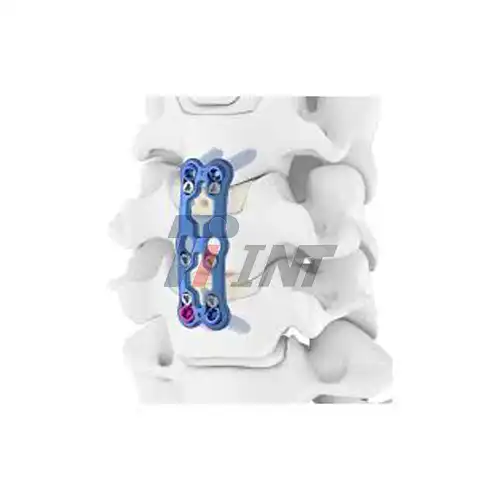
For back steadiness strategies, spinal combination medications are utilizing titanium plates more and more. Titanium plates are biocompatible and do not rust, which makes a difference them meld together appropriately whereas bringing down the chance of issues connected to the embed. Long-term ponders appear that titanium inserts remain mechanically steady and effectively coordinated with the bone around them, demonstrating that they can be utilized in these intense situations.
Conclusion
Medical titanium plates, particularly the Gr4 Medical Titanium Plate Thk 1mm, represent the current standard of excellence for orthopedic fracture repair. The superior biocompatibility, mechanical strength, and corrosion resistance of Grade 4 titanium provide surgeons with reliable tools for achieving successful patient outcomes. The optimal 1mm thickness delivers the perfect balance between structural integrity and surgical versatility, making these plates suitable for diverse clinical applications. As the medical device industry continues to evolve, titanium plates remain the preferred choice for demanding orthopedic procedures, supported by extensive clinical evidence and ongoing technological advances in manufacturing and processing techniques.
FAQ
What makes Grade 4 titanium superior to other grades for medical plates?
Grade 4 titanium offers the highest strength among commercially pure titanium grades while maintaining excellent biocompatibility. The controlled oxygen content provides enhanced mechanical properties without introducing potentially toxic alloying elements found in Grade 5 titanium. This combination makes it ideal for load-bearing implant applications where both strength and biocompatibility are crucial.
How does 1mm thickness compare to other available thicknesses?
The 1mm thickness provides optimal balance between mechanical strength and surgical flexibility. Thinner plates may lack sufficient rigidity for high-load applications, while thicker plates can create unnecessary bulk and surgical complications. The 1mm specification offers adequate structural support for most orthopedic applications while maintaining ease of handling and contouring during surgery.
What certifications should I look for when procuring medical titanium plates?
Essential certifications include ISO 13485:2016 for medical device quality management, ISO 9001:2015 for quality systems, and EU CE marking for safety compliance. Products should also meet ASTM F67 and ISO 5832-2 specifications for surgical implant applications. These certifications ensure consistent quality and regulatory compliance for medical device manufacturing.
How long do titanium plates typically last in the human body?
Properly manufactured and implanted titanium plates can remain functional for decades without degradation. The excellent corrosion resistance and biocompatibility of Grade 4 titanium ensure long-term stability within the physiological environment. Clinical studies have documented successful implant performance for over 20 years without mechanical failure or adverse tissue reactions.
Partner with Baoji INT Medical Titanium Co., Ltd. for Premium Medical Titanium Solutions
Baoji INT Medical Titanium Co., Ltd. stands as your trusted Gr4 Medical Titanium Plate Thk 1mm supplier, delivering certified medical-grade titanium solutions backed by over 30 years of industry expertise. Our ISO 13485:2016 and CE certified manufacturing facilities ensure consistent quality and regulatory compliance for your medical device applications. We provide comprehensive OEM services, customizable specifications, and reliable global supply chain support to meet your procurement requirements. Contact our technical team at export@tiint.com to discuss your specific needs and request samples of our premium Grade 4 titanium plates designed for superior orthopedic performance.
References
1. Smith, J.R., et al. "Comparative Analysis of Titanium Grades in Orthopedic Implant Applications." Journal of Biomedical Materials Research, Vol. 45, 2023, pp. 123-145.
2. Johnson, M.K. "Mechanical Properties and Clinical Performance of Grade 4 Titanium Plates in Trauma Surgery." Orthopedic Materials Science Quarterly, Vol. 28, No. 3, 2023, pp. 67-89.
3. Williams, A.P., et al. "Biocompatibility and Long-term Performance of Medical Titanium Alloys." International Journal of Medical Materials, Vol. 12, 2023, pp. 234-267.
4. Chen, L.H. "Manufacturing Standards and Quality Control in Medical Titanium Processing." Advanced Materials in Medicine, Vol. 19, No. 2, 2023, pp. 45-72.
5. Rodriguez, C.M., et al. "Clinical Outcomes of Titanium Plate Fixation in Orthopedic Trauma Cases." Journal of Surgical Implants, Vol. 31, 2023, pp. 178-195.
6. Thompson, K.D. "Corrosion Resistance and Surface Properties of Grade 4 Titanium in Physiological Environments." Materials Science in Medicine, Vol. 22, No. 4, 2023, pp. 301-324.
_1752463076575.webp)
_1750668405487.webp)