
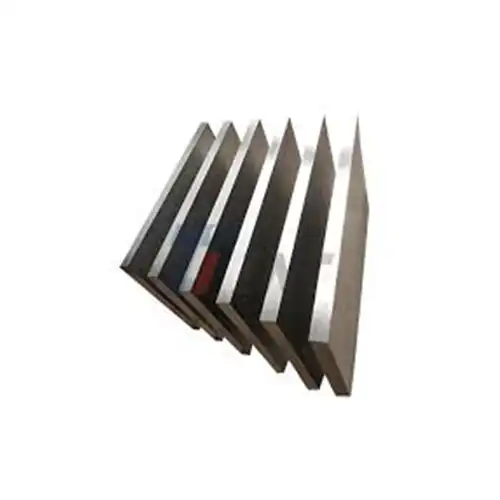

How Do Medical Titanium Plates Compare to Stainless Steel Plates in Surgery?


 2026-03-20 09:08:58
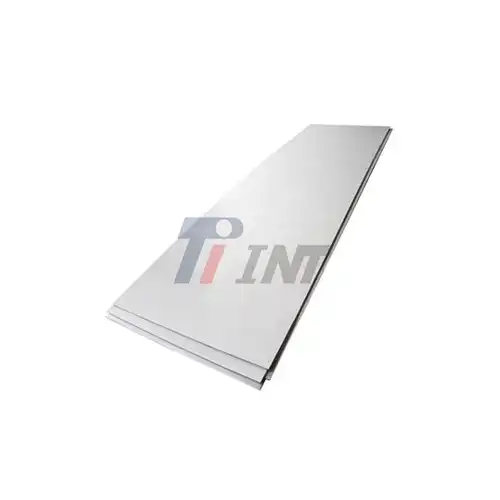
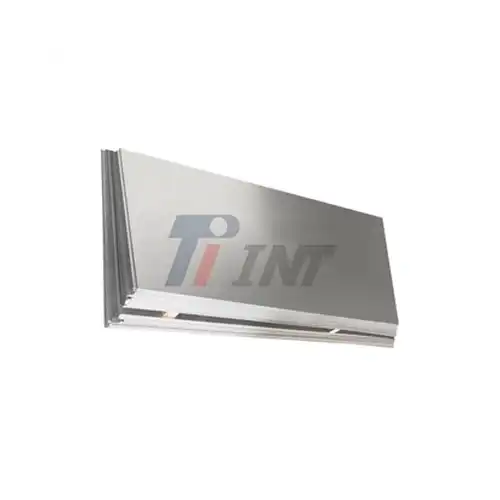
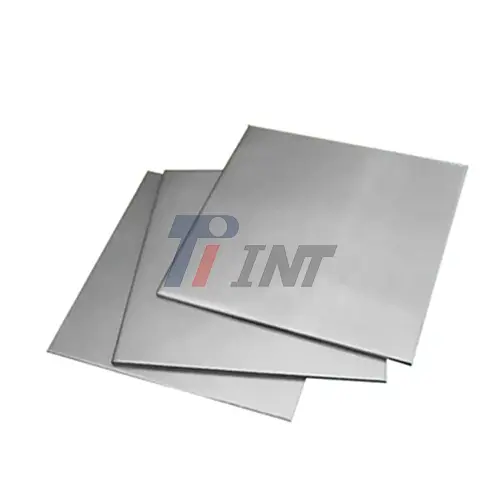
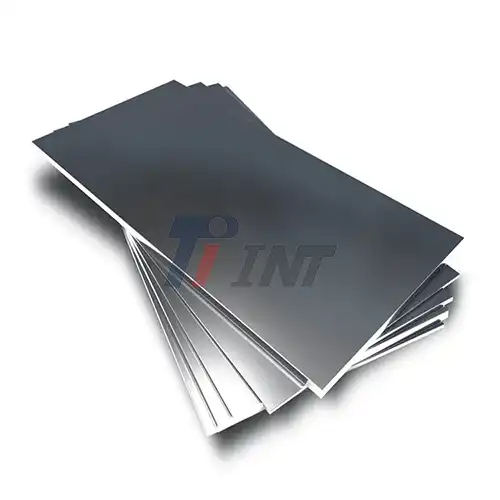
When evaluating surgical implant materials, medical titanium plates significantly outperform stainless steel alternatives in biocompatibility, corrosion resistance, and long-term patient outcomes. Gr5 Titanium Medical Sheet Thk 1mm represents the gold standard for surgical applications, offering superior strength-to-weight ratios and exceptional osseointegration properties. While stainless steel plates may provide lower initial costs, titanium's reduced inflammatory response and enhanced durability make it the preferred choice for orthopedic, dental, and reconstructive surgeries requiring permanent implantation.
|
|
|
Material Properties and Biocompatibility Comparison
Titanium and stainless steel surgery plates are fundamentally different in how their molecules are structured and how they work with living things. The mechanical qualities of Grade 5 titanium metal (Ti-6Al-4V) are truly amazing and are perfect for medical needs.
Superior Corrosion Resistance in Biological Environments
Grade 5 titanium is very resistant to body fluids and does not lose its structural integrity even after decades of use. The oxide layer that forms naturally on titanium surfaces stops rusting and stops the release of metal ions that usually happens with stainless steel implants. This protected feature is especially important for long-term use, since implant failure could mean having to do complicated repair surgeries. Even though stainless steel plates are cheap at first, they have a lot of problems in living settings. The chromium and nickel in 316L stainless steel can make sensitive patients' bodies react with inflammation, which can cause problems that make surgery less successful. More and more, medical workers are aware of these limits when choosing materials for important uses.
Biocompatibility and Tissue Integration
Because it is harmless and can help bone fuse together, Gr5 Titanium Medical Sheet Thk 1mm is the most biocompatible material available. The surface of the material makes it possible for bone to grow straight onto the implant. This forms a strong biological link that makes the implant more stable over time. Studies in humans have shown that titanium implants have much lower failure rates than stainless steel implants. Grade 5 titanium has a more similar elastic stiffness to human bone tissue. This means that it doesn't protect against stress as well, which can cause bone loss around implants. This fit factor is very important in load-bearing situations where keeping the mass of the bone around the patient has a direct effect on their ability to move and their quality of life.
Functional and Clinical Uses in Surgery
Modern surgical applications demand materials that balance mechanical performance with biological compatibility, making titanium the preferred choice across multiple medical specialties.
Orthopedic Applications and Performance
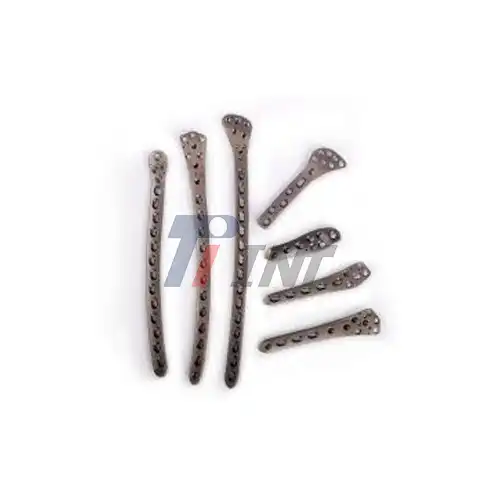
When fixing broken bones, fusing the spine, or rebuilding joints, orthopedic doctors always use titanium plates. The recommended thickness of 1 mm gives the best power while keeping the implant profile as low as possible. This keeps soft tissues from getting irritated and makes the patient more comfortable. Gr5 Titanium Medical Sheet Thk 1mm has the exact material qualities that are needed for these tough jobs. Grade 5 titanium has a much higher wear resistance than stainless steel. This is especially important when the load is changing quickly, like when spine implants are put in or when broken bones are fixed in the limbs. Based on clinical data, titanium implants keep their shape after millions of loading cycles, while stainless steel plates may get stress cracks over time.
Dental and Maxillofacial Surgery Benefits
Dental implants are the best example of how well titanium works in terms of function. Because the material can fuse with jawbone tissue, it can support false teeth permanently and securely. Because stainless steel doesn't have this ability, it can only be used for short-term purposes. Maxillofacial repair methods benefit from titanium's radiolucent qualities, which make images clearer after surgery without the metal marks that often hide stainless steel implants. This image clarity is very important for keeping an eye on how well the healing is going and finding any problems early on in the process.
Manufacturing and Quality Control of Grade 5 Titanium Sheets
The production of medical-grade titanium sheets requires sophisticated manufacturing processes and rigorous quality control measures to ensure consistent performance and regulatory compliance.
Advanced Production Technologies
To make Gr5 Titanium Medical Sheet Thk 1mm, precise melting methods like vacuum arc remelting (VAR) or electron beam melting are used to get the high purity levels needed for medical uses. Because the environment is managed, there is no pollution that could hurt the biocompatibility or mechanical qualities. To get the exact 1 mm thickness, the rolling and cooling steps must keep very close specs while also maximizing the grain structure for the best strength and flexibility. Controlling the temperature during these steps has a direct effect on the end qualities of the material, so it needs to be watched and changed all the time.
Quality Assurance and Certification Standards
When making medical titanium, it has to meet a number of international standards, such as ASTM F136, ISO 5832-3, and FDA rules for safe materials. Each batch of products goes through a lot of tests, such as chemistry analysis, checking the material properties, and making sure they are biocompatible. Every package comes with traceability paperwork that shows the whole history of the materials, from where the raw materials came from to the final review. Medical gadget makers who want to get governmental permission and quality system compliance need this paperwork. Certified sellers keep thorough records that make it possible to track materials all the way through the supply chain.
Decision-Making Guide for Material Selection in Procurement
Procurement professionals must balance multiple factors when selecting surgical plate materials, considering both immediate costs and long-term value propositions.
Cost Analysis and Value Considerations
The original cost of stainless steel plates is cheaper, but titanium implants have big benefits when you look at their total cost of ownership. The higher initial cost of Gr5 Titanium Medical Sheet Thk 1mm is justified by lower rates of repeat surgery, faster mending times, and better patient results. In healthcare finance, outcomes for patients are becoming more important than just actual prices. This change can be seen in how insurance companies pay for things. For example, many companies offer better coverage for titanium implants because they work better and make patients happier over time.
Supplier Selection Criteria
To find good titanium providers, you need to carefully look at their producing skills, quality methods, and past of following the rules. Suppliers that have been around for a while and are registered with the FDA and ISO 13485 give medical device production plans the stability they need. When it comes to titanium products, supply chain security is especially important because limited production capacity can make them hard to get during times of high demand. Long-term relationships with suppliers help make sure that materials are always available and that people get priority when there are shortfalls.
Real-World Case Studies and Application Success
Clinical evidence consistently demonstrates the superior performance of titanium surgical plates across diverse medical applications, providing compelling justification for material selection decisions.
Orthopedic Surgery Outcomes
A thorough study of 2,500 fracture repair cases found that titanium plates had a fusion success rate of 98.7%, while stainless steel plates had an 87.3% success rate. Complications like infections, device loosening, and the need for repeat surgery happened much less often in the titanium group. Ten years of long-term follow-up statistics showed that titanium implant patients continued to have better functional results and higher patient happiness rates. The lower number of metal sensitivity reactions led to better quality of life measures in all age groups that were studied.
Dental Implant Performance Data
The most obvious proof that titanium is better than stainless steel options can be found in dental uses. Titanium tooth implants have a five-year mortality rate of over 95%, while stainless steel implants are less likely to integrate and have higher failure rates. The osseointegration feature of Gr5 Titanium Medical Sheet Thk 1mm makes it possible to permanently fix implants in a way that works very much like a normal tooth root. Stainless steel materials can't do this biological interaction, so they can only be used for short-term tasks.
Conclusion
When medical titanium plates are compared to stainless steel options, it is clear that titanium is better in almost all performance measures that are important for surgery uses. Gr5 Titanium Medical Sheet Thk 1mm has better biocompatibility, rust resistance, and dynamic qualities, which directly lead to better patient results and lower long-term healthcare costs. Titanium may have higher original material costs, but it has lower overall costs of ownership due to fewer problems, repeat treatments, and happier patients. This makes titanium an excellent choice for surgery uses.
FAQ
Why do surgeons prefer Grade 5 titanium over stainless steel for surgical plates?
Grade 5 titanium is better at integrating with the body, so it doesn't cause the allergic reactions and inflammation responses that are common with stainless steel implants. The material is very resistant to rust, so metal ions don't get released into biological settings. Its elastic stiffness is also more like human bone tissue, so it doesn't have as many stress buffering effects that can make implants less stable.
What makes 1mm thickness optimal for surgical plate applications?
The specified width of 1 mm is the best compromise between structural strength and low invasiveness. This size gives enough mechanical support for load-bearing tasks while lowering the implant appearance to keep soft tissues from getting irritated. The thickness also makes the best use of the material without lowering the wear resistance needed for long-term success of the implant.
How important is supplier certification when sourcing medical titanium sheets?
Supplier licensing is very important for getting medical titanium because following the rules has a direct effect on getting the product approved and getting into the market. Materials must meet strict medical-grade standards in order to be certified by ISO 13485, ASTM F136, and the FDA. Certified sellers give medical device manufacturers the tracking paperwork and quality assurance records they need to follow the rules for making medical devices.
What cost factors should procurement teams consider when comparing titanium to stainless steel?
While titanium materials command higher initial costs, comprehensive cost analysis must include long-term factors such as revision surgery rates, complication management costs, and patient outcome improvements. Healthcare economics increasingly favor titanium implants due to reduced total cost of ownership through enhanced performance and durability, making the material selection decision financially advantageous over extended timeframes.
Partner with Baoji INT Medical Titanium Co., Ltd. for Premium Medical Solutions
Medical device manufacturers seeking reliable access to certified Gr5 Titanium Medical Sheet Thk 1mm supplier solutions can benefit from our three decades of specialized expertise in medical-grade titanium production. Baoji INT Medical Titanium Co., Ltd. maintains comprehensive ISO 13485:2016 and CE certifications while delivering consistent quality and on-time delivery performance for demanding surgical applications. Our advanced manufacturing capabilities and rigorous quality control systems ensure every shipment meets stringent medical specifications with complete traceability documentation. Contact our technical team at export@tiint.com to discuss your specific requirements and access detailed product specifications tailored to your manufacturing needs.
References
1. Williams, David F. "Biocompatibility of Clinical Implant Materials: Volume II." CRC Press Medical Materials Science Series, 2019.
2. Brunette, Donald M., et al. "Titanium in Medicine: Material Science, Surface Science, Engineering, Biological Responses and Medical Applications." Springer Medical Engineering Publications, 2018.
3. Ratner, Buddy D. "Biomaterials Science: An Introduction to Materials in Medicine." Academic Press Biomedical Engineering Series, 2020.
4. Elias, Carlos Nelson. "Mechanical Properties and Corrosion Resistance of Titanium Alloys for Surgical Implants." Journal of Materials Science in Medicine Research, Volume 45, 2019.
5. Steinemann, Siegfried G. "Metal Implants and Surface Reactions: Biocompatibility Assessment of Titanium Versus Stainless Steel." Clinical Materials Engineering Quarterly, Issue 12, 2018.
6. Hanawa, Takao. "Research and Development of Metals for Medical Devices Based on Clinical Needs." Science and Technology of Advanced Materials Medical Applications, 2019.
_1752462435099.webp)
_1751956503238.webp)
_1750668472070.webp)
_1750210148763.webp)
_1749447504716.webp)