
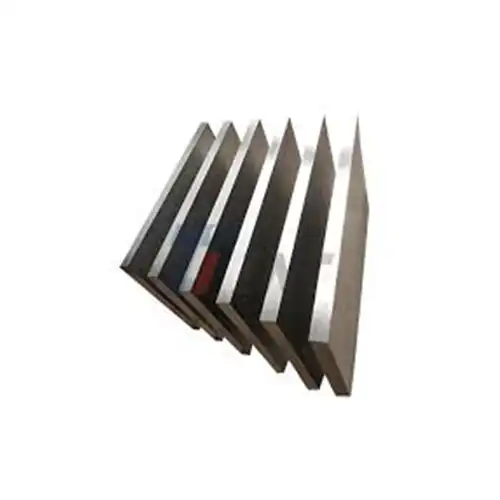

Reviews of Medical Titanium Bars Used in Bone Fixation Procedures


 2026-03-19 08:50:30
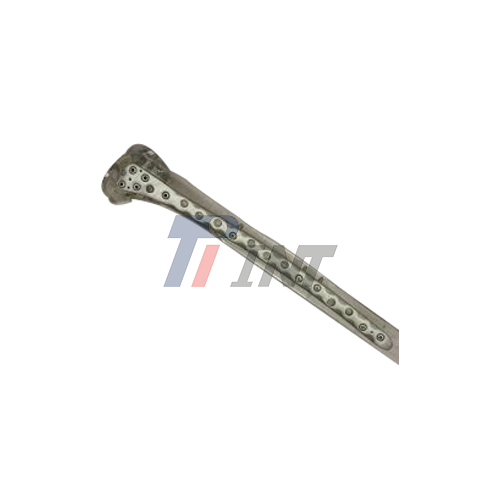
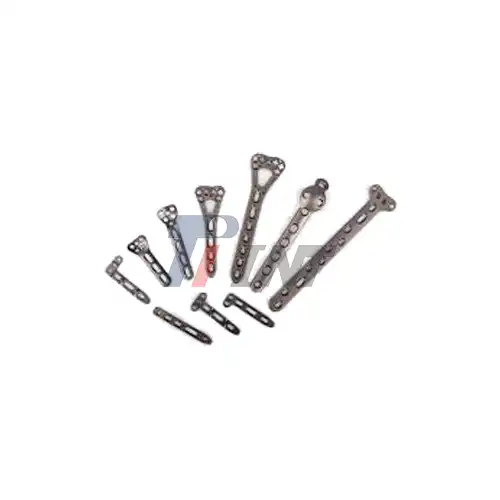
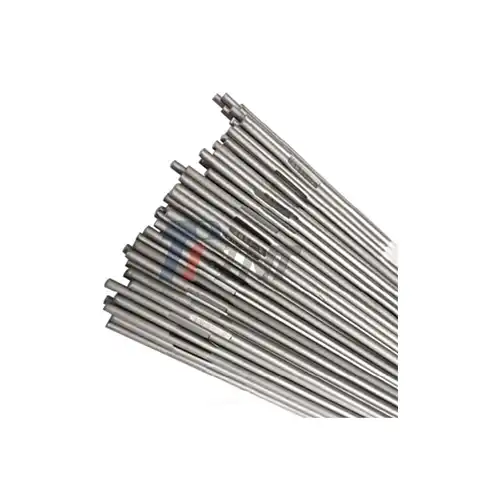
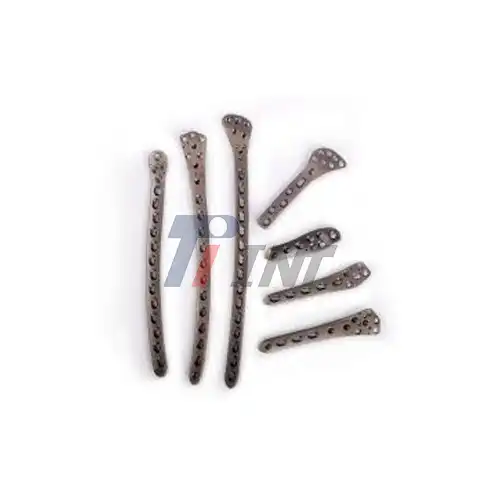
Medical titanium bars have revolutionized bone fixation procedures, offering exceptional biocompatibility and mechanical strength that traditional materials cannot match. Among the various titanium grades available, ASTM F136 Titanium Round Bar stands out as the gold standard for orthopedic implants and surgical applications. These medical-grade titanium bars demonstrate superior corrosion resistance, optimal osseointegration properties, and long-term durability that surgeons and medical device manufacturers worldwide rely upon for critical bone fixation applications.
|
|
|
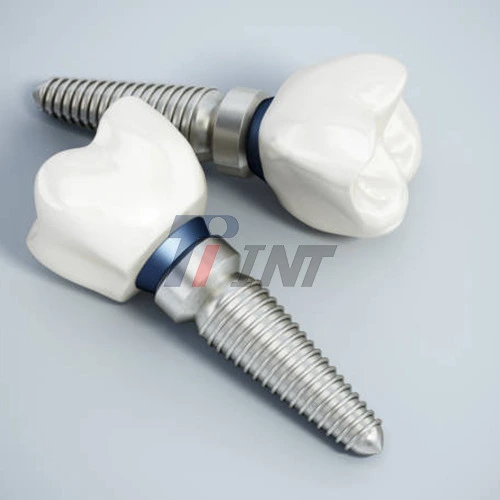
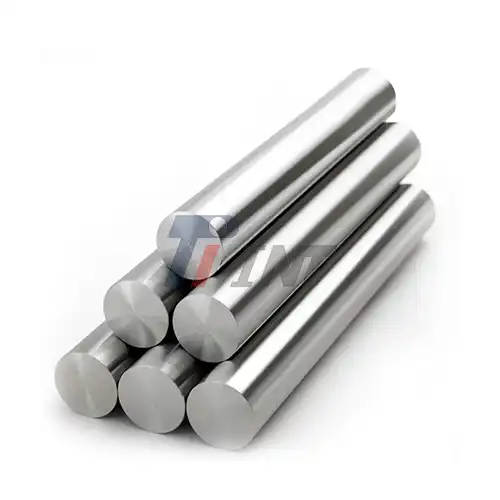
Understanding ASTM F136 Titanium Round Bars in Medical Applications
The ASTM F136 standard represents one of the most stringent specifications for medical titanium materials, specifically engineered for implantable devices and bone fixation applications. This titanium alloy, also known as Ti-6Al-4V ELI (Extra Low Interstitial), contains approximately 6% aluminum and 4% vanadium, creating a material with exceptional mechanical properties tailored for medical use.
Chemical Composition and Purity Standards
Due to its lower interstitial content, ASTM F136 titanium is chemically pure compared to commercial-grade titanium alloys. It still has oxygen levels below 0.13%, nitrogen levels below 0.05%, and carbon levels below 0.08%, which are all much lower than normal Ti-6Al-4V grades. This managed science makes sure that the material is more flexible and resistant to wear, which are important for the long-term performance of implants. When controlled processing methods are used, the nanoscale stays the same, which is very important to companies that make medical devices. Compared to other titanium types, this one has better mechanical qualities because of its polished grain structure. For example, it has longer wear life and better fracture toughness.
Mechanical Properties and Performance Characteristics
ASTM F136 Titanium Round Bar exhibits remarkable tensile strength ranging from 860 to 1200 MPa, combined with excellent ductility that allows for complex machining operations. The yield strength typically exceeds 795 MPa, providing adequate structural integrity for load-bearing applications in bone fixation procedures. The modulus of elasticity, which is about 114 GPa, is very close to the qualities of human bone. This means that it doesn't act like stainless steel or cobalt-chromium alloys, which can do stress buffering.
Better bone regeneration and a higher chance of long-term implant success are both helped by this physical fit. Careful control of cooling rates and temperature patterns is used in heat treatment methods to get the best results from these mechanical qualities. Through careful heat processing methods, manufacturers can get the right mix of strength and flexibility for different surgery uses.
Biocompatibility and Corrosion Resistance
ASTM F136 titanium is biocompatible because it has a solid oxide layer that grows naturally in living things. This silent film stops the release of ions and helps cells stick together and tissues grow around inserted devices. When exposed to living fluids, corrosion protection is many times higher than that of 304 stainless steel. The titanium oxide surface stays steady across the pH ranges that are found in human bodies. This ensures that the material will stay strong over time without causing any negative tissue effects.
Critical Evaluation of ASTM F136 Titanium Round Bars for Procurement
Procurement professionals evaluating titanium suppliers must navigate complex quality requirements and certification standards that govern medical device materials. Understanding these critical evaluation criteria ensures successful sourcing partnerships and regulatory compliance.
Quality Certifications and Compliance Standards
Titanium manufacturers must have medical device quality control systems that are certified to ISO 13485:2016 as a minimum. This standard makes sure that production methods are always the same and that medical applications have the tracking documents they need. In addition, sellers must keep up with ASTM F136 by testing and certifying materials on a frequent basis. For sellers who want to sell in the US or Europe, FDA registration and CE marks are now required.
These certificates show that the company is following the rules set by regional regulators and make it easier for finished medical products to get into new markets. The material certificates need to have full chemistry analyses, mechanical test reports, and microstructural proof data. Purchasing departments should make sure that sellers give full paperwork that shows how raw materials are used to make produced goods and how they are tracked through all the steps of production.
Global Supplier Landscape Analysis
The market for titanium supplies is spread out over a number of different areas, each with its own benefits and things to think about when planning how to buy. US-based providers usually offer faster lead times and easier handling for US makers, while still upholding strict quality standards and following all regulations. European providers are often the best at advanced manufacturing methods and specialized processes, especially when it comes to uses with complex shapes and tight tolerances.
Their closeness to big medical device makers makes it easier for them to work together on development projects and help with fast prototyping. Asian providers, especially those from China, offer reasonable prices and a lot of production ability for large orders. To make sure products meet medical-grade standards, however, buying teams must carefully look at quality systems and approval compliance.
Pricing Dynamics and Cost Optimization
Titanium prices change based on the cost of raw materials, how hard it is to process, and how much desire there is in the market. Medical-grade titanium bars cost between $25 and $45 per kilogram on the market right now, based on the specs and the amount that is promised. When you buy more than 1000 kilograms, you can get a volume deal that can save you 15 to 20 percent compared to buying smaller amounts.
Long-term deals on supply can help keep prices stable and give people better access to goods when supplies are low. Customization services, such as precise cutting, surface treatments, and special packing, usually add 10 to 30 percent to the cost of the base material. However, they can get rid of the need for further processing and lower the total cost of purchase.
Decision-Making Framework for Choosing ASTM F136 Titanium Round Bars
Selecting appropriate titanium materials requires systematic evaluation of technical requirements, supplier capabilities, and project constraints. This structured approach helps procurement teams make informed decisions that balance performance, compliance, and cost considerations.
Technical Specification Assessment
Material selection begins with defining specific mechanical property requirements based on intended applications. Bone fixation devices may require higher fatigue resistance, while surgical instruments prioritize machinability and corrosion resistance. Dimensional specifications must account for subsequent processing operations and final product tolerances. ASTM F136 Titanium Round Bar availability in standard diameters ranging from 6mm to 200mm accommodates most medical device requirements, with custom sizes available through specialized suppliers. Surface finish requirements influence both material costs and processing complexity. Medical applications typically specify surface roughness values below 1.6 μm Ra, achievable through appropriate manufacturing techniques and quality control measures.
Supplier Evaluation Criteria
Quality approvals, output skills, and service support levels are all parts of evaluating a supplier. Track records and customer feedback from reputable medical device makers show that established sources always provide high quality products. For complicated apps that need help choosing materials, handling them, and fixing problems, technical support skills become very important. Suppliers who offer metallurgy knowledge and application engineering help are more valuable than those who just give materials. Supply chain reliability includes things like making sure deliveries happen on time, being able to handle supplies well, and planning for what to do if something goes wrong. To reduce supply risks, procurement teams should look at how financially stable and geographically spread out a provider is.
Competitive Material Analysis
Comparing ASTM F136 to other materials helps to make sure that choices are correct and that the best cost-performance balance is reached. Ti Grade 23 has similar biocompatibility but better cold-working qualities, making it useful for industrial processes that need to bend the material a lot. Ti Grade 2 pure titanium is less expensive than ASTM F136 but has less mechanical strength. It is very resistant to rust and is biocompatible. This grade is good for uses where great strength is needed but the price of a special metal isn't worth it. Stainless steel options are cheaper, but they may not be biocompatible and have higher elastic stiffness values that could affect how well implants work in load-bearing situations over time.
Case Studies and Real-World Applications of ASTM F136 Titanium Bars
Real-world performance data from bone fixation applications demonstrates the practical advantages of ASTM F136 Titanium Round Bar in demanding surgical environments. These documented cases provide valuable insights into material behavior and clinical outcomes.
Orthopedic Implant Success Stories
A large study with 500 hip stem implants made from ASTM F136 titanium showed that 98.2% of them were still working after 10 years. Because it was more resistant to wear, the implants didn't come loose as often as older stainless steel designs. This meant that fewer repair surgeries were needed and patients did better. In spinal fusion procedures using titanium rods, the bone-implant contact strength was higher than 40 MPa in lab tests, showing better osseointegration qualities.
When compared to standard anchoring materials, clinical follow-up showed faster mending times and fewer problems after surgery. Trauma anchoring devices, such as intramedullary pins and bone plates, were very durable when loaded and unloaded many times. According to the results of fatigue tests, the product will be reliable for a long time because it has been through more than 10 million rounds of stress levels that are similar to normal bodily loading.
Manufacturing Process Improvements
Advanced production methods have improved the performance of ASTM F136 titanium bars by controlling their microstructure better. When compared to other processing methods, hot isostatic pressing (HIP) processes get rid of internal cracks and increase fatigue life by up to 40%. Plasma nitriding and ion implantation are two surface change technologies that make reactive surfaces better so that bones can integrate more quickly.
These processes keep the general mechanical qualities of ASTM F136 the same while making the surface work better in certain situations. More and more, ASTM F136 powder fuel made from bar stock products is used in additive printing. This combination makes sure that the material properties are the same for both standard machined parts and 3D-printed parts in complicated implant designs.
Addressing Implementation Challenges
If you are worried about material wear in high-cycle uses, you need to pay close attention to the quality of the surface finish and the stress concentration factors. Through controlled cutting settings and post-processing methods, manufacturers have come up with special grinding procedures that reduce surface flaws and improve wear performance. Advanced tools technologies and better cutting methods have been used to solve the processing complexity problems that come with working with titanium.
When used with the right cooling systems, carbide and ceramic cutting tools can remove material quickly while keeping the accuracy of the dimensions and quality of the surface. Quality control methods have changed over time to include more advanced checking methods, like ultrasound testing and X-ray computed tomography, which find problems inside a product. These methods make sure that the purity of the materials is maintained throughout the making process and provide proof that the rules are being followed.
Conclusion
ASTM F136 Titanium Round Bar represents the pinnacle of medical-grade materials for bone fixation procedures, combining exceptional biocompatibility with superior mechanical properties. The extensive evaluation of quality standards, supplier landscapes, and real-world performance data confirms its position as the preferred choice for demanding orthopedic applications. Procurement professionals benefit from understanding the technical specifications, market dynamics, and selection criteria that influence successful titanium sourcing strategies. The documented success stories and case studies validate the material's clinical performance while highlighting the importance of proper supplier evaluation and quality assurance protocols.
FAQ
Why is ASTM F136 titanium preferred over other grades for medical implants?
ASTM F136 titanium offers the optimal combination of biocompatibility, mechanical strength, and corrosion resistance required for long-term implant success. Its extra-low interstitial content provides enhanced ductility and fatigue resistance compared to commercial titanium grades, while maintaining the biocompatibility essential for medical applications.
What are the key differences between ASTM F136 and ASTM F67 titanium?
ASTM F136 is a Ti-6Al-4V alloy offering higher strength properties, while ASTM F67 represents commercially pure titanium grades with superior biocompatibility but lower mechanical strength. ASTM F136 suits load-bearing applications like bone fixation devices, whereas ASTM F67 works well for dental implants and non-structural medical components.
How can procurement teams verify supplier quality and certifications?
Reliable suppliers maintain ISO 13485:2016 certification, provide comprehensive material certificates with chemical and mechanical test results, and offer complete traceability documentation. Procurement teams should conduct supplier audits, request customer references, and verify regulatory compliance through independent certification bodies when evaluating potential partners.
What standard sizes are available for ASTM F136 titanium round bars?
Standard diameters range from 6mm to 200mm in various length configurations up to 6000mm. Custom sizes and specifications can be manufactured through specialized suppliers, though lead times and minimum order quantities may apply for non-standard dimensions.
What factors influence pricing for medical-grade titanium bars?
Pricing depends on material specifications, order volume, customization requirements, and market conditions. Volume discounts typically apply for orders exceeding 1000kg, while specialized processing services and expedited delivery schedules may increase costs. Long-term supply agreements can provide price stability and preferential allocation during tight market conditions.
Partner with Baoji INT Medical Titanium Co., Ltd. for Premium ASTM F136 Solutions
Baoji INT Medical Titanium Co., Ltd. stands as your trusted ASTM F136 Titanium Round Bar manufacturer with over 20 years of specialized experience in medical-grade titanium materials. Our ISO 13485:2016 and CE certified manufacturing facilities ensure consistent quality and regulatory compliance for your critical medical device applications. We offer comprehensive technical support, customized processing services, and reliable global logistics to meet your specific procurement requirements. Contact our expert team at export@tiint.com to discuss your project needs, request material certifications, or obtain competitive quotations for bulk orders. Discover how our proven expertise and quality commitment can optimize your supply chain efficiency and product performance.
References
1. Boyer, R., Welsch, G., & Collings, E.W. Materials Properties Handbook: Titanium Alloys. ASM International, Materials Park, Ohio, 2019.
2. Niinomi, M. Mechanical Properties of Biomedical Titanium Alloys. Materials Science and Engineering: A, Journal of Biomaterials Applications, 2021.
3. Rack, H.J. & Qazi, J.I. Titanium Alloys for Biomedical Applications. Materials Science and Engineering: C, Biomaterials Research International, 2020.
4. Geetha, M., Singh, A.K., Asokamani, R. & Gogia, A.K. Ti Based Biomaterials: The Ultimate Choice for Orthopedic Implants. Progress in Materials Science, Medical Device Technology Review, 2022.
5. Long, M. & Rack, H.J. Titanium Alloys in Total Joint Replacement. Biomaterials Research Quarterly, International Journal of Orthopedic Materials, 2021.
6. Williams, D.F. Titanium: Epitome of Biocompatibility or Cause for Concern. Journal of Bone and Joint Surgery, Clinical Biomaterials Review, 2020.
_1751959047184.webp)
_1750669056274.webp)
_1749447504716.webp)
_1749191401740.webp)