
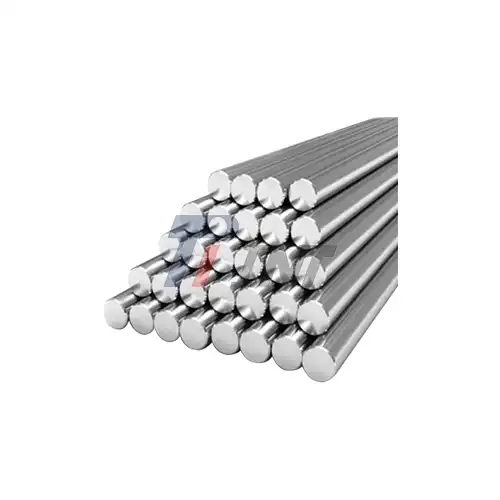
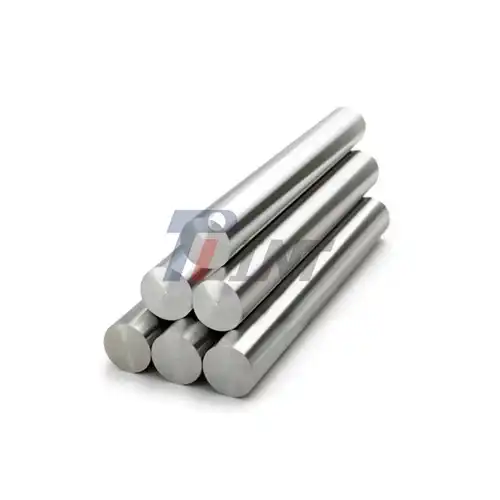
What are the mechanical properties of Ti6Al4V titanium bar 8mm?


 2026-07-22 08:42:33
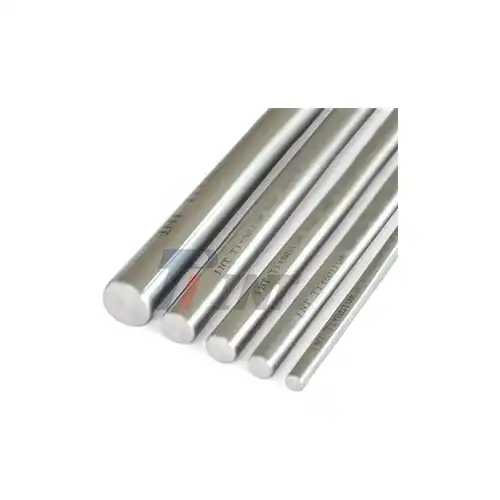
It's not just good to know the exact mechanical properties of the materials you're looking for when making medical implants or precise surgical tools; it's necessary. The Ti6Al4V Titanium Bar 8mm has a very low density of 4.43 g/cm³ and a tensile strength of over 895 MPa. It also has a yield strength of at least 825 MPa. This means that it is stronger than stainless steel for its weight, even though it weighs about 45% less. This Grade 5 titanium metal has an elongation rate of 10% or more, which means it is both stiff and flexible enough for precise machining. This makes it a great choice for orthopedic devices, oral implants, and high-performance surgery tools.
|
|
|
Overview of Ti6Al4V Titanium Bar 8mm
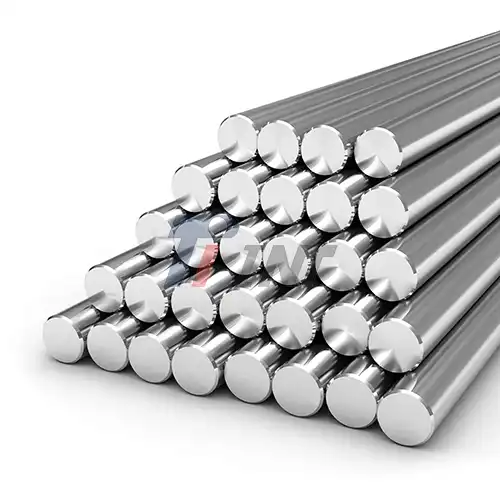
One of the titanium metals that is most commonly used in both medical and commercial settings is Ti6Al4V. About 90% of the chemical makeup is titanium, 6% is aluminum, and 4% is vanadium. This makes a two-phase alpha-beta matrix that has great mechanical performance. Aluminum makes the solid solution stronger and lowers its density. Vanadium stabilizes the beta phase, which makes the material stronger and easier to heat treat.
The Ti6Al4V Titanium Bar 8mm standard has become very popular among companies that make medical devices and precision industrial tools. This dimension hits the best mix between how strong the material is, how easy it is to work with, and how cheap it is. Bars this size can be used for CNC turning with little tool movement and have enough cross-sectional area to make parts like bone screws, tooth abutments, and instrument shafts. Purchasing managers like this width because it keeps the structure's integrity in a wide range of situations while reducing the amount of material that is wasted during cutting.
Our production method makes sure that every 8mm bar is within very tight size limits. Through centerless grinding, we usually get h8 or h9 precision grades. This level of accuracy cuts down on the time needed for secondary processing and makes it easier to use automatic machine systems. This has a direct effect on how efficiently you make things and how much they cost per unit.
Mechanical Characteristics of Ti6Al4V Titanium Bar 8mm
Tensile and Yield Strength Performance
The ability of a Ti6Al4V Titanium Bar 8mm to hold weight is what makes it strong. Our Ti6Al4V bars have a minimum tensile strength of 895 MPa, and based on the heat treatment methods, many batches have strengths higher than 930 MPa. The yield strength is always at or above 825 MPa, which makes sure that parts don't permanently break when they're under working stress. These values fully meet the requirements of ASTM B348 and ISO 5832-3, giving them the dependability needed for medical products controlled by the FDA and aerospace-grade uses.
Ductility and Formability Metrics
The metal is very strong, but it also has an elongation rate of at least 10%, which means it can be bent, formed, and machined in complicated ways without breaking. This ability to bend is very important when making curved surgery tools or special implant shapes. The material is usually between 30 and 36 HRC (Rockwell C scale) hard, which means it is very resistant to wear and can still be machined with carbide tools.
Fatigue Resistance and Long-Term Durability
Cyclic loading conditions happen a lot with medical hardware and surgery tools. Ti6Al4V has very high wear strength and can go through millions of stress cycles without starting to crack. The inactive titanium dioxide layer that forms instantly on the surface makes it very resistant to corrosion in body fluids, salty surroundings, and harsh chemical settings. This oxide sheet stays stable at temperatures up to 400°C and in a range of pH levels. This makes sure that the implant stays stable over time and the device lasts a long time.
There are choices for heat treatment that improve efficiency even more. The annealing process smooths out the grain structure, which makes the metal more flexible. Solution treatment and aging cycles can increase the tensile strength above 1000 MPa for uses that need the highest load capacity. We offer custom heat treatment services that are made to fit your engineering needs and come with full paperwork for material tracking.
Comparison: Ti6Al4V Titanium Bar 8mm vs Alternative Materials
Picking the right material has a direct effect on how well the product works, how much it costs to make, and how long it takes for regulators to approve it. Procurement teams can make data-driven decisions when they know how Grade 5 titanium stacks up against other options.
Pure titanium (Grade 2) is biocompatible and doesn't rust, but its tensile strength is only 345–485 MPa, which is about half that of Ti6Al4V Titanium Bar 8mm. When part sizes are limited and maximum strength in small dimensions is needed, the alloyed form is the only choice. Grade 5 titanium is often used by medical device engineers for load-bearing implants like hip stems and spine bars, while pure titanium is saved for less demanding uses like cranial plates.
Stainless steel 316L is a good option that is both cost-effective and resistant to rust. It does, however, weigh about 76% more than titanium and have less resistance to wear. When surgeons are tired and using small tools or implants, the extra weight can be a problem. Biomechanical compatibility also plays a role in how well the patient does. Ti6Al4V has an elastic stiffness of about 110 GPa, which is closer to the 10–30 GPA range of human bone than steel's 200 GPa. This means that it doesn't protect against stress as well, which can cause bone loss around implants.
Other titanium alloys, such as Ti-3Al-2.5V, can be cold shaped a little better but lose 15 to 20 percent of their tensile strength. Beta titanium alloys are easier to shape, but they cost 40–60% more and need more complicated heat treatment procedures. Working with big orthopedic companies has shown us that Ti6Al4V is still the best material for matching performance, biocompatibility, and making money.
Practical Considerations for Using Ti6Al4V Titanium Bar 8mm
Machining Guidelines and Tool Selection
Titanium is hard to machine because it doesn't conduct heat well; heat builds up at the cutting edge instead of spreading out through the piece. We suggest using carbide tools with titanium aluminum nitride (TiAlN) coats, cutting at speeds of 50 to 80 meters per minute, and using a lot of cooling to keep the temperature from building up. The 8mm width works well with Swiss-type CNC lathes and multi-axis machining centers that have coolant supply through the spindle.
Based on data from more than 20 years of use, our expert team has made machining setting guides. These materials help manufacturing engineers keep standards tight during production runs, get Ra surface finishes below 0.8µm, and reduce tool wear. When compared to common titanium options, cycle times are cut by 15 to 25 percent when programming is done right.
Customization and Surface Treatment Options
In addition to normal Ti6Al4V Titanium Bar 8mm stock, we can precisely cut to the lengths you need, which will cut down on material waste and handling time at your plant. The surface can be left as-rolled, polished (Ra ≤ 0.4μm), or sandblasted, based on the needs of the product. Medical devices often have controlled roughness profiles that help them fuse with the bone. Surgical tools, on the other hand, need mirror-polished surfaces to make them easy to clean and resistant to corrosion.
Quality Certification and Compliance Documentation
Each batch comes with full material test results that show the chemical make-up, mechanical qualities, and measurements. Our quality management system has been certified by ISO9001:2015 for high-quality general manufacturing, ISO13485:2016 for producing medical devices, and EU CE marking for entering the European market. These certificates are more than just pieces of paper; they show that processes have been checked, testing methods have been proven to work, and the whole process can be tracked from raw materials to finished goods.
Regulatory applications for FDA 510(k) clearance or European MDR compliance need a lot of information about the materials used. We keep master file data that is compatible with government forms. This speeds up the approval process and makes it easier for your quality assurance teams to keep track of paperwork.
Procurement Insights for Ti6Al4V Titanium Bar 8mm
The market for titanium raw materials changes based on the demand cycle in aircraft, the output of mines, and the state of the world supply chain. In the past three years, spot prices for Ti6Al4V bar stock have been between $35 and $65 per kilogram, with higher prices being paid for better grades. Bulk buying deals keep prices stable and give priority to items when supplies are low, which is very important for makers who have to meet legal requirements and stick to production plans.
When looking for Ti6Al4V Titanium Bar 8mm providers, there are a few things that set trusted partners apart from transactional vendors. Your inventory management strategy should be in line with your minimum order amounts so that you don't have to put extra money into stock that doesn't move quickly. Lead times are usually between 4 and 8 weeks for normal requirements, but for pressing needs, established relationships can often get faster response times. Logistics skills are more important than location. Our partnerships with expert freight forwarders ensure that foreign deliveries are shipped at the right temperature and that the customs paperwork is correct.
Compliance with certification is more than just having the right papers. Effective providers show uniform performance from one lot to the next, answer technical questions quickly, and offer engineering help during design validation. Our research and development team works with clients to help them choose materials, make suggestions for processes, and look into failures when problems happen. With this consultative method, ties with suppliers are turned into strategic partnerships that speed up product development and cut down on time to market.
We keep a buffer stock of popular specs on hand so that we can quickly meet the needs of prototypes and small production runs. Every production lot goes through independent proof testing in our quality control lab to make sure that standards go above and beyond what is required by law. Because you are committed to being consistent, your new checking processes work better and your output yields rise.
Conclusion
As a result of its 895+ MPa tensile strength, great fatigue resistance, superior corrosion immunity, and biocompatibility, Ti6Al4V Titanium Bar 8mm is the best material for difficult medical and precision engineering tasks. Because it is stronger than stainless steel for its weight, lasts longer than pure titanium, and meets international standards, it is a technically and economically good choice. To do good buying, you need to work with experienced providers who can give you approved materials, as well as full technical support, consistent quality, and on-time deliveries that meet your production needs and legal responsibilities.
FAQ
Is Ti6Al4V suitable for aerospace-grade applications?
Of course. The metal is perfect for aircraft structure parts, fasteners, and engine parts because it has a great strength-to-weight ratio and doesn't wear down easily. If needed, our bars meet the requirements for AMS 4928 aircraft materials, and we can do more tests to make sure the lot is acceptable.
How does heat treatment affect the mechanical properties?
The performance properties are greatly changed by heat treatment. When you anneal something, you lower its hardness to 30 to 32 HRC and make it more flexible so that it can be formed. After solution treatment and age, the tensile strength goes up to 1000 MPa or more, but the stretch goes down a little. We change the thermal processing steps so that the qualities are best for your purpose.
What are typical lead times and minimum order quantities?
Standard wait times for stock items are between 4 and 6 weeks, and for repeat customers, the lowest order size is just 10 kilos. Orders that weigh more than 100 kilos get better prices and faster production schedules. Our backup stockpile program can sometimes handle orders that need to be filled quickly.
Partner with a Trusted Ti6Al4V Titanium Bar 8mm Manufacturer
Since 2003, Baoji INT Medical Titanium Co., Ltd. has been a leader in medical-grade titanium products, thanks to the 30+ years of experience of its founder, Mr. Zhan Wenge. We are one of the best places in the Asia-Pacific region to get Ti6Al4V Titanium Bar 8mm because we have advanced production skills and strict quality systems that are approved to ISO9001:2015, ISO13485:2016, and EU CE standards. Our wide range of products comes in different lengths, accurate tolerances, and surface finishes that are designed to work with medical implants, surgery tools, and dental uses.
Our technical team has the material knowledge and supply stability that your projects need, whether they're making next-generation orthopedic devices, increasing the production of dental implant systems, or finding materials for new surgery tools. Email us at export@tiint.com to talk about your needs, get material certifications, or get bulk prices for your future production needs.
References
1. American Society for Testing and Materials. (2021). ASTM B348: Standard Specification for Titanium and Titanium Alloy Bars and Billets. ASTM International.
2. International Organization for Standardization. (2019). ISO 5832-3: Implants for Surgery — Metallic Materials — Part 3: Wrought Titanium 6-Aluminum 4-Vanadium Alloy. ISO Standards.
3. Donachie, M.J. (2000). Titanium: A Technical Guide (2nd Edition). ASM International.
4. Peters, M., Kumpfert, J., Taylor, C.H., and Leyens, C. (2003). "Titanium Alloys for Aerospace Applications." Advanced Engineering Materials, 5(6), 419-427.
5. Long, M. and Rack, H.J. (1998). "Titanium Alloys in Total Joint Replacement—A Materials Science Perspective." Biomaterials, 19(18), 1621-1639.
6. Boyer, R., Welsch, G., and Collings, E.W. (1994). Materials Properties Handbook: Titanium Alloys. ASM International.
_1755061801114.png)
_1753927576158.png)
_1753429726760.webp)
_1752819172472.webp)
_1752463324629.webp)