
What are the top-rated medical titanium bars for orthopedic surgery?


 2026-07-23 09:53:36
When looking for materials for orthopedic implants, it's important to know which medical titanium bar works the best. Grade 5 (Ti6Al4V) and Grade 23 (Ti6Al4V ELI) are the best choices because they are known for being very strong, biocompatible, and having a good track record in clinical trials. Pure titanium types are still important in some situations where the highest corrosion protection is needed. These materials are safe and reliable because they meet strict ISO, ASTM, and FDA standards. This makes them ideal for load-bearing implants like hip stems, spine rods, and knee components.
|
|
|
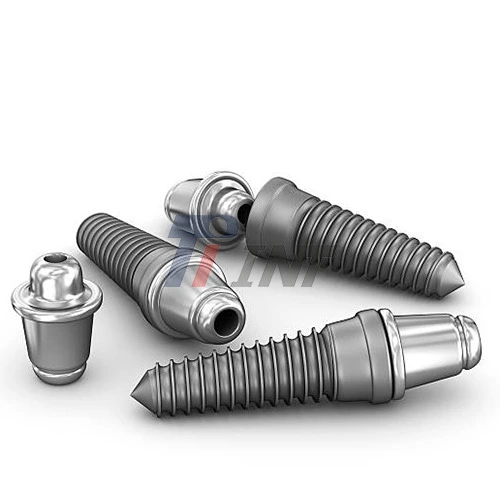
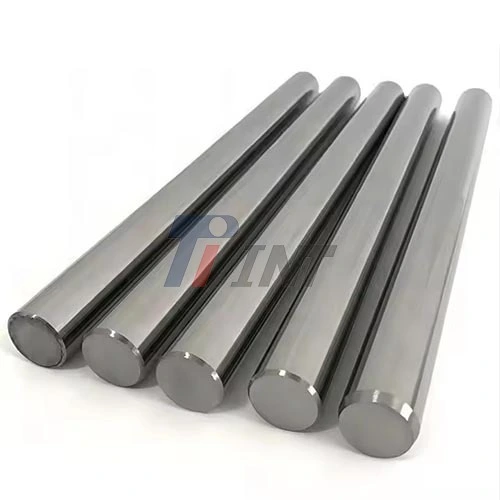
Understanding Medical Titanium Bars: Properties and Benefits
When it comes to precision-machined metals made just for human insertion, medical titanium bars are one of a kind. Unlike industrial-grade materials, these bars go through strict vacuum melting processes that get rid of flaws and make sure that each batch is the same. There are several quality checks along the way of making something, from checking the raw materials to making sure the end measurements are correct.
Why Titanium Excels in Orthopedic Applications
Titanium can't be replaced in current orthopedic surgery because it has so many special qualities. Titanium has a strength-to-weight ratio that is about 20% better than regular medical steels. Its density is only 4.51 g/cm³, which is almost half that of stainless steel. Because it is lightweight, it puts less stress on the tissue around it while still being able to hold weight, which is important for joint replacements and fracture support devices.
The material is biocompatible because it has a solid oxide layer that forms right away when it comes in contact with air or body fluids. This inactive film stops ions from leaking and allergic reactions from happening. This is why osseointegration is the process by which titanium implants become one with the bone tissue. Titanium implants are often a good choice for people who are sensitive to metals and can't handle stainless steel or cobalt-chrome.
Mechanical Advantages That Matter
Titanium's elastic stiffness is about 110 GPa, which is lower than that of stainless steel (200 GPa) and higher than that of normal bone (10–30 GPa). This feature lowers stress shielding, a problem that happens when implants are too stiff and stop the bone from filling normally. This causes bone loss and implant loosening. Titanium helps the bone grow better around the implant site by distributing mechanical forces in a more natural way.
Another important benefit is that it doesn't cause fatigue. During everyday tasks like walking or climbing stairs, orthopedic implants are loaded and unloaded millions of times. Premium titanium bars are very resistant to cycle stress. Ti6Al4V ELI that is properly made has a tensile strength of over 895 MPa and an elongation rate of over 10%. This mix makes sure that implants can survive years of bodily stress without failing too soon.
Top-Rated Medical Titanium Bars for Orthopedic Surgery: A Comprehensive Listing
Purchasing experts can better match materials to clinical needs when they know about the different types of medical titanium bars and how they can be used. The medical device business has settled on a few main types of titanium, and each has its own benefits.
Grade 5 (Ti6Al4V): The Industry Standard
Ti6Al4V is the most common material used in orthopedics because it has balanced qualities and a long clinical background. This grade has a yield strength of about 860 MPa and is made up of 6% aluminum, 4% vanadium, and titanium. It is also very flexible. This material is used by surgeons all over the world for trauma plates, hip stems, knee components, and spine fusion bars. Long-term studies have shown that the metal works well, so it is the first choice for load-bearing implants that can't be compromised on mechanical durability.
Grade 23 (Ti6Al4V ELI): Enhanced Purity for Critical Applications
The Extra Low Interstitial type of Ti6Al4V is more pure because the amounts of oxygen, nitrogen, and carbon are tightly controlled. This improvement makes the fracture hardness and fatigue crack propagation resistance better, which are very important for implants that are loaded and unloaded quickly. Manufacturers usually choose Grade 23 for long-lasting devices like spine rods or intramedullary nails, since the extra cost is worth it in the long run. Ti6Al4V ELI bars with diameters from 6 mm to 150 mm and lengths up to 3000 mm are some of the things we can make to meet a wide range of machining needs.
Pure Titanium: Unmatched Corrosion Resistance
Pure titanium grades, especially Grade 2, are used when maximum rust protection or shapeability is more important than extreme strength. Pure titanium is softer and easier to shape, which makes it better for dental implants, craniofacial repair plates, and some surgery tools. The yield strength is only about 275 MPa, which is lower than metal grades. However, the material is completely biocompatible and MRI compatible, which makes it very useful for some uses.
Custom and OEM Manufacturing Solutions
In addition to standard grades, modern makers offer custom options, such as beta titanium alloys for specific surgical uses. Custom diameter specifications, surface processes, and material certifications can be used to meet the specific needs of each device. When you work with providers that can do OEM, you can be sure that the bars will be machined to exact specs. This cuts down on extra processing and speeds up the time it takes to get new implant designs on the market.
Comparing Medical Titanium Bars with Alternatives: Making the Right Decision
When buying something, people often compare medical titanium bars to other materials. Knowing these trade-offs helps stakeholders understand why a material was chosen and helps product lines work better.
Titanium Versus Stainless Steel
Stainless steel is cheaper to work with and easy to shape, which makes it a good choice for temporary implants or uses that need to save money. But titanium's better resistance to rusting in salty settings and lower risk of allergies make it worth more in the long run than it costs at first. The 50% lighter weight compared to stainless steel also makes the patient feel better, especially with big devices like spine screws or femoral stems. Titanium is often the most cost-effective option when you look at the total cost of ownership, which includes things like the rate of repeat surgery and how happy the patients are.
Titanium Versus Cobalt-Chrome Alloys
Cobalt-chrome is better for moving surfaces in joint replacements because it is harder and doesn't wear down easily. However, titanium's lower stiffness makes it more like bone, which means that bone-contacting parts don't have to protect against stress as much. Cobalt-chrome bearing surfaces are used in a lot of current implant systems, along with titanium stems or backing plates. This method makes the most of the good points of each object while minimizing the bad points. Knowing these details helps you choose the best material for each part of a complicated implant assembly.
Ceramic Alternatives: Niche Applications
Ceramics like zirconia are very hard and biocompatible, but they are also very fragile, which means they can only be used for certain surfaces or tooth replacements. Titanium is much more useful for a wider range of orthopedic needs because it is both tough and flexible. Even though ceramics are still changing, titanium is still the best material for structural implant parts that need to be reliable even when the load isn't known.
Procurement Guide: How to Source the Best Medical Titanium Bars Globally
Comparing price quotes is not enough for successful buying of medical titanium bars. Supply chains that work well and ones that don't are separated by ties with skilled suppliers who know what medical devices need.
Verifying Supplier Credentials and Certifications
First, make sure that the sellers you're considering have both ISO 9001:2015 and ISO 13485:2016 medical device quality control certifications. These standards show that you are dedicated to controlling processes and making them better all the time. The EU CE marking and FDA registration give people even more trust that the way products are made meets foreign legal standards. For each batch, ask for records of the material certificates, which should include reports on the chemical makeup and mechanical properties. Reliable sellers give full tracking paperwork that connects finished bars to the melt numbers of the original ingots.
Evaluating Technical Capabilities
In addition to certifications, you should check to see if possible sources offer engineering help while your product is being developed. Can they tell you what grades would be best for your application? Do they give you sample materials to test the prototypes before you commit to making a lot of them? Suppliers who have metallurgical experts on staff can help solve problems with processing and make sure that material specifications are optimal. Our team at Baoji INT Medical Titanium Co., Ltd. has 30 years of experience in the titanium business. This lets us help customers choose the right material, set the right processing settings, and check the quality of the finished product. These are services that add a lot of value beyond the physical product itself.
Negotiating Terms and Ensuring Consistency
Set clear requirements for limits on the diameter, the surface finish (polished or sandblasted), the straightness of the part, and the checking requirements. Talk about the wait times for standard and custom sizes, the minimum order numbers, and the price structures for large orders. Suppliers you can trust keep extra stock on hand for popular sizes and are flexible enough to meet your specific needs. When you build long-term ties instead of transactional ones, you make the supply chain more stable and can often get better prices as your numbers grow.
Ensuring Safety and Compliance: Medical Titanium Bar Biocompatibility and Standards
Medical gadget production is based on following the rules set by regulators for every medical titanium bar. Knowing the rules for making titanium bars helps buying teams check the quality of suppliers and meet inspector requirements.
The Science of Biocompatibility
Titanium is very biocompatible because its top layer of titanium dioxide forms on its own. The stable oxide makes a bioinert surface that stops proteins from sticking to it and stops inflammatory reactions. Studies show that titanium implants don't release many ions, even after decades of being in the body. This steadiness is the reason why repair surgeries for material intolerance are still very uncommon when titanium parts are made correctly.
Key Regulatory Standards and What They Mean
ASTM F136 lays out the standards for Ti6Al4V ELI bars that are used in medical implants. It says what chemical makeup, mechanical qualities, and microstructure are allowed. ASTM F67 covers types of titanium that are sold in the market. Internationally, ISO 5832-2 and ISO 5832-3 are the same. These standards aren't just a bunch of numbers; they're based on decades of clinical experience and have been turned into manufacturing rules that keep patients safe. When suppliers say they comply with these guidelines, make sure they have real test data instead of just saying they do.
Quality Assurance and Traceability Practices
Leading manufacturers have complete quality systems that include inspecting arriving materials, keeping an eye on work in progress, and checking the finished product. Look for providers that use ultrasound testing to find flaws inside the material, analyze the grain size to make sure the microstructure is correct, and make sure the surface finish meets the requirements. Full traceability, from mill test reports to final approval records, lets problems with quality be looked into quickly and meets the needs of regulatory agencies during checks.
Conclusion
To choose the best medical titanium bars for orthopedic surgery, you have to weigh the properties of the material, the skills of the seller, and the need to follow all regulations. For important load-bearing tasks, Grade 23 Ti6Al4V ELI stands out. Pure titanium is best for specific tasks that need the highest rust protection. Partnering with experienced makers who deliver consistent quality, keep up with strict certifications, and offer expert help throughout the lifespan of your product is key to successful procurement. By knowing the unique benefits that titanium has over other materials and putting in place thorough source qualification processes, your company will be able to make implants that meet high performance standards and improve patient results.
FAQ
Are medical titanium bars safe for all types of orthopedic implants?
When they are made and treated correctly, medical titanium bars have great safety features for almost all orthopedic uses. Because they are biocompatible, allergic responses are kept to a minimum, so they can be used by people who are sensitive to metals. However, the grade of the material is important. For example, hip stems and other load-bearing implants need Ti6Al4V or Ti6Al4V ELI strength, while head plates may be made with lighter pure titanium. Always make sure that the material's specs match its intended use, and look at regulatory advice for your particular device type.
Which grade should I specify for high-load orthopedic applications?
Ti6Al4V ELI (Grade 23) is the best material for long-lasting, load-bearing implants that are exposed to repetitive stress. Its higher purity makes it more resistant to fatigue than regular Ti6Al4V, which lowers the risk of long-term failure. This grade is good for spine rods, femur stems, and fracture fixation devices that need to be reliable mechanically to keep patients safe.
How can I verify supplier authenticity and product quality?
Ask for full material certificates that include chemical analysis, test reports for mechanical properties, and paperwork that shows how bars can be traced back to the original melt batches. Check that the company is certified to ISO 13485:2016 by using records from independent registrars. Do an entering inspection that includes checking the dimensions and judging the quality of the surface. Suppliers with a good reputation let you look at their quality records, production methods, and test equipment calibration records without any problems.
Partner with Baoji INT Medical Titanium Co., Ltd. for Premium Orthopedic Materials
Baoji INT Medical Titanium Co., Ltd. has been a reliable source for every medical titanium bar for 20 years by focusing on quality and client satisfaction. Since we started in 2003, we've been experts at making high-purity titanium materials that meet the strict standards that companies that make orthopedic devices need. Our ISO 13485:2016 and EU CE certifications show that we are dedicated to managing the quality of medical devices. We also offer a wide range of products, such as Ti6Al4V ELI bars with diameters ranging from 6 mm to 150 mm, to meet a variety of industrial needs.
We know how hard it is for procurement workers to meet tight deadlines, follow strict specs, and get solid technical help. Our research team has worked in the titanium business for over 30 years and can help customers choose the right materials, make the best use of processing, and make sure the quality is right. We keep enough stock and production capacity to support both prototype development and mass production, whether you need standard sizes or OEM solutions that are made just for you.
Email our team at export@tiint.com to talk about your particular needs. We'll give you competitive quotes, thorough technical specs, and material certifications that show how valuable it is to work with an experienced medical titanium bar manufacturer. You can look through our full product catalogue at inttitanium.com and learn how our materials help make orthopedic devices work well.
References
1. Niinomi, M., Nakai, M., & Hieda, J. (2012). Development of new metallic alloys for biomedical applications. Acta Biomaterialia, 8(11), 3888-3903.
2. Geetha, M., Singh, A. K., Asokamani, R., & Gogia, A. K. (2009). Ti based biomaterials, the ultimate choice for orthopaedic implants – A review. Progress in Materials Science, 54(3), 397-425.
3. Long, M., & Rack, H. J. (1998). Titanium alloys in total joint replacement—a materials science perspective. Biomaterials, 19(18), 1621-1639.
4. ASTM International. (2013). ASTM F136-13: Standard Specification for Wrought Titanium-6Aluminum-4Vanadium ELI (Extra Low Interstitial) Alloy for Surgical Implant Applications. ASTM Book of Standards, Volume 13.01.
5. Chen, Q., & Thouas, G. A. (2015). Metallic implant biomaterials. Materials Science and Engineering: R: Reports, 87, 1-57.
6. International Organization for Standardization. (2016). ISO 5832-3:2016 - Implants for surgery — Metallic materials — Part 3: Wrought titanium 6-aluminium 4-vanadium alloy. ISO Standards Catalogue.

_1753859685128.webp)
_1750668839491.webp)
_1750923514395.webp)