The Advantages of Titanium Plates (Gr1-Gr4) in Surgical Instrument Manufacturing


 2026-07-22 08:42:30
Modern medicine has been changed by titanium plates, especially commercially pure grades, which have changed the way surgery tools and implants are made. The Gr4 Medical Titanium Plate Thk 1mm stands out because it is strong, biocompatible, and light. This grade has the best tensile strength of all the commercially pure titanium types. It also has the corrosion protection that is needed for long-term implants. These thin-profile plates are used by medical device makers and procurement workers all the time for tasks that need precision and dependability, like reconstructing the skull and oral region or fixing broken bones in the body. Knowing the unique benefits of each grade helps everyone involved make smart choices that combine clinical success with cost-effectiveness.
|
|
|

Understanding Titanium Grades and Their Applications in Surgical Manufacturing
There are four main types of commercially pure titanium. They can be told apart by the amount of oxygen and iron they contain, which directly affects their mechanical qualities. When it comes to this area, Grade 1 is the softest and most moldable choice, and Grade 4 is the strongest.
Oxygen Content and Mechanical Strength
As you move from Grade 1 to Grade 4, the oxygen levels rise, reaching up to 0.40% in Grade 4. This raises the tensile strength to about 550 MPa while keeping the biocompatibility high. This managed amount of intermediate elements makes a material that is in between grades that are very easy to shape and alloys that are stronger. This mix is perfect for surgical uses that need a reasonable load-bearing capacity but don't need the complexity of alloyed formulas.
Why 1mm Thickness Matters in Medical Devices?
Titanium plates that are only 1 mm thick allow for slightly invasive surgery while still providing enough support for the structure. Surgeons like these features because they fit the shape of the patient's head, face, and jaw during craniomaxillofacial treatments. This keeps tissues from getting damaged and makes the patient more comfortable after the surgery. Because implants are so light (their mass stays at 4.51 g/cm³), they don't put too much stress on bone structures that are still healing. We've seen that devices made to this standard work better when they're integrated in maxillofacial treatments where room is limited and good looks are important.
Clinical Applications Across Specialties
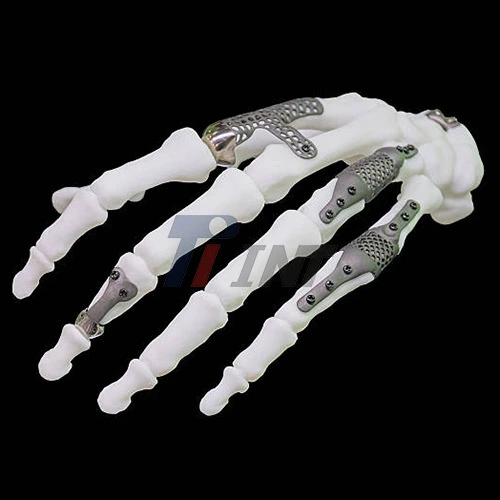
Medical titanium plates are used a lot in trauma repair in the musculoskeletal system. They are used as bone plates and screws to stabilize fractures. These materials are used by dentists for implant abutments and frames for prosthetics that need to be strong enough to withstand biting forces. Spinal doctors use them in fusion designs, and neurosurgical teams use them to rebuild the skull after removing a tumor or getting hurt. The non-magnetic qualities of the material are used in each application to make sure it works with MRI imaging techniques, which is something that alternatives made of stainless steel can't do.
Comprehensive Comparison: Grade 4 vs Grade 5 Titanium Plates for Surgery
Teams in charge of buying things often think about whether Grade 4 commercially pure metal or Grade 5 Ti-6Al-4V alloy is better for their industrial needs. Both materials have been approved by the FDA for use in internal medical devices, but they work very differently.
Compositional Differences and Biocompatibility
Grade 4 titanium is commercially pure and has few alloying elements. Gr4 Medical Titanium Plate Thk 1mm has 6% aluminum and 4% vanadium added to it to make it stronger, and its tensile strength is close to 900 MPa. But worries about vanadium's ability to kill cells and aluminum's possible effects on the brain have made many makers choose commercially pure grades for long-term implants. Because Grade 4 is bio-inert, these worries are completely gone. This makes it the safest choice for devices that will be implanted permanently. Based on our experience, the regulatory process is often sped up when widely pure materials are used, since their safety ratings are already well known.
Mechanical Performance and Fabrication Considerations
Grade 5 has better strength-to-weight ratios, but Grade 4 is easier to shape during production because it has a middling strength and better flexibility at about 15% elongation. When compared to stronger alloys, commercially pure types are better for machine shops because they reduce tool wear. In body fluids, the corrosion resistance is better than that of alloyed versions because the passive oxide layer forms more evenly and there are no galvanic worries between the alloying elements. For devices that need to be shaped by doctors after they are made, Grade 4's ability to be shaped is a clear benefit.
Cost-Benefit Analysis for Manufacturers
The prices of Grade 4 raw materials are usually 15–25% less than those of Grade 5 materials, which is a big deal when you need to make more. Improving the speed of machining cuts manufacturing costs even more. OEM partners often ask for fairly pure grades for low-cost product lines where the extra strength of alloys doesn't add much to the health benefit. When you look at the total cost of ownership, which includes material costs, processing costs, and regulation compliance, Grade 4 is often the most cost-effective choice for many surgical tool uses.
Choosing the Right Titanium Plate Thickness for Surgical Instruments
Choosing the right thickness has a direct effect on both the result of surgery and how well the device works over the life of the implant. We help our customers through this important planning process by looking at a number of factors that affect each other.
Biomechanical Load Requirements
When weight is put on long bones that support it, they need thicker profiles—usually 2 mm or more—to fight bending moments and stress cycling. On the other hand, craniofacial uses prefer low-profile designs with 1mm plates that offer enough power while reducing irritation to soft tissues. Engineers figure out safety factors by guessing how stresses will be distributed. Finite element analysis shows how changes in thickness affect strain patterns at fixing points. The 1mm standard works best when the plate is used as a scaffolding instead of a main construction that supports weight.
Anatomical and Surgical Approach Considerations
When doing minimally invasive surgery, smaller plates that can fit through small openings in the body without pulling back a lot of soft tissue are preferred. When maxillofacial surgeons work near neurovascular bundles, they need thin, bendable plates that keep the nerves and blood vessels from getting pinched. On the other hand, bigger plates that can cover large flaws while keeping their shape are better for reconstructing pelvic injuries. The type of surgery—open reduction or percutaneous—often determines the plate profiles that can be used based on the size of the tool channels and the surgical entry passages.
Industry Standards and Regulatory Guidance
ASTM F67 sets the standards for composition, and ISO 5832-2 talks about the mechanical qualities of titanium implants that aren't alloyed. These standards tell manufacturers what levels of thickness tolerance and surface finish they need to meet. Regulatory bodies check the safety of devices by putting them through lab tests that mimic physiological loading conditions. The thickness of the device directly affects estimates of its wear life. Before a plate is shipped, our quality systems make sure it meets these strict standards. This gives device makers the paperwork they need for premarket submissions.
Manufacturing and Quality Considerations for Grade 4 Titanium Plates
To make medical-grade titanium plates, strict quality control and precise production procedures are needed. Because we've been committed to these standards for 20 years, gadget makers all over the world know they can count on us.
Advanced Production Methodologies
To get precise thickness tolerances within ±0.05mm for Gr4 Medical Titanium Plate Thk 1mm, we use vacuum arc remelting to get rid of as much interstitial contamination as possible in raw ingots. This is followed by hot rolling and cold forming. Some surface processes are passivation, which evens out the natural oxide layer, and anodizing, which changes the surface's properties for certain uses. In-process checks are done on every step of the process using measured tools that can be tracked back to national measurement standards. We can give our OEM clients plates with pre-contoured geometries because Grade 4 can be formed. This saves them time and effort on secondary operations.
Certification and Compliance Framework
Our facilities are certified with both ISO 13485:2016 for making medical devices and ISO 9001:2015 for general quality management. To get a CE mark on our products, which is what European markets require, we had to go through conformity assessment processes that were approved by recognized bodies. These licenses are more than just legal boxes to be checked; they show how we systematically control processes, train employees, and keep making things better. Each package comes with a material test report that lists the chemicals used, their tensile strength, and the lot number so that it can be tracked back to the original source. These reports meet the standards for FDA 510(k) applications.
Quality Control Protocols
According to AMS 2631 standards, we use ultrasound testing to find flaws below the surface that could turn into cracks while the device is being made or used in a hospital setting. Microstructural research confirms the right alpha-phase grain structure without any harmful particles. Feroxyl spot tests are used as a final check before packing to look for surface contamination, especially iron particles that make something less resistant to rusting. The amount of hydrogen in the material stays below 0.0125% to stop embrittlement. We avoid this type of failure by storing and handling it in a controlled atmosphere.
Procurement Insights: Sourcing Grade 4 Titanium Plates 1mm Thick for Medical Use
Global supply chain managers face the challenge of identifying manufacturers who deliver consistent quality while meeting delivery commitments. We've built our reputation on being able to understand these procurement priorities.
Supplier Assessment and Partnership Development
Buyers with a lot of experience look at possible sellers in more ways than just price per unit. How well a supplier can adapt to your product's success depends on how much they can make, and how close they are geographically affects lead times and freight costs. When two companies work together for a long time, they can often offer customization options that standard suppliers can't, like non-standard sizes or surface treatments for Gr4 Medical Titanium Plate Thk 1mm. Our collaborative approach includes getting involved early on in the design phase, when decisions about which materials to use have a big effect on how easy they are to make and how much they cost.
Cost Drivers and Volume Economics
The price of raw titanium changes based on demand cycles in the aircraft industry and the amount of sponge that can be made. Processing that is hard, especially when there are tight tolerances, requires more work that grows as the number of rejections rises during production. We have different price levels for different amounts of products so that you can get the best deals when you make a commitment to buy a lot of them at once. Our pricing is based on quarterly forecasts and monthly release schedules. Customization requests require investments in tools that pay for themselves over multiple production runs. This is something we openly talk about during the quote process to avoid unexpected cost increases.
Logistics and Technical Support
International goods need to be carefully packed to keep surfaces from getting damaged and to keep materials from getting wet, which could change their properties. Our logistics team organizes services like freight transfer, customs paperwork, and warehouse management that make it easier for you to receive goods. Beyond transactional delivery, we provide expert support throughout your product lifecycle—from initial material selection advice through production troubleshooting and regulatory audit preparation. With this all-around method, your ties with suppliers become strategic partnerships that give you an edge over your competitors.
Conclusion
Choosing the right titanium grades and specs is a very important choice for companies that make medical devices that want to do well in the market and in the clinic. Gr4 Medical Titanium Plate Thk 1mm offers an appealing mix of biocompatibility, mechanical performance, and industrial practicality that addresses varied surgical applications. Successful product creation starts with knowing the subtle differences between grades, weighing the need for thickness against biomechanical needs, and working with qualified makers. As the medical titanium business changes, procurement workers who work in this specialized market need to keep up with new material powers and source qualifications.
FAQ
What makes Grade 4 titanium plates superior for surgical implants compared to lower grades?
Grade 4 is the strongest commercially available pure titanium option, with a tensile strength of about 550 MPa. It also keeps the great corrosion resistance and biocompatibility that come naturally with unalloyed titanium. This strength advantage allows designers to define thinner profiles that reduce implant bulk without affecting structural integrity, particularly useful in craniofacial applications where looks and patient comfort matter.
How does 1mm thickness affect long-term implant performance in bone fixation?
In non-load-bearing uses, the 1mm profile is rigid enough, but it can also be shaped to fit complicated body shapes. Clinical studies show that thin plates that are properly sized and designed have enough wear resistance to be permanently implanted. This is because the material's inactive oxide layer stops it from breaking down in physiological settings. The best results will happen if the right plates are chosen based on the stress conditions.
Can manufacturers customize dimensions and surface treatments for specific applications?
Titanium suppliers with a lot of experience can make a lot of different options, such as non-standard sizes, pre-contoured shapes, and special surface treatments like electropolishing or bioactive coatings. To make these changes, people need to work together early on in the planning process to figure out what tools are needed and make sure that the changes stay in line with medical device standards and government rules.
Partner with Baoji INT Medical Titanium Co., Ltd. for Certified Medical-Grade Materials
Medical titanium sourcing is complicated, so you need a producer with both technical know-how and a track record of dependability. Since 2003, we've been experts at making approved medical titanium materials that meet the strict requirements of companies around the world that make surgery instruments. As part of our wide range of products, we offer Gr4 Medical Titanium Plate Thk 1mm specifications that are fully approved under ISO 9001:2015, ISO 13485:2016, and EU CE standards. These are the quality credentials that your regulatory files need. We are a well-known seller of Gr4 Medical Titanium Plate Thk 1mm with more than twenty years of experience in the field of metals. In addition to materials, we offer expert advice, the ability to customize, and help with documentation that speeds up the development process. Email our team at export@tiint.com to talk about your unique needs, ask for material certifications and test samples, or look into chances to work together as an OEM. We're dedicated to providing you with precisely designed titanium solutions that make you more competitive in the global market for medical devices.
References
1. American Society for Testing and Materials. "Standard Specification for Unalloyed Titanium, for Surgical Implant Applications." ASTM F67-13, 2013.
2. International Organization for Standardization. "Implants for Surgery—Metallic Materials—Part 2: Unalloyed Titanium." ISO 5832-2:2018, 2018.
3. Brunette, D.M., Tengvall, P., Textor, M., and Thomsen, P. "Titanium in Medicine: Material Science, Surface Science, Engineering, Biological Responses and Medical Applications." Springer-Verlag Berlin Heidelberg, 2001.
4. Rack, H.J. and Qazi, J.I. "Titanium Alloys for Biomedical Applications." Materials Science and Engineering C, Volume 26, 2006.
5. Niinomi, M. "Mechanical Properties of Biomedical Titanium Alloys." Materials Science and Engineering A, Volume 243, 1998.
6. Geetha, M., Singh, A.K., Asokamani, R., and Gogia, A.K. "Ti-Based Biomaterials, the Ultimate Choice for Orthopedic Implants—A Review." Progress in Materials Science, Volume 54, 2009.
_1752818317695.webp)
_1752818186472.webp)
_1751958555199.webp)
_1750662435585.webp)