
What do you use to weld titanium?


 2026-04-23 09:16:04
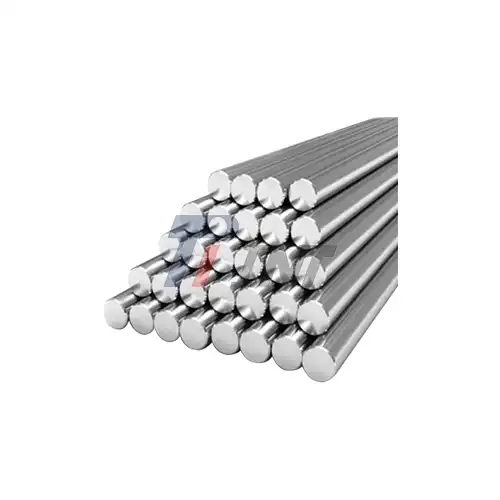
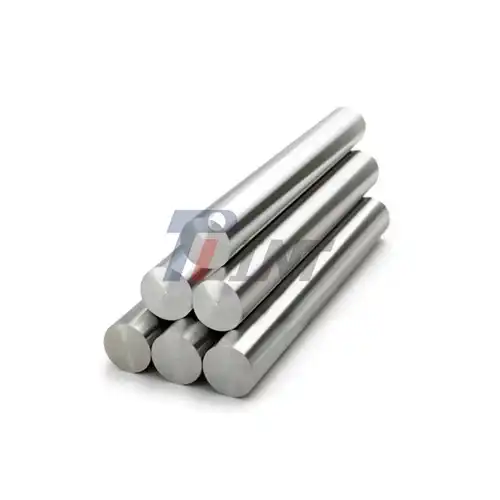
When welding titanium, professionals rely on specialized equipment and consumables to achieve optimal results. The primary welding methods include Gas Tungsten Arc Welding (GTAW/TIG), which requires ultra-pure argon shielding gas, tungsten electrodes, and high-purity filler materials. While there are many great consumables, Gr4 Titanium Welding Wire is the best available pure titanium choice. It has a tensile strength of 550 MPa and is also very resistant to corrosion. This welding wire is the link between cheaper CP titanium and more expensive titanium alloys. It is perfect for tough jobs like making medical devices, military parts, and chemical processing equipment where strength and biocompatibility are very important.
|
|
|
Understanding Titanium Welding and GR4 Titanium Welding Wire
Titanium welding has its own problems that make it different from other ways of making metal things. Because the material reacts strongly with gases in the air, there is a chance that it will become contaminated, which can weaken the weld and affect its mechanical qualities.
Why Titanium Requires Specialized Welding Techniques?
Titanium reacts chemically very differently to other metals when they are welded. Titanium forms rigid intermetallic compounds when heated and exposed to oxygen, nitrogen, or hydrogen. These compounds make the metal less flexible and more likely to crack. This is called alpha case development, and it shows up as a change in color on the weld surface. It means that there is contamination that makes the joint weaker.
The low thermal conductivity of the material also changes how heat moves during welding. Titanium, unlike steel or aluminum, keeps heat in certain places. This creates temperature differences that can cause leftover stress and warping. Because of these traits, it is important to have precise control over the welding settings and the surroundings.
Technical Advantages of GR4 Titanium Welding Wire
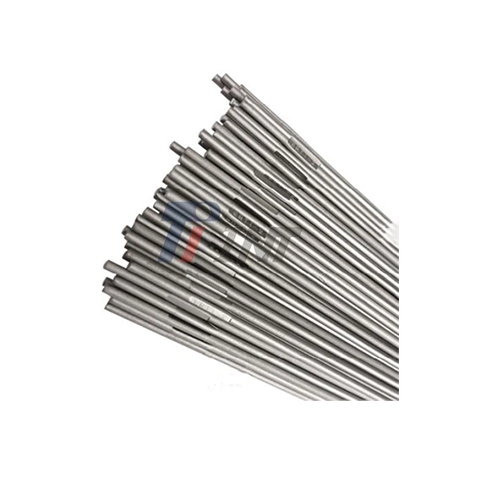
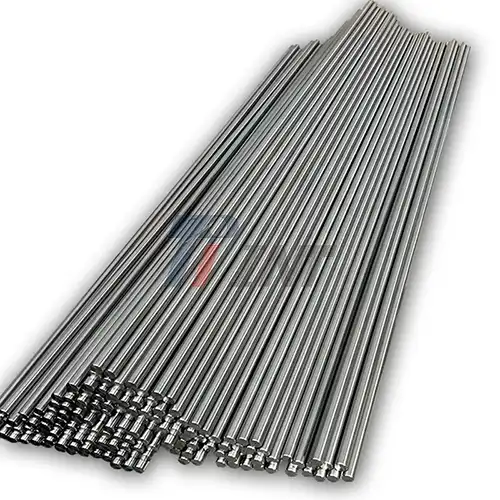
Gr4 Titanium Welding Wire, which is called ERTi-4 in AWS A5.16, is the purest titanium type that can be bought. Its make-up has high levels of oxygen (up to 0.40%) and iron (up to 0.50%), which strengthen the spaces between the molecules to give it amazing dynamic properties.
This improved mix has a minimum tensile strength of 550 MPa and a yield strength of 483 MPa, which is much higher than Grade 2 titanium while still having the benefits of pure titanium's rust protection. The wire creates weld layers that can stand up to harsh chemical conditions, such as the nitric acid, chromic acid, and hypochlorite solutions that are often used to sterilize medical devices.
Making sure the wire surface stays "Super Clean" means getting rid of any impurities that might cause hydrogen embrittlement or gaps in the weld zone. Paying close attention to cleaning is important in medical settings where the structure can't be damaged.
How to Weld Titanium Using GR4 Titanium Welding Wire?
To successfully weld titanium, you need to carefully plan out the process and follow strict steps. The process has several steps, and each one is necessary to get perfect results.
Pre-Welding Preparation and Environmental Controls
Setting up a very clean work area is the first step in getting ready correctly. The area where the welding is going to happen must be free of air, water, and things that could get dirty, like oils, paints, or cleaning solvents. The right air protection is welding grade argon that is 99.999% pure and has a dew point of -60°F or lower.
To prepare the base metal, stainless steel brushes or tungsten carbide cutting tools made just for titanium work are used for mechanical cleaning. Using nitric acid solutions for chemical cleaning gets rid of rust and surface dirt that could hurt the quality of the weld. The surfaces that have been prepared should look bright and even, with no stains or dust.
To keep the surface consistency of Gr4 Titanium Welding Wire, it needs to be handled carefully. The wire should be kept in its sealed packaging until it is needed, and it should only be handled with clean, lint-free gloves to keep oil from getting on the skin.
TIG Welding Parameters for Optimal Results
Gas Tungsten Arc Welding gives you the exact control you need to work with titanium. 2% thoriated or ceriated tungsten electrodes are used in the welding setup. The width of the electrodes is chosen based on the current needs. The DC electrode negative (DCEN) polarity creates a solid spark and allows the current to flow properly.
Shielding gas protects more than just the main fire; it also covers the cooling weld zone with following shields. For full-penetration welds, backup cleaning may be needed to keep the root side from getting contaminated by air. Flow rates of 15-20 CFH for the main torch and 20-25 CFH for tail protection are common.
To get total fusion without too much grain growth, the travel speed and heat supply must be carefully balanced. Low heat input protects the fine-grained structure that helps the material's mechanical properties, and enough heat entry keeps the structure strong under service loads.
Post-Weld Inspection and Treatment
The first step in judging the quality of a weld is to look at how the surface looks. Silver-colored welds are acceptable, but straw or light blue tints may also be okay based on the needs of the product. Powdery layers that are dark blue, purple, or white show that there is serious oxidation that needs to be removed completely and re-welded.
In some important cases, radiographic or ultrasound tests may be needed to find internal flaws like porosity, partial fusion, or inclusions. These non-destructive testing methods make sure that products meet business standards and requirements.
What you should think about when heat treating depends on the service needs and the state of the base metal. Stress relief annealing can lower leftover stresses while keeping the better mechanical qualities that make Gr4 Titanium Welding Wire useful for tough jobs.
Comparing GR4 Titanium Welding Wire with Other Welding Wire Options
Material choice has a big effect on the success of a project and needs to be carefully thought out in terms of performance, cost, and fit for the application. Knowing the comparative benefits helps people who work in buying make smart choices.
Performance Comparison with Other Titanium Grades
Grade 2 titanium is very resistant to rust, but it is not very strong. Its minimum tensile strength is only 345 MPa. It can be used in low-stress situations, but it can't handle the structural needs of high-pressure tanks or load-bearing parts without being made thicker.
By adding aluminum and vanadium to Grade 5 (Ti-6Al-4V), it makes the metal stronger, but it makes soldering more difficult and can cause stress corrosion cracks in some places. The cost of the material is much higher than the cost of widely pure grades, which affects the economy of the project.
This performance gap is filled by Gr4 Titanium Welding Wire, which improves strength through controlled intermediate content instead of expensive alloying elements. This method keeps the ability to weld while getting mechanical qualities that meet strict structural needs.
Cost-Benefit Analysis for B2B Applications
Aside from the initial cost of the materials, economic factors also include their term value and how efficiently they run. Because Grade 4 titanium is stronger than Grade 2, its wall sections can be smaller. This means that less material is used and the final parts weigh less.
Less upkeep is needed because the material is more resistant to rust, which means lower costs over the life of the equipment. This benefit is especially useful in chemical processes and marine uses where replacing a part requires a lot of downtime and costs a lot of money in work.
The material is biocompatible and FDA-compliant, which makes it perfect for medical device uses where changing materials after a product has been released to the market is hard because of the costs and time needed to get regulatory permission.
Applications and Advantages of GR4 Titanium Welding Wire in B2B Procurement
Gr4 Titanium Welding Wire is used in many industrial fields where the performance of the material has a direct effect on safety and operating success. Knowing about these uses helps you find chances to make smart material upgrades.
Medical Device Manufacturing Excellence
The unique mix of properties in Grade 4 titanium is very helpful for companies that make medical devices. The substance complies with FDA biocompatibility standards and has enough mechanical strength for implants and surgery tools that have to hold weight.
The material's ability to prevent corrosion in body fluids and its non-magnetic qualities make it compatible with MRI machines are used in cardiovascular devices. Orthopedic implant makers use the benefits in strength to make parts that are lighter and last longer. This helps patients do better and lowers the number of surgeries that need to be redone.
The material is good for making dental instruments because it doesn't react with chemicals used for cleaning and keeps its sharp cutting edges even after being used many times. Because the instruments are stronger, they can have smaller profiles, which improves surgery accuracy and patient comfort.
Chemical Processing and Aerospace Applications
Manufacturers of chemical processing equipment have to deal with harsh work settings where a material failure could have disastrous results. Because it doesn't mix with oxidizing acids and stays stable at high temperatures, grade 4 titanium is needed for reactor tanks, heat exchangers, and pipe systems that deal with corrosive materials.
Aerospace uses benefit from the high strength-to-weight ratio, which lowers the weight of structures while keeping safety limits. The material is good for engine parts, aircraft structures, and hydraulic systems because it doesn't wear out easily and stays stable at high temperatures.
Marine and remote sites depend on the material's resistance to corrosion in seawater and its ability to stay strong in underwater settings. By choosing the right materials, platform buildings, desalination equipment, and underwater car parts can last longer.
Strategic Procurement Advantages
By using new materials in a smart way, procurement teams can gain a competitive edge. The enhanced properties of Gr4 Titanium Welding Wire make it possible to differentiate products and meet performance standards that allow for higher prices in the market.
Less reliance on rare alloying elements that may not always be available or whose prices can change can lower supply chain risk. For long-term planning, the commercially pure composition guarantees steady supply sources and stable pricing systems. As a result of the material's consistent makeup and ease of welding, quality assurance benefits include streamlined checking processes and lower rejection rates. These things help make industry more efficient and lower the cost of making things.
Procuring GR4 Titanium Welding Wire: What B2B Clients Need to Know?
To buy specialized titanium welding supplies successfully, you need to know about the skills of suppliers, quality systems, and changes in the market that affect price and availability.
Supplier Qualification and Certification Requirements
Reliable providers have full quality management systems that include ISO 9001:2015 certification for general quality control and ISO 13485:2016 certification for medical device applications. These certificates show a dedication to consistent quality and following the rules, which is important for important uses.
Chemical makeup analysis, mechanical property proof, and dimensional conformance tests should all be part of material approvals. Traceability documentation lets you keep track of where the raw materials come from all the way to the delivery of the finished product. This helps with quality reviews and governmental audits.
The testing skills should include both standard requirements and validation procedures that are unique to each customer. Advanced sellers offer unique testing services, such as specialty assessments of mechanical properties and studies of environmental exposure.
Minimum Order Quantities and Packaging Considerations
When businesses buy things, they usually have to place minimum orders that balance the costs of keeping goods with the benefits of price. Suppliers usually give savings for bigger orders, but they can still be flexible with prototype and testing numbers.
Packaging methods keep the quality of the wire's surface while it's being stored and shipped. Vacuum-sealed packages with desiccant protection stop surface rust and moisture absorption that could affect the performance of welding. Different types of welding tools and facility material handling systems can use different types of custom spooling choices.
Technical Support and Service Capabilities
Premium suppliers are different from commodity suppliers because they offer full expert help. Engineering consulting services help make welding methods better for certain uses and pick the right materials for projects that are developing new products.
Training programs make sure that the right way to handle and join materials is done so that they work as well as possible. On-site advice services help with complicated manufacturing problems by troubleshooting and improving the process.
Specifications for welding procedures, material data sheets, and application case studies are all examples of documentation support that makes it easier for final goods to get approved by both internal and external customers.
Conclusion
When choosing the right welding supplies for titanium manufacturing, you have to balance performance needs, cost concerns, and needs specific to the job. It seems that Gr4 Titanium Welding Wire is the best choice for situations that need extra strength above Grade 2 but don't want the hassle and cost of titanium metals. The material's track record in making medical devices, working with chemicals, and aircraft uses shows how useful and reliable it is. B2B clients can use these benefits to improve product performance, lower lifetime costs, and stay competitive in tough markets by choosing the right suppliers and using smart buying strategies.
FAQ
Q1: What makes Gr4 different from other titanium welding wire grades?
A: Gr4 titanium welding wire contains higher oxygen and iron content compared to Gr1 and Gr2, providing significantly greater strength (550 MPa tension vs. 345 MPa for Gr2) while maintaining excellent corrosion resistance. This makes it ideal for high-stress applications where pure titanium types aren't strong enough for high-stress situations, this makes it perfect.
Q2: What welding process works best with Gr4 titanium welding wire?
A: When using Gr4 wire in Gas Tungsten Arc Welding (GTAG/TIG), the best results are achieved. Ultra-pure argon shielding (99.999% purity), the right tungsten electrodes, and following gas security to keep the process clean while it cools are needed. Strict rules about cleaning and controlling the surroundings are necessary for success.
Q3: Can Gr4 welding wire be used on medical device applications?
A: Yes, Gr4 titanium welding wire is biocompatible according to the FDA and is commonly used to make medical devices. Its increased strength makes it perfect for load-bearing implants and surgery tools. At the same time, it keeps the corrosion resistance needed in body fluid environments.
Q4: How should Gr4 titanium welding wire be stored?
A: Keep the wire in its original, sealed package with desiccant to keep it dry in a clean, climate-controlled space. Only use lint-free gloves to avoid spreading germs. Stay away from water, grease, and other things that could make the surface dirty or affect the way the welding works.
Q5: What does weld discoloration indicate when using Gr4 wire?
A: The color of a silver bond means that the protection and quality are correct. Depending on the application code, light straw or blue tints may be fine. Powdery dark blue, purple, or white layers show serious oxidation that needs to be removed along with the weld and re-welded with better shielding protection.
Partner with Baoji INT Medical Titanium Co., Ltd. for Premium Gr4 Titanium Welding Wire
Baoji INT Medical Titanium Co., Ltd. has more than 20 years of experience making medical-grade titanium, which means they can help you with even the most difficult welding jobs. Our strict quality control systems, which include ISO 9001:2015 and ISO 13485:2016 accreditations, make sure that every order of Gr4 Titanium Welding Wire meets the high standards needed for use in medical devices, aircraft, and chemical processing. We are your reliable source for Gr4 Titanium Welding Wire for both research projects and full-scale production needs. We offer full tracking paperwork, expert support services, and a variety of flexible packing options. Get in touch with our knowledgeable staff at export@tiint.com to talk about your unique welding wire needs and find out how our track record can help your manufacturing success.
References
1. American Welding Society. "Specification for Titanium and Titanium Alloy Welding Electrodes and Rods." AWS A5.16/A5.16M, 2018.
2. ASTM International. "Standard Specification for Titanium and Titanium Alloy Welding Wire." ASTM B863-19, 2019.
3. Lutjering, Gerd, and James C. Williams. "Titanium: Engineering Materials and Processes." 2nd Edition, Springer-Verlag Berlin Heidelberg, 2007.
4. Donachie, Matthew J. "Titanium: A Technical Guide." 2nd Edition, ASM International, 2000.
5. Peters, Manfred, et al. "Titanium Alloys for Aerospace Applications." Advanced Engineering Materials, Vol. 5, No. 6, 2003.
6. Schutz, Robert W., and Harry B. Watkins. "Recent Developments in Titanium Alloy Application in the Energy Industry." Materials Science and Engineering A, Vol. 243, Issues 1-2, 1998.
_1753429726760.webp)
_1753426579714.webp)
_1753425743099.webp)
_1752818186472.webp)
_1752644608314.webp)