
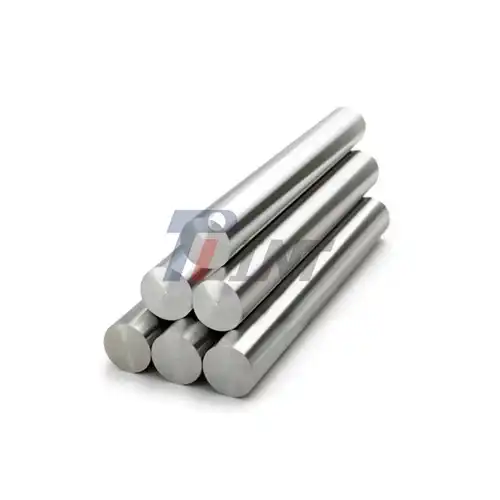
Where to buy titanium sheet metal?


 2026-04-23 09:15:52
To get high-quality titanium sheet metal, you need to work with expert makers who know how to meet the exact needs of industries like aerospace engineering, medical device production, and precision manufacturing. If you are looking for Titanium Sheet AMS 4911, you need to find certified suppliers with full quality systems, expert help, and a history of success. The most reliable ways to buy medical-grade titanium are from suppliers who are ISO 13485 certified and offer full material tracking paperwork. Direct manufacturers who have been processing titanium for decades can provide customized sheet specs, cheap price structures, and the technical support needed for mission-critical uses.
|
|
|
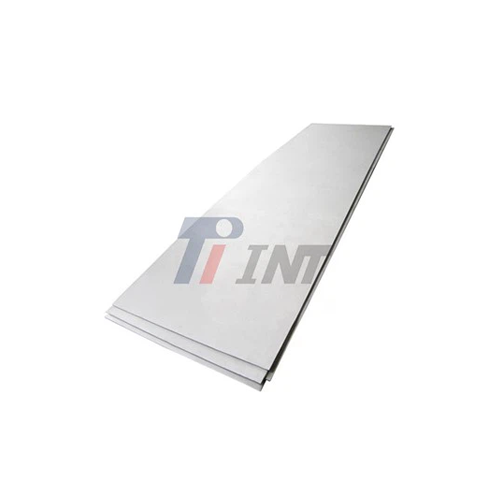
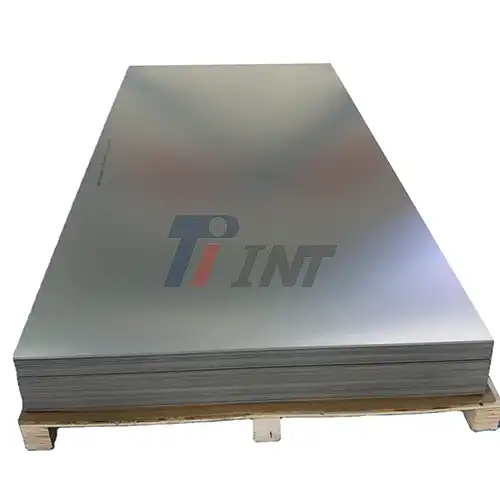
Understanding AMS 4911 Titanium Sheet Metal
What Defines Titanium Sheet AMS 4911
Titanium Sheet AMS 4911 is the standard for Titanium Alloy 6Al-4V (Grade 5) in the aerospace business. It is provided in an annealed state. This standard sets the standard for high-performance uses for sheets made of Ti-6Al-4V that have 6% aluminum and 4% vanadium. Over half of all the titanium used in the world's military and defense industries comes from this material. Unlike commercial-grade options that follow ASTM B265 standards, AMS 4911 needs strict processing controls to make sure that the microstructure is regular and that the wear behavior can be predicted.
The standard solves important engineering problems by getting rid of the usual trade-off between reducing weight and keeping the structure strong. Parts made from this alloy keep their mechanical qualities at high temperatures of up to 750°F and provide the fatigue resistance needed for settings with repeated loads.
Chemical Composition and Mechanical Properties
The science of the alloy is very specific: the amount of aluminum in it is between 5.50% and 6.75%, the amount of vanadium is between 3.50% and 4.50%, and the amounts of iron (up to 0.30%), oxygen (up to 0.20%), and hydrogen (up to 0.015%) are carefully controlled to keep the alloy from becoming too weak. This carefully chosen mix has a Beta Transus temperature of about 1825°F and a mass of 0.160 lb/in³ (4.43 g/cm³). In the annealed state, the minimum tensile strength is 134 ksi (924 MPa), the minimum yield strength is 126 ksi (869 MPa), and the maximum stretch in the horizontal direction is more than 10%.
The even alpha-beta microstructure stops continuous alpha networks that weaken toughness, and the annealed state strikes a balance between strength preservation and formability. It is more resistant to corrosion than austenitic stainless steels in salt environments, aircraft hydraulic fluids, and marine environments. The material is great for aircraft systems that are sensitive to electromagnetic interference because it doesn't conduct heat well and isn't magnetic.
Applications Across Medical and Industrial Sectors
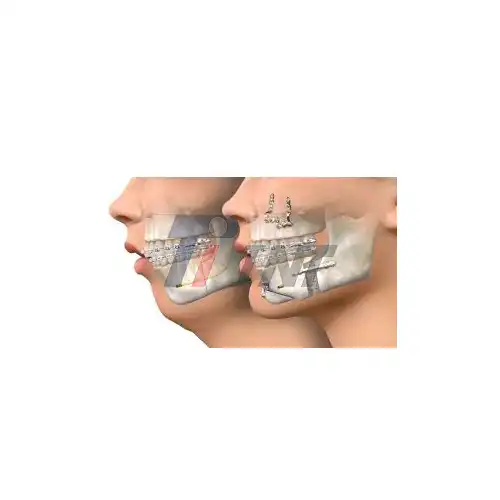
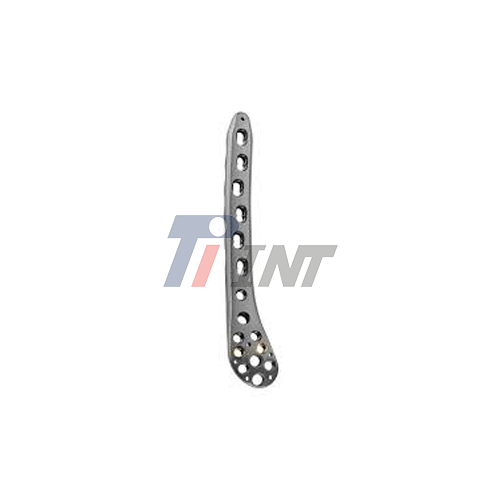
Ti-6Al-4V ELI (Extra Low Interstitial) versions are used by medical device makers to make internal devices like orthopedic plates, spinal fixation systems, and oral implant parts. The benefits of biocompatibility, osseointegration potential, and strength-to-weight meet certain needs for medical implants that hold weight. In the aerospace industry, it is used to make aircraft skins, turbine engine parts, landing gear parts, and structural bulkheads. Reducing weight directly leads to higher fuel economy.
The metal is used in the manufacturing of chemical processing equipment, marine gear, and high-performance car parts. The standards for traceability in the specification make sure that full paperwork is kept from the melt source to the final inspection. This meets the needs of regulations for both FDA-regulated medical products and FAA-certified airplane parts.
How to Choose the Right AMS 4911 Titanium Sheet Supplier
Certification and Quality System Verification
Before choosing a seller, check to see if they have the right quality control certifications. ISO 9001:2015 certification is a basic level of quality system assurance, while ISO 13485:2016 certification is more detailed and covers the standards for making medical devices. Suppliers who work with aircraft companies should show that their methods are NADCAP- and AS9100-certified. These credentials show that there are established quality control methods, written process validations, and frequent audits by a third party.
Medical device makers should make it a priority for sellers to keep their FDA registrations up to date and offer CE marking support so that they can sell their products in Europe. Each package should come with a material test report (MTR) that lists specific heat numbers, chemical analysis results, mechanical test data, and how the material can be tracked back to its original mill approvals. Suppliers who can show the full history of a material from making the ingot to the end processing show the high level of paperwork needed in controlled industries.
Technical Capabilities and Customization Support
Suppliers can do more than just give materials; they can also help with engineering throughout the whole buying process. Manufacturers who have their own metallurgy experts on staff can suggest the best sheet widths, surface finishes, and heat treatment conditions for different uses. Product development cycles run more smoothly when sample materials can be sent for damaging testing, prototype development, and regulatory application. Customization services, such as precise cutting, chemical grinding, and surface processes, cut down on the need for further processing.
Suppliers who keep a wide range of thicknesses in stock (from 0.020" to 0.250") allow for quick prototypes and flexible production. Transparency about lead times, production capacity, and the ability to handle urgent orders are what set attentive partners apart from transactional providers. Technical sales teams should show that they understand the needs of the end user by giving alternatives to standard specs when they don't work well, such as offering Titanium Sheet AMS 4911 for specific requirements.
Geographic and Logistics Considerations
Location affects both how much things cost and how reliably they are delivered. If you compare domestic suppliers in the US to foreign sources, domestic suppliers offer shorter wait times, easier customs processes, and lower shipping risks. When customer quality systems require it, regional manufacturers can respond faster to technical help requests and make it easier for quality checks to be done on-site.
When it becomes too expensive to source goods in the United States, international shipping becomes easier when you have established logistics networks, know-how for packing fragile thin-gauge sheets, and experience with export paperwork. Suppliers who keep smart amounts of goods on hand can protect against problems in the supply chain and offer transfer plans to customers who buy a lot. Minimum order amounts are very different between makers who make to order and distributors who carry stock. Knowing these limits helps people who work in buying balance the costs of keeping goods with the benefits of selling each unit at a higher price.
Procurement Process for AMS 4911 Titanium Sheets
Direct Manufacturers Versus Distribution Channels
Getting goods from direct producers and getting them through marketing networks are two different ways to buy things. Direct ties with manufacturers give you the most options for customization, the chance to work together on technical issues, and usually better prices for big orders. Companies like Baoji INT Medical Titanium Co., Ltd., which has been handling titanium for more than 30 years, offer complete material options backed by metallurgical knowledge and a strong quality system.
These relationships are helpful for medical device OEMs that need verified supply chains, ongoing technical support, and long-term pledges to capacity. Distribution routes are good for meeting smaller number needs because they offer quick access from stocked inventory and make the buying process easier. Distributors offer useful services like cutting materials, putting together kits for production runs, and shipping multiple types of materials together in one package. The trade-off is fewer ways to customize and usually higher prices per pound to cover delivery costs.
Sample Request and Material Qualification
Requests for samples that show suggested production specs are the first step in the material qualification process. Samples should come with all the paperwork they need, like material certifications, handling records, and reports on how the samples fit together. As the inspection procedures come in, they check the chemistry using spectroscopy, the mechanical qualities using tensile tests, and the microstructure using metallographic analysis. A surface quality review finds possible flaws like scratches, scale residue, or problems with the edge state.
Dimensional checking makes sure that the width limits, flatness requirements, and quality of edge preparation are met. When needed, corrosion resistance testing proves that passivation works and that the surface layer is intact. Sample evaluations usually take between two and four weeks, but this depends on how hard the tests are. Qualifying well leads to being listed as an approved seller and placing a buy order for production numbers, including those for Titanium Sheet AMS 4911. When suppliers allow split shipments during testing stages, it shows that they are flexible, which is important during product development cycles.
Pricing Structures and Volume Negotiations
Titanium sheet prices are based on the cost of raw materials, the difficulty of processing, the cost of maintaining a standard system, and changes in market demand. Base prices are usually given per pound, and they change depending on the thickness (thin gauges cost more), the surface finish needed, and the number of pounds ordered. When you buy more than a certain amount, you can negotiate a volume price, which is usually set up in levels that represent how efficiently the production lot works. Long-term supply deals allow for better prices by allowing for better scheduling of production and better buying of raw materials.
Price protection agreements protect against short-term changes in the market while allowing adjustments on a regular basis that are based on public titanium sponge rates. Payment terms affect how much something really costs. For repeat buyers, longer net terms can be offset by discounts for paying early. Transportation costs, especially for packages between countries, need to be carefully thought through when figuring out the total landing cost. Blanket buy orders with planned releases keep prices stable while still letting you change your inventory as needed.
Advantages of Buying AMS 4911 Titanium Sheet Metal for Aerospace and Industrial Applications
Superior Strength-to-Weight Performance
An important reason for using Ti-6Al-4V is that it has an amazing strength-to-weight ratio that can't be matched by other building materials. Achieving tensile strengths similar to many steel alloys at 60% of steel's density makes it possible for aircraft structures to lose a lot of weight. Every pound saved means less fuel used and more cargo room. Both medical implant applications and other uses benefit from smaller devices because they make patients lighter without lowering their need for artificial support.
The material keeps these qualities even at very low temperatures (cryogenic) and high temperatures (750°F). This means it can be used in more situations than just aluminum alloys, which are limited by thermal melting. Design engineers use these properties to make parts with smaller cross-sections, easier to put together by getting rid of unnecessary supports, and able to take on shapes that would be impossible with heavier materials, such as Titanium Sheet AMS 4911.
Enhanced Corrosion Resistance and Durability
Titanium's naturally occurring oxide layer protects against rust very well in a wide range of conditions, without the need for protective coatings or surface treatments. When this passive film gets damaged, it instantly heals itself, providing self-healing corrosion protection that is especially useful in medical implant uses where coating delamination could cause bad biological reactions. It can handle hydraulics in aircraft, salt spray, and industrial process fluids that normally break down stainless steels very quickly.
Since galvanic corrosion doesn't happen when different metals touch each other, it's easier to build assemblies and there's no need for separation. Corrosion-free surfaces keep their shape, quality of finish, and mechanical features over long periods of use, which makes durability benefits increase over the lifecycle of a product. Lifecycle cost benefits, like longer maintenance intervals and fewer breakdowns caused by corrosion, more than make up for higher original material costs.
Compliance with Rigorous Industry Standards
AMS 4911 compliance means that a product meets the quality standards set by the aircraft industry after many years of materials engineering experience. The specification's requirements for testing frequency, acceptance criteria, and paperwork standards meet the needs of all global flight bodies for airworthiness approval. Manufacturers of medical devices can use well-known data on material properties, examples of biocompatibility tests, and regulatory approval to make FDA 510(k) applications and CE marking technical files easier.
Traceability standards built into the design allow for full material genealogy reconstruction, which helps with failure reviews and efforts to keep getting better. Quality systems that are in line with what the standard calls for show that the provider is dedicated to process control, inspector qualification, and calibration maintenance, all of which are necessary to make sure that the material is consistent and free of defects. This uniformity makes it easier for end users to get qualified and gives them faith that the material will perform the same way across production lots and different sources.
Conclusion
Finding Titanium Sheet AMS 4911 requires a thorough review of suppliers, focused on their certifications, technical skills, and demonstrated experience in the medical or military fields. Direct relationships with manufacturers give you more freedom to make changes, the chance to work together on technical issues, and low prices for large orders. The material's unique mix of strength-to-weight performance, resistance to corrosion, and biocompatibility makes it essential for use in medical devices, flight structures, and high-performance industry parts.
Material prices and total lifetime value should be balanced in good buying strategies. These strategies should look at things like source trustworthiness, expert support quality, and the ability to follow regulations. Manufacturers with ISO 13485 approval, full material tracking systems, and decades of experience handling titanium are the best partners for mission-critical tasks.
FAQ
What industries commonly use Titanium Sheet AMS 4911?
The aerospace and defense industries are the main users of Titanium Sheet AMS 4911, which is used to make parts for engines, landing gear systems, and airplane structures. Ti-6Al-4V is what medical device makers use for orthopedic implants, spinal fixation systems, and surgery tools that need to be strong and biocompatible. Chemical processing equipment, naval gear, and performance parts for cars are all examples of industrial uses where corrosion resistance and weight reduction give companies a competitive edge.
How does corrosion resistance compare to stainless steel alternatives?
Titanium metals work much better than austenitic stainless steels in chloride-containing settings, so you don't have to worry about pitting and crevice corrosion. Without any protection coverings, the material can handle oxidizing acids, salt spray, and biological fluids. Ti-6Al-4V protects against a wide range of corrosion, making it easier to choose the right material than stainless steels, which need to be made from a unique alloy for each climate.
What are typical lead times for bulk orders?
Production wait times are between 8 and 16 weeks, based on the thickness needed, the number of orders, and how much capacity the seller is using. Smaller sales may be filled within days by stock distributors, but custom handling takes longer. Through production planning integration, shorter lead times are made possible by established supplier ties and blanket buy orders.
Can the material undergo additional heat treatment?
While AMS 4911 calls for delivery in the annealed state, other heat treatments, such as stress reducing and solution treating, along with aging, change the mechanical properties for different uses. Solution treatment at temperatures close to Beta Transus and then controlled cooling and aging processes makes the material stronger but less flexible. When heat treatment is done, it must follow standard aircraft methods to keep trackability and process validation.
Partner with Baoji INT Medical Titanium Co., Ltd. for Premium Medical-Grade Titanium Sheet Solutions
Baoji INT Medical Titanium Co., Ltd. is a certified Titanium Sheet AMS 4911 source that has worked with aerospace companies, medical device makers, and precise engineering firms for more than 20 years. Our ISO 13485:2016 and CE-certified factories provide high-purity titanium sheets that meet ASTM, ISO, and FDA standards and come with full paperwork that shows how the materials were made. We keep a large stock of bars, plates, wires, and customized forgings made from Ti-6Al-4V ELI that meet the needs of orthopedic implants, surgery tools, and dental uses.
During the whole process of making a product, technical advice services help you choose the right materials, make the best use of processing, and check the quality. We've built long-term relationships with top medical technology companies that last more than ten years thanks to our dedication to stable supply chains, on-time shipping, and helpful customer service. You can email our technical sales team at export@tiint.com to talk about your specific Titanium Sheet AMS 4911 needs, ask for sample materials for quality testing, or look into special processing solutions that are made to fit your manufacturing needs.
References
1. ASM International. "Titanium: A Technical Guide, 2nd Edition." Materials Park, Ohio: ASM International, 2000.
2. Boyer, R., Welsch, G., and Collings, E.W. "Materials Properties Handbook: Titanium Alloys." ASM International, 1994.
3. Donachie, Matthew J. "Titanium: A Technical Guide, Second Edition." ASM International, 2000.
4. Lutjering, Gerd and Williams, James C. "Titanium, 2nd Edition." Springer-Verlag Berlin Heidelberg, 2007.
5. Peters, M., Kumpfert, J., Ward, C.H., and Leyens, C. "Titanium Alloys for Aerospace Applications." Advanced Engineering Materials, Volume 5, Issue 6, 2003.
6. SAE International. "Aerospace Material Specification AMS 4911: Titanium Alloy Sheet, Strip, and Plate 6Al-4V Annealed." Society of Automotive Engineers, Warrendale, Pennsylvania, current revision.
_1755061331871.png)
_1752818186472.webp)
_1749191401740.webp)