
What are the common uses of 2mm titanium sheets in medical device manufacturing?


 2026-04-28 13:45:40
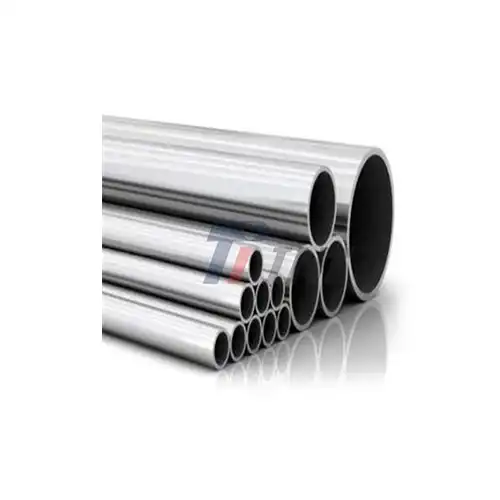
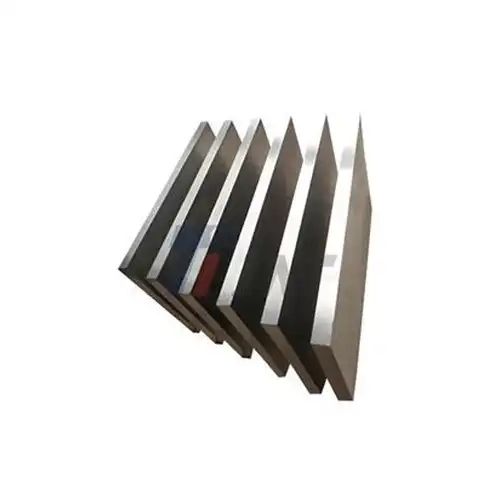
When we talk about precise materials in the medical device business, the titanium sheet 2mm standard really stands out as a big deal. That thickness isn't just a guess—it's the perfect balance of material strength and formability, letting makers make products that are strong and light at the same time. 2mm medical-grade titanium sheets are used to make surgical tools and parts for implants. They allow engineers to come up with solutions that improve patient results while also meeting strict regulatory requirements. Because it doesn't rust, doesn't react with living things, and doesn't break easily, this material is essential for trauma surgery, orthopedics, dental uses, and specialized medical tools. When purchasing managers and research and development engineers look at different materials, they need to know how this particular gauge solves real-world production problems in order to make smart choices about where to get the materials that are best in terms of quality, compliance, and cost.
|
|
|
Understanding the Key Properties of 2mm Titanium Sheets for Medical Devices
Exceptional Biocompatibility and Corrosion Resistance
Medical-grade titanium sheets that are 2mm thick are very biocompatible, which means they blend in with human flesh without causing bad immune responses. Even in the harsh, chloride-filled environment of body fluids, the material makes a stable, self-repairing titanium dioxide (TiO2) oxide layer that keeps the metal from rusting. This trait is much better than options made of stainless steel, which can develop pitting or crevice corrosion after being implanted for a long time. Titanium is not magnetic, so it can be used with MRI and other medical imaging techniques without any problems with interference that come up with ferromagnetic materials.
Optimal Strength-to-Weight Ratio
Even though titanium is only 56% as dense as steel, it has the same tensile strength while a hugely reduced weight. Grade 2 economically pure titanium is usually found in 2mm strips and has a yield strength of about 275 MPa. It is also very flexible and can be cold shaped easily. For tougher jobs, Ti-6Al-4V ELI (Grade 23) metal sheets are used because they have yield strengths higher than 828 MPa and meet biocompatibility standards. This strength benefit directly leads to thinner, lighter surgical tools that keep surgeons from getting tired during long procedures and implants that don't put too much stress on the bone tissue around them.
Compliance with International Standards
Medical titanium sheet 2mm have to meet strict requirements set out in ASTM B265, ASME SB265, and ISO 5832 standards. These models set limits on chemical composition, mechanical properties, surface finish standards, and documents for tracking. For target markets, procurement teams should make sure that suppliers have both FDA registration or CE marking and ISO 13485:2016 approval for medical device quality control systems. Each batch should come with a material test report (MTR) that lists the qualities that are unique to that lot and confirms that it meets the standards for implant-grade purity and performance stability.
Top Common Uses of 2mm Titanium Sheets in Medical Device Manufacturing
Surgical Instrument Components
The 2mm thickness is perfect for making surgery tools that can be used more than once, like retractors, forceps handles, and instrument boxes. This gauge is strong enough to go through multiple cleaning processes in autoclaves at temperatures of up to 135°C without breaking down or warping. The smooth, hard titanium surface doesn't let biological materials stick to it, which makes cleaning easier and lowers the risk of contamination between processes. Titanium versions of standard stainless steel tools are 45% lighter, which directly leads to better ergonomics during complicated surgeries that may last for hours.
Medical titanium sheet 2mm are being used more and more in laparoscopic and minimally invasive surgery tools. Because the material is so easy to work with, complex features like teeth that grab or joints that move can be precisely CNC milled. Titanium's low thermal conductivity also makes it useful in electrosurgical uses, since the handles stay cooler to the touch than those made of metals that carry heat more readily. Because of these performance traits, instrument makers can push the limits of how well tools work while still meeting the standards for longevity needed for long-term use in harsh clinical settings.
Orthopedic Implant Substrates
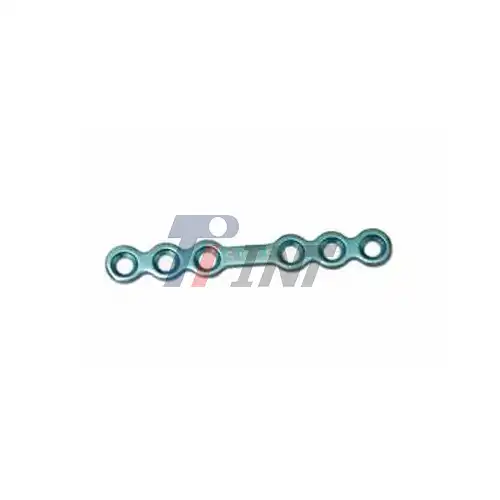
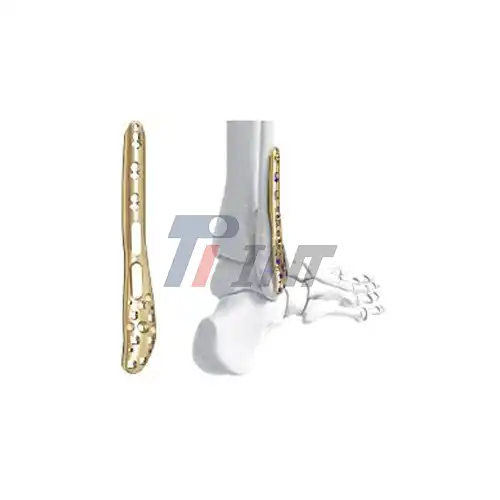
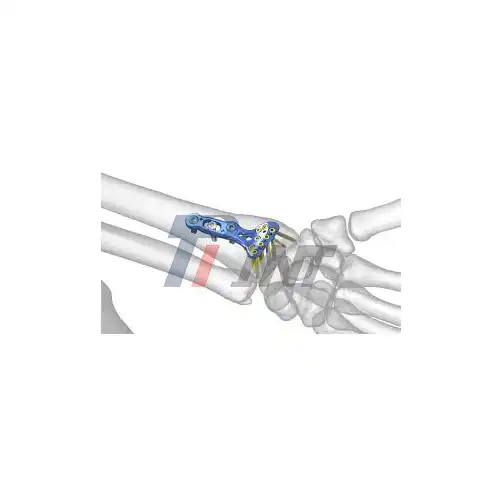
2mm titanium sheets are often used as the base material for trauma plates, bone fixation devices, and spine fusion bars. This thickness is just the right amount—it's thick enough to support physiological loads while the bone heals, but not too thick that it changes the shape of the implant or causes tissue damage. At about 105 GPa, the material's modulus of elasticity is closer to that of cortical bone than steel's is. This means that it doesn't protect against stress as well, which can lead to bone loss around implants. Surgeons like this structural compatibility because it helps gear and spinal structures fit together better over time.
Because Grade 2 titanium sheets are easy to shape, producers can make plates with anatomical shapes by bending and pressing them. A normal bend radius of 4mm (2T) keeps the surface from cracking and lets tight curves form around complicated bone shapes. 2mm sheets can be treated with plasma spraying or acid etching on the surface to improve osseointegration. This is done by making microporous surfaces that help bone cells connect and grow. Because of these processing options, thin titanium sheets can be used as a variety of bases for next-generation medical solutions that focus on customizing care for each patient and speeding up the healing process.
Medical Equipment Enclosures and Housings
Titanium sheet enclosures protect diagnostic tools, patient monitors, and surgery robot parts from electromagnetic fields without adding too much weight. The 2mm diameter protects sensitive equipment well enough while still being portable for medical carts and systems at the bedside. Aluminum housings can rust when exposed to cleaning chemicals, but titanium cases can be disinfected over and over with strong quaternary ammonium compounds or bleach-based solutions without the surface wearing down.
Thin titanium sheets are easy for manufacturers to shape when they need to make cases with complex curves or built-in fixing features. Our TIG or laser welding techniques create fully sealed cases for implantable device electronics, keeping circuits from getting wet over the decades that the devices are used. The material is radiolucent, which means that X-rays can pass through it. This lets doctors see inside device housings, which is very important for making sure that embedded therapy systems like neurostimulators or drug delivery pumps are in the right place.
Dental Applications and Prosthetics
2mm medical-grade titanium sheets are often used in dental implant abutments, orthodontic braces, and denture frames. The mouth has special problems because the pH levels change, germs are present, and the muscles that bite and chew put pressure on the teeth. Titanium is the best material for gingival touch uses because it has been shown to be biocompatible with soft tissue. The material doesn't stain as easily and looks better longer than cobalt-chromium options that are often used in frames for removable partial dentures.
For unique cranial plates and mandibular repair parts, prosthetists choose titanium sheets. Being able to cold-form 2mm sheets lets medical teams pre-bend implants during surgery, which helps them get a perfect fit for the body during reconstruction procedures. This ability to be shaped is very helpful when dealing with trauma cases that need custom shaping for each patient. The radiopaque qualities help with imaging proof after surgery, and the material's durability means there are no worries about it breaking down or the need for more surgery because of it, which is an important factor to consider for quality-of-life restorations.
Manufacturing Considerations: Working with 2mm Titanium Sheets
Cutting and Machining Techniques
Because titanium tends to work-harden and doesn't conduct heat well, processing 2mm titanium sheets needs special techniques. With waterjet cutting, you get clean lines that don't have any heat-affected areas. This keeps the material's properties the same all the way through the cut shape. This method works great for prototypes and shapes with lots of curves, where expensive tool wear from abrasive cutting would be a problem. Laser cutting speeds up the production process for large amounts of material, but careful parameter control keeps the material from oxidizing too much, which could make it less biocompatible for medical uses.
For standard machining of titanium sheets, you need sharp carbide or ceramic tools and strong coolant supply to get rid of chips and keep the temperature stable. Compared to other milling methods, climb milling techniques slow down work hardening. Peck drilling cycles stop chip packing that can break tools when drilling mounting holes or making features. We discovered that keeping cutting speeds between 60 and 80 surface feet per minute and feeds of 0.003 to 0.005 inches per tooth gets the best results while also extending tool life and reducing material waste, which is a big worry because titanium is more expensive than most metals.
Welding and Joining Strategies
When joining titanium sheet 2mm together, an inert gas shield is needed to keep the air from getting dirty during the welding process. TIG welding, which uses argon to protect both the weld face and root sides, is still the best way to do it. Backing purge devices make sure that there is no air at all, because even small amounts can weaken the weld zone. Skilled welders can make full-penetration welds on 2mm material without adding filler. However, Grade 23 filler wire can be asked for to improve the mechanical qualities in high-stress situations.
Resistance spot welding makes it easy to put together multi-layer structures quickly, like instrument trays or device housings. This method makes limited fusion happen without adding a lot of heat to the material around it. Using medical-grade epoxies for adhesive bonding is an alternative way to join things that doesn't change the qualities of the base material and spreads stress more evenly than mechanical connections. Teams in charge of buying things should ask for passivation treatments after welding to recover the protective oxide layer. This will make sure that the corrosion resistance meets the strict standards set out in ASTM F86 for medical implant materials.
Supply Chain and Procurement Dynamics
To find medical-grade titanium sheets, you need to do more than just compare prices. You need to carefully evaluate each seller. Lead times are usually between 4 and 8 weeks for stock thickness material. For custom measurements or surface finishes, rolling takes an extra 6 to 12 weeks. Different suppliers have different minimum order amounts. For example, well-known mills usually need at least 500 kg, while distributors may be able to handle smaller lots with higher prices. We suggest keeping a strategic stock of widely used specs to protect against supply problems that happen in the global titanium market from time to time.
Custom cutting services are valuable because they give blanks that are the right size for your production needs. This cuts down on material waste and extra work that needs to be done. Prices for titanium sheet 2mm can range from $35 to $65 per kilogram, based on the grade, the amount, and the state of the market. At the lower end of this range is Grade 2 commercially pure material. At the other end is aerospace-grade Ti-6Al-4V ELI, which costs more because it has stricter specifications and better paperwork for tracking. Building ties with qualified sellers who know how to meet the regulatory standards for medical devices is more useful than buying things one at a time with the goal of lowering the unit cost.
Comparative Analysis: Why Choose 2mm Titanium Sheets Over Other Materials?
Performance Advantages Over Stainless Steel
Because it is cheaper, 316L stainless steel is still used a lot in medical products. However, titanium sheet 2mm work better in difficult situations. Titanium is more resistant to corrosion in chloride settings than even the best austenitic steel grades. This means that long-term implants won't have to worry about stress corrosion cracking or crevice corrosion. The magnetic qualities of stainless steel make MRI images less clear and put people at risk in strong magnetic fields. These are problems that titanium devices don't have. The 45% weight loss makes it possible to make instruments that would be too heavy to use in steel, especially for surgery tools that are held in the hand and used for long treatments.
When it comes to biocompatibility, titanium's oxide layer stays stable and doesn't mix with living things. On the other hand, stainless steel can release nickel ions that can make some people hypersensitive. Because of this allergy worry, nickel-containing products used in long-term body contact have been closely looked at by regulators. Studies show that titanium implants have better osseointegration and lower levels of inflammatory response markers than stainless steel implants. This means that patients have better results and fewer complications. These differences in performance make titanium worth the extra cost in situations where gadget life and patient safety are very important.
Thickness Selection Rationale
When you compare titanium sheet 2mm to smaller ones like 1mm or thicker ones like 3mm, you can see the trade-offs that depend on the purpose. The 1mm thickness gives you the most shapeability and the least amount of weight, but it might not be strong enough for load-bearing medical parts. On the other hand, 3mm sheets make heavy-duty trauma plates stiffer, but they also make the implant shape bigger and make minimally invasive methods harder to use. The 2mm size is the best choice for most medical uses because it is strong enough while still being easy to shape and light enough.
When designing devices, engineers should keep in mind that the minimum bend radius increases with thickness. For example, 2mm Grade 2 titanium needs an internal radius of at least 4mm, while 3mm material needs a radius of 6mm to keep the surface from cracking. Thinner gauges make it possible for devices to have smaller shapes and smaller radii, which is useful for dental uses or infant implants where room is limited. Since the cost of materials goes up almost directly with thickness, choosing the smallest gauge that meets structural needs is the best way to make a component economically. Design teams can be sure that 2mm sheets meet performance requirements without over-engineering, which raises the cost of production, by using finite element analysis and actual tests.
Cost-Benefit Considerations
To explain why titanium costs 3–5 times more than stainless steel, you need to look at the total cost of ownership instead of just comparing prices. Because titanium doesn't rust, it doesn't need a protected layer, which would add steps to the manufacturing process and could cause it to fail. The material's natural biocompatibility lowers the number of clinical complications, which in turn lowers the risks to the guarantee and the brand's image that come with bad events. Lighter surgery tools are better for surgeons' health and could cut down on process times and the costs of running an operating room that are much higher than the cost of the instruments themselves.
Implant makers find that titanium's higher wear strength lets them offer longer guarantee periods and lowers the number of surgeries that need to be redone, which are important ways to stand out in the medical device market. Because the material is stable at a wide range of temperatures, you don't have to worry about how to sterilize heat-sensitive tools with cold ways. When fewer steps are needed to make titanium sheet 2mm products, they work better in the body, and they cost more, the business case often favors titanium, even though it costs more to get the raw materials. Procurement strategies should look at all of a supplier's skills, such as expert support, systems for tracking materials, and quality assurance infrastructure that prevents expensive production delays or fails to meet regulatory requirements.
Trusted Suppliers of Medical-Grade 2mm Titanium Sheets
Evaluating Supplier Credentials
When making medical devices, choosing a titanium sheet 2mm source requires a lot more research than choosing an industrial material supply. Check to see if possible partners still have the ISO 13485:2016 approval that shows they follow the rules for medical device quality management systems. If the supplier is sending goods to the U.S. market, ask to see proof of their FDA business registration. This shows that they know how to follow the rules for regulatory tracking. European providers should have the CE stamp, which shows that they follow the rules set by the Medical Device Regulation (MDR). These rules cover things like biocompatibility and quality control.
Every shipment should come with a material test report that lists the mechanical qualities, such as tensile strength, yield strength, and elongation values, as well as the chemical makeup based on ASTM E1409 spectroscopy analysis. Reliable providers keep track of lots from the mill heat numbers to the final sheet production. This lets problems with quality be quickly found if they happen while the device is being made. We figure out how stable a supplier is by looking at their operational history. Companies that have been working with medical titanium for decades show that they are dedicated to this niche market, unlike general metal distributors who are just trying to get the higher prices in the medical market without having the right technical infrastructure or regulatory knowledge.
Baoji INT Medical Titanium's Capabilities
Manufacturers who want to get approved medical titanium sheet 2mm from a reputable source should look at well-known experts with a track record of success. Formed goods, rods, wires, plates, and other types of materials are all available from companies that offer expert advice on a wide range of medical gadget uses. When suppliers offer both raw materials and value-added processes like precision cutting or surface treatments, they make supply lines more efficient while still keeping quality control under one management system. Partnering with companies that have been in the titanium business for decades adds useful material science knowledge to joint product development projects.
The best ties with suppliers go beyond just getting materials when they're needed. They also include expert advice on things like material choice, processing parameters, and strategies for following the rules. Companies with ISO 9001:2015 and ISO 13485:2016 certifications show they are dedicated to consistent quality systems. Companies with EU CE certifications show they know how to follow foreign rules. These qualifications give purchasing managers peace of mind that the quality standards for the materials will be met from batch to batch, which helps with the testing and approval that medical device quality systems need to do throughout the lifecycle of a product.
Conclusion
Medical gadget companies are under more and more pressure to come up with new ideas that help patients and keep costs down while still following all the rules. The titanium sheet 2mm standard is a tried-and-true material that meets all of these different needs with its excellent biocompatibility, corrosion protection, and mechanical performance. This gauge lets designers make devices that balance structural integrity with weight reduction and formability needs. These devices include medical tools, orthopedic implants, and diagnostic equipment cases. If procurement experts know about titanium's technical benefits, how it should be manufactured, and how to evaluate suppliers, they can help their companies make smart sourcing choices that improve product quality while keeping total cost of ownership low.
FAQ
What titanium grade is best for implantable medical devices?
Grade 23 Ti-6Al-4V ELI (Extra Low Interstitial) is the best standard for implants that need to be very strong and not wear down easily. This metal has a yield strength of more than 828 MPa and is better for living things because it has less oxygen and iron than normal Grade 5 material. Spinal bolts, trauma plates, and joint parts can all benefit from this performance characteristic. Grade 2 economically pure titanium works well in low-stress situations like tooth abutments or cranial plates, where cost and shapeability are more important than strength. Both grades meet the standards for medical implant materials set by ASTM F136 and ISO 5832-3.
How does titanium corrosion resistance compare to 316L stainless steel?
Titanium is much more resistant to rusting in physiological conditions that contain chloride ions. The steady TiO2 oxide layer stops the pitting and crevice rust that can happen over time and weaken stainless steel implants. Accelerated rust tests according to ASTM G48 shows that titanium keeps its passive film integrity in solutions that are much more aggressive than body fluids, while 316L stainless steel breaks down in a way that can be measured. This performance gap is especially noticeable when implants touch bone, as tiny movements create conditions that help rusting happen. Titanium's good electrical potential also stops galvanic rusting when it is mixed with other medical materials, such as cobalt-chromium parts in modular device systems.
Can I order custom-cut titanium sheets for prototyping?
Most specialized medical titanium providers can handle small orders and offer custom cutting services that are made to fit the needs of prototype development. Waterjet cutting is a cheap way to process small amounts, like a single sheet, and it makes exact blanks without the minimum order costs that full mill runs have. When asking for sample material, make sure you include all of your needs, such as the grade, thickness range, surface finish, and edge condition, to make sure the material can be used in later steps. Ask for material approval paperwork even for development numbers, because checking the properties of materials early on saves money on reworking cycles. A lot of providers offer technical advice during the sample phase, which helps you get the best blank sizes and material specs before you spend money on production tools.
Partner with Baoji INT Medical Titanium for Superior Material Solutions
Baoji INT Medical Titanium Co., Ltd. has been making medical-grade titanium materials for over 20 years and works with top medical device makers in the trauma, orthopedic, dental, and surgical tool fields. Certified titanium sheet 2mm in both Grade 2 commercially pure and Ti-6Al4V ELI standards is part of our wide range of products. It comes with full ISO 13485:2016, ISO 9001:2015, and CE certificates. As a reliable provider of titanium sheet 2mm, we offer full traceability documents, custom cutting services, and expert support as you work to make your product.
Our quality control systems make sure that each batch is the same and meets ASTM B265 and ISO 5832 standards. We can also make products with thickness tolerances as small as ±0.15mm, so they can be used in the most difficult situations. Contact our team at export@tiint.com to talk about your unique needs and find out how our knowledge of materials can speed up the development of your device while also making sure it meets regulatory standards and performs better in clinical settings.
References
1. American Society for Testing and Materials. (2021). ASTM F136-13: Standard Specification for Wrought Titanium-6Aluminum-4Vanadium ELI (Extra Low Interstitial) Alloy for Surgical Implant Applications. ASTM International.
2. Disegi, J.A., & Eschbach, L. (2000). Stainless Steel in Bone Surgery. Injury, International Journal of the Care of the Injured, 31(Supplement 4), D2-D6.
3. Long, M., & Rack, H.J. (1998). Titanium Alloys in Total Joint Replacement—A Materials Science Perspective. Biomaterials, 19(18), 1621-1639.
4. International Organization for Standardization. (2016). ISO 5832-3:2016 Implants for Surgery—Metallic Materials—Part 3: Wrought Titanium 6-Aluminum 4-Vanadium Alloy. ISO Standards.
5. Niinomi, M. (2008). Mechanical Biocompatibilities of Titanium Alloys for Biomedical Applications. Journal of the Mechanical Behavior of Biomedical Materials, 1(1), 30-42.
6. Okazaki, Y., & Gotoh, E. (2005). Comparison of Metal Release from Various Metallic Biomaterials In Vitro. Biomaterials, 26(1), 11-21.
_1752463076575.webp)
_1752462890412.webp)
_1750209732185.webp)