




What Is an Implant Grade Titanium Belly Bar Used for in Piercing?


 2026-11-03 16:12:19
Something called an "implant grade titanium belly bar" is a type of belly bar made of titanium that is safe for use in surgery. ASTM F136 (Ti-6Al-4V ELI) is often used as this standard. Because it's light, doesn't rust, and doesn't have nickel in it, piercers use it for new navel piercings and people wear it after their piercings have healed. The word only refers to the things inside. It does not promise that it will fit well or stay clean. Where does the titanium that makes this jewelry come from? People who own brands or want to buy it want to know.
|
|
|
What Does "Implant Grade Titanium" Mean for a Belly Bar?
A Material Specification, Not a Marketing Label
The surgical implants made of wrought Ti-6Al-4V ELI alloy are covered by ASTM F136. ISO 5832-3 talks about an implant alloy that is very similar to this one. Because it is made of implant grade titanium, the Association of Professional Piercers says it can be used for first piercings. "Medical titanium" and "hypoallergenic titanium" aren't clear terms, so I treat them like claims that need to be proven. A mill certificate with the chemical make-up, mechanical properties, and lot number is that proof. If you don't have the paperwork that comes with the bars, the label doesn't tell you much.
Grade 5 Versus Grade 23 (ELI)
Both Grade 5 and Grade 23 use the same Ti-6Al-4V base. "Extra low interstitials," or ELI, means that elements like oxygen and iron are further away. It is possible for ASTM F136 to allow up to 0.13 percent oxygen, while standard Grade 5 will allow up to 0.20 percent gas. Less space between the fibers makes the material tougher and more flexible, which is important for thin posts that bend over time. It looks like both grades are the same, so it's risky to use Grade 5 instead of ELI. The only real way to tell them apart is to look at the certificate's chemical tests.
Titanium Compared With Surgical Steel
316L stainless steel is about 8 g/cm³ dense, while titanium is only 4.43 g/cm³ dense. This means that titanium is the lighter of the two. Nickel can be found in alloys of steel, such as 316L. Someone who is allergic to nickel often comes into contact with it. Titanium doesn't have any nickel in it, and the oxide film it makes is stable and won't rust. It can also be anodized, which gives it color without dying or plating. Finish, size, fit, cleanliness, and having a professional put it in are still more important for safety than the metal itself.
Why Choose an Implant Grade Titanium Belly Bar?
Nickel-Conscious Wear for Sensitive Skin
A lot of people want jewelry that doesn't make them feel anything. An implant grade titanium belly bar is good for many people who have problems with cheaper alloys because it doesn't have nickel in it. A lot of metals can irritate the skin. A bad fit, friction, or harsh cleaning products can also do this. That's why I can't say for sure that no metal is safe for people with allergies. It is certain that a bar doesn't have nickel in it and is made from a well-known implant alloy. People who know what they're looking for trust that wording more than a vague "hypoallergenic" badge. It's also easy for piercers to read.
Lightweight Comfort and Corrosion Resistance
Because a navel piercing moves around all day, you should think about your weight. When a charm or gemstone hangs down, it has less mass, so it pulls less on the channel. TiO2's passive oxide film is also not hurt by sweat, saline cleaners, or chlorinated or salt water. It is well taken care of, so the jewelry stays smooth. It's easier to clean and better for tissue if the surface is smooth. These reasons make studios choose titanium for first jewelry, and customers who buy a lot of it like it.
Design Flexibility for Brand Collections
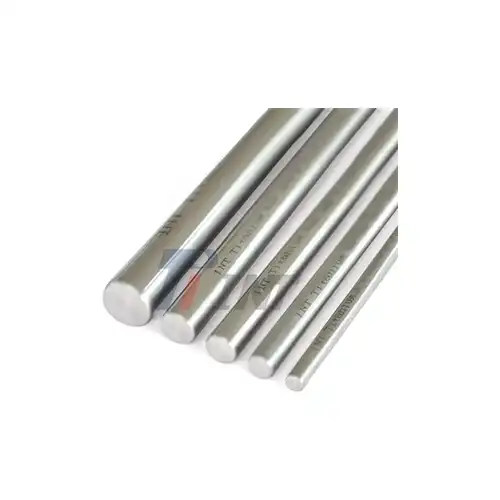
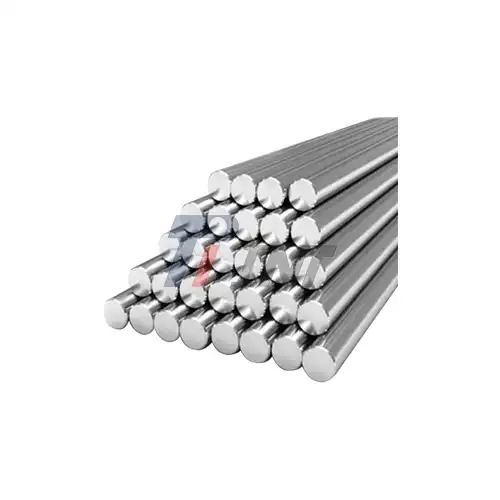
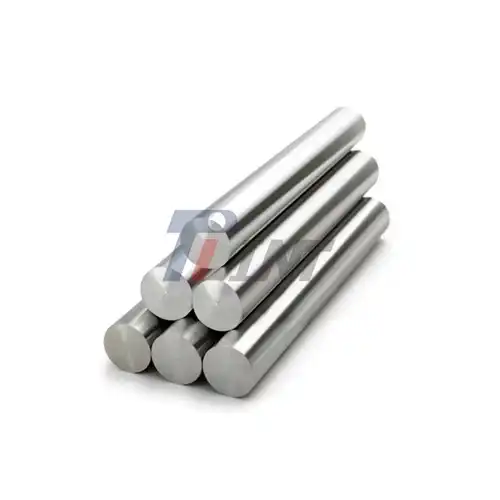
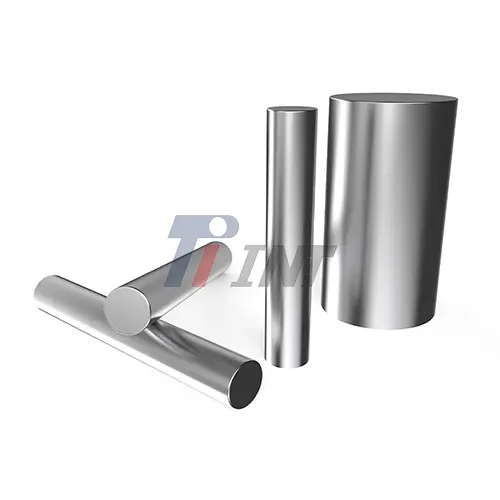
Implant grade titanium belly bar can have opal or gemstone ends, dangling charms, plain curved barbells, and colors that have been anodized added to them. During anodizing, the voltage controls how thick the oxide is. Instead of paint or plating, the color comes from the way the light hits the metal. Different price ranges can be made from the same core bar, and the brand can add private-label lines or custom packaging. These bars are made from titanium rods and wire that come from Baoji INT Medical Titanium Co., Ltd. After that, the styles will be chosen by your design team and processing partners.
How Does an Implant Grade Titanium Belly Bar Compare With Other Jewelry Materials?
Titanium Versus 14K Gold and Gold Plating
For initial jewelry, some piercers will also work with solid 14K or higher gold that doesn't contain nickel. Titanium is lighter and cheaper than gold, though. Putting on gold is not the same thing. A base metal gets a thin layer put on top of it. People sweat, rub against it, and clean it, which can wear it off. I believe that stores should never talk about jewelry that is plated as if it were real gold. Steel is in the middle. It costs less than gold, doesn't have a coating that comes off, and when it's anodized, the color comes from the metal itself.
Titanium Versus Sterling Silver
Most sterling silver is copper—92.5% of the metal is copper. As soon as it comes in contact with sulfur compounds and skin, it turns black. Since it tarnishes, it's not a good choice for new piercings, and the Association of Professional Piercers says it shouldn't be used for initial jewelry either. The silver looks bright and the price is down. It helps with fine lines and piercings that are fully healed. It's good for brands that want a line that lasts longer and doesn't hurt the skin. They can share a catalog as long as each one is good for its own customer.
Internal Threads, Threadless Designs, and Curved Bars
Internally threaded bars have threads within the ends. This smooths shaft passage through the hole. Since the shaft has no threads, they employ a push-fit pin and leave it smooth. However, weak tolerances might cause ends to slide. Initial jewellery comes in both kinds, although outside-threaded bars might damage tissue when inserted. Because of the navel form, belly bars usually have curved barbells. A piercer must examine straight bars. You shouldn't combine threaded parts from various brands since their pitches and diameters vary.
How to Choose the Right Implant Grade Titanium Belly Bar Size and Care Routine
Gauge: 14 Versus 16
The gage tells you how thick an implant grade titanium belly bar is. A 14-gauge bar is 1.6 mm wide, and a 16-gauge bar is 1.2 mm wide. Most navel piercings start at 14 gage. 16 gage is often used for piercings that are healed or for lighter styles. People shouldn't try to force a thicker bar through a smaller hole because the channel itself decides what works and what doesn't. Once the professional piercer has looked at the body, they should choose the starting gage. Brands that have both sizes help more people and keep orders from going to the wrong size.
Length and Curvature
If you measure along the bar without the balls or gems on top, you can wear it as long as it is between the two ends. Most of the time, 10 mm and 12 mm are used. The bar needs to be longer the first time it's pierced so that the body has time to swell. The bar can be cut shorter once the tissue sets. You should get longer bars if your navel is deeper or your meat is thicker. Figure out a standard way to measure each SKU and let everyone know about it. With navels that are shallow, deep, and different, it's better to have more than one length.
Healing, Aftercare, and Jewelry Changes
After getting pierced, it may take six months to a year or even longer to heal. I don't think you should switch jewelry too soon because comfort could come back before the channel is fully healed. Wash your hands and clean the piercing with sterile saline before you touch it. Make sure the waistbands don't rub against each other and don't twist the bar. You can clean jewelry that has been taken off, but you can't freeze it to kill germs. If you feel pain from pressure or a heavy charm, it's not the same as having redness, heat, or pus that spreads. Those signs mean that the person needs to see a doctor or piercer.
How Should Buyers Evaluate an Implant Grade Titanium Belly Bar Supplier?
Start With Documents That Match the Material
Get the mill certificate first, then do anything else. There must be a lot number that matches what is written on the material or its packaging, the chemical make-up, and the mechanical properties. The standard must be listed as either ASTM F136 or ISO 5832-3. Make sure that all of the paperwork is sent with each shipment. Problems like certificates that don't match the goods and lots that are mixed up happen a lot. You can test a sample in a lab or compare the ELI chemistry to the limits yourself. Traceability is usually set up by the supplier if they don't mind this check.
Check Quality Controls Along the Production Chain
If you want to make sure the finished bar is of good quality, ask the people who will be processing it what they look for. On the inside threads, you can use Go/No-Go gages. On the surface, check for burrs and pits. Passivate the surface according to ASTM F86 to get rid of free iron. Finally, match the anodized color to a real swatch. When you get the titanium, ask the supplier how the rods and wire's surface is and if there are any size mistakes. The EU CE, ISO 13485:2016, and ISO 9001:2015 have all given Boao INT Medical Titanium Co., Ltd. their trust.
Confirm Commercial Terms and Sample Steps
People who buy in small amounts should talk to the seller about the minimum order quantity, lead time, production capacity, export packaging, payment terms, and Incoterms before placing an order for implant grade titanium belly bar. Jewelry sets often have a lot of pieces of different sizes, but not many of each. Make sure you know what sizes and lengths you need. Before you buy a lot of them, get some samples and polish and anodize them yourself that way. Order again based on sales after that. Once a sample, test run, and repeat orders are approved, there is little risk to the inventory and proof that the product is always the same.
Product Selection Guide: Matching Jewelry to the Use Case
Fresh Piercings
Make sure your new navel piercing is implant-grade titanium with a smooth, polished surface, the proper gauge and length, and a simple, curved design with a threaded or threadless closure. Don't use powerful charms or confusing settings until healing is complete. Clean packing increases jewellery value. When storing and handling jewellery, take cautious to preserve the seal. After the seal breaks, jewellery is no longer sterile. Each packaging should clearly state the material's standard, gauge, and length. This benefits studios and customers.
Healed Piercings and Sensitive Skin
After the wound heals, you may add opal or gemstone endings, anodised colours, and hanging charms. Even when the channel heals, weight and friction might hurt, therefore delicate skin should pick titanium without much coating or decoration. Prices often change after inspecting materials, ensuring quality, polishing, testing, and packaging. Compare prices by unit cost and overall value, including returns, complaints, and repeat purchases. Each belly bar costs more if the material is examined since they use less metal.
Common Mistakes to Avoid
The name "titanium" doesn't guarantee the alloy's quality, biocompatibility, finish, or germ-freeness. Jewellery you pick purely on appearance may push on your skin, snag, or take longer to heal. Don't get a new piercing with plated, rough, hefty, or poorly manufactured fashion jewellery. Putting together threaded parts from various brands may not work. If you assume "sterile" always means true, you don't consider packaging care. Documents, samples, and size information help prevent these blunders.
Conclusion
For both new and healed navel piercings, an implant grade titanium belly bar is used. This is because Ti-6Al-4V ELI made to ASTM F136 doesn't contain nickel, is about 45% lighter than steel, doesn't rust, and can be colored by anodizing. Being able to track lots, certificates, and chemistry are the only ways to tell the difference between real and fake implant material.
There are pieces made of gold, silver, or metal that looks like metal. What makes them fit and feel good are the gage, length, curve, threading, and finish. People who wear them still care about how long it takes to heal and how well it fits them. Wholesale buyers can always be sure of getting the same results when material is written down, quality is checked, and sample and order terms are made clear.
FAQ
Is an implant grade titanium belly bar safe for sensitive skin?
It contains no nickel and suits many wearers, but no metal is allergy-free for everyone. Fit and hygiene also matter.
What does ASTM F136 cover?
It specifies wrought Ti-6Al-4V ELI alloy for surgical implants. A mill certificate confirms a batch meets it.
Should I choose 14 gauge or 16 gauge?
Let the existing channel and a piercer's assessment decide. A 14 gauge bar is 1.6 mm, and a 16 gauge bar is 1.2 mm.
How long does a navel piercing take to heal?
Often six months to a year, sometimes longer. Keep the initial jewelry in until a piercer confirms healing.
What should B2B buyers request from a supplier?
Ask for mill certificates, samples, tolerance data, lot traceability, and quality system documents.
Request Implant Grade Titanium Belly Bar Material From Baoji INT Medical Titanium Co., Ltd.
Baoji INT Medical Titanium Co., Ltd. has been giving implant grade titanium belly bar jewelry makers Ti6Al4V ELI titanium rods and wire since its founding in 2003. Are you looking for an implant grade titanium belly bar supplier who is certified by CE, ISO 9001:2015, and ISO 13485:2016? After you send your project details to export@tiint.com, our team will talk about the documents that are needed and what your project needs. Visit inttitanium.com to find out more.
References
1. ASTM International, Standard Specification for Wrought Titanium-6Aluminum-4Vanadium ELI (Extra Low Interstitial) Alloy for Surgical Implant Applications (UNS R56401), ASTM F136, 2021.
2. International Organization for Standardization, ISO 5832-3: Implants for Surgery, Metallic Materials, Part 3: Wrought Titanium 6-Aluminium 4-Vanadium Alloy, 2021.
3. ASTM International, Standard Practice for Surface Preparation and Marking of Metallic Surgical Implants, ASTM F86, 2021.
4. Chemical Research in Toxicology, Metal Allergy: A Review on Exposures, Penetration, Genetics, Prevalence, and Clinical Implications, 2010.
5. ASM International, Titanium: A Technical Guide (Donachie), 2000.
6. Academic Press, Biomaterials Science: An Introduction to Materials in Medicine (Ratner et al.), 2013.