
What is the weldability rating of Gr2 Titanium Sheet?


 2026-08-11 08:41:54
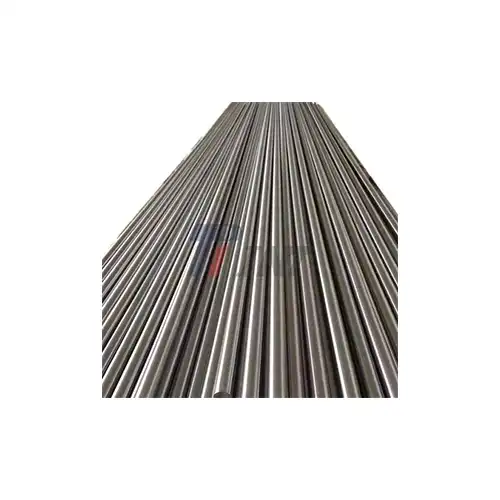
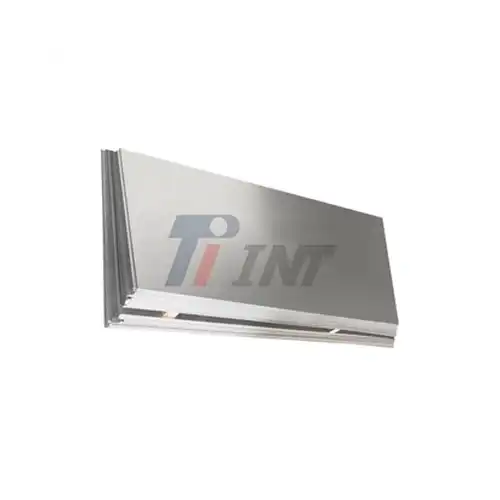
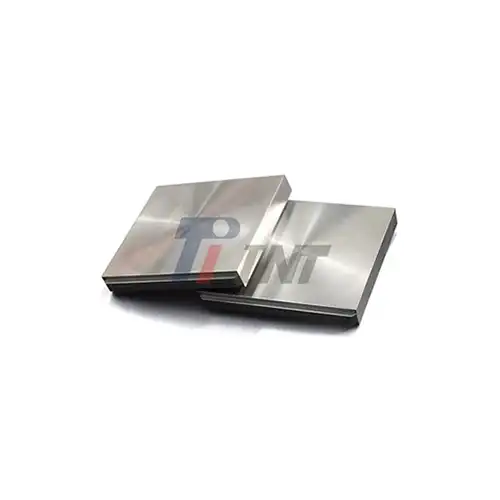
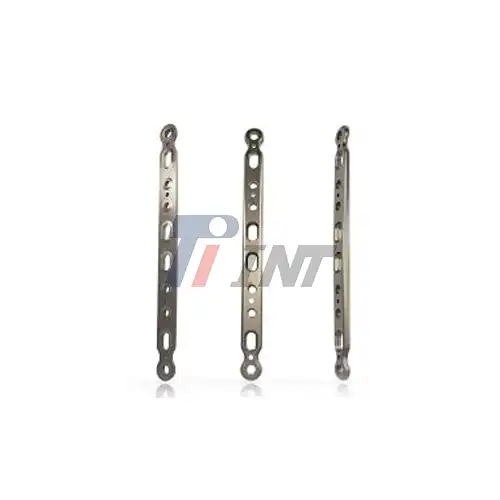
Grade 2 titanium sheet, as used in Gr2 Titanium Medical Bar, receives an excellent weldability rating, classified as "A" or "highly weldable" under AWS welding standards. This commercially pure titanium forms clean, defect-free welds when proper techniques are applied, making it the preferred choice for medical device manufacturing. The weldability excellence stems from its low interstitial content, particularly controlled oxygen and nitrogen levels below 0.25% and 0.03% respectively. When sourcing Gr2 Titanium Medical Bar or sheet materials, procurement managers appreciate that this grade requires no pre-heating, tolerates various joint configurations, and consistently produces biocompatible welds that maintain the base metal's corrosion resistance—critical attributes for surgical implants and sterile medical instruments.
|
|
|
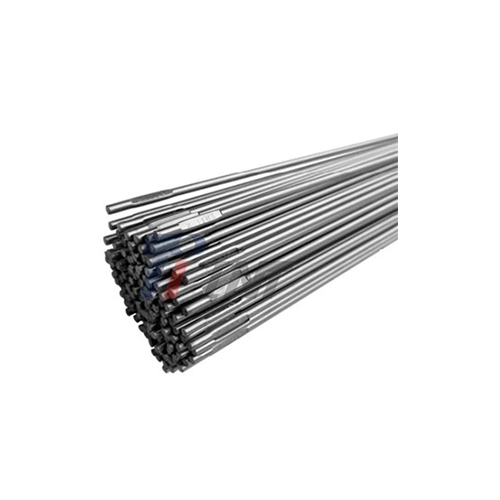
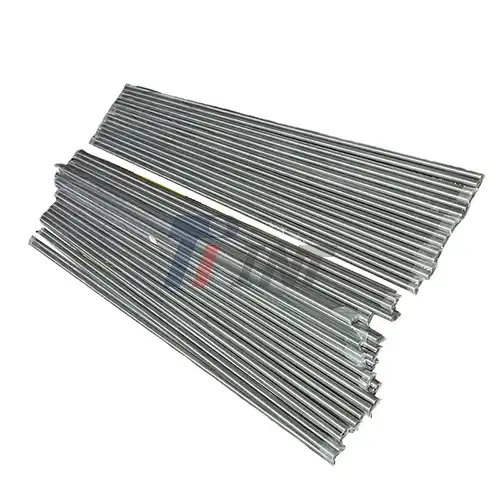
Understanding Weldability of Gr2 Titanium Sheet
Weldability is a metal's ability to make structurally sound joints under certain welding conditions without adding flaws that hurt performance. When looking at materials for making medical devices, where joint stability directly affects patient safety, this trait becomes very important.
Chemical Purity and Weld Performance
As a commercially pure material, Grade 2 titanium is made up of at most 99.2% titanium and small amounts of oxygen, iron, and nitrogen. This purity has a direct effect on how well it can be welded because fewer reactive elements mean that fragile stages are less likely to form in the heat-affected zone. The managed oxygen level of between 0.18% and 0.25% makes the material strong enough while still allowing it to bend. To keep the hydrogen content below 0.015 percent, we use Inert Gas Fusion analysis at our plant to make sure that the standard is always met.
Industry Standards Governing Weld Quality
There are several guidelines that say what kind of weld quality is okay for medical-grade titanium. The chemical composition requirements are set by ASTM B265, and the welding procedure qualifications are set by ASME Section IX. Manufacturers of medical devices often talk about ISO 13485 standards, which require full traceability and documented quality control. Part 820 of the FDA's 21 CFR says that welded titanium parts must also show that they are biocompatible and have good structural stability through approved testing methods.
Mechanical Properties Influencing Weldability
The tensile strength of Gr2 titanium is between 345 and 480 MPa, and it can stretch at least 20%. This gives it the flexibility needed to handle heat stresses during welding. This balance keeps the fusion zone from cracking while still letting the material handle the post-weld shaping that is common in making medical instruments. With a yield strength of about 275 MPa, weldments can hold functional loads in orthopaedic implants and surgical tools without deforming.
Detailed Analysis of Gr2 Titanium Sheet Weldability
Manufacturers can make their production more efficient while still meeting medical standards if they understand the different welding methods and process factors. Our thirty years of experience have taught us that choosing the right technique is the most important factor in determining the success of a project.
Optimal Welding Methods for Medical Applications
Gas Tungsten Arc Welding (GTAW/TIG) is still the usual way to join Gr2 Titanium Medical Bar material. When the purity of the argon shielding gas is higher than 99.995%, this process gives precise control over the heat and makes welds that are very clean. We have seen that silver-colored welds are made when TIG welding at 10-15 volts and 80–120 amperage on a 1.0 mm sheet thickness. This means that the welds are properly protected from the atmosphere. Laser beam welding is good for thin-gauge materials less than 0.5 mm thick because it leaves few heat-affected areas and keeps delicate medical tool parts from warping. Electron beam welding is useful for specific tasks that need to go deep into vacuum settings, but many medical device makers can't afford to buy the equipment they need to use it.
Critical Factors Affecting Weld Integrity
The biggest threat to the quality of a titanium weld is contamination. When welding, oxygen levels above 100 ppm make blue, purple, or white oxides that show brittle alpha-case formation that needs to be removed. Keeping following shield gas covering for 20 to 30 seconds after the weld stops contamination from the air while the metal cools below 400°C. Managing heat input is also very important, because too much heat energy makes grains bigger, which lowers fatigue resistance. This is especially a problem for implant parts that are loaded and unloaded many times. The formula we use to figure out heat input is (Voltage × Amperage × 60) / (Travel Speed in mm/min × 1000). For sheets less than 3mm thick, we aim for values between 0.3 and 0.8 kJ/mm.
Post-Weld Treatment Protocols
Stress relief annealing at 540–650°C for 30–120 minutes fixes the mechanical properties that were changed by the heating and cooling during welding. This heat process gets rid of any remaining stresses that could cause cracks to spread while the product is being used. After heat treatment, acid pickling with a solution of 20–35% nitric acid and 3–5% hydrofluoric acid gets rid of any surface oxide scale. This restores the inactive titanium oxide layer that protects against rust. Ultrasonic testing according to AMS 2631 is required for medical device uses to find flaws below the surface. Visual inspection is also needed to make sure the quality of the weld surface meets acceptance standards.
Comparison: Gr2 Titanium Sheet Weldability vs Other Medical Grade Materials
To choose the right materials, you need to know how different types react to welding and how they work in medical settings. This comparison view helps engineering teams match the material's abilities with the needs of the application.
Gr2 Versus Gr5 Titanium Alloy
Grade 5 (Ti-6Al-4V) titanium is stronger than Grade 2 (Ti-6Al-4V) titanium (its tensile strength can reach 895 MPa), but it is harder to weld than commercially pure Gr2. The aluminium and vanadium alloying elements in Gr5 make it have a two-phase microstructure that can easily break when it is welded incorrectly. Usually, preheating to 150–200°C and post-weld heat treatment at 730–760°C are needed for Gr5. This makes the process more complicated and costs more. On the other hand, Gr2's single-phase alpha structure joins easily and doesn't need any special heat control. Medical device makers who make dental instruments or minimally invasive surgical tools usually choose Gr2 because it is easier to weld. They save Gr5 for orthopaedic implants that need to be very strong and can hold a lot of weight.
Titanium Versus Stainless Steel Considerations
As an option to Gr2 Titanium Medical Bar, Type 316L stainless steel can be used to make medical products because it is cheaper and easier to work with. But stainless steel's ability to resist corrosion depends on chromium oxide passivation, which breaks down in chloride environments like body fluids and could release nickel ions that make people allergic. Grade 2 titanium makes a steady, biocompatible layer of titanium dioxide that heals itself if it gets broken, giving it better long-term performance. When it comes to controlling distortion, titanium is harder to weld than stainless steel because it conducts heat less efficiently (16 W/m·K vs. 15 W/m·K). This means that heat is concentrated in smaller areas, which requires more precise fixturing but results in less overall part warpage in thin-section parts.
Cost-Benefit Analysis for Procurement
Prices for materials show that Gr2 titanium sheet is about three to four times more expensive than 316L stainless steel of the same quality, but total cost analysis shows that the differences are smaller. Titanium is 40% lighter than steel, with a mass of 4.51 g/cm³ compared to 7.99 g/cm³. This means that parts weigh 40% less, which makes implants lighter and lowers shipping costs. Getting rid of the risk of an allergic reaction lowers the risk of responsibility and the cost of a possible repeat surgery. Titanium implants usually last 15 to 20 years, which means they are worth the extra cost because they don't rust and are biologically stable. This is especially true for permanent implants where taking them out would be very hard on the patient.
Procurement Insights for Gr2 Titanium Medical Bar and Sheet
Where you get your products has a big effect on their quality and how well they meet regulations. Knowing the certification needs, the skills of suppliers, and the quality checking methods that make sure materials are consistent are all important for strategic buying.
Essential Certifications and Compliance Documentation
FDA registration is the minimum requirement for suppliers of materials that will be used in medical devices in the United States. Getting ISO 13485:2016 certification shows that you have built quality management systems that are meant to make medical devices. As part of our commitment to ASTM B265 material compliance, we keep both certifications up to date and make sure that every lot ships with mill test certificates that show the chemical composition, mechanical properties, and ability to be traced back to the original batch of titanium sponge.
The Medical Device Regulation (MDR) 2017/745 says that products with the CE mark can be sold anywhere in the European Union. During initial qualification checks, procurement professionals should ask suppliers for pictures of their registration certificates and make sure that suppliers keep their registrations up to date.
Quality Inspection Protocols Worth Implementing
Verification of incoming materials stops bad supplies from getting into production. Optical Emission Spectroscopy is used for chemical analysis to ensure that the elemental makeup fits what was bought, with special focus on the amounts of oxygen, nitrogen, carbon, and hydrogen, which have a big impact on the ability to weld. The tensile qualities are checked by mechanical testing according to ASTM E8.
The flexibility is checked by guided bend tests according to ASTM E290 at angles of 105 degrees. A close look at the surface should reveal alpha-case layers, which are oxygen-rich layers that show up as white or grey discolouration and weaken the tensile qualities. Nondestructive ultrasonic testing according to AMS 2631 Class A1 standards can find internal laminations in plate stock that is thicker than 6 mm. This keeps pressure vessel structures from failing.
Supply Chain Management Strategies
Keeping track of lead times is hard in the medical titanium market, where Gr2 Titanium Medical Bar and sheet stock usually takes 8 to 12 weeks to deliver. Setting up framework agreements with qualified suppliers lets you predict demand, which lowers the cost of rush orders. Custom sizing is what sets one supplier apart from another. We offer precision slitting to ±0.1mm tolerances and custom length cutting, which cuts down on material waste while parts are being made.
When you buy in bulk of widely used sizes, you can save money, but you have to balance the cost of keeping inventory with the volume discounts that usually hit 8–12% for orders over 500 kg. Price changes in the titanium sponge market cause risk. Some procurement teams discuss price deals every three months to keep budgets stable while still letting sellers make good profits.
Best Practices and Recommendations for Welding Gr2 Titanium Sheets
Weldability scores go from being academic to being useful in manufacturing when tried-and-true methods are used. These suggestions come from helping medical device makers solve problems they've seen in the real world.
Surface Preparation and Contamination Prevention
To get welds that are free of contamination, the surface must first be properly prepared. Using stainless steel brushes made just for titanium for mechanical cleaning gets rid of surface oxides without adding iron, which speeds up rusting. Using acetone or ethanol to remove grease with a solvent gets rid of hydrocarbon leftovers that break down during welding and leave holes. To keep them from absorbing water, joint surfaces should be prepared within 4 hours of welding or kept in clean, dry places. We suggest keeping the temperature above 18°C and the relative humidity below 50% in the work area to stop mist that adds hydrogen to welds.
Shielding Gas Management Techniques
To fully protect against the atmosphere, you need main shielding gas to flow through the welding torch, backing gas to clean the root side of joints and following shields to protect the cooling weldments. Argon purity standards say that it must be at least 99.995% pure, with oxygen levels below 20 parts per million and moisture levels below 10 parts per million. To protect the torch, the flow rate should be between 10 and 15 litres per minute for torch protection and between 8 and 12 litres per minute for backing gas. During key cooling stages, oxidation is stopped by a trailing shield that goes 150–200 mm behind the arc. Gas lens diffusers create laminar flow, which is better at shielding than normal collet bodies. This is especially helpful when welding in tight areas inside medical device parts.
Validation Testing and Quality Assurance
Specifications for welding procedures say that they must be qualified through harmful testing before they can be used in production. Tensile tests on welded coupons should show that the joint strength is at least 90% of the base metal, which is usually between 380 and 450 MPa for Gr2 titanium. Tests that bend the material to 180 degrees without cracking show that it is sufficiently flexible, meeting the requirements of ASME Section IX. For medical devices, biocompatibility testing according to the ISO 10993 series of standards makes sure that welded parts don't kill cells. Corrosion resistance testing with salt spray according to ASTM B117 shows that weld zones stay as passive as the parent material.
Conclusion
Grade 2 titanium sheet, as used in Gr2 Titanium Medical Bar applications, is very easy to weld, which makes it the best material for making medical devices with parts that are stable and biocompatible. The commercially pure makeup of the material makes it easy to weld using normal TIG methods, without the need for pre-heating or complicated heat treatments. This lowers the cost of production while still meeting strict quality standards.
Knowing that weldability scores lead to real manufacturing benefits, like lower scrap rates, faster production cycles, and consistent compliance with FDA and ISO standards, is helpful for procurement pros. Gr2's balance of weldability, corrosion resistance, and biocompatibility meets the main needs of surgical implants, dental instruments, and precision medical tools when compared to Gr5 alloys and stainless steel alternatives. Best practices for preventing pollution and validating parts make sure they meet the high performance standards needed for patient safety and long-term implant success.
FAQ
Q1: Is Gr2 titanium hypoallergenic for implant applications?
A: In clinical tests, grade 2 titanium has very low allergic reaction rates (less than 0.6%) and is very biocompatible. The passive titanium dioxide layer on the surface of the material stops the release of ions that cause immune reactions that are common in metals that contain nickel. Biocompatibility testing according to ISO 10993 consistently shows that Gr2 titanium does not have any cytotoxic, genotoxic, or sensitisation effects. This means it can be used for permanent implantation in direct bone contact applications.
Q2: How does Gr2 weldability compare with Gr5 titanium alloy?
A: The single-phase microstructure of Gr2 titanium makes it easier to bond than Gr5 (Ti-6Al-4V). This is because two-phase alloys are more likely to break when they come together, but Gr2 titanium doesn't have that problem. Gr2 doesn't need to be heated up first and can handle a wider range of parameters. Gr5, on the other hand, needs controlled thermal cycles and a heat treatment after the weld. Even though Gr2 costs a little more per kilogram, this ease cuts the cost of making welded parts by 15 to 25 percent.
Q3: What certifications should medical-grade Gr2 titanium suppliers maintain?
A: Suppliers who are qualified must have FDA business registration and ISO 13485:2016 medical device quality management certification. Following the ASTM B265 and ASME SB-265 standards for materials makes sure that their chemical make-up and mechanical properties stay the same. CE marking under MDR 2017/745 lets you sell your products in Europe, and lot-specific mill test certificates are important proof of traceability that is needed for quality probes and regulatory checks.
Partner With a Trusted Gr2 Titanium Medical Bar Manufacturer
Since 2003, Baoji INT Medical Titanium Co., Ltd. has been serving the medical device industry since 2003, providing certified Gr2 titanium sheets, bars, and customized components that meet the exacting standards your applications demand. Our ISO 13485:2016 and FDA-registered facility maintains comprehensive quality systems covering material verification, process control, and documentation traceability essential for regulatory compliance. With over thirty years of titanium industry expertise, we offer technical consultation supporting your welding process development, material selection decisions, and quality assurance protocols.
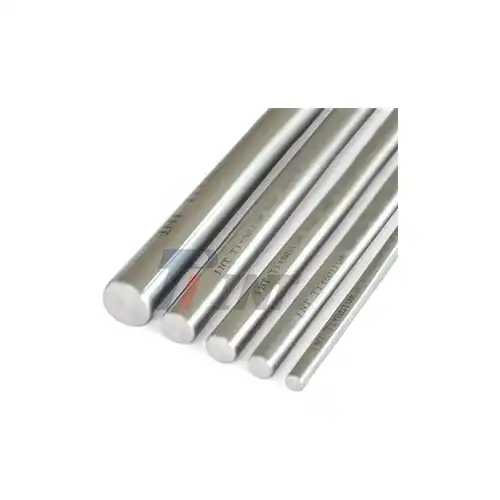
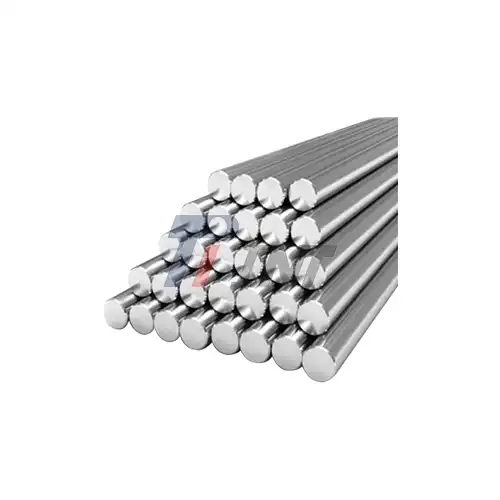
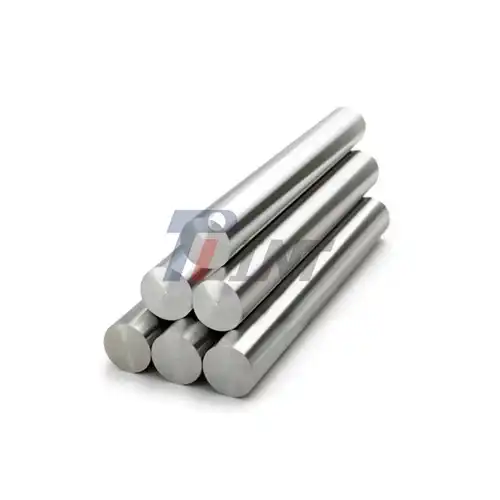
We stock an extensive inventory of medical-grade titanium bar in various diameters and lengths, enabling rapid fulfillment that matches your production schedules. Our precision machining capabilities deliver finished components to your specifications, reducing your supply chain complexity. Contact our technical team at export@tiint.com to discuss your specific requirements, request test certificates, or arrange sample evaluation. As an established Gr2 Titanium Medical Bar supplier committed to quality excellence and dependable delivery, we stand ready to support your medical device manufacturing success.
References
1. American Welding Society. (2020). Specification for Welding of Titanium and Titanium Alloys in Aerospace Applications. AWS D17.1/D17.1M.
2. ASTM International. (2019). Standard Specification for Titanium and Titanium Alloy Strip, Sheet, and Plate. ASTM B265-15.
3. Boyer, R., Welsch, G., & Collings, E.W. (2021). Materials Properties Handbook: Titanium Alloys. ASM International, Materials Park, Ohio.
4. Donachie, M.J. (2018). Titanium: A Technical Guide, 3rd Edition. ASM International.
5. International Organization for Standardization. (2016). Medical Devices—Quality Management Systems—Requirements for Regulatory Purposes. ISO 13485:2016.
6. Schutz, R.W. & Watkins, H.B. (2019). "Recent Developments in Titanium Alloy Application in the Medical Device Industry." Journal of Biomedical Materials Research Part B: Applied Biomaterials, 107(6), 1952-1967.
_1755061801114.png)
_1752463076575.webp)
_1750210463958.webp)