
What certifications should a titanium plate implant have?


 2026-08-11 08:41:56
When sourcing surgical-grade materials, procurement professionals understand that a titanium plate implant must meet rigorous certification standards to ensure patient safety, regulatory compliance, and market acceptance. These certifications validate material purity, biocompatibility, and manufacturing quality, protecting both manufacturers and patients. Critical approvals include FDA 510(k) clearance, CE marking under the Medical Device Regulation, ISO 13485 quality management certification, and material-specific standards like ASTM F136 and ASTM F67 for titanium alloys. Environmental compliance through REACH and RoHS further demonstrates responsible sourcing practices that align with global sustainability requirements.
|
|
|
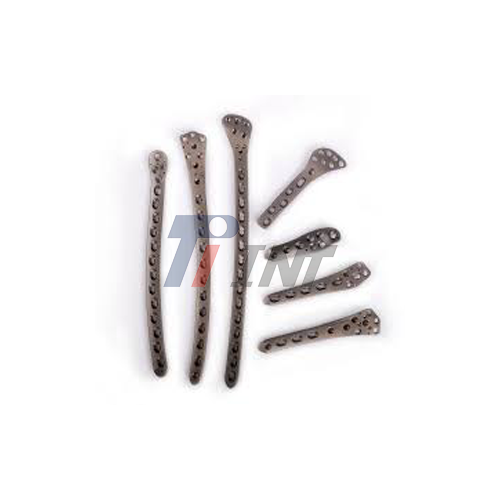

Overview of Titanium Plate Implant Certifications
When people buy medical equipment, the most important thing they look for is certifications. There are a lot of tests that were done on these products to make sure they meet international safety standards and follow tight rules. If manufacturers don't get the right approval, they could have to recall their products, face lawsuits, or fix images that have been damaged in a way that takes years.
Understanding Global Regulatory Bodies
A lot of different groups keep an eye on the markets for medical devices all over the world. The Food and Drug Administration (FDA) in the United States controls who can get into the North American market. There are different kinds of devices that need either notice or permission before they can be sold. In the EU, the Medical Device Regulation (MDR) says that products must have a CE mark to show that they meet standards for health, safety, and the environment. Some other regional bodies are the National Medical Products Administration (NMPA) of China, the Therapeutic Goods Administration (TGA) of Australia, and the Pharmaceuticals and Medical Devices Agency (PMDA) of Japan. Companies that want to sell their goods around the world must carefully follow the rules set by each government.
Material Standards and Manufacturing Certifications
Medical-grade titanium has the right chemical make-up and mechanical properties, as shown by government approvals and material-specific certifications. The ASTM F136 standard talks about the requirements for wrought Ti-6Al-4V ELI (Extra Low Interstitial) alloy. This type of alloy is often used in permanent devices because it is strong for its weight and doesn't rust. ASTM F67 talks about four types of pure titanium. Most of the time, Grade 5 titanium (Ti-6Al-4V) is used in orthopedics. The international standards ISO 5832-2 and ISO 5832-3 are the same as these American standards. This makes it easy for people in different countries to trade and know each other.
Certifications for the manufacturing process, like ISO 13485, show that a supplier is committed to quality control systems that are made just for making medical products. Design rules, risk management, tracking, and monitoring after the product has been sold are all part of this standard. All of these are important for making sure that the quality of a product doesn't change from one batch to the next.
Key Certifications to Look for When Procuring Titanium Plate Implants
Take a close look at the provider's list of certifications to pick the right one. Teams in charge of buying things can make smarter, more legal choices when they know which qualifications are the most important.
FDA 510(k) Clearance and Premarket Approval
The FDA sorts medical gadgets into three groups based on how dangerous they are. Most titanium plate implant devices are in Class II, which means they need a 510(k) premarket notice to show they are basically similar to a device that is already on the market and is legal. For new ideas that pose a bigger risk, Class III Premarket Approval might be needed. This includes clinical studies and a lot of safety data. This will give you peace of mind that the titanium meets the strict standards of the U.S. market. Make sure that the materials your source sells have been used in FDA-approved devices.
CE Marking Under Medical Device Regulation
When it became law in May 2021, the Medical Device Regulation (MDR 2017/745) in the European Union replaced earlier laws with tighter ways to check if they were followed. Notified Bodies must now be a part of a full clinical review and better post-market monitoring for most medical goods that want to get the CE mark. Suppliers who do business in Europe need to keep their CE certificates up to date. These certificates were given out under the MDR, not the old Medical Device Directive. It is very important to know this difference because companies that use old certifications run the risk of supply chain problems when the time comes to switch.
ISO 13485 and ISO 9001 Quality Management
ISO 13485 is the best standard for keeping an eye on the quality of medical devices. ISO 13485 has specific rules for following the rules, managing risks according to ISO 14971, and making sure that design controls are in line with the FDA Quality System Regulation. This is different from ISO 9001, which is more general. As long as a product is in use, suppliers who have ISO 13485 approval have shown that they can meet law and customer needs. Surveillance checks, which are done by well-known certification groups, are always checking for compliance.
Biocompatibility Testing and ASTM F136 Compliance
If an implant can live in the body without any problems, it depends on how biocompatible the material is. Following the ISO 10993 set of standards will help you check for biological effects like cytotoxicity, sensitization, irritation, and systemic toxicity. The right amounts of aluminum and vanadium will be in titanium alloys that follow ASTM F136. There will be very little oxygen, nitrogen, carbon, and iron between the atoms. These specs directly affect the implant's mechanical qualities, its durability, and how well it works in the long run.
For metal devices, USP Class VI approval isn't as common as it is for polymers. However, testing the product on animals is an extra way to show that it is safe for live things. Tech companies don't have to do as many tests on their products while they're being made when suppliers give them full biocompatibility documentation.
Environmental and Sustainability Certifications
Following the REACH rules (Registration, Evaluation, Authorization, and Restriction of Chemicals) makes sure that stuff doesn't have too many Substances of Very High Concern. RoHS, which stands for "Restriction of Hazardous Substances," says that gadgets and electrical tools can't use some dangerous materials. This includes surgery tools with motors. Providers with these badges are dedicated to making goods in a way that doesn't harm the environment. They also help clients reach their own goals for business duty.
How Certifications Impact Procurement Decisions and Product Quality?
The status of a certification has a big impact on both short-term decisions about what to buy and long-term partnerships with suppliers. Being able to enter a market quickly or having to wait for costly regulatory delays can depend on whether you have certain certifications or not.
Reducing Risk Through Standardized Manufacturing
There are written rules that certified buyers must follow to make sure that process differences and material inconsistencies are kept to a minimum. When people buy titanium plate implants from a business that keeps its ISO 13485 certification, they know that each batch will meet the same standards. In the medical field, where even small changes in the make-up can affect how well an implant works, this consistency is very important. Standardized manufacturing also makes it possible to keep track of products from the raw materials to the finished goods. This is important for finding out what went wrong and fixing it.
Facilitating International Market Access
Medical device companies that work all over the world need materials that can be used in a lot of different countries. You won't have to buy titanium plates in different ways for each area if you can find a supplier that meets FDA, CE, and ISO standards. This single way simplifies inventory, speeds up time-to-market, and makes it easy to file regulatory documents. It is easier for regulatory bodies to understand each other when there are certifications. This speeds up the approval and customs clearance processes.
Building Trust Across the Supply Chain
Businesses that work together on medical products need to be able to trust each other and share a commitment to quality. People who make things spend money on full certification programs that send a message of trust and speed up the value chain. When OEM producers talk to their customers about the standards of the materials, they can be sure. Distributors can also be sure when they talk about the products, and doctors can trust the devices they put in patients. When people believe a company, it strengthens its image and helps it stand out in crowded markets.
Comparing Certification Standards Among Titanium Plate Implant Suppliers
There are different kinds of certifications, and people who work in procurement need to come up with complicated ways to test products to tell the difference between ones that are really good and ones that are just following the rules.
Verification Methods for Certificate Authenticity
When doing business in another country, there is a real chance that your license will be stolen. If someone wants to buy certificates, they should make sure they get the originals instead of copies, check that the organization is recognized by groups like the International Accreditation Forum, and if they can, run the certificate numbers through databases that the certification body keeps up to date. When you audit suppliers, you can see how quality systems work in real life. This way, you can check whether the written procedures match up with how things are done.
FDA Versus CE: Understanding Regional Differences
FDA and CE clearances both mean that a product follows the rules, but they mean different things. The FDA focuses on pre-market testing and clinical proof when they look at a product. In contrast, CE marking is based on what the maker says and an evaluation by a Notified Body for more dangerous goods. There is no better or worse way to do things; both come from different ways of regulating things. When suppliers work with both markets, they often need to keep technical files and clinical records separate because of the different safety rules that apply to each. Having this information helps buying teams set reasonable goals for getting the paperwork and changes that the market needs.
Case Study: Certification Profiles in Supplier Selection
An orthopedic device business that is about the size of a mid-sized company recently looked at three sources of titanium plate implant materials for a new line of spine fusion plates. Supplier A had ISO 9001 but not ISO 13485, so they had to pass a lot of checks before they were okay. It took less time to make things because Supplier B kept their ISO 13485 up to date and provided materials that were used in FDA-approved goods. Supplier C had all the usual certifications plus NADCAP approval for special processing. This meant they could be used in aerospace applications, but they charged more for it.
The maker picked Supplier B because it had a wide range of certifications, reasonable prices, and legal paperwork that was easy to understand. By making this choice, the time it took to qualify was cut down, there was less technical risk, and certification profiles were made to fit the needs of the project. This is an example of how a planned review of certifications can lead to useful results in buying.
Practical Tips for Requesting and Validating Documentation
The first step in successfully qualifying providers is to ask them for a lot of information. Procurement teams should use standard surveys to find out what kinds of certifications are out there, when they expire, who signs them off, and what the most recent audit results were. If you ask for tracking reports once a year, you can find out if sellers always follow the rules or if they only get new licenses when it works for them. Set up contractual requirements for early notice of changes to certification to protect against supply problems caused by failed audits or changes to standards that were not expected.
Navigating Procurement Challenges Related to Titanium Plate Implant Certifications
Even procurement workers with a lot of experience find it hard to keep track of certification needs across complex global supply chains.
Identifying and Avoiding Counterfeit Materials
People who work in the medical device business have documented instances of fake materials and fake mill test results and certificates of conformance. If the titanium isn't real, it could have the wrong metal ratios, too many flaws, or weak mechanical properties that make the implant less stable. Companies should only buy from well-known sources with plants that can be checked out. They should also follow strict rules when trying out new materials and stay in touch with industry groups where people talk about fraud they see.
Preventing Procurement Delays Through Proactive Planning
Sometimes it takes longer to get certified because of missing paperwork, expired certificates, or not meeting regulatory requirements. When you plan your purchases with extra time, you can keep track of when certificates need to be updated and rules change. Having qualified backup sources on hand gives you choices in case your main sellers have trouble with checks. Clear language in contracts that list acceptable certification standards and ask for notice of changes ahead of time keeps people from having to rush when production materials arrive without the right paperwork.
Aligning Certifications With Project-Specific Requirements
Getting licensed for different kinds of surgery is not the same thing. Temporary fixing devices might not have to meet as many strict rules as permanent implants. But there is special paperwork that needs to be filled out for clinical trials for investigational device exemption studies. Rather than using broad words like "medical-grade titanium," purchase specs should spell out the exact standards, Grade names, and testing needs. This clears everything up and lets providers know exactly what is expected of them.
Best Practices for Ongoing Supplier Qualification
Making sure the initial certification is correct is only the beginning of good supplier management. By reviewing things once a year, you can be sure that certificates are still valid, that security checks keep passing, and that quality metrics stay within the correct areas. Every so often, checks are done on-site to make sure that the producing skills match the credentials. If you pay attention to trends in an industry, you can figure out when standards will be changed. This could mean that suppliers need to buy new tools or change the way they do things. These proactive steps keep the supply chain strong because rules are always changing.
Conclusion
If you want to get a titanium plate implant the right way, you should first look at all of the certifications. The FDA clearance, CE marking, ISO 13485 quality systems, ASTM material standards, and biocompatibility tests make sure that surgical materials meet the strict needs of medical uses. Buyers who know all about certification, carefully listen to what sellers say, and make sure that paperwork meets project needs set their businesses up for legal success and high-quality goods. There is more government control and global markets are becoming more connected. Certification management used to just be something that businesses had to do for paperwork, but now it gives them a competitive edge in the market.
FAQ
Q1: Why Is FDA Approval Essential for Titanium Surgical Plates?
A: If a medical product is approved by the FDA, it means it meets the standards for safety and effectiveness in the U.S. market. Without the right paperwork, manufacturers are not allowed to sell their goods to hospitals and clinics in the United States. The FDA review process looks at how biocompatible the materials are, how well they work in mechanical tests, how well they are labeled, and confirmation that they are sterile. This keeps implants safe and makes sure they work as they should.
Q2: Can Titanium Implants Be Used Without CE Marking in Europe?
A: When medical products are sold in EU countries, they need to have the CE mark on them. The Medical Device Regulation says that you can't use implants that don't have a CE mark on them. This means that hospitals could be sued and companies that make drugs could be punished by having their products seized or banned from the market. If you want to sell something in Europe, you need to have the CE mark on it. This shows that the product meets important safety standards.
Q3: How Often Do ISO Certifications Require Renewal?
A: Most ISO 13485 certificates are good for three years, as long as they pass the yearly audits. These checks are done annually by certification groups to make sure that quality management standards are still being followed. As well as that, organizations have to deal with changes to standards, such as the 2016 update to ISO 13485, during transition times set by the groups that are in charge of approval.
Partner With Baoji INT Medical Titanium Co., Ltd. for Certified Excellence
Baoji INT Medical Titanium Co., Ltd. has been making medical titanium plate implants for over 30 years. They have strict rules for approval and offer quick technical support. There are many things we sell, such as titanium plates in Grades 2 and 5, Ti-6Al-4V ELI metals, and special specs that meet ASTM F136 and ASTM F67 standards. Each shipment comes with full material certifications, tracking information, and quality test reports to help you with your regulatory projects.
We are a trustworthy company that offers titanium plate implants that are marked with ISO 9001:2015, ISO 13485:2016, and EU CE. We know how important it is for paperwork to be correct and for supplies to be solid. Our technical team helps you pick the right materials, lets you know how to work with them, and makes sure you follow all the rules while you're making a product. You can talk to us about your needs as a procurement manager, R&D engineer, or quality worker and find out what makes INT different when it comes to getting medical titanium. Send our export team an email at export@tiint.com to get examples, full data sheets, and bulk prices for your next project.
References
1. American Society for Testing and Materials. "ASTM F136-13: Standard Specification for Wrought Titanium-6Aluminum-4Vanadium ELI Alloy for Surgical Implant Applications." ASTM International, 2013.
2. European Commission. "Regulation (EU) 2017/745 on Medical Devices." Official Journal of the European Union, 2017.
3. International Organization for Standardization. "ISO 13485:2016 Medical Devices—Quality Management Systems—Requirements for Regulatory Purposes." ISO Standards Catalogue, 2016.
4. U.S. Food and Drug Administration. "Premarket Notification 510(k): Guidance for Industry and FDA Staff." Center for Devices and Radiological Health, 2014.
5. Niinomi, Mitsuo. "Mechanical Biocompatibilities of Titanium Alloys for Biomedical Applications." Journal of the Mechanical Behavior of Biomedical Materials, Vol. 1, No. 1, 2008.
6. Steinemann, Stefan G. "Metal Implants and Surface Reactions." Injury: International Journal of the Care of the Injured, Vol. 27, Supplement 3, 1996.
_1752820927376.webp)
_1752463324629.webp)