




Where Can I Buy Custom Titanium Bar Implants for My Dental Clinic?


 2026-11-18 11:40:54
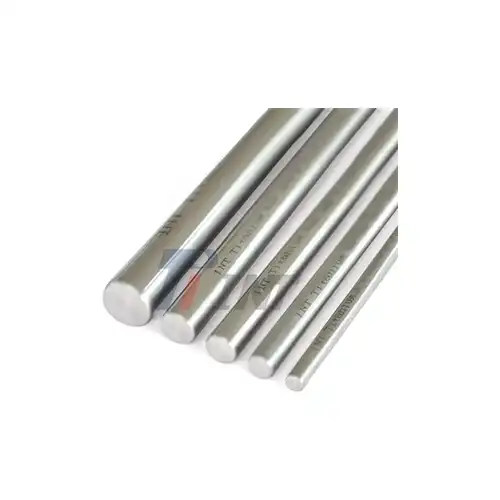
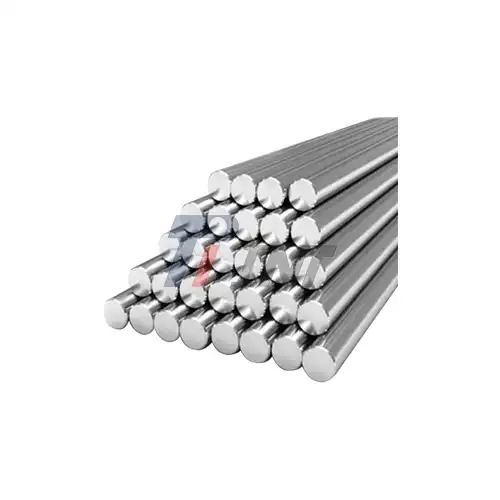
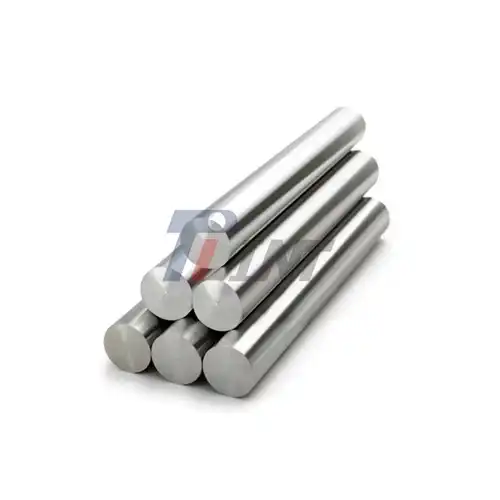
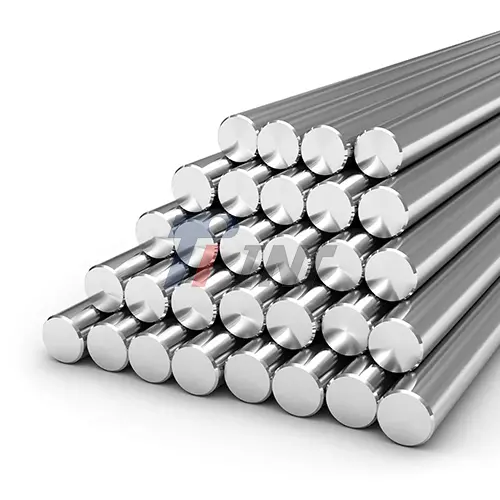
You can buy custom titanium bar implants through three main routes: a dental laboratory or milling center that designs and machines the bar from your scans, a certified distributor that manages regional orders, or a manufacturer that sources implant-grade titanium directly. Clinics usually order through a laboratory, while laboratories and implant makers buy titanium bar stock from material suppliers. Whichever route you choose, ask for the titanium grade, the standard it meets, and the lot records. At Baoji INT Medical Titanium Co., Ltd., we supply Ti6Al4V ELI and pure titanium rods to buyers who need clear documentation.
|
|
|
Why Dental Clinics Choose Custom Titanium Bar Implants
What a Titanium Bar Does in a Full-Arch Restoration
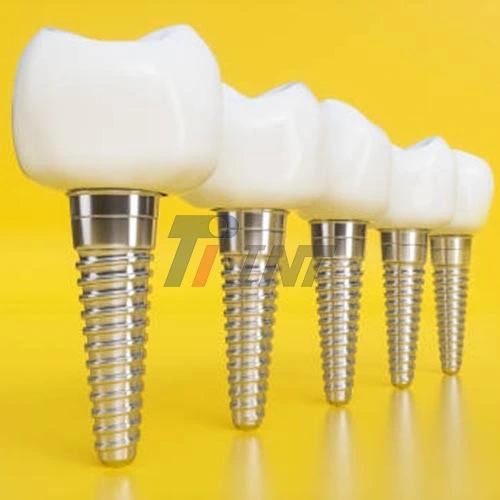
With as many dental implants as feasible, a titanium bar supports a fixed hybrid prosthesis or removable overdenture. The implants are attached so the teeth's weight is dispersed over the arch. Maló and colleagues invented All-on-4 in 2003. It supports a full-arch bridge on four implants in the toothless jaw. That procedure requires a firm prosthetic foundation. Titanium is suitable for this work since CAD/CAM machines can cut it easily and yet it is light and sturdy. It creates a rust-proof oxide coating. The bar's fit is as crucial as its material. If not, the implants may be stressed differently.
Implant Bar, Implant System, and Components: What Differs
I'll put these in different piles because they are easy to mix up. Some of the implant system's parts that go into the bone are the mounts, screws, and drivers. What are the different names for those parts? Bars are parts of the replacement that connect to the implants and hold the teeth above the gums. It never stands in for them because of the implants. You tell the company what kind of plug and connection you want when you place your order. This makes sure the platform and the bar interface are a good fit. After that, a titanium rod is cut into the bar. It's important to check the brand and grade of the rod.
Why Customization Beats Generic Substructures
Since standard forms aren't customised, the dentist must make alterations. Each patient's bars are customised to their implant locations, angles, and restorative space. Katsoulis and colleagues examined misfit implant replacements in 2017. They noted that experts disagree on a limit number. They warned that an uncomfortable fit might harm the body and machine. The lab can be confident each case has the proper screw holes and clean access since they are produced to order. We cut the bar from a solid titanium rod, so we don't solder the joints. Hot places from soldering might rust or crack. That implies titanium rod performance should be a top priority when buying.
Where Can You Buy Custom Titanium Bar Implants?
Dental Laboratories and Milling Centers
Most dental offices get bars that are custom made for them at a dental lab or cutting center. You need to send scans or prints, the prescription, and the surgery platform. The lab plans the bar, shows you a digital copy, and if you like it, they make it. This way is good for making quick changes to a case because you can get design help and talk to people in the area. Find out who gives the lab its titanium and what kind it is. It's easy for anyone to find out more about a lab's work if it can show lot records and say where its materials come from.
Distributors, Direct Manufacturers, and B2B Platforms
Some places use approved wholesalers to make buying, stocking, and servicing simpler. More sales and superior customer service are typical of direct manufacturers. Business-to-business portals like Alibaba provide additional possibilities, but you should still investigate the company's permits, export history, and legal status. If laboratories and implant manufacturers prefer two sources, one in their own nation and one in China, they commonly acquire titanium bar implants straight from the manufacturer. We offer medical-grade titanium and Ti-6Al-4V ELI bars, wires, and plates.
What to Verify Before You Order
Here are the first things you should look at: the name of the company, the place where the product is made, and quality certificates. Make sure that the ISO 13485 certificate is up-to-date and comes from a reliable source. Find out what kind of titanium it is, what standard it meets, and how each piece connects to test records. Check to see if the gadget can be sent somewhere else and if it works. Talk to your customs broker about what forms they need. After that, look at the prices. You might not want to go with the cheapest quote if you don't have much information, answers are slow, or groups are different. One lot that is turned down costs a lot more than a small price difference.
How to Choose a Titanium Bar Implant Manufacturer or Supplier
Certifications and Material Standards
Public guidelines are utilised to create implant-grade titanium. Medical implants may be manufactured from forged Ti-6Al-4V ELI alloy, per ASTM F136. ISO 5832-3 covers wrought Ti-6Al-4V alloy, ASTM F67 pure titanium. ISO 13485:2016 advises medical device manufacturers on quality. EU CE, ISO 9001:2015, and ISO 13485:2016 approve Baoji INT. But a certificate list isn't enough. Obtain copies and verify their content and date. Request test reports that compare chemical and mechanical findings to the specification. Regulatory officials will require such files to verify everything.
Traceability and Batch Consistency
A mill certificate should have a list of the chemicals used and the results of the mechanical tests. Each lot should have a number that leads to that certificate. That link will take you to the source of a finished bar. On the shop floor, it's also important to always use the same lot. If the lots are stiffer or different, setting up the CNC tools might not work the same way this month as it did last month. This makes even more trash. First, it's a good idea to send samples of the metal, chemistry, and tensile strength from the first package to a different lab at the same time. Keep the results with your lot records so that they can be used in audits and tax records.
Samples, Audits, and Small Trial Orders
Before you can trust a new service company, you need to do a few things, especially when sourcing titanium bar implants. When it comes to tests, get some and do them yourself. This step will be done in two to four weeks. After that, set up a video or site check to look over the checking tools, quality records, and process control. Do a small test order that feels like a real job before you decide to buy a lot of things every year. At Baoji INT Medical Titanium Co., Ltd., that order makes us happy. Send us the forms we need and what you need. Our team will look at them and get back to you with technical feedback that your quality engineer can use to judge how well we did.
Custom Titanium Bar Implant Specifications and Manufacturing Process
Titanium Compared With Cobalt Chromium and Zirconia
At 110 GPa, titanium is half as stretchable as cobalt chromium. So, it's stiffer like bone. Niinomi's 2008 review explains why a lower modulus moves loads and relieves stress. Titanium is lighter than cobalt chromium and doesn't rust when chewed. Zirconia looks like teeth, but it's ceramic and weaker when sliced into long, thin pieces. The case doesn't matter. Price alone shouldn't determine your decision. Longevity, number of implants, obstructions, cosmetic demands, and solution should also be considered.
Grade 23 Versus Commercially Pure Titanium
Grade 23 Ti-6Al-4V ELI must have a tensile strength of 860 MPa and a yield strength of 795 MPa, according to ASTM F136. ASTM F67 Grade 4 is commercially pure titanium that you can buy. Its tensile strength must be at least 550 MPa when stretched. Because of this gap, Grade 23 is often used for full-arch bars with a long span. This grade cuts down on oxygen and iron so that the material is strong and bendable. You can still use commercially pure titanium for parts that aren't very strong and need to be made more easily. People can choose the type of Ti-6Al-4V ELI rods that work best for them when they shop at Baoji INT.
From Scan to Finished Bar
To create a nice bar, you must know where the implants are, how to link them, what repair you need, how to connect it, and how much space you have. The lab checks the bar for strength, cleanliness, and ease of screwing before aligning the scan or CAD data with the prosthesis layout. After that, they transmit it for written approval. Production follows. Metal additive fabrication or CNC machining from solid titanium rods is typical. Finishing, cleaning, marking, packing, and inspection are last. When judgements are written down and tracked throughout revisions, errors are reduced. A lot number links the finished bar to its titanium.
Cost, Quality Control, and Procurement Workflow
What Drives Cost and Lead Time
The material, how it is created, evaluated, documentation, order size, and shipping location determine the cost for titanium bar implants. Design complexity affects pricing. Ask for an estimate that breaks down design, manufacturing, parts, freight, taxes, and more to compare pricing accurately. Standard bars may ship quicker, but bespoke bars save time and effort if fit is crucial. Forecasts, minimum order quantities, packaging, and quality agreements should be discussed between wholesale and OEM customers. Titanium rod prices vary by quality, thickness, length, and quantity. Quoting is faster with all technical files.
Risk-Control Checklist
People make the largest blunders when buying goods because they simply look at pricing, don't verify whether they'll work with other components, accept an unfinished design, don't check material requirements, or don't fill out target market documentation. Each one may cause a terrible fit, lab work, mismatched batches, or customs delays. Before buying more, find out where the product is created, what titanium quality is used, how interfaces are tested, what file formats the merchant supports, and how remakes are handled. Note the answers and retain them with the purchase order. Written after-sale terms, samples, and references relax individuals.
A Practical Procurement Workflow
List your desired restoration, implant system, attachment technique, material, delivery site, and quantity. Send a technical package to multiple eligible providers. Next, compare their precise quotations. The digital model and sketch cannot be created without your written consent. Make sure the box, markings, papers, finish, and screw access are present when it arrives. Do what you promised to when reporting an issue. Keep CAD files, part information, and lot records in case you obtain additional work. After installation, check the screw's security, fit, and cleanability during follow-up meetings. Every consumer is different, thus they shouldn't offer a work life.
Conclusion
Custom titanium bar implants are mostly bought by dental offices from labs, milling centers, distributors, and direct manufacturers. A different kind of titanium is used for each route. There are rules about what kinds of materials can be used for implants, such as ASTM F136, ASTM F67, and ISO 5832-3. You can tell if a supplier can meet those standards batch after batch by checking to see if they are ISO 13485 certified, if they can keep track of lots, and if they can test samples independently.
For long bars, Grade 23 titanium is usually stronger than pure titanium. Titanium is sometimes better than zirconia or cobalt chromium, but not always. Buyers are less likely to have to do extra work or wait longer if they compare both price and paperwork. Cost, lead time, and risk are all based on complete records, detailed quotes, and a written approval for the plan.
FAQ
Where can a dental clinic buy a custom titanium bar?
They send their orders to a dental lab or milling center most of the time. Distributors and direct manufacturers also supply bars. These businesses get their titanium from material producers that provide certified rods.
Which titanium grade suits full-arch bars?
Most long spans are made from Ti-6Al-4V ELI, which is also known as Grade 23. This is because ASTM F136 sets a minimum tensile strength of 860 MPa. Commercially pure Grade 4 requires only 550 MPa under ASTM F67.
What documents should I request?
Check that the mill certificates are up-to-date and linked to the right lots. For added peace of mind, you should get test reports that compare the item to ISO 5832-3, ASTM F136, or ASTM F67. For each customized bar, keep a copy of the written approval for the design.
Is titanium always better than zirconia or cobalt chromium?
No. The choice is based on the span, number of implants, occlusion, aesthetics, and plans for repair. The clinician and the lab should choose the material together.
Send Your Titanium Specification to Baoji INT Medical Titanium Co., Ltd.
Baoji INT Medical Titanium Co., Ltd. has been selling medical titanium since 2003. The business has been approved by CE, ISO 9001:2015, and ISO 13485:2016. If you are searching for a titanium bar implants supplier, email export@tiint.com with the grade, standard, diameter, and quantity you need. Our team will review your requirements and reply with technical feedback. Visit inttitanium.com for product details.
References
1. ASTM International, Standard Specification for Wrought Titanium-6Aluminum-4Vanadium ELI (Extra Low Interstitial) Alloy for Surgical Implant Applications (UNS R56401), ASTM F136, 2013.
2. International Organization for Standardization, ISO 5832-3: Implants for Surgery, Metallic Materials, Part 3: Wrought Titanium 6-Aluminium 4-Vanadium Alloy, 2021.
3. International Organization for Standardization, ISO 13485: Medical Devices, Quality Management Systems, Requirements for Regulatory Purposes, 2016.
4. Clinical Implant Dentistry and Related Research, All-on-Four Immediate-Function Concept with Brånemark System Implants for Completely Edentulous Mandibles: A Retrospective Clinical Study (Maló, Rangert, Nobre), 2003.
5. European Journal of Oral Implantology, Misfit of Implant Prostheses and Its Impact on Clinical Outcomes (Katsoulis et al.), 2017.
6. Journal of the Mechanical Behavior of Biomedical Materials, Mechanical Biocompatibilities of Titanium Alloys for Biomedical Applications (Niinomi), 2008.