




Why Choose Titanium Bar Dental for Durable Implant Frameworks?


 2026-11-17 16:25:11
Titanium bar dental stock suits durable implant frameworks because it pairs high strength with low weight, corrosion resistance, and proven biocompatibility. Grade 23 (Ti-6Al-4V ELI) and Grade 5 (Ti-6Al-4V) bars resist fatigue under daily chewing loads. Their density of about 4.43 g/cm³ keeps full-arch prostheses comfortable for patients. The material also machines well on CNC and Swiss-type equipment, so manufacturers can hold consistent dimensions from batch to batch. In this article, I explain what these bars are, why they last, how they compare with other metals, and how to choose a supplier.
|
|
|
What Is a Titanium Bar for Dental Implants?
Definition and Role in Full-Arch Restorations
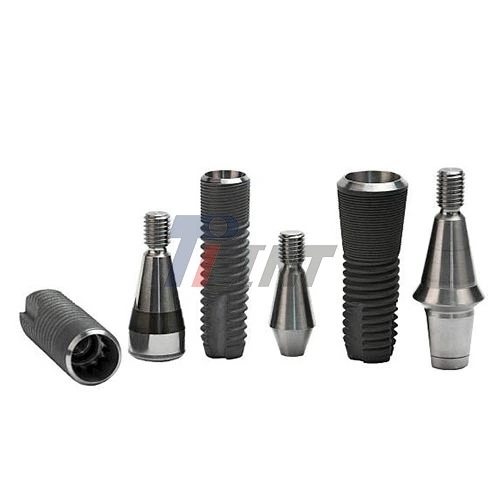
A titanium bar dental is a strong base that holds a false tooth in place and links several implants together. Dr.s. use it along with false teeth, fixed implant bridges, and full-arch cases like All-on-4 and All-on-6. Just one of the implants doesn't get stressed when you chew because the bar works as a guard and connects to other implants. A lot of labs use CAD/CAM tools to cut the bar out of solid titanium. A metal mold can shrink as the metal hardens. This can't happen because of milling. Katsoulis and his coworkers looked into how to identify and measure a problem with an implant in 2017. One of the most important goals of design is still passed fit.
Bar Stock Versus Finished Bars
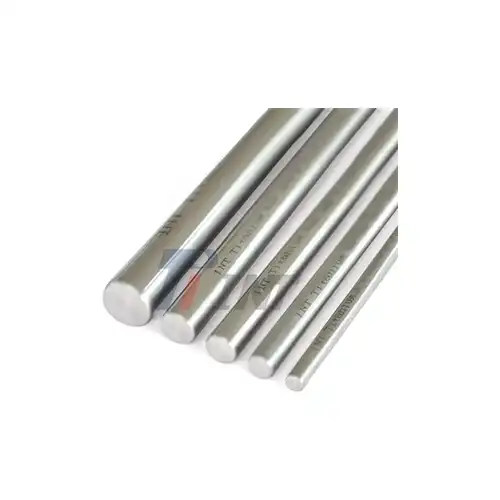
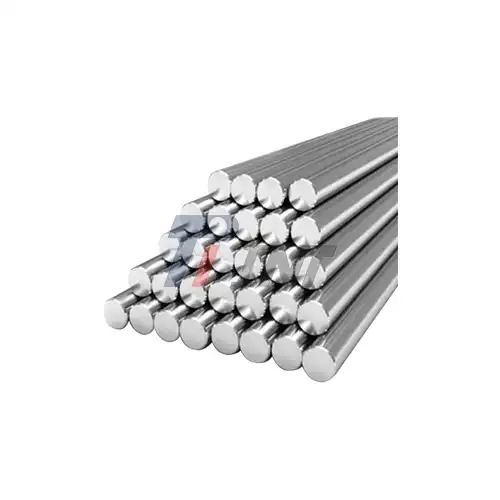
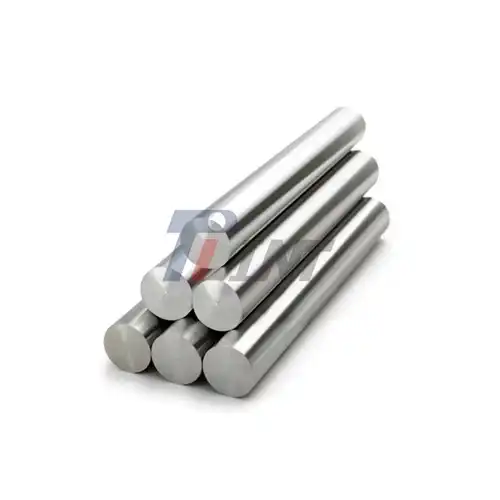
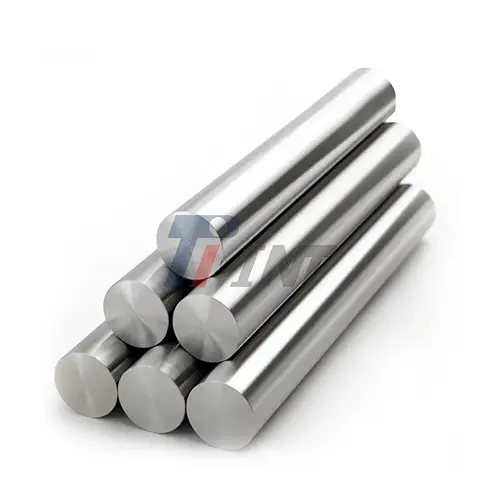
In dentistry, the phrase "titanium bar" can mean two different things. In one sense, it refers to the finished part inside the mouth. The other is round bar stock, which machine shops use to make parts for teeth. The second kind is medical titanium bars, which we sell here at Baoji INT Medical Titanium Co., Ltd. To cut them into the pieces they need, they use Swiss-type lathes and CNC machining centers. Already-made parts are not for sale. Know the difference between stock bar and finished parts. This will help you write a better question. Stock bars need to know their grade, diameter, length, and certificates. Finished parts, on the other hand, need design data.
From Bar Stock to Clinical Use
The raw bar comes with a certificate of how it was made. A machine shop turns or mills it into the right shape. The part is then checked, cleaned, and stripped of any sharp edges before it is put to use in a lab or clinic. Each step depends on the ones that came before it. A bar might not have a scratch, crack, or scale layer until it has been machined. After that, the scrap metal costs a lot more than the metal itself. They are very careful when they buy bars and only want lots that can be tracked.
Key Benefits of Titanium Bars for Durable Implant Support
Biocompatibility and Corrosion Resistance
The oxide layer that titanium makes when it hits oxygen is called TiO2. It is thin and solid. The metal stays safe in body fluids and spit because of this film. It also stops ions from leaving. Because this surface works well with bone, Brånemark's team built modern implantology on it. They reported on their 10-year clinical experience in 1977. Even in salty places, our Grade 5 and Grade 23 bars don't rust quickly, so they can be used for a long time in important medical settings. Titanium is also not magnetic, which makes it a good material for MRIs and other medical imaging machines.
Strength, Light Weight, and Fatigue Resistance
At 4.43 g/cm³, Ti-6Al-4V is about half as dense as cobalt chrome. We say that Grade 5 is 950 MPa and Grade 23 is 1100 MPa for titanium bar dental. The bar can hold long spans without getting too big because it is strong for how heavy it is. Fail-safety is important because a substitute has to be added all over again with each meal. Oxygen and iron are cut down in Grade 23, which makes the material more flexible and less likely to break. He also says in his 2008 review that titanium alloys have a modulus that is more like bone than cobalt chrome alloys.
Customizable Sizes for Production Needs
This is important because making teeth needs a lot of small pieces of different shapes. The bar can be up to 200 mm wide and up to 3000 mm long. When you hire our OEM service, we start by picking the right alloy and then do what you tell us to do in terms of design and technology. Tell us what sizes you need, and we'll see what we can make. The table below shows all of our information.
| Item | Grade 5 (Ti-6Al-4V) | Grade 23 (Ti-6Al-4V ELI) |
|---|---|---|
| Tensile strength | 950 MPa | 1100 MPa |
| Yield strength | 880 MPa | 1000 MPa |
| Diameter | Customizable, 0 to 200 mm | Customizable, 0 to 200 mm |
| Length | Customizable, 0 to 3000 mm | Customizable, 0 to 3000 mm |
| Certifications | ISO 9001:2015, ISO 13485:2016, EU CE | ISO 9001:2015, ISO 13485:2016, EU CE |
Titanium Bar vs. Zirconia and Cobalt Chrome
Titanium Compared with Cobalt Chrome
Cobalt chrome has been used in both cast and cut implant bars for a long time. It might work for labs that have set casting times or not a lot of money. Because titanium is only half as heavy as steel, it is easier on the body to wear upper jaw implants. Because it is not as stiff as cobalt chrome (about 110 GPa vs. 220 GPa), it has a different effect on bone. It is possible for cobalt chrome to solidify and shrink after being cast, but milled titanium always fits right when the process is controlled in the lab. You should pick one based on your tools, your budget, and the way the office is set up, but both products will work.
Titanium Compared with Zirconia
Some doctors choose zirconia when looks are the most important thing. This is because its color makes it look like teeth. Clay, on the other hand, often breaks without being bent first. Tin can handle long and thin pieces better because it bends before it breaks. Also, it doesn't need any extra steps to stick to acrylic and composite blend prosthetics. Also, zirconia is still a good choice sometimes, and I wouldn't say titanium is always the best choice. For long-span substructures that need to hold a lot of weight, many companies still start with a titanium bar.
Milled Versus Cast Titanium
CNC cutting is used to cut the part from a solid metal bar such as titanium bar dental. The microstructure of wrought bar is controlled and uniform, so every milled part has a smooth surface and the same size. As air and mold materials mix with liquid titanium, you need special tools to cast titanium. It is possible for alpha case cracks to form on the surface of cast parts as well. Also, milling needs care. Titanium is bad at moving heat, so it builds up at the cutting edge. Most of the time, it is milled while it is wet with a lot of coolant.
Choosing the Right Titanium Material and Specification
Grade 4, Grade 5, and Grade 23
Grade 4 titanium is very pure and cheap. It is easy to shape and was made of simple chemicals. It is stronger to use grade 5 alloy. While Grade 23 keeps the Ti-6Al-4V base, it cuts down on the oxygen, iron, and other interstitials. This makes the stuff bendier and less likely to break. Companies that make surgery and mouth implants often use this ELI grade, which is based on ASTM F136 and ISO 5832-3. In Grades 5 and 23, we make bars. Let us know if we have pure titanium in stock if your program needs it. There are also pure titanium items in our medical line.
Standards and Documents to Request
For Ti-6Al-4V ELI, please write the standard name on the order, such as ASTM F136 or ISO 5832-3. Then, ask for a mill test certificate (EN 10204 3.1 is common), the chemical make-up, the mechanical test results, and heat or lot numbers. The bar and package should all have the same lot number as the number on the certificate. This record is useful for keeping track of your supplier files and purchases. EU CE, ISO 13485:2016, and ISO 9001:2015 all gave their approval to our goods.
Dimensions, Surface Quality, and Machinability
Make sure you know the width, length, quality (straight or round), and surface finish before you place your order. It might break after a while if you machine a bar that already has cracks, scratches, or scale on it. Bring reports of ultrasonic or other tests with you if your quality team asks for them along with the records of those inspections. In this case, you could say that you have a Swiss-type lathe or a CNC mill-turn center. What kind of shape the surface is in and how straight the bars are determine how well the tools feed and how long they last. Write down what you agree is okay. We look at your drawing to make sure that you can do what you want.
How to Evaluate a Titanium Bar Supplier
Experience and Quality Systems
Mr. Zhan Wenge started Baoji INT Medical Titanium Co., Ltd. in 2003. He has been in the titanium business for more than 30 years. We study, make, and work with medical titanium materials like pure titanium, Ti6Al4V ELI, rods, wires, plates, and forged items. People who work as dentists, in hospitals, and in study centers all use titanium bar dental we sell. Many of our partners have been with us for more than 10 years. ISO 9001:2015, ISO 13485:2016, and the EU CE have all approved each item.
Lead Time, Order Size, and Communication
What is the smallest order they will take? How much do they have in stock? How long will it take to get each size you need? To find out how a source handles orders that aren't all the same size, ask a dentist who buys a lot of different sizes. Learn about the people who answer complex questions and how quickly they do it. We email back and forth, and we're happy to see drawings before we give you a quote. Put in a test order first to make sure that the quality of each batch is the same before you decide to order every three months. When you deliver on time, your production schedule stays safe.
Total Cost and Total Value
The cost is made up of more than just the unit price. You also have to pay for shipping, scrap from flaws on the surface, delays that stop your machines, and time for inspections. It costs more to machine a cheap bar that breaks than to make a good one that always works. Check out the different costs for the same grade, standard, paperwork, and packing. You should ask for end protection and packing that won't scratch to keep your things from getting broken during shipping. There are no set prices on this page because they depend on the grade, diameter, length, and number of items bought.
Conclusion
The biocompatible, non-rusting, light, and high fatigue strength of titanium bar dental stock make it ideal for implant substructures. A titanium dental bar holds implants and distributes chewing weight. Milling a working bar instead of casting gives more consistent sizes. It bends before breaking and weighs half as much as cobalt chrome. Zirconia and cobalt chromium are still attractive options for those who care largely about appearance and price. To succeed, you need a clear measurement, surface inspections, the proper grade, and trackable badges. Good processes, diverse sizes, and frequent batches reduce scrap risk for sellers. Buyers should consider the items' overall worth, not the unit price.
FAQ
What is the difference between Grade 5 and Grade 23 titanium bars?
They are both made of metals of Ti-6Al-4V. The lack of oxygen and iron in Grade 23 (ELI) makes the material more flexible and less likely to break. Grade 5 is strong and can be used for many things.
Are your titanium bars certified?
Yes. All of our products have ISO 9001:2015, ISO 13485:2016, and EU CE approval, so you can buy them without worry.
Can I order custom sizes?
Yes. The length can be changed up to 3000 mm, and the width can be changed up to 200 mm. Tell us what sizes you need, and we'll let you know what we can make.
Which documents should I request before ordering?
Ask for a mill test certificate, the chemical make-up, the mechanical test results, and the right to keep track of the whole lot. Write the name of your standard on the payment form, for example ASTM F136 or ISO 5832-3.
Start Your Titanium Bar Dental Inquiry with Baoji INT
Baoji INT Medical Titanium Co., Ltd. is a business that sells titanium bar dentals. Their bars are Grade 5 and Grade 23. The widths can be customized up to 200 mm, and the lengths can be up to 3000 mm. They also offer OEM service and are approved by ISO 9001:2015, ISO 13485:2016, and EU CE. Send an email to export@tiint.com with your grade, standard, sizes, quantity, and document needs to get help. They will be looked over by our team with you. Go to inttitanium.com to learn more.
References
1. ASTM International, 2013: Standard Specification for Wrought Titanium-6Aluminum-4Vanadium ELI (Extra Low Interstitial) Alloy for Surgical Implant Applications (UNS R56401), ASTM F136.
2. International Organization for Standardization, 2021: Implants for Surgery — Metallic Materials — Part 3: Wrought Titanium 6-Aluminium 4-Vanadium Alloy, ISO 5832-3.
3. Scandinavian Journal of Plastic and Reconstructive Surgery Supplementum, 1977: Brånemark P-I et al., Osseointegrated Implants in the Treatment of the Edentulous Jaw. Experience from a 10-Year Period.
4. Journal of the Mechanical Behavior of Biomedical Materials, 2008: Niinomi M., Mechanical Biocompatibilities of Titanium Alloys for Biomedical Applications.
5. European Journal of Oral Implantology, 2017: Katsoulis J et al., Misfit of Implant Prostheses and Its Impact on Clinical Outcomes. Definition, Assessment and a Literature Review.
6. Springer, 2001: Brunette D.M. et al., Titanium in Medicine: Material Science, Surface Science, Engineering, Biological Responses and Medical Applications.