Where to Buy High Quality Titanium Bars for Manufacturing


 2026-09-03 14:44:24
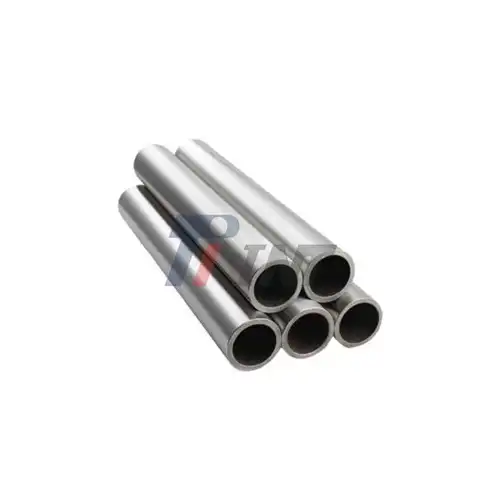
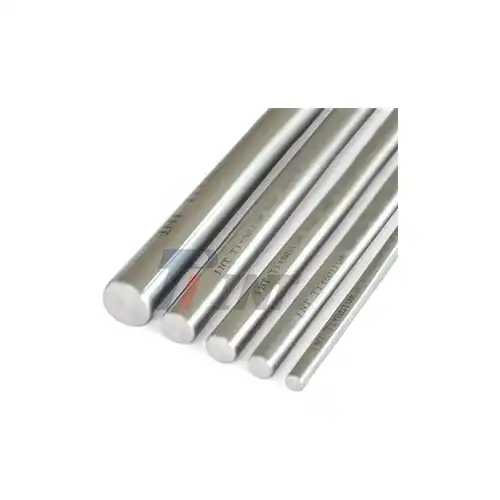
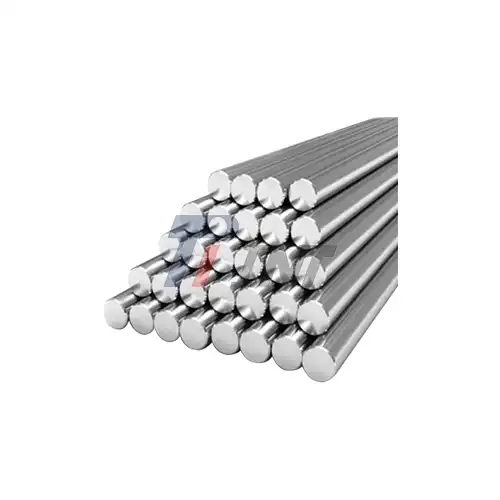
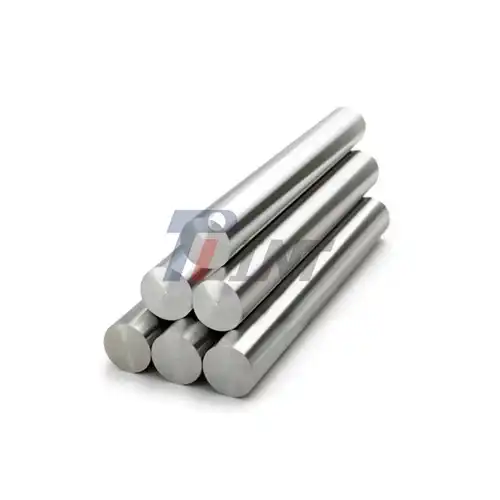
Sourcing high-quality titanium bars for manufacturing requires identifying suppliers with proven track records in material purity, compliance certifications, and technical support. Medical device manufacturers seeking titanium bar dental implants material should prioritize suppliers holding ISO13485:2016 and CE certifications while offering customized specifications in grades like Ti-6Al-4V ELI.
Established manufacturers with decades of experience in medical-grade titanium processing—such as specialized facilities in China's Baoji region—provide the reliability, traceability documentation, and stable supply chains that R&D engineers and procurement managers demand for critical applications ranging from orthopedic devices to precision surgical instruments.
|
|
|
Understanding Titanium Bars and Their Manufacturing Applications
Due to their unique mix of mechanical and biological qualities, titanium bars are used as basic raw materials in the medical industry. Because the material is so strong for how light it is, it can be used to make lighter but stronger goods. This is especially useful for handheld surgery tools and implantable devices, where every gram counts.
Composition and Grade Distinctions
Medical-grade titanium bars are usually broken down into two main groups. Titanium grade 5 (Ti-6Al-4V) has a high tensile strength of about 895 MPa and is easy to machine because it has about 6% aluminum and 4% vanadium in it. Some types of titanium, like Grade 23 titanium (Ti-6Al-4V ELI), have very little oxygen, nitrogen, and iron in them. This makes them the best choice for long-term implantable uses where bio-inertness is paramount. Unalloyed commercial pure titanium grades (1-4) offer progressively higher levels of strength. Grade 4 is often chosen for dental root forms that need better osseointegration without alloying elements.
Critical Performance Characteristics
Titanium bars don't rust because they have a self-passivating oxide layer that forms instantly when they are exposed to oxygen. This layer protects the base material even when it comes into contact with body fluids that are high in chloride. If this passive film gets scratched, it heals itself automatically, so it will work well for decades. In biocompatibility tests, titanium constantly shows a limited inflammatory reaction and no cytotoxic effects. This is supported by ISO 10993 biological evaluation procedures. The measure of elasticity of the material is about 110 GPa, which is closer to human bone than stainless steel or cobalt-chromium alloys. This means that it doesn't protect against stress as well in orthopedic uses.
Dental Implant Manufacturing Advantages
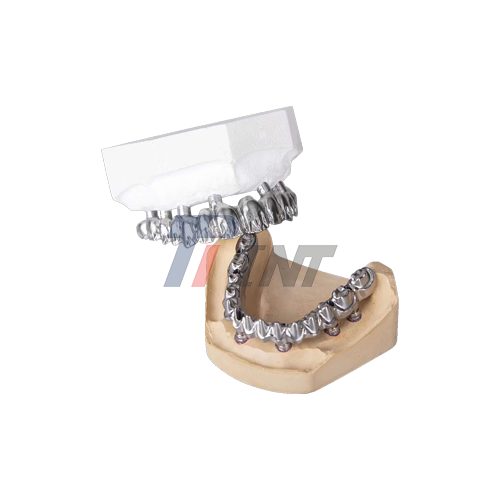
In the field of dental implantology, titanium bars are used to make abutments, healing caps, and implant bodies that fuse directly with the alveolar bone. The osseointegration process, in which bone cells grow on and attach to the titanium surface, happens more reliably with titanium than with ceramics like zirconia.
To make threaded dental implant bars, the dimensions must be accurate to within ±0.02mm, which means the raw materials must have the same chemical makeup and grain structure. Titanium is easy to machine, so complicated shapes can be precisely CNC milled while keeping a surface roughness that helps cells stick together without harboring bacterial colonies.
How to Choose High Quality Titanium Bars for Manufacturing
In order to choose the right titanium bar suppliers, you need to carefully look at a lot of scientific and practical factors. It can be hard for procurement managers to find a balance between the performance needs of the materials they buy, the reliability of the supply chain, and the total cost of ownership.
Certification and Standards Compliance
Medical-grade titanium bars that are real must meet the requirements of ASTM F136 for Ti-6Al-4V ELI surgical implants, ASTM F1472 for wrought titanium alloys, and ISO 5832-2 or ISO 5832-3, depending on the type of alloy. Suppliers should give material certificates that show the chemical make-up through spectrographic analysis, the mechanical properties through tensile testing, and the ability to be tracked back to specific heat lots.
The ISO13485:2016 certification shows that the supplier uses quality control systems that are meant to make medical devices, and the CE marking shows that the products are in line with the European Medical Device Regulation (MDR 2017/745). Getting inspection records from outside groups like TÜV or SGS is another way to make sure something is real.
Check if sources test each batch for interstitial elements like oxygen, nitrogen, and carbon that can have a big effect on ductility and wear qualities, even when the values are within the specifications. Titanium bar dental implants rely on this consistency, because the difference in oxygen level between 0.18% and 0.25% in Grade 23 titanium may meet standards, but it makes the material stretch in very different ways when it is being formed.
Supplier Credibility Assessment
The ability to manufacture has a direct effect on the uniformity of the material. Vacuum arc remelting (VAR) ovens used by suppliers make ingots that are more uniform than those made with traditional melting methods. This is because they reduce segregation flaws that hurt the mechanical properties of the metal.
Visit production facilities as often as you can to see how they handle quality control, keep records on how their testing equipment is calibrated, and follow rules for keeping the place clean that keep germs from spreading. More important than a supplier's overall titanium production volume is how much experience they have processing medical titanium. The techniques needed for aerospace-grade bars are very different from those needed for implantable materials.
Verification of reputation goes beyond marketing materials. Ask for examples from current customers who have used similar applications and check the average wait time, defect rate, and how quickly the company responds to quality problems. Suppliers who have case studies or peer-reviewed research partnerships that have been published show that they have technical depth that goes beyond just converting materials.
Customization Capabilities and Technical Support
Medical manufacturing often needs non-standard sizes, special surface treatments, or testing of materials that goes beyond what is required by standard mill certifications. Your downstream processing costs will go down if you buy from suppliers who offer personalized diameter tolerances, cut-to-length services, and additional operations like centerless grinding or electropolishing. Technical support should include help choosing the right material for the job, understanding mechanical property data to make sure the design is correct, and advice on how to set up the machine so that it cuts down on tool wear while still finishing the surface to the right level.
Pricing structures need to be carefully looked at. The cheapest price per kilogram might hide costs caused by higher rates of scrap, uneven sizes that need extra work, or supply problems that stop production lines. Find the total cost of landing, which includes freight, customs taxes, time spent on quality checks, and the cost of keeping goods on hand. Long-term supply deals that tie prices to raw material indices help you plan your budget and encourage suppliers to invest in your relationship.
Top Channels to Buy Titanium Bars: Suppliers, Distributors, and Online Platforms
There are a number of ways to get titanium bars, and each has its own benefits depending on the size of the order, the technical requirements, and the location. Understanding the features of each route helps make supply chain tactics work better.
Direct Manufacturer Relationships
When you buy directly from titanium producers, you avoid the markups that come from middlemen and can get technical help right where it's made. Manufacturers that focus on medical-grade materials have stricter process controls and more thorough documentation systems than general industry providers. Due to its closeness to sponge titanium output and decades of metallurgical specialization, China's Baoji area has a lot of experts in handling titanium. Vertical integration and economies of scale help manufacturers in this area offer competitive prices. Importers, on the other hand, need to think about shipping times and customs procedures.
Instead of choosing from a catalog of set specs, direct connections let people talk about customization while the material is being made. Working together with material suppliers during the design phase of new devices can help find cost-effective solutions that standard bars wouldn't be able to handle.
Authorized Distributors and Service Centers
Distributors keep standard sizes in stock locally so that standard sizes can be delivered faster. This is helpful when production schedules can't allow for longer shipping times overseas. They often offer extra services that add value, such as precise cutting, coordinating material testing, and sending different types of materials at the same time. The trade-off is higher costs per unit and maybe less detailed documentation for traceability. Check to see if the distributors get their bars from certified medical-grade producers and can show proof that the certificates of materials have been linked to specific bars that have been delivered.
Regional service centers run by big makers combine the benefits of direct relationships with the ability to respond quickly to needs in the area. These facilities keep common sizes in stock and have full access to the parent company's quality processes and technical tools. Titanium bar dental implants are among the specialty products that benefit from such localized support, ensuring that material traceability and processing expertise remain consistent even for urgent regional orders.
B2B Platforms and Digital Marketplaces
Online procurement tools have made it easier to find providers around the world, but they also require more careful research. Legitimate platforms check the certifications of suppliers and make sure that transactions are safe, but the quality ranges from low-quality industrial-grade materials that are sold as medical-grade to real certified products. Before making an order, make sure you have full material certifications, and test the first packages that come in to make sure they are in compliance. Small sample orders let you test the material before committing to large-scale production.
Digital channels are best for normal sizes when time isn't of the essence. They make prices clear and make it easier to compare prices. Avoid platforms where suppliers won't give you detailed technical documentation or offer prices that are much lower than the going rate. These are signs that the quality might be lowered.
Case Study: Procuring Titanium Bars for Dental Implant Manufacturing
Making dental implants shows the level of accuracy and quality that are needed for good titanium bar purchase. A medium-sized company that makes dental devices dealt with problems with sourcing by putting in place structured methods for evaluating suppliers.
Material Selection Rationale
The maker needed Grade 23 Ti-6Al-4V ELI bars with a 12mm diameter so that they could be machined into blanks for implant abutments. This grade was chosen over commercial pure titanium because it meets the higher strength needs of the abutment link shape and is biocompatible enough for intraoral exposure. The engineering team required a minimum ultimate tensile strength of 860 MPa and a yield strength of 795 MPa, with elongation greater than 10% to make sure the metal could be bent while it was being adjusted after it was machined.
Ra values below 1.6 εm were required for the surface finish in order to keep tool chatter to a minimum during CNC operations and to avoid surface flaws that could hurt wear performance. Tolerances for chemical composition were tightened beyond the minimums set by ASTM F136. For example, the maximum oxygen content was lowered from 0.20% to 0.13%. This made cold-forming better for thread-rolling operations.
Supplier Qualification Process
Using a weighted scorecard, the procurement team looked at seven possible sources from three countries. Verification of certification made sure that ISO13485 was followed and looked over audit results from notified bodies. Three finalists' samples were tested independently in a lab for their mechanical properties, their microstructure using optical microscopy, and their chemical composition using inductively coupled plasma mass spectrometry.
One candidate was thrown out, even though they had competitive pricing, because a microstructure study showed that the grain size distribution was not uniform, which suggested that the forging techniques were not good enough. The chosen supplier not only had the right material properties, but also better consistency from batch to batch across five test lots, which shows that the process controls were strong.
Performance Validation and Ongoing Quality
During the first production runs, the entering inspection was improved by ultrasonic testing for internal flaws and checking the dimensions of the titanium bar dental implants at several points along their lengths. Trials of machining showed that chips formed well and the tool lasted a long time. The surface finish always reached 0.8 μm Ra after facing operations. After the implants were put in, tests showed that they integrated with the bone above 97% of the time in clinical studies. Over three years, more than 5,000 implants were put in and no problems with the materials were seen.
The connection with the provider grew to include business reviews every three months to talk about demand predictions, possible material improvements, and working together to fix problems when machining parameters needed to be optimized. This partnership approach cut lead times from 12 weeks to 8 weeks while keeping the number of nonconforming material incidents at zero.
Best Practices for Procurement and Long-Term Supplier Relationships
Sustainable titanium bar buying includes more than just the original purchase. It also includes smart supply chain management and partnerships for ongoing growth. The best companies that make medical devices use organized methods that keep risks to a minimum and encourage new ideas.
Setting up clear lines of communication is the first step toward a reliable supply chain. Sharing production predictions six months in advance lets suppliers make the best use of melting plans and the time they spend buying raw materials, which cuts down on wait times and makes costs more efficient. Technical reviews every three months provide a chance to talk about new application needs, possible material innovations, and process changes that are good for everyone.
Quality agreements make it official what is expected in terms of material specs, testing methods, documentation needs, and what to do if something doesn't meet standards. These papers should include sample plans that are in line with the ISO 2859 quality standards, a list of traits that are so important to quality that they need to be inspected 100% of the time instead of just statistically, and a timeline for taking corrective action. Periodic checks make sure that quality system standards are still being followed and look for ways to improve the process.
Carrying costs and stock-out risks are balanced in inventory management strategies. For large-scale production, vendor-managed inventory systems guaranty the availability of materials while passing on the costs of keeping them to suppliers. When figuring out safety stock, you should take into account things like changing lead times, changing demand, and how important the application is. For example, keeping more materials for implantable devices on hand supports higher shipping costs than tools or less important parts.
Creating backup sources of supply for important materials guards against supply problems caused by nature disasters, problems with quality systems, or political events. When using dual-sourcing strategies, it's important to make sure that both suppliers meet the same requirements. If they don't, small differences in the materials used may mean that manufacturing processes and possibly regulatory submissions need to be checked again.
Performance metrics should keep track of how often deliveries are made on time, how well materials are conformed to, how accurate paperwork is, and how quickly expert questions are answered. Giving these metrics to your suppliers shows that you care about objective evaluation and gives them data for projects that aim to improve all the time. Suppliers who do a good job get longer-term contracts and early access to projects that develop new products.
Conclusion
To get high-quality titanium bars for medical manufacturing, you have to carefully look at the material requirements, the supplier's skills, and the supply chain strategies. To be successful, you need to choose partners who have a history of working with medical-grade products, strong quality systems that have been certified by ISO13485 and CE, and a history of supporting similar uses, including the supply of titanium bar dental implants for restorative and prosthetic applications.
The choice goes beyond unit price and includes the total cost of ownership, which includes things like the quality of professional assistance, the consistency of the materials, and the reliability of the supply. When manufacturers invest in strategic supplier relationships that include open communication, working together to solve problems, and holding each other accountable for performance, they get better product quality, regulatory compliance, and a better position in the medical device market, which is becoming more demanding.
FAQ
What certifications should medical-grade titanium bars have?
For medical-grade titanium bars to be sold in Europe, they need to be marked with the CE mark and meet the requirements of ISO13485:2016 for quality control systems for medical equipment. Standards that are specific to a material include ASTM F136 for medical implant alloys and ISO 5832-2 or ISO 5832-3 for titanium that is not alloyed. Suppliers should give material certificates that show the chemical make-up, mechanical properties, and heat lot tracking. FDA registration only applies to finished products, not raw materials. However, suppliers who work with FDA-regulated makers should keep their quality systems in line with cGMP standards.
How do I verify titanium bar quality upon delivery?
When the inspection team gets there, they should use calibrated measuring tools to make sure the dimensions are correct, compare the material certificates to the specifications on the buy order, and make sure the marks on the heat lots match the paperwork. For important uses, you might want to have independent labs do regular verification tests, such as spectrographic analysis to find out the chemical makeup and tensile testing to find out the mechanical properties. Surface flaws should be easy to spot with the naked eye, and for high-criticality uses, ultrasonic tests can find internal breaks. Keep certificate files organized by heat lot so that they can be tracked during quality investigations or regulatory audits.
What's the typical lead time for custom titanium bar orders?
Lead times depend on how complicated the specifications are and how quickly the seller can make the goods. It usually takes 8 to 12 weeks from placing an order for standard medical-grade sizes from reputable sources for delivery. This is because of the time it takes for melting, casting, heat treatment, and quality testing. Times may take 14 to 16 weeks if the sizes or treatments are custom made. Domestic distributors keep common sizes in stock and can deliver them within days, but the cost per unit is higher. Planning production plans around these dates and keeping a smart stock of extra materials keeps manufacturing operations running smoothly even when materials are short.
Partner with a Trusted Titanium Bar Dental Implants Supplier
Since 2003, Baoji INT Medical Titanium Co., Ltd. has been making medical-grade titanium material. They have over 20 years of experience helping companies around the world make tooth implants, orthopedic devices, and surgery instruments. We offer a wide range of products, such as Ti-6Al-4V ELI bars, industrial pure titanium in Grades 1-4, and custom specs made to fit your individual needs. Each batch of materials goes through strict tests and comes with all the paperwork needed to support ISO9001:2015, ISO13485:2016, and EU CE certificates. This gives your quality assurance teams peace of mind that all the rules are being followed.
We know that procurement managers need more than just suppliers of materials. They also need technical partners who understand how difficult it is to make medical devices. Our engineering team can help you choose the right materials for your device designs, make the most of the parameters for cutting, and make sure that the quality control method you use is in line with your validation processes. We've built long-term relationships with medical device companies that trust us to make their titanium bar dental implants because our supply chains are stable, we always deliver on time, and our customer service is quick to respond.
Email our team at export@tiint.com to talk about the materials you need, ask for samples to look over, or find out how our custom processing services can help you improve your supply chain. You can see all of our services at inttitanium.com and learn why top medical device companies choose Baoji INT Medical Titanium Co., Ltd. for their important material needs.
References
1. Long, M., and Rack, H.J. "Titanium Alloys in Total Joint Replacement—A Materials Science Perspective." Biomaterials, 1998, Vol. 19, pp. 1621-1639.
2. Niinomi, M. "Mechanical Biocompatibilities of Titanium Alloys for Biomedical Applications." Journal of the Mechanical Behavior of Biomedical Materials, 2008, Vol. 1, Issue 1, pp. 30-42.
3. Elias, C.N., Lima, J.H.C., Valiev, R., and Meyers, M.A. "Biomedical Applications of Titanium and Its Alloys." Journal of the Minerals, Metals and Materials Society, 2008, Vol. 60, No. 3, pp. 46-49.
4. ASTM International. "ASTM F136-13: Standard Specification for Wrought Titanium-6Aluminum-4Vanadium ELI Alloy for Surgical Implant Applications." West Conshohocken, PA, 2013.
5. ISO Technical Committee 150. "ISO 5832-3:2016 Implants for Surgery—Metallic Materials—Part 3: Wrought Titanium 6-Aluminum 4-Vanadium Alloy." International Organization for Standardization, Geneva, 2016.
6. Brunette, D.M., Tengvall, P., Textor, M., and Thomsen, P. "Titanium in Medicine: Material Science, Surface Science, Engineering, Biological Responses and Medical Applications." Springer-Verlag, Berlin, 2001.
_1750923514395.webp)