
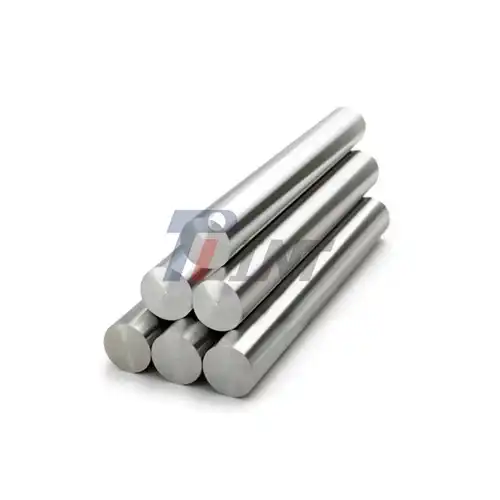
Top Factors When Selecting Titanium Bar Manufacturers


 2026-09-03 14:44:28
When sourcing Gr2 Titanium Medical Bar for critical biomedical applications, procurement managers must prioritize manufacturers who demonstrate rigorous quality control, comprehensive certifications, and deep metallurgical expertise. The right supplier doesn't just deliver raw material—they provide traceability documentation, technical support throughout the material selection process, and consistent mechanical properties that meet ASTM F67 and ISO 5832-2 standards. Choosing a partner who understands the unique demands of medical-grade titanium, from preventing stress shielding in orthopedic implants to ensuring zero metal ion release, directly impacts product performance and regulatory approval timelines.
|
|
|
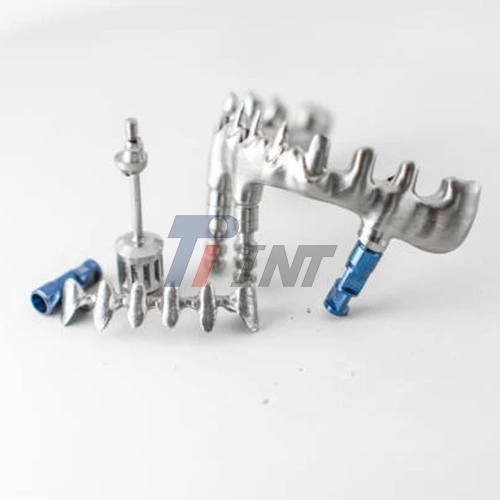
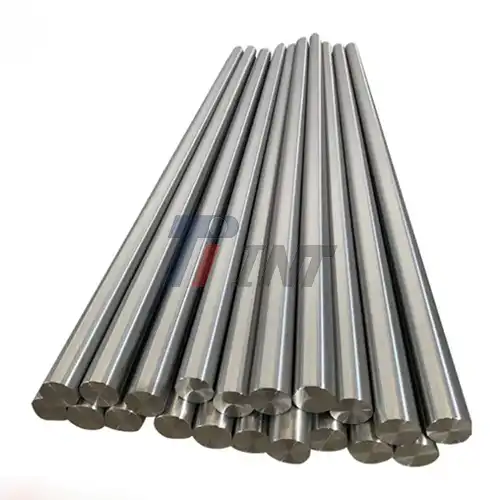
Understanding Gr2 Titanium Medical Bars and Their Market Value
What Makes Gr2 Titanium Unique for Medical Applications
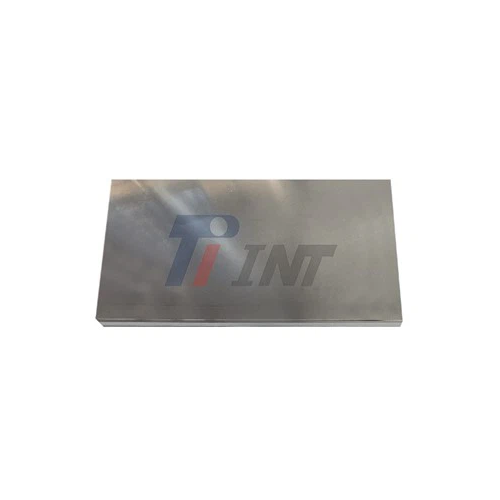
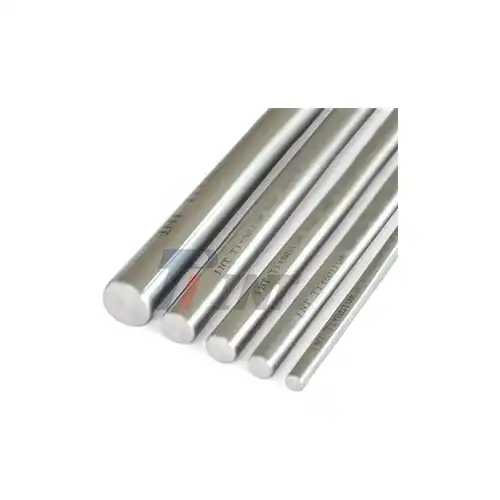
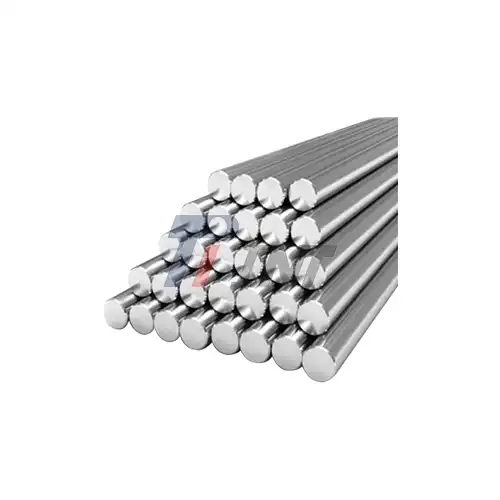
The Gr2 Titanium Medical Bar is made of Commercially Pure (CP) titanium that is of the highest quality and has not been alloyed. It was specially designed for important medicinal uses. Unlike regular industrial titanium, this material goes through strict vacuum arc remelting (VAR) and precision grinding to make sure it has a microstructure that is free of flaws, which is necessary for human implantation.
Its low modulus of elasticity (about 105 GPa) makes it more like natural bone than stainless steel. This stops bone loss and fixes the problem of stress shielding that many implant designs have. Because it is chemically bio-inert, it doesn't cause allergic reactions like nickel-containing metals do. This makes it the best material for transplant parts that need to be flexible and work well with tissue.
Chemical Composition and Mechanical Properties
In the field of metalworking, Gr2 titanium has a density of 4.51 g/cm³ and a melting point of about 1660°C. The minimum yield strength is 275 MPa (40 ksi), the minimum tensile strength is 345 MPa (50 ksi), and the elongation break is at least 20%. These are the standards set by ASTM B348.
Chemically, it stays very pure with a titanium balance, iron levels no more than 0.30%, and oxygen levels usually around 0.25% to make sure it can be shaped. Its main competitive advantage is its oxide film (TiO2), which reforms itself when oxygen is present. This makes it almost completely resistant to erosion and corrosion in seawater flows of up to 20 feet per second, as well as to wet chlorine gas, metallic chlorides, and organic acids.
Manufacturing Processes That Impact Quality
There are several precise steps that go into making a medical-grade bar from a raw titanium sponge. Vacuum arc remelting makes sure that the chemicals are spread out evenly and gets rid of any small flaws that might make the material less biocompatible. After that, the grain structure is improved by hot forging and cold rolling, which has a direct effect on the mechanical strength and fatigue resistance.
Precision cutting and surface grinding get rid of flaws on the surface, and rounds of heat treatment find the best balance between strength and flexibility. Gr2 Titanium Medical Bar is a prime example of such refined material, and when procurement teams know about these manufacturing details, they can tell if a supplier has the technical depth needed to consistently produce high-quality goods.
Essential Criteria to Evaluate When Choosing Titanium Bar Manufacturers
Certifications and Regulatory Compliance
Medical device makers have to follow strict rules set by regulators, so they can't skip source certifications. If a company is certified to ISO 13485:2016, it shows that they are dedicated to medical device quality control systems. If they are also certified to ASTM F67 and ISO 5832-2, it means that their material specifications meet international standards for surgical implants. The company's FDA registration and EU CE marks show that it knows global regulatory environments and keeps records that make it possible to track products from the batch of raw materials they use to the finished bar.
Suppliers should easily give out material certificates that list the chemicals used, the results of mechanical tests, and records of the heat treatment for each production lot. This paperwork is very important for regulatory checks and helps device makers keep up with their own quality control systems. If certification practices aren't clear, procurement teams take a lot of risks when they submit for FDA 510(k) or prepare technical files for CE marking.
Technical Capabilities and Processing Expertise
In addition to making basic bars, manufacturers must show that they can do the specialized processing services that medical device companies need. Custom diameter sizing, tight precision grinding, ultrasonic testing for internal flaws, and specialized surface processes are some of the skills that set good providers apart from great ones.
When making dental implants or spinal rods, where accuracy directly affects patient outcomes, manufacturers need to be able to make bars with dimensional tolerances of ±0.1mm or less. In the same way, specific requirements for surface sharpness and the lack of Alpha Case—a layer of brittle oxygen-rich material—call for unique heating and pickling methods. When companies buy high-tech measuring tools like laser micrometers and coordinate measuring machines, it shows that they care about the accuracy that medical applications need.
Supply Chain Reliability and Delivery Performance
When making medical devices, production plans are very tight, so how reliable a seller is an important factor in the choice. Manufacturers should keep enough raw materials on hand, have extra production capacity, and be able to show a history of on-time deliveries. It is very important to be able to change the minimum order quantity for research and development projects or specialized product lines that need lower volumes.
Global operations make sure that goods get to international sites quickly and without any problems with customs or paperwork. Suppliers who have exported medical-grade goods before know how important it is to have the right HS code classification, material safety data sheets, and compliance documentation that makes the import process go more smoothly. We've seen that suppliers who have specific export teams and long-term relationships with freight forwarders regularly do better than those who only do foreign shipments once in a while.
Comparing Gr2 Titanium Bars With Other Grades and Materials: What Manufacturers Should Offer
Gr2 Versus Gr5 Titanium Alloy
Knowing the differences between material grades helps buying teams make smart choices that meet the needs of the application. Gr2 Titanium Medical Bar (which is commercially pure titanium) and Gr5 (which is Ti-6Al-4V) are used for different types of medical device designs. Gr2 is very good at resisting rust and being shaped. It has a minimum tensile strength of 345 MPa and a yield strength of 275–450 MPa. It is also very flexible (about 20% stretch), which makes cold forming easier. It works very well with living things, which makes it perfect for long-term implants.
The tensile strength of Gr5 titanium alloy is at least 895 MPa, and the yield strength is at least 828 MPa. This makes it suitable for load-bearing applications like hip stem prosthetics and trauma fixation plates. However, this extra strength comes with some downsides: it conducts heat less well (about 6.7 W/m·K vs. 16.4 W/m·K for Gr2), is harder to shape, and costs more. Both types have a density that is about 45% lower than steel and keep their non-magnetic qualities, which are needed for MRI compatibility.
Titanium Versus Stainless Steel Alternatives
316L stainless steel is a cheaper option for some medical tools, but it is not as biocompatible as titanium and doesn't hold up as well against corrosion in biological settings. The higher modulus of elasticity (about 200 GPa) of stainless steel makes stress shielding problems in orthopedic implants, which could cause bone loss and implant loosening over time. The nickel presence in stainless steel metals can cause allergies in some patients, but commercially pure titanium doesn't have this problem at all.
Reliable makers should give buying teams detailed data on how different materials compare. This will help them figure out when the higher cost of titanium is worth it in terms of clinical value and when other materials will do. This consultative method shows professional know-how and customer-focused service, which helps to create long-lasting relationships.
Building Trust: How to Identify Reliable Gr2 Titanium Medical Bar Suppliers
Industry Reputation and Track Record
Suppliers who have been making medical titanium for decades have a lot of knowledge that newcomers to the market can't match. Stable and dependable companies have been able to handle changes in regulations, put money into ongoing process improvements, and kept long-term partnerships with top medical device makers. Asking for case studies of successful material approval programs for orthopedic implants, dental abutments, or surgical tools can help you figure out what kind of actual skills a provider has.
Client testimonials from well-known medical device and OEM manufacturers are a good way to get third-party approval. Suppliers who share customer examples freely and allow potential buyers to talk directly with current clients show that they are confident in the quality of their service. We suggest doing thorough background checks on potential suppliers. In particular, you should ask about how quickly they respond to technical help requests, how accurate their paperwork is, and how they handle non-conformance situations when they happen.
Customization Capabilities and Technical Support
To make new medical devices, you need sources who work with you on creation instead of just selling you things. Strategic suppliers are different from commodity sources because they can make unique bar diameters, help with material selection based on specific implant designs, and support the prototype development stages. Product development times are sped up by manufacturers who offer value-added services like custom heat treatment methods, specialized surface finishing, or help with material testing.
Technical support should be available at all stages of a product's lifecycle, from the original material design to help with regulatory submissions and ongoing production. In the competitive medical device market, suppliers who give customers dedicated technical contacts, help with troubleshooting with metallurgical knowledge, and share industry insights about new material technologies are very helpful.
Transparent Pricing and Certification Assistance
Uncertainties about procurement are taken away by clear price systems that take into account number discounts, material specs, and processing needs. For example, pricing for Gr2 Titanium Medical Bar must reflect its specific grade requirements and forming characteristics. Suppliers should give thorough quotes that break down the costs of materials, processing, testing, and shipping. This way, you can compare prices accurately between different suppliers. If you find hidden fees or terms of pricing that aren't clear, it could mean problems in the future with your relationship.
Help with certification, such as putting together material specs for regulatory filings, offering witness testing services, and keeping full lot traceability, adds a lot of value on top of the base material price. When suppliers know what paperwork is needed for FDA submissions or ISO 13485 audits, they make it easier for procurement and quality teams to do their jobs. This can justify any extra costs by lowering the risk of not following the rules and speeding up time-to-market.
Procurement Best Practices: Streamlining Your Purchase of Gr2 Titanium Medical Bars
Defining Clear Requirements and Specifications
A thorough description of requirements that is in line with project timelines and end-use applications is the first step to successful buying. Material grade (ASTM F67, ISO 5832-2), limits for size and shape, surface finish needs, mechanical property goals, and any special processing requirements should all be listed in the specifications. Suppliers can help you get the best specifications and find any material or process problems early on by being clear about what the products will be used for, like whether they are dental implants, spinal rods, or surgical instruments.
Realistic performance standards for suppliers are set by volume forecasts, shipping schedules, and inventory management goals. Talking to suppliers about yearly volume commitments and possible growth estimates helps ongoing production programs plan capacity and may even offer volume price benefits. For research projects with unknown quantities, it's important to have flexible minimum order quantities and fast delivery options, which not all suppliers can provide.
Sample Testing and Quality Verification
Requesting samples or pilot production runs lets you make sure that the material meets your needs and works as expected in real manufacturing processes before you commit to large orders. Dimensional inspection, surface quality assessment, mechanical testing, and chemical makeup analysis should all be part of the sample review process. These tests can be done in-house or by a third-party testing facility.
Before committing to full production, testing the material's machinability with samples shows any possible processing problems. On paper, some lots of titanium meet the requirements, but during machining, they have different cutting tool wear rates or surface finish quality. By finding these traits during the sample review process, costly production delays can be avoided in the future.
Risk Mitigation Through Comprehensive Contracts
Procurement investments are kept safe by clear contract terms that include quality standards, delivery dates, stable prices, and ways to settle disagreements. Contracts should spell out what the acceptance standards are, who is responsible for nonconforming material, what the guarantee terms are, and how to handle quality issues. Clear "force majeure" clauses and backup supply plans lower the risk of supply problems that happen out of the blue.
Regular supplier audits, like reviewing paperwork from afar or visiting the facility in person, keep an eye on the quality systems and manufacturing processes. Suppliers who are sure of their business practices welcome customer audits and see them as chances to show what they can do and make partnerships stronger. When people don't want to be open or help with audit requests, it makes people wonder about how mature the operations are and should lead to more research.
Conclusion
To find the best titanium bar maker, you have to weigh their technical skills, ability to follow regulations, supply chain stability, and pricing. Suppliers of Gr2 Titanium Medical Bar with a lot of metallurgical knowledge, all the necessary certificates, the ability to help with customization, and clear pricing can form partnerships that speed up the development of medical devices and guaranty consistent production quality.
When procurement teams take the time to carefully evaluate suppliers, test samples thoroughly, and set up clear contractual frameworks, they lower supply risks and set their companies up for long-term success in competitive medical device markets. The process of choosing a supplier requires a lot of technical know-how, but the partnerships that form as a result are worth a lot more than just buying things.
FAQ
What certifications should I verify when selecting a titanium bar manufacturer for medical applications?
Check to see if the companies that make medical devices are certified to ISO 13485:2016 for their quality management systems and that their products meet ASTM F67 and ISO 5832-2 standards. FDA registration and EU CE marking show that the seller knows about global legal requirements and keeps records that make it possible to track the whole process, from getting the raw materials to delivering the finished product.
How does Gr2 titanium differ from Gr5 titanium for medical device applications?
Gr2 titanium is very good at being biocompatible and resistant to rust. It is also moderately strong (345 MPa tensile strength), which makes it perfect for long-term implants and uses that need to be very easy to shape. Gr5 (Ti-6Al-4V) has a much higher tensile strength (895 MPa), which makes it a good choice for load-bearing orthopedic implants. However, it is less flexible and costs more. The choice of material relies on the mechanical needs and length of time of placement.
What lead times should I expect for custom medical-grade titanium bar orders?
Lead times depend on how complicated the specifications are, how many orders are placed, and how busy the factory is right now. It usually takes between 4 and 6 weeks from the time an order is confirmed until the bars are delivered. If you need custom sizes, special heat treatments, or a lot of tests, the lead time could be 8 to 12 weeks. Suppliers with a lot of experience keep a store of raw materials and a flexible production capacity so that they can meet pressing needs when they can.
Partner With Baoji INT Medical Titanium Co., Ltd. for Superior Medical-Grade Titanium Materials
Every Gr2 Titanium Medical Bar that Baoji INT Medical Titanium Co., Ltd. makes is backed by our more than 30 years of experience in the titanium business. We have become a leading company in medical titanium material research and development, production, and processing since our beginning in 2003. Our ISO 9001:2015, ISO 13485:2016, and EU CE certifications show that we are always committed to quality.
Our wide range of products includes bars, wires, plates, and forged items made from pure titanium and Ti6Al4V ELI titanium. These are all made using advanced vacuum arc remelting and precise machining techniques. We know how important it is for your production plans that the mechanical features stay stable, that all the paperwork is full and can be tracked, and that the goods are delivered on time.
Whether you need standard sizes or special processing services, our technical team is here to help you choose the right materials and make sure they are of high quality throughout the whole buying process. Please email us at export@tiint.com right away to talk about your specific needs with a dedicated Gr2 Titanium Medical Bar supplier who values long-term partnerships based on trust, quality, and customer service.
References
1. Davis, J.R. (2003). Handbook of Materials for Medical Devices. ASM International, Materials Park, OH.
2. Rack, H.J. & Qazi, J.I. (2006). Titanium alloys for biomedical applications. Materials Science and Engineering C, 26(8), 1269-1277.
3. American Society for Testing and Materials (2021). ASTM F67-13: Standard Specification for Unalloyed Titanium, for Surgical Implant Applications. ASTM International, West Conshohocken, PA.
4. International Organization for Standardization (2016). ISO 5832-2: Implants for surgery — Metallic materials — Part 2: Unalloyed titanium. ISO, Geneva, Switzerland.
5. Boyer, R., Welsch, G. & Collings, E.W. (1994). Materials Properties Handbook: Titanium Alloys. ASM International, Materials Park, OH.
6. Brunette, D.M., Tengvall, P., Textor, M. & Thomsen, P. (2001). Titanium in Medicine: Material Science, Surface Science, Engineering, Biological Responses and Medical Applications. Springer-Verlag, Berlin.