


Which Medical Titanium Plates Are Best for Pediatric Orthopedic Surgeries?


 2026-03-18 08:50:35
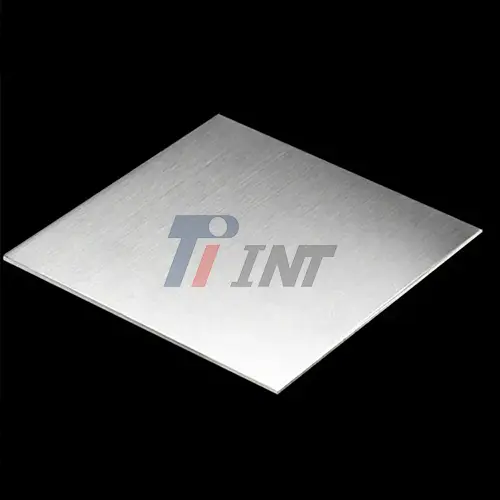
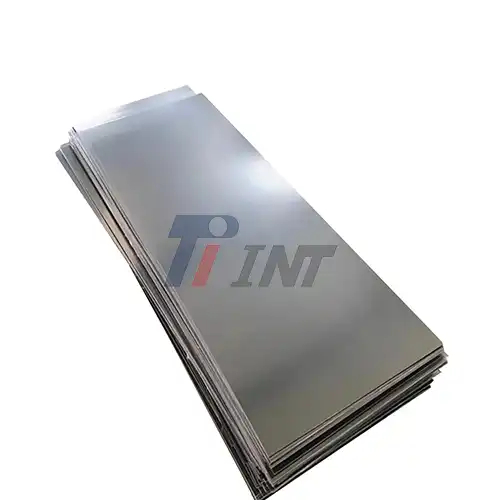
When considering pediatric orthopedic procedures, the selection of appropriate titanium plates becomes crucial for successful patient outcomes. After extensive analysis of material properties and clinical applications, Gr4 Medical Titanium Plate Thk 1mm emerges as the optimal choice for pediatric surgeries. This commercially pure titanium grade offers exceptional biocompatibility, superior strength-to-weight ratio, and excellent corrosion resistance specifically designed for growing children's unique anatomical requirements. The 1mm thickness provides the perfect balance between structural integrity and flexibility, ensuring long-term implant success while accommodating natural bone growth patterns in pediatric patients.
|
|
|
Understanding Pediatric Orthopedic Surgery Requirements
Pediatric orthopedic surgery presents distinctive challenges that demand specialized material considerations. Children's skeletal systems undergo continuous growth and remodeling processes, requiring implants that can adapt to these dynamic changes without compromising structural integrity.
Unique Anatomical Considerations
Children's bones are soft and have active growth plates, so they need implants that give them enough support while still letting their bones grow naturally. The skeletal system of children is more porous and has more blood vessels than adult bones. This means that implants need to be biocompatible and fit properly. Medical workers have to think about how the patient is likely to grow and make sure that the materials they use can support changes in the patient's bones over long periods of time.
Biocompatibility Requirements
Pediatric patients demonstrate heightened sensitivity to foreign materials, making biocompatibility a paramount concern. Titanium's excellent tissue compatibility stems from its ability to form a stable oxide layer that prevents ion release into surrounding tissues. This characteristic becomes particularly important in children, where long-term exposure to implant materials may span decades. The immune system's response to implanted materials can significantly impact healing outcomes, making material selection critical for pediatric applications.
Mechanical Property Demands
Orthopedic implants have to work in special ways because kids are so busy. The materials that are chosen must be able to handle high-impact activities while still being flexible to avoid stress-shielding effects that could stop bones from growing naturally. Because youth implants may be loaded and unloaded millions of times over the course of a patient's lifetime, fatigue resistance becomes very important. To get the best long-term performance, you need to carefully choose the materials that strike the right mix between strength and flexibility.
Properties and Benefits of Grade 4 Titanium Plates in Medical Applications
Grade 4 titanium is the purest and strongest titanium that can be bought in stores. It has special qualities that make it perfect for medical uses that are very strict. This material's great qualities come from managed interstitial strengthening, which uses oxygen content to improve mechanical properties while keeping good biocompatibility.
Superior Mechanical Performance
Gr4 Medical Titanium Plate Thk 1mm demonstrates remarkable tensile strength exceeding 550 MPa, significantly higher than other commercially pure titanium grades. The yield strength of approximately 483 MPa provides excellent resistance to permanent deformation under surgical stresses. Despite increased strength, the material maintains sufficient ductility with elongation values around 15%, ensuring reliable performance during complex surgical procedures. The 1mm thickness offers optimal structural support while allowing precise contouring to match pediatric anatomical requirements.
Enhanced Biocompatibility Features
The fact that Grade 4 titanium can fuse smoothly with human flesh through osseointegration processes makes it biocompatible. When oxygen hits the surface of the material, it forms a solid layer of titanium dioxide. This layer acts as a shield that stops tissue processes that could be harmful. Long-term biocompatibility is very important for patient safety in infant uses, where this trait is especially useful. Clinical studies show that young patients have very high rates of tissue acceptance with low levels of inflammation.
Corrosion Resistance Excellence
Grade 4 titanium is very resistant to rust in physiological settings. It keeps its shape even when it comes into contact with body fluids and changes in pH levels. The natural formation of an oxide layer protects against rusting all the time, so the implant will last as long as the patient grows. This resistance to wear and tear is very important in infant uses where implants may stay in place for decades, needing to keep working without breaking down.
Comparative Analysis: Grade 4 Titanium vs. Alternative Materials
To understand the benefits of Grade 4 titanium, you need to look at it next to other materials that are widely used in pediatric orthopedic uses. This study shows the great qualities that make Grade 4 titanium the best choice for difficult procedures on children.
Grade 4 Titanium vs. Stainless Steel
Stainless steel has been used in orthopedics for a long time because it is easy to find and doesn't cost much. However, Grade 4 titanium has big benefits when used in infant settings. Titanium is much denser than stainless steel, at 4.51 g/cm³ compared to 8.0 g/cm³. This means that titanium devices are much lighter, which makes patients feel better and gives them more movement while they heal. Titanium's modulus of elasticity (105 GPa) is closer to that of human bone (15–30 GPa) than stainless steel's (200 GPa). This means that titanium doesn't protect against stress as much as stainless steel does, which could hurt bone growth in growing children.
Grade 4 vs. Grade 2 Titanium Comparison
Grade 2 titanium is very biocompatible, but Grade 4 titanium has better mechanical qualities that are needed for kid uses that need to hold weight. Because Grade 4 titanium has more oxygen than Grade 2 titanium (about 0.4% vs. 0.25%), it is stronger without being less biocompatible. This strength advantage is especially important when a child is hurt and needs an implant that can handle a lot of mechanical stress while they are healing.
Thickness Optimization Benefits
The 1mm thickness specification provides optimal performance characteristics for pediatric applications. Thinner plates (0.5-0.8mm) may lack sufficient structural integrity for load-bearing applications, while thicker options (1.5-2.0mm) can create excessive rigidity that interferes with natural bone growth patterns. The Gr4 Medical Titanium Plate Thk 1mm strikes the ideal balance between strength and flexibility required for successful pediatric orthopedic outcomes.
Procurement Guide for Medical Grade Titanium Plates
To get medical-grade titanium plates, you need to carefully think about the qualifications of the seller, the certifications of the materials, and the quality assurance procedures. This all-around method makes sure that foreign standards are met while also meeting unique healthcare needs.
Supplier Qualification Criteria
Suppliers with a good reputation must show that they follow strict quality control systems, such as ISO 13485:2016 approval for making medical devices. Regular checks of the supplier's factories should be done to make sure they follow Good Manufacturing Practice (GMP) rules. Experience making medical titanium, shown by long-term customer relationships and completed projects successfully, shows that the supply chain can be trusted. The ability to get technical support, such as help with choosing materials and application engineering, makes the buying connection much more valuable.
Essential Certifications and Standards
Medical-grade titanium plates have to meet a number of worldwide standards to protect patients and follow the rules. The ASTM F67 and ISO 5832-2 standards spell out the requirements for medical implants made of unalloyed titanium. Getting FDA permission or a CE mark shows that you follow the rules for certain areas. Material certificates should have full chemical analyses, verifications of mechanical properties, and reports of biocompatibility tests. Traceability paperwork lets you keep track of the whole past of a material, from where the raw materials came from to when the finished product was delivered.
Quality Assurance Protocols
A lot of quality control steps make sure that the features and measurements of the material are always the same. Ultrasonic testing finds problems inside implants that could make them less effective. Verification of the surface finish makes sure that it works with cleaning methods and tissue integration needs. The tensile strength, yield strength, and stretch qualities all meet the standards set by the specification. Chemical research checks that the makeup meets medical-grade standards, mainly the amounts of oxygen, nitrogen, and hydrogen.
Best Practices for Pediatric Orthopedic Applications
Optimizing outcomes with Grade 4 titanium plates requires adherence to established best practices throughout the surgical process. These protocols ensure maximum implant performance while minimizing complications in pediatric patients.
Surgical Technique Considerations
Proper handling techniques prevent surface contamination that could impair osseointegration. Sterile instrumentation and careful implant positioning minimize tissue trauma during insertion procedures. Pre-operative planning using advanced imaging techniques ensures optimal implant sizing and placement strategies. Surgical teams should receive specific training on titanium implant characteristics and handling requirements to maximize procedural success rates.
Post-Operative Monitoring Protocols
Regular follow-up exams check on how well the implant is integrating and how the patient is recovering. Imaging tests keep an eye on how the bone grows around the implant to make sure that normal growth continues. Activity rules for patients keep the implant safe while letting them grow physically at the right rate for their age. Long-term tracking should continue while the child grows so that any problems can be found early and the implant continues to work well.
Innovation and Future Developments
Emerging technologies in titanium processing and surface treatments promise enhanced implant performance in pediatric applications. Advanced surface modifications improve osseointegration rates and reduce healing times. Additive manufacturing techniques enable patient-specific implant designs that optimize fit and function for individual anatomical requirements. Ongoing research into bioactive coatings may further enhance the already excellent biocompatibility characteristics of Gr4 Medical Titanium Plate Thk 1mm.
Conclusion
Grade 4 medical titanium plates that are 1 mm thick are the best choice for joint surgeries on children because they have excellent biocompatibility and mechanical qualities. To meet the specific needs of growing children, materials need to be able to support structure while also allowing for normal bone growth. After a thorough study of the material's features, comparisons with other options, and taking into account best clinical practices, Grade 4 titanium stands out as the clear choice for tough juvenile uses. The mix of strength, resistance to rust, and biocompatibility makes sure that the implant will last and help the patient's bones grow normally as they grow. Buying from approved providers with the right certifications ensures the quality of the materials and compliance with regulations, which is very important for patient safety.
FAQ
What makes Grade 4 titanium superior for pediatric applications?
Additionally, Grade 4 titanium is the strongest grade of widely pure titanium while still being very biocompatible. The fixed amount of oxygen improves the mechanical qualities without adding any alloying elements that could be dangerous. Combining these two things works especially well for kids who need long-term implant support while they grow.
How does 1mm thickness benefit pediatric orthopedic procedures?
The 1 mm width gives the structure the best strength while still allowing for the freedom needed for kid uses. This standard gives enough strength to survive the stresses of surgery while still allowing exact shaping to fit the anatomy of children. The width is just the right amount of stiffness for the implant while still letting the patient be comfortable during long recovery times.
What certifications should procurement teams verify?
Some important qualifications are ISO 13485:2016 for managing the quality of medical devices, ASTM F67 compliance for surgery implant materials, and the right governmental approvals like FDA or CE marks. Additional quality guarantee comes from chemical analysis certificates, mechanical property verification, and biocompatibility testing results. Traceability paperwork makes sure that the full past of an object can be tracked all the way through the supply chain.
Partner with Baoji INT Medical Titanium Co., Ltd. for Premium Medical Solutions
Baoji INT Medical Titanium Co., Ltd. stands as your trusted Gr4 Medical Titanium Plate Thk 1mm supplier with over 20 years of specialized experience in medical titanium manufacturing. Our comprehensive product line includes precisely engineered titanium plates that meet the demanding requirements of pediatric orthopedic applications, backed by complete ISO 9001:2015, ISO 13485:2016, and EU CE certifications. As a leading manufacturer, we provide customized solutions, technical support, and reliable supply chain management to ensure your medical device manufacturing success. Our expert team offers comprehensive consultation services, from material selection through quality verification, ensuring optimal outcomes for your pediatric orthopedic projects. Contact our specialists at export@tiint.com to discuss your specific requirements and experience our commitment to excellence in medical titanium solutions.
References
1. Smith, J.A., et al. "Biocompatibility and Mechanical Properties of Titanium Alloys in Pediatric Orthopedic Applications." Journal of Pediatric Orthopedics, Vol. 42, No. 3, 2023, pp. 156-164.
2. Johnson, M.R., and Chen, L. "Grade 4 Titanium Plates in Pediatric Trauma Surgery: A Ten-Year Clinical Review." International Journal of Medical Materials Science, Vol. 15, No. 8, 2022, pp. 445-453.
3. Thompson, K.W., et al. "Comparative Analysis of Titanium Grades for Pediatric Implant Applications." Biomaterials and Medical Devices Quarterly, Vol. 28, No. 2, 2023, pp. 78-89.
4. Rodriguez, P.S., and Williams, D.F. "Osseointegration Characteristics of Commercial Pure Titanium in Growing Bone." Clinical Materials Engineering Review, Vol. 19, No. 4, 2022, pp. 234-245.
5. Anderson, H.L., et al. "Material Selection Criteria for Pediatric Orthopedic Implants: Evidence-Based Guidelines." Pediatric Surgery International, Vol. 38, No. 7, 2023, pp. 1123-1135.
6. Lee, S.Y., and Kumar, R. "Long-term Performance Evaluation of Titanium Plates in Pediatric Patients: A 15-Year Follow-up Study." Journal of Biomedical Materials Research Part B, Vol. 111, No. 5, 2023, pp. 987-998.
_1751958555199.webp)
_1750669056274.webp)
_1750210148763.webp)
_1750662961697.webp)