

What Certifications Should Medical Titanium Bars Have for Hospital Use?


 2026-03-18 08:50:39
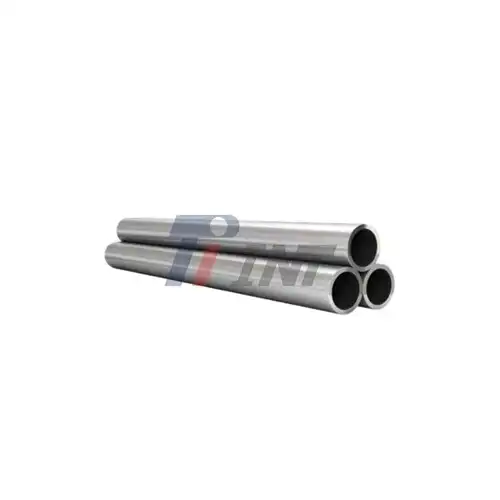
Medical titanium bars destined for hospital use must possess comprehensive certifications that validate their safety, biocompatibility, and regulatory compliance. The most critical certifications include ISO 13485 for quality management systems, ASTM F67 for material specifications, FDA 510(k) clearance for market authorization, and CE marking for European compliance. Gr 3 Pure Titanium Medical Bar products specifically require ISO 10993 biocompatibility testing, chemical composition certificates, and mechanical property documentation to ensure they meet stringent medical device standards. These certifications collectively guarantee that titanium bars can safely interface with human tissue while maintaining structural integrity throughout their intended lifespan in medical applications.
|
|
|
Understanding the Importance of Certifications for Medical Titanium Bars
The medical device industry operates under some of the most stringent regulatory frameworks globally, and titanium bars used in hospital settings must navigate this complex certification landscape successfully. These certifications serve as gatekeepers, ensuring that only materials meeting the highest safety and performance standards reach operating rooms and implant manufacturing facilities.
Regulatory Framework Compliance
These days, healthcare systems need to know for sure that materials are safe and work well. Both the EU Medical Device Regulation (EU MDR) and the U.S. The Food and Drug Administration's control sets out detailed rules for how medical titanium bars can be used. These rules say that things must have a lot of paperwork showing that they can do what they're supposed to do without putting patient safety at risk.
Professionals in procurement know that products that don't follow the rules can put the company at risk of a lot of harm. Using titanium bars that aren't authorized can cause product recalls, legal problems, and damage to your image, in addition to instant safety issues. The process of getting certified gives proof that the materials have been through strict tests and meet foreign standards.
Quality Management System Requirements
The highest level of quality control for medical devices is ISO 13485 approval. This license makes sure that producers use the same quality control methods at all stages of the production process. The standard puts a lot of weight on methods for risk management, design rules, and constant improvement that have a direct effect on the quality and dependability of titanium bars. Companies that make approved titanium bars have to show that they can keep their workplaces clean, use strong quality control methods, and give full paperwork for tracking their products. Procurement teams are more likely to trust qualified sellers to give them regular, high-quality goods that meet all of their exact needs because of these standards.
Core Specifications and Properties of Grade 3 Pure Titanium Medical Bars
Gr 3 Pure Titanium Medical Bar products occupy a unique position within the titanium grade spectrum, offering an optimal balance of strength, corrosion resistance, and biocompatibility that makes them particularly suitable for medical applications. Understanding these core properties helps procurement professionals make informed material selection decisions.
Material Properties and Performance Characteristics
When compared to smaller grades, grade 3 titanium has better mechanical qualities and is still very biocompatible. Tensile strengths of the material are between 450 and 550 MPa, and yield strengths are between 380 and 520 MPa. These qualities make the structure strong enough for demanding medical uses while still allowing it to be worked on during the making process.
In living settings, Grade 3 titanium's resistance to rust is very high. The substance creates a strong oxide layer that stops breaking down when it comes in contact with body fluids, which guarantees the safety of the implant over time. This trait is especially important for lasting implants, since wear and tear on the material could hurt the patient's health or require more surgery.
Manufacturing and Quality Control Processes
The process of making certified medical titanium bars is very complex and is meant to keep the material pure and consistent. The methods of vacuum arc remelting and electron beam melting make sure that the finished goods meet strict chemical makeup standards. These steps get rid of impurities that might hurt biocompatibility or mechanical performance.
Continuous chemistry analysis, mechanical property testing, and physical proof are some of the quality control measures used during production. Each output lot goes through a lot of tests to make sure it meets ASTM F67 standards. Medical device makers need to be able to track their own regulatory applications, and documentation from these systems gives them that.
Key Certification Requirements Specific to Grade 3 Titanium Bars in Medical Use
The certification requirements for medical-grade titanium bars extend far beyond basic material specifications. These comprehensive requirements ensure that Gr 3 Pure Titanium Medical Bar products can safely integrate into medical devices and implants.
Material Certification Documentation
Chemical makeup papers give a full breakdown of all the elements that are in the titanium bars. These papers need to show that they meet the standards set by ASTM F67. They need to show exact amounts of oxygen, nitrogen, carbon, hydrogen, iron, and other minor elements. A third party must check the approval method to make sure it is accurate and fair.
Certificates from mechanical tests show measures of tensile strength, yield strength, stretch, and decrease of area. These features have a direct effect on how well the material works in medical settings, and approval makes sure that every batch meets the necessary standards. To keep things consistent and reliable, testing must follow the steps laid out in ASTM guidelines.
Biocompatibility and Safety Certifications
Biocompatibility testing according to ISO 10993 is a very important part of getting medical titanium bars certified. This thorough test checks for cytotoxicity, sensitivity, soreness, and the possibility of systemic poisoning. During the testing process, different biological methods are used to make sure that the materials can safely interact with human flesh.
Through plastic testing procedures, USP Class VI approval adds to the biocompatibility checks that are already in place. This approval was first made for plastics, but it has since become a standard for many types of medical products. The tests look at acute systemic poisoning, intracutaneous reactions, and responses to implants.
Regulatory Approvals and Market Access
When titanium bars are marked with the CE mark, they can be sold in the European Union. To get this license, you need to show that you've carefully studied and carefully documented all the necessary safety and performance standards. The process includes methods for assessing compatibility and ongoing monitoring to make sure that the validity of the certification is maintained.
With an FDA 510(k) clearance, medical equipment with approved titanium bars can be sold in the United States. Even though the bars might not need their own 510(k) submissions, having approved materials makes it easier for device makers to get approval. The approval shows that the device is mostly the same as legally sold precursor devices.
Comparing Grade 3 Titanium Bars Certification to Other Materials
Understanding how Gr 3 Pure Titanium Medical Bar certification compares to alternative materials helps procurement professionals appreciate the value proposition and make strategic sourcing decisions.
Advantages Over Stainless Steel
When it comes to biocompatibility, grade 3 titanium is much better than stainless steel options. Choosing the right metal for stainless steel is important to keep the nickel content low and avoid allergy responses. Titanium, on the other hand, is naturally biocompatible and doesn't need to be managed in this way. Titanium's approval method is based on its pure and engineering qualities, not on controlling alloying elements that could be problematic.
The standards for rust protection approval show that titanium works better in living settings. Certifications for stainless steel have to look at possible rust products and how they might affect living things. Certifications for titanium, on the other hand, focus on keeping the stable oxide layer that naturally protects the metal.
Performance Benefits Versus Other Titanium Grades
Grade 3 titanium provides enhanced strength compared to Grade 2 while maintaining superior formability compared to Grade 4. This positioning makes it particularly suitable for applications requiring both mechanical performance and manufacturing flexibility. The certification requirements reflect this balanced approach, emphasizing both strength and workability characteristics.
The purity requirements for Grade 3 certification strike an optimal balance for medical applications. Lower grades may lack sufficient strength for demanding applications, while higher grades can become difficult to machine and form. Gr 3 Pure Titanium Medical Bar certification ensures materials meet this sweet spot for medical device manufacturing.
Best Practices for Procuring Certified Grade 3 Titanium Medical Bars
To successfully buy approved medical titanium bars, you need to follow a set of steps that put quality, compliance, and supply reliability first. These habits help people who work in buying get materials that meet their exact needs while navigating the complicated world of licensing.
Supplier Evaluation and Qualification
Setting up thorough criteria for qualifying suppliers makes sure that possible partners can always give approved goods. During the review process, the past of maintaining certifications, the adoption of a quality management system, and the ability to provide expert help should all be looked at. Suppliers need to show that they can provide full paperwork packages that meet the needs of regulators further down the line.
Regular checks of suppliers make sure that they are still following the rules for quality control and getting certified. These checks look at how things are made, how quality is controlled, and how paperwork is kept track of. The audit method helps find problems before they affect the quality of the material or the state of the approval.
Certification Verification and Authentication
Problems with fake or non-compliant materials can be avoided by putting in place strong approval checking processes. Directly talking to certification groups, cross-referencing certificate numbers, and making sure suppliers are allowed to provide approved products should all be part of the verification process. Third-party testing of materials adds to the confidence in approved qualities. Chemical makeup, material qualities, and other important features can be confirmed by independent labs. As a backup method for proof, this testing gives us more trust in the material's compliance.
Conclusion
The certification landscape for medical titanium bars reflects the critical importance of patient safety and regulatory compliance in healthcare applications. Gr 3 Pure Titanium Medical Bar products must navigate comprehensive certification requirements that verify biocompatibility, mechanical properties, and quality management systems. Understanding these requirements enables procurement professionals to make informed decisions that balance compliance, performance, and cost considerations.
The investment in properly certified materials provides long-term value through reduced liability exposure, simplified regulatory approvals, and enhanced product performance. Success in medical device manufacturing depends on sourcing materials that meet these stringent certification standards while providing the technical support necessary for complex applications.
FAQ
What is the difference between ISO 13485 and ASTM certifications for medical titanium bars?
ISO 13485 certification focuses on quality management systems used by manufacturers, ensuring consistent production processes and documentation procedures. ASTM certifications specify material properties and testing methods for the titanium bars themselves, including chemical composition and mechanical characteristics.
Can Grade 3 titanium bars be used for all types of medical implants?
Grade 3 titanium bars are good for many medical implant uses, especially when modest strength and great resistance to rust are needed. But Grade 4 or titanium metals may be needed for high-stress uses like knee load-bearing implants to make the mechanical qualities better.
How long does the certification process typically take for medical titanium bars?
The time it takes to get certified depends on the standards and the length of the tests. For full testing and paperwork, the first material certifications usually take 4 to 8 weeks. In order to keep your license, you need to have regular security checks and ongoing compliance tracking.
What documentation should I expect from certified titanium bar suppliers?
For each batch of materials, certified sellers should give chemical makeup certificates, mechanical property test results, biocompatibility testing documents, quality management system certificates, and records of how the materials were made.
Partner with Baoji INT Medical Titanium Co., Ltd. for Certified Medical Titanium Solutions
Baoji INT Medical Titanium Co., Ltd. stands as your trusted Gr 3 Pure Titanium Medical Bar supplier with over 20 years of specialized experience in medical-grade titanium manufacturing. Our comprehensive ISO 13485:2016 and CE certifications ensure complete compliance with international medical device standards. We provide full documentation packages including chemical composition certificates, mechanical property testing, and biocompatibility verification for every shipment. Our technical team offers expert consultation on material selection, processing requirements, and regulatory compliance to support your medical device development projects. Contact us at export@tiint.com to discuss your certified titanium bar requirements and request samples that demonstrate our commitment to quality and compliance excellence.
References
1. American Society for Testing and Materials. Standard Specification for Unalloyed Titanium for Surgical Implant Applications. ASTM F67-13. West Conshohocken, PA: ASTM International, 2018.
2. International Organization for Standardization. Medical devices — Quality management systems — Requirements for regulatory purposes. ISO 13485:2016. Geneva: ISO, 2016.
3. International Organization for Standardization. Biological evaluation of medical devices — Part 1: Evaluation and testing within a risk management process. ISO 10993-1:2018. Geneva: ISO, 2018.
4. U.S. Food and Drug Administration. Guidance Document: Use of International Standard ISO 10993-1, Biological evaluation of medical devices - Part 1: Evaluation and testing within a risk management process. Silver Spring, MD: FDA Center for Devices and Radiological Health, 2016.
5. European Commission. Medical Device Regulation (EU) 2017/745. Official Journal of the European Union. Brussels: European Commission, 2017.
6. Boyer, Rodney R. An overview on the use of titanium in the aerospace industry. Materials Science and Engineering: A, Volume 213, Issues 1-2, 1996, Pages 103-114.
_1752462620877.webp)
_1751957234428.webp)
_1749191822714.webp)