




Top Uses of Titanium Bar Implants in Full-Arch Dental Care


 2026-10-27 08:43:11
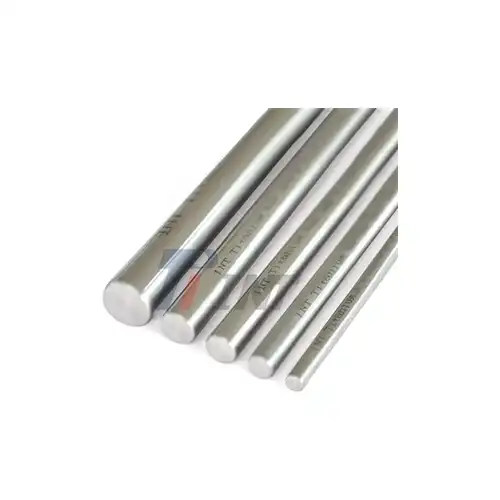
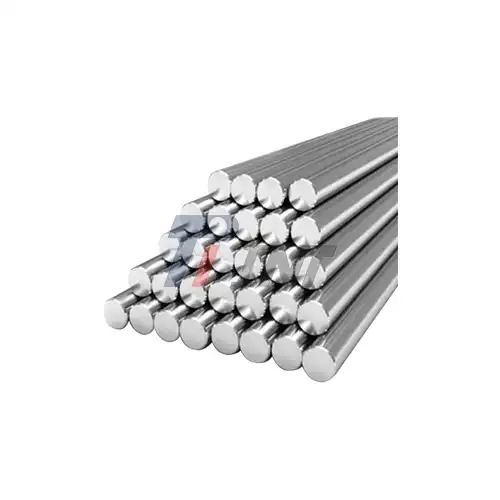
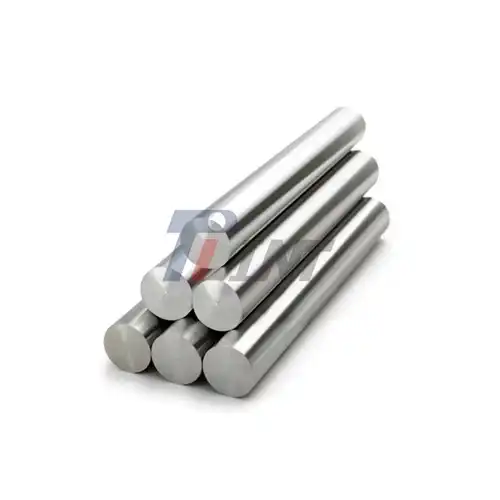
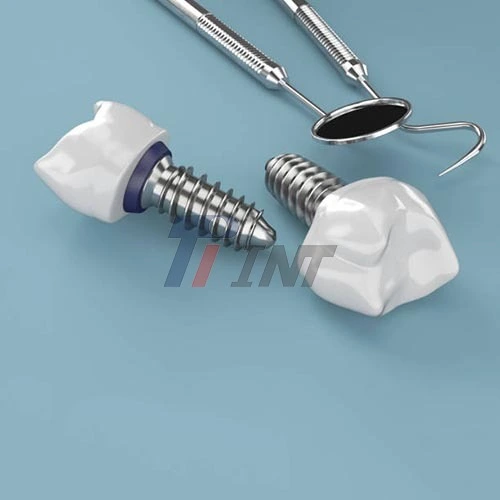
Titanium bar implants have become one of the most clinically trusted material solutions in full-arch dental restoration. Fabricated from Grade 23 (Ti-6Al-4V ELI) or Grade 5 titanium alloy and governed by ASTM F136 and ISO 5832-3 standards, these implant-grade bars serve as the structural backbone connecting multiple endosseous implants. Their exceptional strength-to-weight ratio, corrosion resistance, and proven biocompatibility make them the preferred raw material choice for manufacturers developing full-arch prosthetic frameworks, hybrid dentures, and overdenture substructures worldwide.
|
|
|
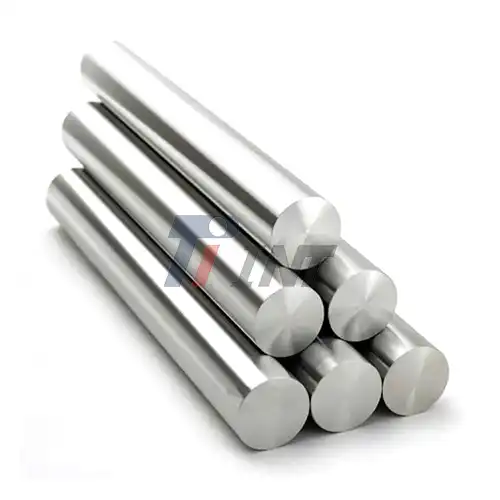
Overview of Titanium Bar Implants in Full-Arch Dental Care
Why Titanium Outperforms Other Materials in Arch Restorations?
Unlike options like stainless steel or cobalt-chrome, medical-grade titanium makes a stable layer of titanium oxide (TiO₂) on its surface that stops living things from reacting with it. This passivation layer stops metallosis and keeps tissue compatibility even after decades of repeated occlusal loading. Titanium's Young's Modulus is about 110 GPa, which is much lower than CoCr's (220 GPa) and much higher than cortical bone's (18 GPa). This means that titanium lowers stress buffering, a physical effect that is known to speed up bone loss around implants over time. This important difference has a direct effect on how long a product lasts, how quickly it gets approved by regulators, and how well it works in clinical trials for end users.
Raw Material Standards That Drive Procurement Decisions
When purchasing titanium bar implants for oral uses, ASTM F136 (Ti-6Al-4V ELI) and ISO 5832-3 compliance are always the top priorities. Extra Low Interstitials (ELI) means that the material has less oxygen and iron, which makes it more flexible and less likely to break when subjected to repeated chewing forces of up to 700 N. Manufacturers who are trying to meet FDA 510(k) or EU MDR registration standards must still be able to track batches using EN 10204 3.1 mill certificates and heat number paperwork.
Top 5 Uses of Titanium Bar Implants in Full-Arch Restorations
Titanium bar stock is an important part of many difficult clinical and manufacturing situations. After careful consideration, here are the five main places where implant-grade titanium bars really shine:
- Implant-Supported Hybrid Prosthetics (All-on-4 / All-on-6 Frameworks): Milled titanium bars form the rigid substructure splinting multiple implants in edentulous arches. The monoblock milling approach — machining directly from solid bar stock — eliminates heat-affected zones associated with welded assemblies and ensures passive fit tolerances within 50 microns, preventing micro-movement at the bone-implant interface.
- Removable Overdenture Bar Attachments (Hader, Dolder, Milled Primary Bars): Titanium bar feedstock is precision-milled into retention bars that anchor removable overdentures. The material's machinability with fine alpha-beta phase microstructure supports consistent subtractive manufacturing on 5-axis CNC platforms without inducing thermal micro-cracks.
- Fixed Full-Arch Screw-Retained Bridges: Long-span titanium frameworks connecting 4–6 implants require tensile strength exceeding 860 MPa and yield strength above 795 MPa — properties inherent to Ti-6Al-4V ELI grade bar material — to resist fracture under long-term functional loading.
- Maxillofacial Reconstruction Substructures: Manufacturers producing custom-milled fixation elements for jaw defect cases rely on corrosion-resistant titanium bar stock. The chemical stability of titanium in the fluctuating oral environment ensures tissue viability across multi-decade service.
- Immediate Load Protocol Components: Titanium's combination of strength and dimensional stability enables components designed for immediate loading protocols, where prosthetics are fitted within 24–72 hours of implant placement. Consistent micro-hardness across bar lots directly supports predictable CNC tool life and yield rates.
All of these uses show why implant-grade titanium bar material, not just finished parts, is still the most important thing for dental implant makers to look for when they buy things.
Titanium Bar Material Properties and Machining Performance
Mechanical Data That Matters in Production
Titanium bar implants certified to ASTM F136 have a tensile strength of at least 860 MPa, a yield strength of at least 795 MPa, and an elongation of at least 10%. These numbers aren't just guidelines for specifications; they directly affect how predictable CNC machining is. When the hardness of the tools doesn't change from batch to batch, production engineers don't have to re-calibrate them between lots, which is a costly process that happens a lot in high-volume milling centers.
Post-Machining Surface Treatment Considerations
After subtractive manufacturing, it is common to use validated anodization processes to put back the passive oxide layer. This step fixes the surface biocompatibility that was damaged during wet milling and makes the gum tissue respond better. Manufacturers should make sure that the titanium bar source gives them material with a documented pre-machining surface state and microstructural regularity so that the anodization results are consistent.
Comparing Titanium Bar Material with Alternative Feedstocks
Titanium bar stock is clearly the best raw material for making a full-arch framework because it is stronger and follows stricter rules than other materials.
Cobalt-chrome (CoCr) sintered disks are stable in size, but they take 30–40% longer to mill and wear out burs faster than stress-relieved titanium bar stock. Zirconia ceramic looks nice, but it's not strong enough to hold long-span arch frames up under heavy oral loads. In the mouth, stainless steel can cause galvanic rusting and is not as biocompatible as other materials for long-term implant contact.
When looking at titanium bar implants from a business-to-business (B2B) point of view, the higher unit cost of the raw material is balanced out by lower costs for machining consumables, lower scrap rates due to consistent batch properties, and easier regulatory documentation. This is especially true for manufacturers trying to meet ISO 13485 standards and register devices in multiple markets.
Procurement Insights: Sourcing the Right Titanium Bar Stock
When looking for titanium bar material for dental uses, manufacturers and milling shops should judge sellers on six important factors:
- Standard Compliance: Verified ASTM F136 / ISO 5832-3 chemical composition and mechanical properties with third-party test reports.
- Batch Traceability: Heat number management, EN 10204 3.1 certificates, and Certificate of Analysis (COA) per lot.
- Dimensional Consistency: Diameter tolerances (h8/h9) and surface finish specifications aligned with CAD/CAM milling requirements.
- Small-Batch Flexibility: Capacity to supply development quantities across multiple diameters without minimum order quantity barriers that obstruct new product prototyping.
- Quality System Readiness: ISO 13485:2016 certification with documented willingness to support customer audits — on-site or remote.
- Delivery Reliability: Stable lead times with buffer stock programs to protect against production line stoppages.
Deliveries are always on time, and there are backup stock plans in place in case the production line has to stop.
Conclusion
Titanium bar implants, or more specifically, the implant-grade titanium bar stock that is used to make them, are at the center of materials science, exact production, and following the rules. When it comes to supporting hybrid prosthetic frameworks, overdenture retention bars, or custom arch substructures, the quality of the raw materials determines both how long they last in the clinic and how efficiently they are made.
FAQ
Q1: What grade of titanium bar is recommended for full-arch dental frameworks?
A: The best material for full-arch uses is Ti-6Al-4V ELI (Grade 23), which is approved to ASTM F136 or ISO 5832-3. Its extra-low interstitial makeup gives it the fracture toughness and fatigue resistance needed for long-span prosthetic frames that are loaded and unloaded repeatedly.
Q2: How does batch consistency affect CNC milling performance?
A: When there are differences in hardness or texture between batches, production engineers have to re-calibrate the tools, which raises the cost of trash and replacement parts. Consistent batch qualities, which are proven by COA and third-party mechanical tests, keep yield rates stable across production runs and protect tool life.
Q3: What documentation should a titanium bar supplier provide for regulatory support?
A: En 10204 3.1 mill certificates, heat number records, third-party chemical and mechanical test results, biocompatibility data that matches ISO 10993, and ISO 13485:2016 quality management system approval are all important papers.
Q4: Can titanium bar stock be sourced in small quantities for prototype development?
A: Reliable suppliers can handle small orders of different diameters to help with the development stages of new implants. This lets manufacturers test how well the material works before committing to bulk purchases.
Partner with Baoji INT Medical Titanium Co., Ltd. for Your Titanium Bar Supply
Since 2003, Baoji INT Medical Titanium Co., Ltd. has sold implant-grade titanium bar material to companies around the world. Our Ti-6Al-4V ELI bars are approved by ASTM F136 and ISO 5832-3. They also have EN 10204 3.1 mill certificates, full heat number tracking, and quality control that is in line with ISO 13485:2016. We offer flexible order forms that work for both research and volume production stages, as well as small-batch sampling and customer checks. As a company that makes titanium bar implants and has a history of confirmed supply going back more than 20 years, we welcome questions from serious B2B procurement teams. To get specifications and samples, email us at export@tiint.com.
References
1. Branemark, P.-I., et al. — Osseointegration and Its Experimental Background, Journal of Prosthetic Dentistry, 1983.
2. Elias, C.N., et al. — Biomedical Applications of Titanium and Its Alloys, JOM Journal of the Minerals Metals and Materials Society, 2008.
3. ASTM International — ASTM F136: Standard Specification for Wrought Titanium-6Aluminum-4Vanadium ELI Alloy for Surgical Implant Applications, 2013.
4. ISO — ISO 5832-3: Implants for Surgery — Metallic Materials — Part 3: Wrought Titanium 6-Aluminium 4-Vanadium Alloy, International Organization for Standardization, 2021.
5. Maló, P., et al. — All-on-4 Immediate-Function Concept for Completely Edentulous Maxillae, Clinical Implant Dentistry and Related Research, 2012.
6. Lautenschlager, E.P., & Monaghan, P. — Titanium and Titanium Alloys as Dental Materials, International Dental Journal, 1993.