




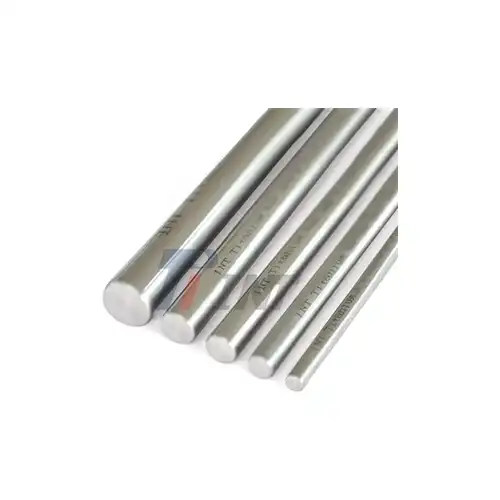
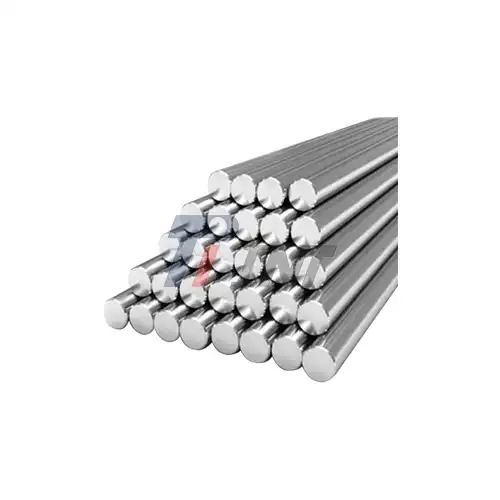
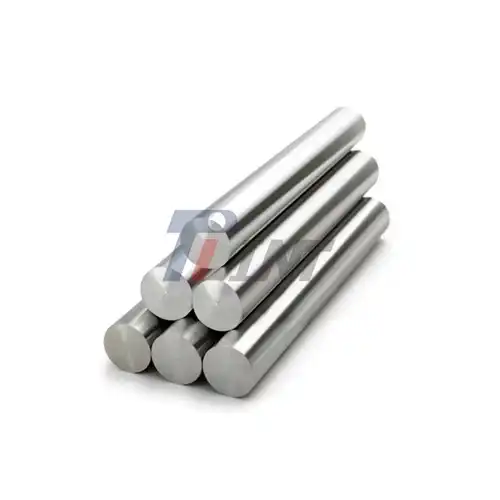
Why Choose Gr9 Titanium Bar for Lightweight Components?


 2026-10-23 10:04:00
When you're designing medical devices, surgical instruments, or orthopedic implants that demand both strength and minimal weight, the Gr9 Titanium Bar Dia 8mm emerges as an ideal material choice. This titanium alloy, technically designated as Ti-3Al-2.5V, delivers exceptional mechanical properties while maintaining a density of just 4.48g/cm³—significantly lighter than stainless steel alternatives. With compliance to ASTM B348, ISO 5832-3, and full certification under ISO9001:2015, ISO13485:2016, and CE standards, this material solves the critical engineering challenge of balancing durability with weight reduction in precision medical applications.
|
|
|
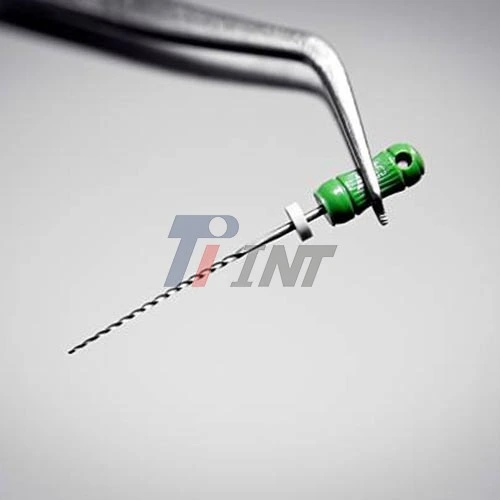
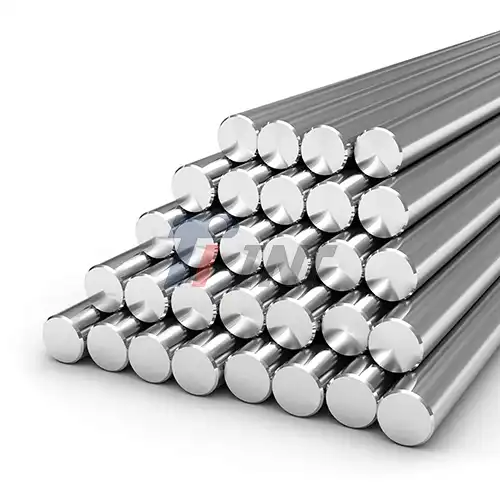
Understanding Gr9 Titanium Bar: Composition and Key Properties
Metallurgical Composition That Sets Gr9 Apart
While titanium is a family, the Gr9 Titanium Bar Dia 8mm is different from the others. 3% aluminum and 2.5% vanadium make up this alloy, which is often called the "half-6-4" alloy by professionals because it is related to Grade 5 (Ti-6Al-4V), which is more aggressive. Because of this mix of elements, Gr9 Titanium Bar Dia 8mm is the best link between commercially pure titanium grades and very hard alloys. The aluminum content makes it stronger and less dense, and the vanadium makes it easier to shape and respond better to heat treatment.
Commercially pure types like Gr2 don't have any alloying elements at all. Gr9 Titanium Bar Dia 8mm, on the other hand, can reach tensile strengths of up to 620 MPa while still being flexible enough for complex industrial processes. This mixture directly solves a problem that has been bothering people who make medical devices for a long time: they need materials that can handle bodily loads without making implantable parts heavier than they need to be.
Mechanical Properties Critical for Medical Applications
Purchasing managers can make better material choices when they know about the performance characteristics of Gr9 Titanium Bar Dia 8mm:
- Tensile Strength: At least 620 MPa, which is 20 to 50 percent stronger than commercially pure titanium grades
- Yield Strength: At least 483 MPa, which makes sure that parts don't permanently deform when they're loaded and unloaded over and over again.
- Elongation: Usually 10-15%, which lets it be shaped into complicated shapes without cracking.
- Density: 4.48g/cm³, which is a lot lighter than stainless steel, which has a density of about 7.9g/cm³.
These requirements make a material profile that works well in medical settings that need to be resistant to corrosion, biocompatible, and reliable mechanically. The metal keeps the passive oxide layer protection that titanium has, which means it won't rust in bodily fluids or sterilization conditions up to 315°C. Because of these qualities, Gr9 Titanium Bar Dia 8mm has become a normal size for many companies that make medical instruments and implants.
Heat Treatment and Machining Considerations
The good processing properties of Gr9 Titanium Bar Dia 8mm help manufacturers who work with it. Based on the needs of the application, the material can be sent in either an annealed or a Cold Worked Stress Relieved (CWSR) state. Annealing usually takes place between 600°C and 800°C. It restores the alloy's flexibility after cold working while keeping its basic strength benefits. Because titanium has a low thermal conductivity, heat builds up at the cutting edge instead of spreading out through the workpiece, so it's important to choose the right tools and cut at the right speed.
To get the best surface finishes, we suggest using carbide tools, keeping the feed rates under control, and using enough cooling. The material is very easy to weld using TIG or MIG methods with an inert gas covering, so parts can be put together without the risk of cracking that comes with using higher-strength alloys. This processing flexibility directly leads to more efficient production and lower costs for R&D teams working on new medical device systems.
Why Gr9 Titanium Bar is Ideal for Lightweight Component Manufacturing
Superior Strength-to-Weight Ratio in Practical Terms
The main reason why Gr9 Titanium Bar Dia 8mm is being used more and more in medical gadget production is its high strength-to-weight ratio. This metric tells us how much weight something can hold. This is an important thing to think about when making tools that doctors need to be able to precisely move during long processes or implants that need to be able to support body weight without putting extra stress on tissues that are still healing. When compared to 316L stainless steel, which is usually used to make surgical instruments, Gr9 Titanium Bar Dia 8mm is about 57% lighter while still being just as strong.
When making surgery tools, retractors, or drill guides, this difference is clear because making operators less tired has a direct effect on the success of surgeries. The material is naturally stiff because its elastic modulus is closer to that of cortical bone than steel alternatives. This means that it has fewer stress shielding effects in orthopedic applications. This is when too rigid implants stop natural bone loading, which can cause bone loss and implant loosening.
Enhanced Fatigue Resistance for Long-Term Reliability
During their working life, medical parts are loaded and unloaded many times. Surgical tools go through thousands of cycles of sterilization and operating pressures before they break. Implantable devices, on the other hand, have to last millions of cycles of physiological load before they break. Gr9 Titanium Bar Dia 8mm is very resistant to fatigue, so it can keep its shape under cyclical stress conditions that would cause cracks to spread in weaker materials.
The metal passed over 10 million rounds of stress levels that are similar to those found in living things without breaking. This is a very important quality for trauma plates, spinal rods, and oral implant abutments. This means that parts will last longer, there will be fewer surgeries to fix problems, and healthcare facilities will save money overall. The material's ability to fight fretting corrosion at modular junctions gives users more security when using threaded connections or surfaces that move in small ways.
Comparative Analysis: Gr9 Against Alternative Materials
To choose the right material, you need to know how Gr9 Titanium Bar Dia 8mm stacks up against other popular choices:
Gr9 vs. Gr5 Titanium: Grade 5 is about 20% stronger, but it is very hard to work with. Because Gr5 has a higher alloy content, it is hard to cold form without cracking. Instead, it usually needs to be hot formed, which raises the cost of production. Gr9 Titanium Bar Dia 8mm strikes the perfect mix between being much harder than commercially pure grades and still being flexible enough to be used for making seamless tubes and doing complex bending operations. This advantage in making things often outweighs the small difference in strength.
Gr9 vs. 316L Stainless Steel: Stainless steel is still popular because it is easy to work with and doesn't cost as much. Gr9 Titanium Bar Dia 8mm, on the other hand, is better at resisting corrosion in chloride settings, which is important for physiological fluids. They also don't contain any nickel, which means there are no worries about sensitization, and they are much lighter. Titanium should be used when instrument ergonomics or implant mass affect clinical outcomes just because it is lighter.
Gr9 vs. Aluminum Alloys: Aluminum is even lighter, but it's not strong enough, doesn't work well with living things, or doesn't resist corrosion in medical settings. Gr9 Titanium Bar Dia 8mm keep their passive oxide layer forever in physiological settings, but aluminum surfaces break down and kill cells, which means they can't be used for implants.
These comparisons show why procurement managers are choosing Gr9 Titanium Bar Dia 8mm more and more for tasks that need reliable performance without sacrificing any other factors. Because of where the material is on the strength-formability range, it is very useful for companies that are making new devices that push the limits of geometric complexity.
Procurement and Supply Considerations for Gr9 Titanium Bar 8mm
Identifying Certified Suppliers and Quality Assurance
To get Gr9 Titanium Bar Dia 8mm, you need to work with sources who have strict quality control methods. Manufacturers need to make sure that the providers of materials they use are currently certified to ISO13485, which is the quality control standard for supply chains for medical devices. This certification makes sure that traceability systems keep track of each production lot from the time the raw materials are received until the final review.
This gives the necessary paperwork for regulatory filings and monitoring after the product has been sold. In addition to basic certification, experienced suppliers use 100% ultrasonic testing according to AMS 2631 standards to find holes or other things inside the material that could weaken its mechanical properties. Using ICP-OES to check the chemical makeup shows that the amount of aluminum and vanadium is within the acceptable range.
Special attention is paid to interstitial elements like oxygen and hydrogen, which affect how flexible the material is and how easily it can become weak. Using metallography to look at the microstructure makes sure that the alpha and beta phases are spread out correctly and that there are no unwanted continuous alpha networks at the grain boundaries. These quality control measures tell the difference between suppliers who can help with FDA submissions or CE marking processes and those who just sell basic materials.
Custom Specifications and OEM Partnership Opportunities
Off-the-shelf measurements are rarely used in the building of medical devices. Manufacturers need exact circle standards, certain surface finishes (like polished, pickled, or special treatments), and cut lengths that meet their production needs. Custom machining suppliers add a lot of value by sending parts in almost perfect forms, which cuts down on the time and materials that customers have to spend on milling. Giving materials with certificates of conformance that show real test results instead of usual values gives engineering teams the information they need for activities like design verification testing and process validation.
When you work with suppliers who have experience with medical applications, you get extra benefits, like technical advice on choosing the right material, processing suggestions for tricky shapes, and proactive communication about changes to specifications or lead times. When going from making a sample to mass production, these connections are especially helpful because the stability of the supply chain has a direct effect on when a product can be released.
Pricing Structures and Supply Chain Logistics
Knowing what causes costs helps buying managers make good budgets and negotiate good deals. Gr9 Titanium Bar Dia 8mm pricing reflects multiple factors: raw material costs for titanium sponge and alloying elements, processing complexity including vacuum melting and multiple forging operations, quality control testing intensity, and certification documentation requirements.
Prices usually run from $45-75 per kilogram, but they depend on how many kilograms you order, how close the circle has to be, and how you want the surface to look. A lot of the time, bulk purchasing agreements get you better prices and make sure you get what you need when demand is high. Lead times are usually between 8 and 12 weeks for normal specs and between 14 and 16 weeks for custom sizes or stricter testing needs.
When sending things internationally, you need to make sure they are properly packaged to avoid damage to the surface, that you follow all the rules for importing, and that you have the right insurance coverage for expensive items. When suppliers offer consignment inventory programs or vendor-managed inventory deals, they help makers get the most out of their working capital while keeping production going.
Evaluating Gr9 Titanium Bar for Your Business Needs: Comparison and Decision Support
Systematic Material Selection Framework
To choose between Gr9 Titanium Bar Dia 8mm and other materials, they need to be structured and compared against project-specific criteria. The first step in screening is to see how strong the material needs to be. Applications with a lot of stress or impact loading may be good candidates for Gr5, even though it's hard to work with, while applications with less stress might be fine with commercially pure grades.
Corrosion environment assessment checks to see if Gr9 Titanium Bar Dia 8mm's higher price compared to stainless steel is worth it; titanium is strongly recommended for uses that will be exposed to chloride-containing fluids for a long time or acidic sterilization chemicals. Biocompatibility rules get rid of a lot of options, leaving only materials that have been used before in implantable uses and have a lot of data on their effects.
Manufacturing process compatibility affects practicality. For example, designs that need to be cold-formed a lot benefit from Gr9 Titanium Bar Dia 8mm's higher flexibility than Gr5, while simple turned parts might be able to handle harder alloys. In addition to material price, lifetime costs should also be included in a cost-benefit analysis. For example, less weight makes surgery more comfortable, longer fatigue life lowers the number of surgeries that need to be redone, and rust resistance keeps instruments from needing to be replaced too soon.
Real-World Implementation Case Studies
Knowing how other similar organizations have successfully used Gr9 Titanium Bar Dia 8mm increases confidence in the choice of material:
A medium-sized company that makes orthopedic instruments switched their surgery retractor line from 316L stainless steel to Gr9 Titanium Bar Dia 8mm after hearing from surgeons that their hands got tired after long spinal treatments. Surgical teams were able to work more precisely during important decompression steps because they were able to lose 43% of their body weight while keeping their same strength.
To validate the manufacturing process, the machining parameters had to be improved and new inspection methods had to be created. However, the production costs stayed within acceptable ranges. The product line got a competitive edge in the market, and more neurosurgical units started using it because they wanted the titanium instruments.
A company that makes dental implants and is working on a new abutment system chose Gr9 Titanium Bar Dia 8mm as their main material. The alloy's ability to resist fatigue under repeated masticatory loading cycles gave confidence in its long-term performance, and its machinability made it possible to make complex thread shapes and prosthetic interfaces at a low cost.
Full validation testing showed that the screw joint was more stable than available pure titanium options. The material's well-known biocompatibility profile also made the regulatory clearance process easier. The final product was well received by the market thanks to clinical data showing good osseointegration and low complications rates.
These examples show how Gr9 Titanium Bar Dia 8mm can help products stand out by giving them performance benefits that end users like. This leads to business success, even though the material costs more than cheaper options.
Conclusion
Manufacturers of medical devices that want to find the best mix between mechanical performance and component weight should look at Gr9 Titanium Bar Dia 8mm. Its makeup makes it much stronger than commercially pure grades while still allowing it to be shaped and welded easily, which is important for efficient manufacturing. The material has been fully certified to meet the requirements of ISO13485, ASTM B348, and ISO 5832-3 standards. This gives it the regulatory support it needs for medical uses, and its biocompatibility and corrosion resistance make sure it will work well in the clinic for a long time.
When procurement teams look at different materials, they should not only think about the initial costs but also the long-term value of those materials. For example, the ability to resist fatigue could mean fewer surgeries, better surgical ergonomics, and new designs. When you work with experienced suppliers who can offer technical support, special specs, and strong quality systems, material selection goes from being a transaction to a strategic relationship that helps you reach your product development goals.
FAQ
What makes Gr9 particularly suitable for lightweight medical components compared to other titanium grades?
It is best to find Gr9 Titanium Bar Dia 8mm between available pure titanium and high-strength alloys like Gr5. While still being easy to cold shape and weld, this grade is 50% stronger than pure titanium grades. This is something that gets harder as the alloy content goes up. Because of this mix, manufacturers can make parts that are lighter without sacrificing structural integrity. This is important for surgical instruments and implantable devices because they need to be sensitive to weight.
Can Gr9 titanium bars be customized for specialized medical applications?
Custom surface finishing, such as polishing, pickling, or special processes made for certain uses, can be easily applied to Gr9 Titanium Bar Dia 8mm. Length specs change based on what the customer wants, which cuts down on waste during production. Precision machining suppliers can send parts in almost-net forms, which cuts down on the steps customers have to take to handle them while still meeting the requirements for making medical devices.
How does pricing compare between Gr9 and common alternatives like stainless steel?
Most of the time, Gr9 Titanium Bar Dia 8mm costs three to four times as much per kilogram as 316L stainless steel. However, a full cost analysis should include lifetime factors. For example, titanium's high resistance to corrosion means that it doesn't need to be replaced as often, and its lighter weight means that finished devices don't have to be shipped as often, and its resistance to fatigue means that guarantee claims aren't as common when things break down too soon. When figuring out the total cost of ownership, these factors often make up for the higher cost of the material.
Partner with a Leading Gr9 Titanium Bar Dia 8mm Supplier
Baoji INT Medical Titanium Co., Ltd. is the company you can trust to provide you with high-quality Gr9 Titanium Bar Dia 8mms that help medical device development. Our founder has been in the titanium business for more than 30 years and has full certification to ISO9001:2015, ISO13485:2016, and EU CE standards. This means we can give your projects the quality assurance they need.
Our wide range of production options includes Gr9 Titanium Bar Dia 8mm alloy bars that are made under strict process controls that guaranty uniform mechanical qualities and full material tracking. We know how hard it is for medical device makers to get the supplies they need, like reliable supply lines, quick technical help, and paperwork that meets government standards. Our team can help you choose the right materials, make suggestions for processing, and make sure you have quality documentation to back up your FDA or CE marking processes.
We have the material knowledge and production ability to meet your deadline whether you're making next-generation surgical tools, orthopedic implants, or dental parts. Get in touch with our team right away at export@tiint.com to talk about your specific needs, ask for material certifications, or get quotes for prototypes or production quantities. You can look at our full selection of medical-grade titanium materials at inttitanium.com and learn why top manufacturers in North America and Europe choose us as their main source for Gr9 Titanium Bar Dia 8mm.
References
1. ASTM International. "ASTM B348-13: Standard Specification for Titanium and Titanium Alloy Bars and Billets." Annual Book of ASTM Standards, Volume 02.04, 2013.
2. Rack, H.J., and Qazi, J.I. "Titanium Alloys for Biomedical Applications." Materials Science and Engineering C, Volume 26, Issue 8, 2006, pp. 1269-1277.
3. Niinomi, Mitsuo. "Mechanical Properties of Biomedical Titanium Alloys." Materials Science and Engineering A, Volume 243, Issues 1-2, 1998, pp. 231-236.
4. International Organization for Standardization. "ISO 5832-3:2016: Implants for Surgery - Metallic Materials - Part 3: Wrought Titanium 6-Aluminium 4-Vanadium Alloy." Geneva: ISO, 2016.
5. Lutjering, Gerd, and Williams, James C. "Titanium: Engineering Materials and Processes." 2nd Edition, Springer-Verlag Berlin Heidelberg, 2007.
6. Boyer, Rodney, Welsch, Gerhard, and Collings, E.W. "Materials Properties Handbook: Titanium Alloys." ASM International, Materials Park, OH, 1994.