

Why Choose Ti6Al4V ELI Titanium Bar for Bone Implants


 2026-08-28 09:39:01
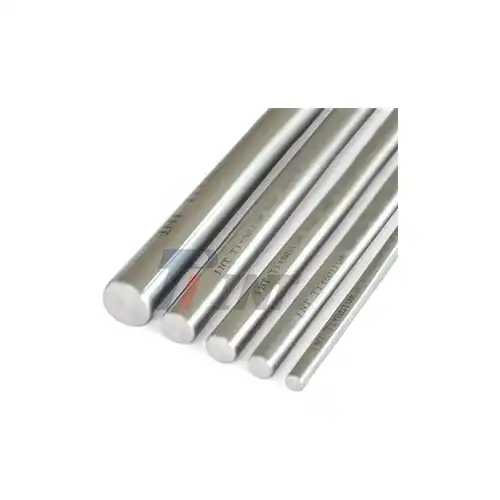
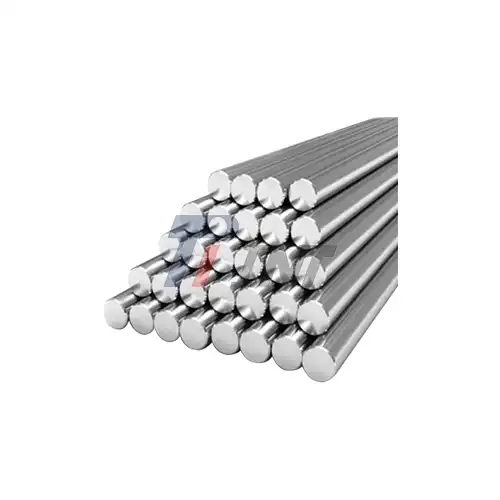
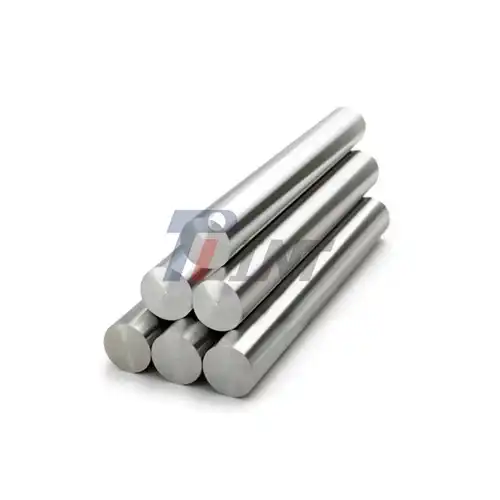
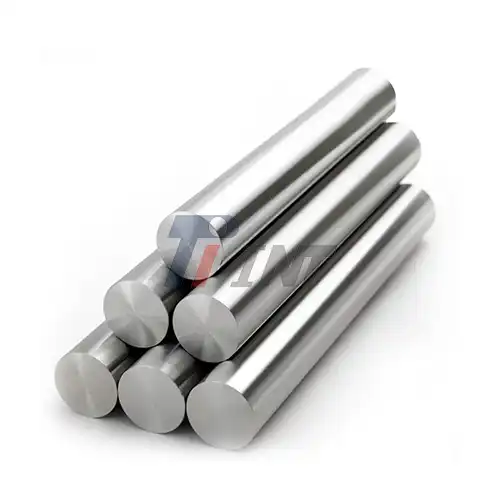
When you're sourcing materials for bone implants, the stakes couldn't be higher. Patient safety, regulatory compliance, and long-term performance all hinge on one fundamental decision: material selection. Ti6Al4V ELI Titanium Bar 10mm has emerged as the gold standard in orthopedic and trauma implant manufacturing, offering an exceptional combination of biocompatibility, mechanical strength, and corrosion resistance. This titanium alloy, also known as Grade 23, features Extra Low Interstitials that reduce impurity content—particularly oxygen, carbon, and iron—resulting in superior ductility and fatigue performance compared to standard Grade 5 titanium. Choosing this material means choosing reliability, safety, and innovation for your medical device production.
|
|
|
Introduction
Choosing the right material isn't just a technical matter; it's the key to a successful surgery. Ti6Al4V ELI Titanium Bar 10mms are a better version of an aerospace-grade titanium alloy that was made to be used in medical devices. In contrast to regular titanium alloys, the ELI variant goes through strict controls during the fusion process to reduce the amount of interstitial elements. This gives it better mechanical properties and biocompatibility, which are both important for bone implants.
We know how hard it is for procurement managers, R&D engineers, and production directors to deal with complicated legal environments, keep costs low without sacrificing patient outcomes, and make sure that quality is always the same. This detailed guide looks at why Ti6Al4V ELI Titanium Bar 10mm is the best material for orthopaedic implants, dental devices, and surgical tools. It gives you the basic information and useful tips you need to make smart decisions about where to get your materials.
Understanding Ti6Al4V ELI Titanium Bar: Properties and Benefits
Standard titanium alloys and Ti6Al4V ELI Titanium Bar 10mm are different in how precisely they are made and how pure their chemicals are. The aluminium and vanadium in this alpha-beta titanium alloy are carefully balanced to make it as strong and easy to work with as possible. The ELI grade is different because it has strict controls over interstitial elements. For example, the oxygen content stays below 0.13%, while in standard grades it goes up to 0.20%, and the hydrogen content is limited to 0.0125% to avoid delayed hydride cracking.
Superior Mechanical Performance
Ti6Al4V ELI Titanium Bar 10mms have a tensile strength of over 860 MPa and a yield strength of about 795 MPa. This makes them strong enough for load-bearing implants. The material keeps its great elongation properties—usually 10-15%—which makes it flexible during production and lowers the risk of breaking easily in physiological settings. Even when loaded in cycles, fatigue resistance stays very high. This is very important for implants that are put under a lot of stress when a patient moves.
Enhanced Biocompatibility
The lower interstitial content directly leads to better integration of the tissues. When exposed to body fluids, Ti6Al4V ELI Titanium Bar 10mm quickly forms a solid, continuous layer of titanium dioxide on its surface. This makes a nontoxic interface that helps bone fusion. In clinical tests, implants have been shown to have very little inflammation and great long-term stability, with success rates of over 95% over ten years in orthopaedic uses.
Optimal Dimensional Specifications
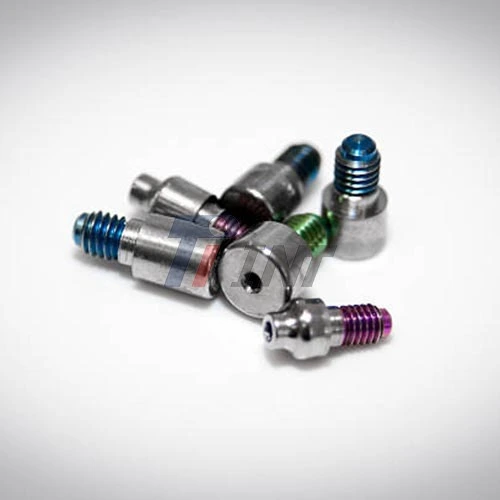
The 10mm diameter configuration is a good compromise between the strength of the material and its usefulness in surgery. This standard tells makers how to make intramedullary rods, bone screws, spinal fusion devices, and dental implant abutments that are always the right size. According to ISO 286 standards, suppliers usually keep tolerances between h7 and h9. This makes sure that the parts work well with precision machining and automated assembly.
Ti6Al4V ELI vs Other Materials: Making the Right Choice for Your Implants
Knowing about other materials helps you understand why Ti6Al4V ELI Titanium Bar 10mm always works better than other choices in bone transplant uses. Each material has its own unique qualities, but the ELI grade fixes important problems that shorten the life of implants and put patients at risk.
Standard Ti6Al4V (Grade 5)
Standard Ti6Al4V Titanium Bar 10mm is about as strong as Grade 4 titanium, but it is less flexible and easier to break because it has more intermediate material. When making thin-walled implants or things that need to be cold worked, the difference becomes important. The high purity of ELI lowers the chance of microfractures spreading. This is especially important for trauma plates and minimally invasive surgery tools that need to be reliable.
Stainless Steel Alternatives
Stainless steel 316L is a cheap option that is strong enough, but it isn't very resistant to corrosion or biocompatibility. In physiological settings, chloride ions can start pitting corrosion, which could release nickel and chromium ions that cause hypersensitivity reactions. Ti6Al4V ELI Titanium Bar 10mm completely gets rid of these worries while lowering the weight of the implant by about 45%. This makes the patient more comfortable and lowers the stress buffering effects that can cause bone loss.
Commercially Pure Titanium
The pure titanium grades (CP Ti Grades 1-4) are very biocompatible, but they aren't strong enough for high-load uses. The yield strength is usually between 170 and 480 MPa, which is too low for femur stems, acetabular cups, or complicated spine structures. This is where ELI alloy comes in. It has the flexibility of bone (modulus around 110 GPa) and the strength of steel.
Concerns about cost should be talked about openly. Ti6Al4V ELI Titanium Bar 10mm costs a lot—about 15–25% more than regular Grade 5 and 40–60% more than stainless steel. But procurement managers are becoming more aware that the initial prices of materials are only a small part of the total costs of a gadget over its entire lifecycle. Lower revision rates, faster regulatory approval processes, and a better reputation in the market make the investment worth it, especially for high-end medical device brands that sell to quality-conscious customers.
Processing and Machining of Ti6Al4V ELI Titanium Bar
Specialised tools and knowledge are needed to turn raw titanium bars into precise implant parts. Ti6Al4V ELI Titanium Bar 10mm is hard to machine because it has a high strength-to-weight ratio and doesn't conduct heat well. The process needs to be carefully optimised to keep the material's structure and the dimensions accurate.
CNC Machining Considerations
Choosing the right tools is the first step to successful machining. Sharp shapes and positive rake angles on carbide cutting tools keep cutting forces and heat production to a minimum. Cutting speeds are usually between 50 and 80 meters per minute, which is much slower than cutting steel. Feed rates are changed to keep work from becoming too hard. To get rid of heat and keep tools from breaking down, you need a lot of coolant flow, preferably high-pressure flood cooling.
Hardening the work is a constant task. Ti6Al4V ELI Titanium Bar 10mm hardens quickly where it cuts, which speeds up tool wear and lowers the quality of the finish. Maintaining constant chip removal without sitting stops damage to the subsurface that could hurt fatigue performance. For complex geometries, many makers use trochoidal milling techniques, which lower radial engagement while keeping output high.
Heat Treatment and Surface Finishing
Ti6Al4V ELI Titanium Bar 10mm can be used after being heated, but controlled heat treatment improves the grain for the best performance. Solution treatment at 900–950°C followed by controlled cooling changes the balance of the alpha and beta phases, making the material stronger without making it less flexible. Stress relief annealing at 650–750°C gets rid of any leftover stresses from cutting. This keeps the dimensions stable and makes the material more resistant to wear.
Finishing the surface has an effect on both biocompatibility and functional performance. By making the inactive oxide layer thicker, electropolishing gets rid of surface flaws and makes the metal more resistant to rust. In some cases, micro-texturing or plasma spraying can help bone grow, but these methods need to be carefully tested to make sure they don't cause stress concentrations or damage the purity of the material.
Quality Control Protocols
Product consistency across production batches is protected by strict inspection. ICP-OES chemical makeup analysis checks the amount of aluminium and vanadium present, and inert gas fusion proves that the levels of interstitial elements stay within the acceptable range. Tensile values are checked mechanically according to ASTM F136 and ISO 5832-3 standards. This makes sure that every lot meets the basic performance requirements.
Laser micrometres and coordinate measuring machines are used for dimension verification to check that diameter tolerances and straightness requirements are met. Ultrasonic inspection and dye penetrant examination are two types of non-destructive testing that can find problems inside or on the surface of an implant that could make it less stable. Each package comes with full traceability paperwork that serves as an audit record for FDA, CE, and other regulatory compliance frameworks.
Procurement Considerations for Ti6Al4V ELI Titanium Bar 10mm
To get medical-grade titanium, you need more than just the best price. You need to work with sources who know the rules, keep the quality high, and meet your production plans with on-time deliveries.
Supplier Qualification Criteria
Certifications are used as a starting point to judge a seller. Getting ISO 13485:2016 certification shows that you care about medical device quality management systems, and getting ISO 9001:2015 certification shows that you can control quality in a wider range of areas. Material certifications should include ASTM F136, ASTM B348 Grade 23, and ISO 5832-3 standards. Every shipment should come with a mill test report (MTR) to confirm the chemical make-up and mechanical properties.
Experience is more important than certifications. Suppliers with decades of experience in the titanium business, like companies started by experts with 30 years or more of experience, bring useful process knowledge and the ability to fix problems. They know all the little details of making medical titanium, like how to keep the working areas clean and how to control the grain structure during forging. This means that there are fewer quality problems, faster technical support, and the ability to work together to solve problems when design problems come up.
Inventory and Lead Time Management
The availability of materials affects the schedule for production. Trustworthy suppliers keep common sizes and shapes in stock, such as 10mm diameter bars, so they can quickly fill urgent orders or make prototypes. Allowing for both small sample batches for research and development tests and bulk purchases for production runs, allowing for flexible order quantities lowers the costs of keeping inventory and makes sure that material supply is in sync with manufacturing cycles.
Lead times change based on the need and amount. Standard stock setups usually ship in two to three weeks, but it could take six to eight weeks for custom sizes or special processing. By making framework deals with dedicated suppliers, you can be sure of stable prices and priority allocation during times of high market demand. This reduces the chance of supply chain disruptions that could slow product launches or stop production.
Pricing and Value Assessment
The price of Ti6Al4V ELI Titanium Bar 10mm changes with the price of raw materials, but for bar stock, it usually costs between $30 and $50 per kilogram. Tight standards or special surface processes can cost more. Committing to buy in bulk can often get you better prices, but when making a procurement decision, you should weigh the cost per unit against the value delivered as a whole. When you buy from suppliers who offer full technical support, certified materials, and quick customer service, you get indirect benefits that lower the secret costs that come with quality problems or production delays.
Trust grows when people are clear about how prices work. Reliable sellers explain how market factors affect prices and let customers know ahead of time when prices will be changing, which helps with accurate budget planning. Some offer extra services, like precisely cutting to length or preliminary machining, that cut down on the steps needed to process your order and make it more cost-effective overall, even if the materials cost more.
Case Studies and Industry Applications
Real-world performance backs up decisions about what materials to use. Ti6Al4V ELI Titanium Bar 10mm has a great track record across a wide range of medical device types, showing that it is flexible and reliable in tough clinical settings.
Orthopedic Trauma Applications
A major European trauma implant maker switched their intramedullary nail portfolio from stainless steel to Ti6Al4V ELI Titanium Bar 10mm, which led to big changes in patient results. The lower modulus of elasticity was more like the properties of natural bone, which reduced stress shielding and encouraged healthier bone remodelling. Five years later, data showed that 97% of implants were still alive, and the rate of refracture was lower than with their old steel-based methods. The change in material also made it possible for thinner wall designs, which made minimally invasive surgery possible and sped up the healing process for patients.
Spinal Fusion Devices
A spine technology company in North America made a new type of lumbar interbody cage by using Ti6Al4V ELI Titanium Bar 10mms that were precisely machined to meet their needs. The material was very radiolucent, which made it easy to see how the fusion was going after surgery. It was also biocompatible, which helped bones grow quickly through the cage's designed holes. In clinical studies, fusion rates were higher than 92% at twelve months, which was about the same as bone graft results but with a lot less donor site morbidity.
Dental Implant Systems
High-end dental implant makers always choose Ti6Al4V ELI Titanium Bar 10mm for abutments and implant bodies that are part of systems with more than one piece. The material's fatigue resistance means it can handle years of chewing forces—about 10 million cycles over a ten-year service life. Because it can be machined, complicated thread shapes and exact morse taper interfaces can be made, which makes sure that prosthetic links are stable. High levels of comfort and good looks are reported by patient happiness polls, which encourages brand loyalty in competitive high-end markets.
Aerospace Parallels
Ti6Al4V ELI Titanium Bar 10mm is used for more than just medical purposes. It is also used in aerospace for critical parts that are exposed to harsh conditions. This alloy is used to make parts for aeroplane engines and structural fasteners that work well in places where the temperature changes, there is vibration, and the metal is exposed to corrosion. This material's proven performance in difficult non-medical settings gives people more faith that it can be used for long-term placement in the human body, where dependability directly affects patient safety and quality of life.
Conclusion
Ti6Al4V ELI Titanium Bar 10mms are the best material for making bone implants because they have the best mechanical performance, biocompatibility, and processing flexibility. The Extra Low Interstitial refinement has clear benefits over standard alloys and other materials, including better tissue integration, higher fatigue resistance, and uniform quality that meets strict regulatory requirements. The 10mm diameter specification is useful for many things, from fixing injuries to putting instruments in the spine. It gives manufacturers a solid base for making new devices. To do good procurement, you need to work with skilled suppliers who keep strict quality controls, support technical growth, and make sure that the supply of materials matches the demand for production. When you choose Ti6Al4V ELI Titanium Bar 10mm, you're investing in the health of your patients, the trust of the government, and the long-term success of your product.
FAQ
Q1: What's the difference between Grade 5 titanium and Ti6Al4V ELI?
A: "ELI" stands for "Extra Low Interstitials," which means that the amount of oxygen, nitrogen, carbon, and iron is strictly controlled during production. Oxygen levels stay below 0.13%, compared to 0.20% in standard Grade 5. This makes the material more flexible and difficult to break. This higher purity lowers the risk of brittle failure and raises biocompatibility. This makes ELI the best specification for medical implants where the dependability of the material can't be compromised.
Q2: What does the 10 mm diameter have to do with bone implants?
A: For practical reasons, the 10mm size works well with a wide range of implant types. It gives enough cross-sectional area for load-bearing uses while still letting surgeons use minimally invasive methods. This width lets complex features like threads, tapers, and internal channels be machined precisely without affecting the structure's strength. At this size, it's possible to tightly control the dimensions (h7–h9), which makes sure that the part always fits correctly with surgical instruments and other parts that fit together.
Q3: How can I be sure that the supplier of medical-grade titanium is a good one?
A: Ask for full approvals, such as ISO 13485:2016 for managing the quality of medical devices and ASTM F136 or ISO 5832-3 material compliance. Ask for mill test reports (MTRs) that list the chemical make-up and mechanical qualities of each output lot. Check the experience of the supplier—companies that have been specialising in titanium for decades will have a better understanding of the process. Testing samples before buying in bulk lets you check the material's properties and measurements on your own.
Partner with Baoji INT Medical Titanium Co., Ltd. for Your Ti6Al4V ELI Material Needs
With more than 20 years of experience making medical-grade titanium products, Baoji INT Medical Titanium Co., Ltd. is a reliable company to buy Ti6Al4V ELI Titanium Bar 10mm from. We keep a large stock of approved bars that meet ASTM F136 and ISO 5832-3 standards. This lets us deliver quickly for both prototype development and large-scale production needs. Our ISO 13485:2016 certification and detailed quality documentation make it easier for regulators to approve your work. Plus, our technical team can help you choose the right materials, make the most of your machines, and meet the needs of your specific applications.
If you're making new orthopaedic implants, precision dental parts or surgical instruments, we can help. Our Ti6Al4V ELI Titanium Bar 10mm for sale comes in a range of sizes, from small sample orders to large orders, and our prices are very competitive. Email our team at export@tiint.com to talk about your particular needs, ask for certifications of materials, or set up tests of samples. Find out why some of the biggest names in medical devices in North America and Europe trust Baoji INT Medical Titanium to supply them with important titanium materials.
References
1. American Society for Testing and Materials. (2020). ASTM F136-13: Standard Specification for Wrought Titanium-6Aluminum-4Vanadium ELI Alloy for Surgical Implant Applications. ASTM International.
2. Long, M., & Rack, H.J. (1998). Titanium Alloys in Total Joint Replacement—A Materials Science Perspective. Biomaterials, 19(18), 1621-1639.
3. Niinomi, M. (2008). Mechanical Biocompatibilities of Titanium Alloys for Biomedical Applications. Journal of the Mechanical Behavior of Biomedical Materials, 1(1), 30-42.
4. International Organization for Standardization. (2016). ISO 5832-3: Implants for Surgery—Metallic Materials—Part 3: Wrought Titanium 6-Aluminum 4-Vanadium Alloy. ISO Standards.
5. Geetha, M., Singh, A.K., Asokamani, R., & Gogia, A.K. (2009). Ti Based Biomaterials, the Ultimate Choice for Orthopaedic Implants—A Review. Progress in Materials Science, 54(3), 397-425.
6. Boyer, R., Welsch, G., & Collings, E.W. (1994). Materials Properties Handbook: Titanium Alloys. ASM International, Materials Park, Ohio.
_1755062427525.png)
_1755061801114.png)
_1753425743099.webp)
_1751956867796.webp)
_1751955824855.webp)
_1750923514395.webp)