
What is the biocompatibility of Gr1 pure titanium bar?


 2026-08-28 09:39:05
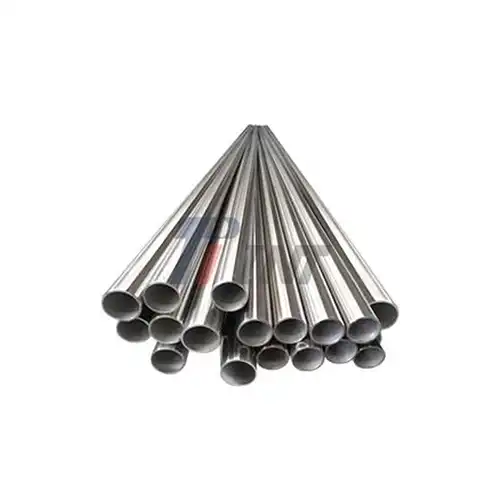
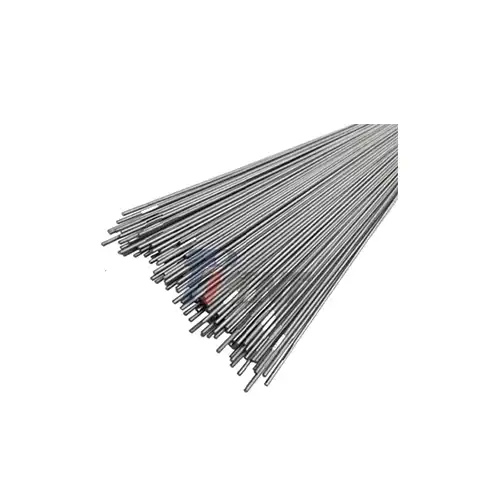
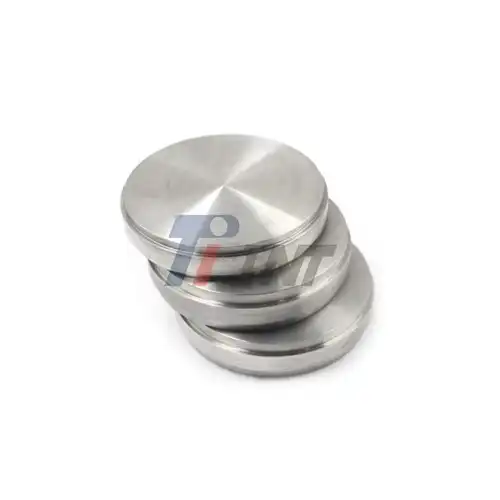
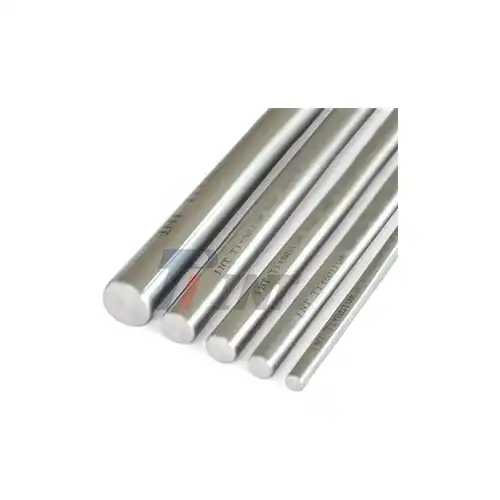
Gr1 pure titanium bar exhibits exceptional biocompatibility due to its minimal interstitial element content and ability to form a stable, biologically inert oxide layer upon contact with bodily fluids. As the softest commercially pure titanium grade, Gr1 Titanium Medical Bar demonstrates non-toxicity, corrosion resistance, and osseointegration capabilities that meet stringent FDA and ISO 10993 biocompatibility standards. Its chemical purity—with oxygen content below 0.18% and iron below 0.20%—ensures superior tissue tolerance, making it the preferred material for sensitive implant applications where patient safety and long-term device stability are paramount.
|
|
|
Understanding Biocompatibility of Gr1 Pure Titanium Bar
Defining Biocompatibility in Medical Materials
Biocompatibility means that a material can do what it's supposed to do in a live system without causing any problems. For companies that make medical devices, this idea goes beyond just being inactive and includes a number of bodily reactions. The FDA uses the ISO 10993 set of standards to describe biocompatibility. These standards check for cytotoxicity, sensitisation, irritation, systemic toxicity, genotoxicity, implantation effects, and hemocompatibility. When procurement managers are looking for materials for implants or surgical instruments, they need to make sure that suppliers show proof that they follow these strict testing protocols.
The chemicals that make up Gr1 Titanium Medical Bar have a direct effect on how well it works in living things. Higher-grade titanium alloys contain aluminium and vanadium, but Gr1 Titanium Medical Bar is very pure because it has more than 99.5% titanium. Because this alloy has almost no metal content, there are no worries about long-term ion release that could cause inflammation or allergic reactions in patients. When the material is introduced to oxygen, its passive oxide layer, which is mostly titanium dioxide, appears right away. This layer acts as a shield to stop metal ions from moving into nearby tissues. This protective film that keeps itself together stays stable across physiological pH ranges and doesn't break down even in chloride-rich environments inside the body.
Chemical Composition and Intrinsic Properties
The interstitial elements in Gr1 Titanium Medical Bar are tightly controlled and meet the requirements of ASTM B348. The maximum amount of oxygen that can be present is still 0.18%. Nitrogen stays below 0.03%, carbon below 0.08%, and hydrogen below 0.015%. The iron content—a key factor that affects ductility—must not be higher than 0.20%. These strict standards separate medical-grade titanium from recycled or industrial-grade titanium, which may have higher levels of impurities.
Gr1 Titanium Medical Bar has a high pure profile, which can be seen in its mechanical qualities. The strength to stretch is usually between 240 and 340 MPa, and the strength to give is between 138 and 310 MPa. Elongation values usually range from 24% to 30%, which makes it easy to shape when making a device. The density of the material, which is 4.51 g/cm³, gives it a strength-to-weight ratio that makes implants lighter without sacrificing their structural integrity. Titanium's corrosion protection is many orders of magnitude higher than that of stainless steel, and it breaks down very slowly in simulated body fluid conditions.
Comparing Gr1 with Other Titanium Grades
Gr1 Titanium Medical Bar is the only available pure titanium that is in a unique place in the range. Gr1 Titanium Medical Bar is more flexible and easy to shape than Gr2, which has a slightly higher oxygen content (up to 0.25%). These are important qualities to have when making complicated shapes or devices that need a lot of cold working. The tensile strength of Gr5 titanium alloy (Ti-6Al-4V ELI) is higher than 860 MPa, but it contains alloying elements that might not be biocompatible in some situations. When purchasing materials for paediatric implants, craniofacial surgery, or devices that will be in touch with sensitive tissues, procurement managers often choose Gr1 Titanium Medical Bar to reduce the chance of harmful biological reactions.
Different testing methods show differences that can be measured in how tissues integrate. Studies that look at how fast bones fuse together show that commercially pure titanium grades fuse together faster than higher-strength alloys. At the microscopic level, Gr1 Titanium Medical Bar's softer surface makes it easier for it to mechanically connect with bone tissue. Researchers working on the next generation of implants are becoming more aware that biocompatibility is more than just chemistry. It also includes matching the surface texture, elastic stiffness, and mechanical properties of the device with the host tissues.
Comparison of Gr1 Titanium Medical Bar with Other Materials for Implants
Evaluating Corrosion Resistance and Tissue Compatibility
Stainless steel has traditionally been the most popular material for some types of medical devices because it is cheaper and easier to work with. In physiological environments, however, titanium is more resistant to corrosion. 316L stainless steel can rust and pit in body fluids that are high in salt, but Gr1 Titanium Medical Bar's passive oxide layer stays in place forever. This security means that implants last longer and there are fewer surgeries that need to be redone. These are two things that are becoming more important in buying decisions as healthcare systems focus on value-based care models.
Cobalt-chromium combinations are very strong, but some patients may be hypersensitive to metals, which is a worry. The nickel presence in some types of stainless steel causes the same problems. Gr1 Titanium Medical Bar gets rid of all of these factors, leaving only hypoallergenic options that have been shown to be safe for a wide range of patient groups. Tissue culture tests that compare how biocompatible different materials are always put commercially pure titanium at the top of the list. Fibroblast binding tests, macrophage activation markers, and cytokine expression profiles all show that there isn't much chance of inflammation.
Certification Standards and Compliance Requirements
To find Gr1 Titanium Medical Bar, you need to check a lot of certifications. The chemical make-up and mechanical qualities of titanium bar stock are regulated by ASTM B348. In ASTM F67, titanium for medical implants is especially talked about, and even tighter limits on impurity levels are set. As required by ASTM E8 standards, material certificates must have chemical analysis reports from approved labs, heat lot tracking, and mechanical test results confirmed by tension testing.
Having a manufacturing facility registered with the FDA adds another level of security. When medical device companies do supplier audits, they usually look at ISO 13485:2016 certification, which shows that the quality management systems are designed to work with medical devices. In order to meet CE marking standards for European markets, more biocompatibility testing documents must be included. When purchasing from international suppliers, procurement managers should make sure that the material can be tracked all the way through the supply chain, from the raw material ingot to the finished bar stock, and that there is proof for every step of the process.
Mechanical Properties and Analysis of Longevity
The ratio of Gr1 Titanium Medical Bar's yield strength to tensile strength is just right for implant uses that need to control how much the metal bends. In contrast to fragile materials that break very badly, Gr1 Titanium Medical Bar behaves ductilely and deforms considerably before breaking. This feature gives a safety margin in situations with dynamic loading, like when dental implants are subjected to cyclic chewing forces or when orthopaedic fixation devices are put under weight-bearing stresses.
Testing for fatigue life shows that widely pure titanium keeps its shape after millions of loading cycles as long as the best practices are followed for surface cleaning and manufacturing. Because titanium doesn't have a wear limit like steel does, devices that are meant to be implanted for a long time need to be carefully designed. When engineers design things, they have to think about things like stress concentration factors, surface finish quality, and the chance of fretting wear at modular junctions. When you choose the right materials and optimise the design, the chances of failure are kept to a minimum, and the device lasts as long as the patient does, or longer.
Applications and Benefits of Gr1 Titanium Medical Bars in Healthcare
Orthopedic and Dental Implant Applications
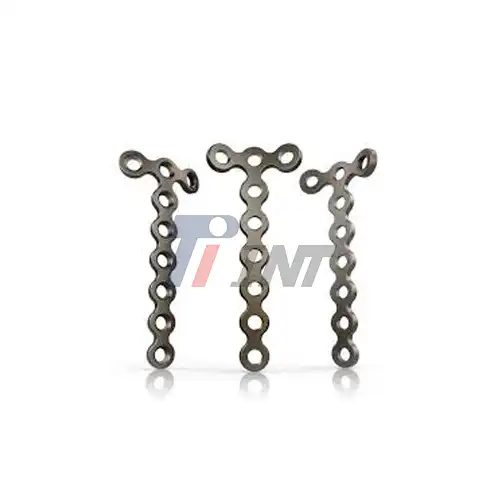
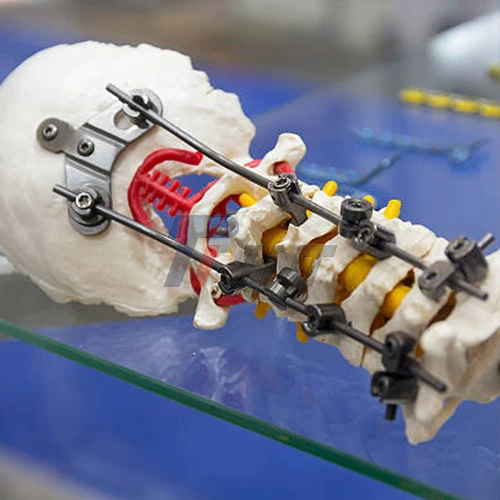
Gr1 Titanium Medical Bars are used to make trauma plates, bone screws, spine fusion cages, and tooth implant abutments. Because the material is so easy to work with, it can be precisely turned and milled to get the tight specs needed for threaded parts and press-fit connections. Orthopaedic device makers like it when bones have a low elastic elasticity, which stops them from protecting against stress, and enough power to handle physiological loads while they heal.
More and more, dental implant systems use Gr1 Titanium Medical Bar parts when they need to better integrate with soft tissue. The smooth oxide surface of the material helps epithelial cells stick to transmucosal abutments, making a biological seal that stops bacteria from getting in. When the right surgery methods and surface treatments are used, the periodontal health around titanium implants stays stable over time. OEM companies that are making new implant designs depend on the predictable biological response of commercially pure titanium to help with the approval process and clinical outcome studies.
Lightweight Design and Corrosion Resistance
Titanium is about 60% denser than stainless steel, which means that surgery tools and implantable devices can be made much lighter. Handheld instruments made from Gr1 Titanium Medical Bar keep the necessary structural rigidity while keeping surgeons from getting tired during long procedures. Less weight in implantable devices leads to more comfortable patients and less stress on soft tissues. This is especially true in cranial uses where reducing mass is important for good looks.
Commercially pure titanium's resistance to rust makes devices work better in harsh settings. Surgical tools are sterilised over and over again using chemical disinfectants, high-temperature steam, and mechanical cleaning methods. Gr1 Titanium Medical Bar's surface doesn't break down even after thousands of sterilisation cycles. It doesn't lose its shape or get surface flaws that could allow biofilm to form. This means that replacing instruments will cost less and work better to prevent infections.
Manufacturing Process Considerations
Careful process control is needed to keep biocompatibility high during production. When annealing, the goal is to completely relieve stress while keeping the fine grain structure. Too much heat can change how oxygen is distributed in the microstructure, making alpha case, a thin, brittle layer on the surface that makes the material less resistant to wear and less easy to shape. As part of quality control, the microstructure should be looked at to make sure that the equiaxed alpha-phase grain size is at least ASTM E112 Grade 7.
Surface preparation has a huge effect on how well living things work. Machining can leave behind work-hardened layers on the surface and residual stresses that change how later operations are formed and how corrosion behaves. Using nitric acid or special electrical methods for passivation makes the oxide layer thicker and more uniform. Particulate contamination that could affect sterility or cause foreign body reactions after insertion can be avoided by ultrasonic cleaning followed by packing in a cleanroom. When device makers follow these best practices, materials work the same way every time and variation between batches is kept to a minimum.
Procurement Considerations for Gr1 Titanium Medical Bars
Quality Assurance and Testing Protocols
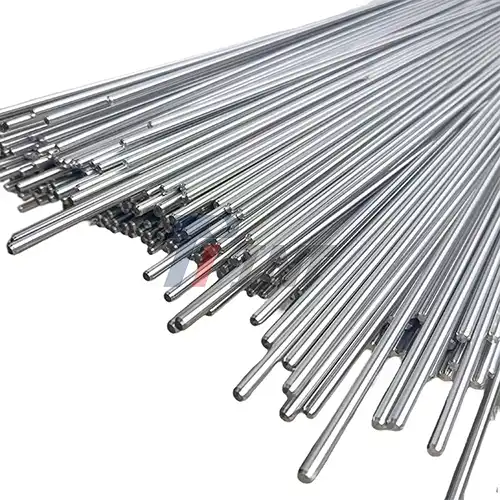
To get Gr1 Titanium Medical Bars, you have to go above and beyond standard material certifications to make sure the quality is perfect. ICP-OES (Inductively Coupled Plasma Optical Emission Spectroscopy) study of the chemical makeup shows that it meets ASTM standards. Using LECO ONH analysers for interstitial element tests makes it possible to measure the amount of oxygen, nitrogen, and hydrogen in a material with enough accuracy to find changes that could make it less flexible. Extra oxygen above 0.18% makes the material much less flexible, which can cause cracks when it is bent or formed later.
As per ASTM E8, mechanical testing protocols should include tensile testing at room temperature to make sure that the yield and ultimate tensile strength values are within the allowed ranges. The bend test is a very important way to make sure that Gr1 Titanium Medical Bar material is safe to use. Samples must be able to be bent around a mandrel 105° to 180° without cracking on the surface. This test directly checks the formability features that are needed to make complicated gadget shapes. Ultrasonic testing that follows the rules of AMS 2631 Class A finds any holes, inclusions, or laminations inside the material that could cause fatigue cracks to form over time.
Supplier Selection and Partnership Development
Beyond price, there are other things you need to think about when picking a reputable supplier. A factory review should check the skills of the machines that make things, like vacuum melting systems, hot working tools, and cold finishing machines. When suppliers use electron beam or vacuum arc remelting, the ingots they make are cleaner than those made using other methods of melting. This quality advantage has a direct effect on the properties and consistency of the final material.
When a seller is being qualified, documentation systems need to be carefully looked over. Strong tracking that connects finished bars to specific ingot heat lots lets quality problems be quickly found and fixed. Suppliers who keep their ISO 13485:2016 certification show that they are dedicated to medical device quality management concepts. Long-term relationships form when providers offer technical support that goes beyond just providing materials. For example, they might help with choosing the right materials, making the forming process more efficient, or figuring out what went wrong when unexpected performance problems appear.
Market Intelligence and Procurement Strategy
The price of medical-grade Gr1 Titanium Medical Bar is based on the cost of the raw materials, the difficulty of the processing, and the certification requirements. Market prices change based on how much titanium sponge is available and how much demand there is from the aerospace and industrial sectors. Getting to know sellers who offer price stability deals or volume-based discounting models is good for procurement managers. Lead times are usually between 8 and 16 weeks, but they vary on the material, the diameter, and the amount. Planning purchase cycles to work with production plans keeps inventory costs low and makes sure materials are available.
As a way to lower the risk of supply chain disruptions, strategic sourcing may involve selecting more than one provider. However, having too many suppliers makes things less consistent, which makes process approval harder for making controlled medical devices. Finding the right balance between supply security and the need for consistency is always hard. Some businesses use a primary provider model and test their approved backup sources on a regular basis to make sure they are always ready without adding extra process variables.
Ensuring Long-Term Success with Gr1 Titanium Medical Bars
Proper Storage and Handling Protocols
To keep the purity of materials from the time they are received until they are used in production, they need to be stored properly. To keep the surface of Gr1 Titanium Medical Bars from oxidising beyond the usual passive film, they should be kept in climate-controlled spaces with relative humidity below 60%. If condensation happens, separation from metals that are not the same stops galvanic rusting. Material handling must keep surfaces from getting dirty with oils, cutting fluids, or particles that could make cleaning and sterilisation later on less effective.
Mistakes between material grades or heat lots can't happen with identification systems that use laser cutting or direct stamping of lot codes on bar stock. This tracking goes all the way through the manufacturing process, which lets batches be separated and specific problems looked into if they happen. When you manage your inventory using the first-in, first-out rule, you make sure that older items are used up before newer ones arrive. This keeps things from being stored for too long, where they could become contaminated by air or break down on the surface.
Future Trends in Medical Titanium Applications
More and more, additive manufacturing uses titanium powders made from Gr1 Titanium Medical Bar and other commercially pure grades. Three-dimensional printing lets doctors make implants with the right shape and number of holes so that bone can grow into them. As these technologies get better, there will be more demand for high-purity titanium material that meets strict requirements for particle size ranges and oxygen content. When suppliers buy tools for characterising and making powder, they put themselves in a better position to serve this growing market area.
Surface change methods are always changing to improve osseointegration and speed up the mending process. Anodisation methods make oxide layers with controlled sizes and custom nanoscale patterns. Biologically active coatings that use hydroxyapatite or growth factors take advantage of titanium's chemical stability as a base while improving biological signalling. Because these new ideas build on the biocompatibility of commercially pure titanium, they make it possible for new clinical uses and better performance.
Regulatory environments are always changing, and materials and manufacturing processes for medical devices are getting more attention. The European Medical Device Regulation (MDR) and related laws around the world require more detailed paperwork and more frequent checks after a product has been sold. Material suppliers who give full technical files, biocompatibility test results, and extractables/leachables data are very helpful for device manufacturers who have to deal with complicated regulatory pathways. This help cuts down on compliance risks and speeds up the time it takes to build a product.
Conclusion
When it comes to medical devices that need to be biocompatible, corrosion-resistant, and reliable mechanically, Gr1 Titanium Medical Bar is the best material choice. It is the best choice for implants that touch sensitive organs and devices that need to stay steady over time because it is chemically pure, has a stable oxide layer, and has a history of success in clinical trials. When purchasing goods, people in charge should look for suppliers that offer competitive prices as well as strict quality control, full certification, and technical support. Partnering up with experienced medical titanium suppliers guarantees consistent materials, adherence to regulations, and access to new ideas that help the development of next-generation devices. As medical device technologies improve, commercially pure titanium grades will continue to be key to better patient results and making treatments more available.
FAQ
Q1: What makes Gr1 titanium more biocompatible than other titanium grades?
A: Gr1 Titanium Medical Bar is better for biocompatibility because it has very few interstitial elements, especially oxygen levels below 0.18% and iron levels below 0.20%. This high level of cleanliness gets rid of any possible irritants, and the steady titanium dioxide layer on the surface stops ions from getting into nearby tissues. In clinical tests, Gr1 Titanium Medical Bar alloys show less inflammation and faster tissue integration compared to Gr2 or Gr5 alloys that have more oxygen or alloying elements like aluminium and vanadium.
Q2: How do I verify quality when sourcing Gr1 titanium bars for medical devices?
A: Multiple checking spots are needed to make sure the quality is correct. Ask for certificates of materials that show ICP-OES chemistry analysis proving compliance with ASTM B348. Ask for ultrasound test results that meet AMS 2631 Class A and show that there are no internal flaws. Tensile qualities and bend test results that show formability should be part of the mechanical test data. A microstructure study that shows fine equiaxed alpha grains and no alpha case gives even more proof that the processing and heating were done correctly.
Q3: What typical lead times should I expect when ordering medical-grade Gr1 titanium?
A: Standard wait times are between 8 and 16 weeks, but they depend on the diameter, amount, and certifications that need to be done. Custom sizes or stricter testing requirements may make delivery times longer. Setting up framework deals with qualified suppliers who keep strategic inventory can cut down on wait times for repeat orders and make sure that all production batches use the same materials.
Partner with a Trusted Gr1 Titanium Medical Bar Manufacturer
Baoji INT Medical Titanium Co., Ltd. has specialized in medical-grade titanium materials since 2003, bringing over three decades of industry expertise to serve device manufacturers worldwide. Our comprehensive quality management systems—certified to ISO 9001:2015, ISO 13485:2016, and EU CE standards—ensure every Gr1 Titanium Medical Bar meets stringent biocompatibility and traceability requirements. We provide complete material documentation, including chemical analysis per ASTM B348 specifications, mechanical test results, and ultrasonic inspection reports conforming to AMS 2631 standards. Whether you need standard bar stock or customized processing services, our technical team offers material selection guidance, forming process optimization, and responsive support throughout your product development cycle. Contact us at export@tiint.com to discuss your specific requirements and experience why leading medical device companies have trusted our materials for over a decade.
References
1. Titanium: A Technical Guide, Second Edition. Materials Park: ASM International, 2000.
2. Brunette DM, Tengvall P, Textor M, Thomsen P. Titanium in Medicine: Material Science, Surface Science, Engineering, Biological Responses and Medical Applications. Berlin: Springer-Verlag, 2001.
3. ASTM International. ASTM F67-13: Standard Specification for Unalloyed Titanium for Surgical Implant Applications. West Conshohocken: ASTM International, 2013.
4. Ratner BD, Hoffman AS, Schoen FJ, Lemons JE. Biomaterials Science: An Introduction to Materials in Medicine, Third Edition. Academic Press, 2013.
5. International Organization for Standardization. ISO 10993-1:2018 Biological Evaluation of Medical Devices—Part 1: Evaluation and Testing within a Risk Management Process. Geneva: ISO, 2018.
6. Hanawa T. Metal ion release from metal implants. Materials Science and Engineering: C. 2004;24(6-8):745-752.

_1751956867796.webp)
_1750668472070.webp)