
Why Titanium Medical Bars Are Preferred for Surgical Implants


 2026-08-27 12:07:05
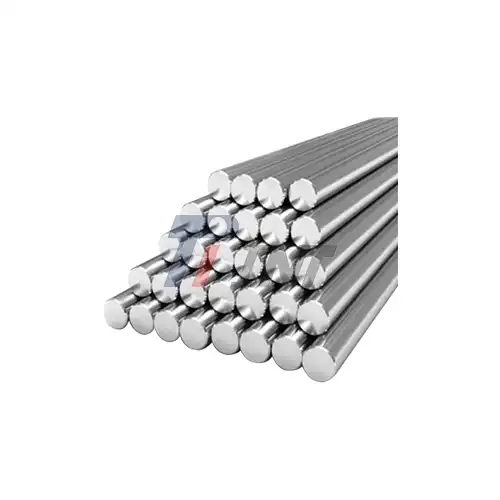
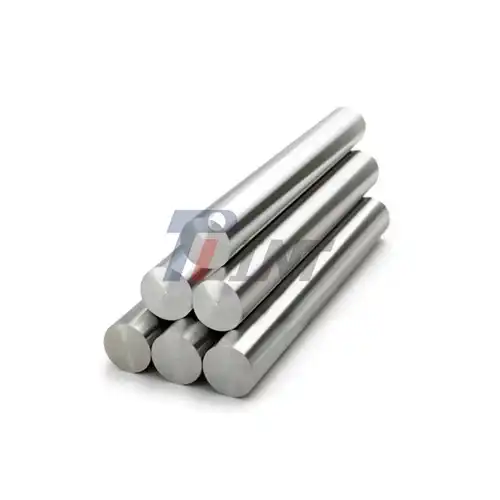
When developing surgical implants that will remain inside the human body for years or decades, material selection becomes paramount. Titanium medical bars have emerged as the gold standard in implant fabrication, with Gr 5 Titanium Medical Bar leading the charge due to its exceptional mechanical strength, biocompatibility, and corrosion resistance. As a Ti-6Al-4V ELI (Extra Low Interstitial) alloy, this material addresses the critical concerns of medical device manufacturers: patient safety, implant longevity, and regulatory compliance. Throughout my years working with medical device engineers and procurement managers, I've witnessed how the right titanium grade transforms product performance and reduces post-surgical complications, making it the preferred choice for orthopedic, dental, and maxillofacial applications.
|
|
|
Introduction
Choosing the right material for medical implants has a direct effect on how well patients do, how reliable the device is, and how many people are successful in the long run. Titanium medical bars have changed the way implants are made because of their exceptional strength, lightweight structure, and body-friendly qualities. There are different types of titanium, but the Ti-6Al-4V alloy is the best for tough surgical uses that can't skimp on mechanical performance.
This metal is carefully balanced to be strong while still being resistant to rusting in the body's salty environment. It has about 6% aluminum and 4% vanadium. Medical device makers are under a lot of pressure to make implants that meet the standards set by ISO 13485, ASTM F136, and the FDA while also being affordable and easy to make in large quantities. Companies that care about quality and patient safety must use this material because it has been used successfully in joint replacements, spinal fixation devices, and oral implants. Figuring out why this particular type of titanium is used so often in surgical implants helps buying teams make smart choices that affect both their ability to make implants and the health of patients.
Understanding Grade 5 Titanium Medical Bars
Composition and Manufacturing Standards
The technical structure of this metal meets the strict requirements set by ASTM F136 and ISO 5832-3, which rule medical-grade titanium alloys. The chemicals used limit the amount of oxygen to ≤0.13% and the amount of iron to ≤0.25%, which is much lower than in industrial-grade forms. This decrease keeps the interstitial stiffness low and increases the resistance to rust when exposed to body fluids for long periods of time.
Vacuum or double-melting techniques are used in manufacturing to get rid of inclusions and other contaminants. The microstructure that is made has a fine, evenly distributed alpha-beta phase that makes sure the bar is easy to machine and has the same mechanical properties all the way along its length. Precision controls keep h9 or h7 tolerances during production, which keeps surfaces free of alpha-case layers that could make later grinding operations less successful.
Mechanical Properties That Matter
The minimum tensile strength of the material is 860 MPa (125 ksi), and the minimum yield strength is 795 MPa (115 ksi). This is almost three times as strong as pure titanium types that are sold in stores. Because of this big strength advantage, implant designers can make devices smaller without sacrificing their structural integrity. This means that surgeries are less invasive and patients recover faster.
At 10^7 cycles, fatigue strength reaches about 510 MPa, which is very important for load-bearing parts like hip stems and spinal rods that are used for a patient's whole life and go through millions of stress cycles. The density of 4.43 g/cm³ is about 60% of the weight of stainless steel, which makes it easier on the patient while still providing the necessary muscular support. Because it isn't magnetic, it works with MRI machines and doesn't cause heating or picture artifacts during diagnostic procedures, which is becoming a more important factor as imaging technology improves.
Biocompatibility and Surface Characteristics
In addition to mechanical properties, the biological function of Gr 5 Titanium Medical Bar also decides whether it is suitable for implantation. Within milliseconds of being exposed to oxygen, the alloy forms a solid oxide layer (TiO2) on its surface. This forms an inactive shield that stops the release of ions into the tissues around it. This trait lowers inflammation and allergic responses, which is especially important now that more patients are becoming aware of their metal sensitivity.
Its low modulus of elasticity, around 110 GPa, is closer to the range of 10 to 30 GPa found in human bone than it is to stainless steel (200 GPa) or cobalt chrome (240 GPa). Even though it is still much harder than bone, this relative flexibility helps reduce the stress shielding effects that can cause bone to break down around implants. This makes devices last longer and lowers the number of surgeries that need to be redone.
Why Grade 5 Titanium Bars Are Ideal for Surgical Implants?
Superior Mechanical Performance in Demanding Applications
In the real world, clinical conditions put very high mechanical demands on surgery implants. When you do things like climb stairs, your hip replacement can handle forces of up to six times your body weight. Spinal fixation rods have to be able to handle bending and twisting forces while supporting the whole upper body. Dental implants are hit by forces that are more than 200 Newtons every day, thousands of times. Ti-6Al-4V ELI is better at dealing with these problems than other materials because it has a high strength-to-weight ratio. When compared to Grade 2 pure titanium, which is very resistant to corrosion but not very strong (450 MPa tensile), the alloyed version is almost twice as strong. This performance gap is very important in load-bearing situations, where a failed device could hurt the patient or require additional surgery.
The strength of stainless steel 316L, which is a common material for implants, is about the same, but it is about 80% heavier and has magnetic qualities that make imaging tests more difficult. Even though cobalt chrome alloys are very resistant to wear, they contain elements that could be allergenic and are stiffer, which makes stress shielding problems worse. Because of these relative flaws, the medical device business is moving toward titanium-based options, especially for long-term implants.
Corrosion Resistance and Longevity
Metallic materials find the human body to be a very difficult place to work. Implant surfaces are constantly being damaged by high levels of saline, interactions between proteins, changes in pH, and oxidative stress. When materials corrode, they release metallic ions into the tissues around them. This can cause inflammation and make it harder to fix implants.
The inactive oxide layer that is a feature of titanium metals protects very well against these corrosive forces. Studies have shown that Ti-6Al-4V implants that are made correctly have corrosion rates measured in nanometers per year, which are very small over the 15–25 years that most implants are used. This longevity directly leads to better patient results by lowering the need for revision surgeries, which come with higher risks and costs for complications compared to the initial operation.
The material is resistant to localized corrosion modes like pitting and crevice corrosion, which makes it even more reliable in complicated implant geometries where fluid can pool. This quality is especially useful in modular implant systems with taper junctions or threaded connections, where metals that are not the same touch when the system is loaded mechanically.
Osseointegration and Tissue Compatibility
Implants that work well, such as those machined from Gr 5 Titanium Medical Bar, must not only tolerate their biological surroundings, but also actively merge with the tissues around them. Fixation strength and long-term security for devices like dental implants and orthopedic prostheses depend on osseointegration, the direct structural link between bone and implant surface. Bone-forming cells (osteoblasts) easily adhere and multiply on properly prepared surfaces of titanium oxide, showing that the surface is very good at bonding with bone. Acid etching, grit blasting, and anodization are some surface treatments that can improve these properties even more by making the surface area bigger and changing the topography at the microscale level, which changes how cells behave.
Years of clinical research have shown that titanium implants have osseointegration success rates higher than 95% in the right people. The material's bioinert nature is what makes it work so well—it doesn't cause too much inflammation or release harmful breakdown products that slow down the mending process. Because this biological response can be predicted, implant designers can confidently choose titanium for uses that need long-term fixation without cement or other bonding agents.
Comparing Grade 5 Titanium Medical Bars with Other Alloys
Grade 5 Versus Grade 23: Understanding the Distinction
Engineers who work on medical devices often get these closely related metals mixed up. Grade 23 (Ti-6Al-4V ELI) is a better version of Grade 5. It has stricter controls on interstitial elements like carbon, oxygen, and nitrogen. The name "Extra Low Interstitial" comes from the fact that the highest amount of oxygen in the material is 0.13%, while the standard Grade 5 level is 0.20%.
This difference in makeup causes small but important changes in function. Grade 23 has better flexibility and fracture toughness, which makes it useful for devices with thin walls or situations where the material is loaded and unloaded repeatedly close to its wear limits. Because it is more resistant to tiredness, it is better for cardiovascular stents and some parts of spinal implants where failure too soon could be very bad. When choosing a material, cost is an important issue because Grade 23's stricter requirements make production more difficult and raise the cost of materials. Standard medical-grade Ti-6Al-4V works well enough for many orthopedic devices. The special grade should only be used in situations where its benefits make it worth the extra cost.
Performance Against Stainless Steel and Cobalt Chrome
Early implant research focused on stainless steel 316L because it was easy to work with and didn't cost as much. But as implant designs have changed to have smaller profiles and longer service lives, its flaws have become more clear. Because the material is dense, it makes devices heavier, which makes surgery harder and patients more uncomfortable, especially when used on the extremities. Cobalt chrome metals (CoCrMo) are great for bearing surfaces in total joint replacements because they don't wear down easily. But worries about metal ion release, especially chromium and cobalt, have grown since reports of bad tissue reactions in some implant designs. The high modulus of the material also makes it better at stress shielding than titanium alternatives.
Recent market studies show that people are becoming more interested in titanium-based solutions. This is because more and more clinical studies show that these solutions have better long-term results and make patients happier. Titanium specs are still more expensive than stainless steel at first, but when you look at the total cost of ownership, which includes lower review rates and better performance, titanium specifications become more appealing.
Procurement Considerations and Supply Chain Reliability
The cost of materials for Gr 5 Titanium Medical Bar is only one part of the total cost of acquisition. Reliable providers who keep quality consistent, provide full certification paperwork, and deliver on time add a lot of value on top of reasonable pricing. Medical device production is closely watched by regulators, and it's important to keep testing records and be able to connect materials back to their original sources in order to stay in line.
Leading titanium providers spend money on quality control systems that are ISO 13485 approved. This shows that they care about the standards set by the medical device industry. For these certifications, strict process controls, good documentation, and ongoing efforts to improve that lower variation and raise reliability are needed. During the approval process, procurement teams should give more weight to sellers who provide full material test results, proof of conformance papers, and quick expert support.
When it comes to lead times, minimum order quantities, and logistics coordination, global supply chains make things more difficult. Suppliers who already have established inventory programs and distribution networks can cut procurement cycles by a large amount. This makes it possible to develop products faster and increase production more quickly.
Applications and Benefits of Grade 5 Titanium Medical Bars in Medical Implants
Orthopedic Applications Driving Innovation
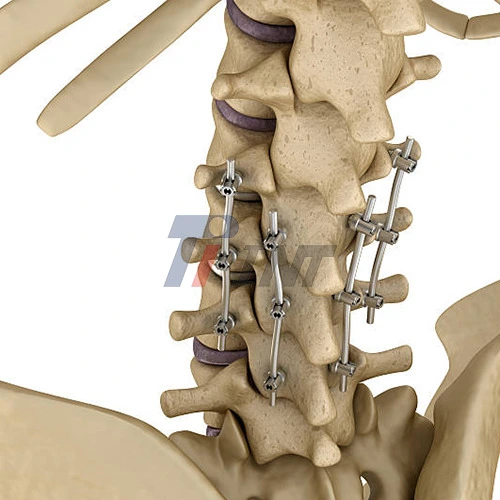
Ti-6Al-4V medical bars are the base material for many orthopedic devices that help millions of people every year regain their mobility and get rid of pain. Hip replacement stems made from these bars support the full weight of the patient and help bone grow along their sides. Because the material is strong, press-fit designs can be made that don't need cement. This makes surgery easier and might lead to better long-term fixation. Titanium rods, screws, and interbody plates made from medical-grade bars are used in spinal fusion devices. During the months-long fusion process, these devices must be able to withstand loads greater than 1000 Newtons while still staying in place. When it comes to these tough uses, titanium is the only material that is strong, radiolucent for imaging tests, and good at osseointegration.
Trauma anchoring plates and intramedullary nails are two more important types of uses. These devices keep broken bones stable while they heal. They need to be strong enough to keep the bone from moving while also avoiding stress buffering, which could slow down bone repair. Implant designers can find the best screw placement, plate contouring, and load distribution for different body parts and fracture patterns by being able to machine complex geometries with very tight tolerances.
Dental and Maxillofacial Reconstruction
Dental implant systems are a high-volume use case where the qualities of the material directly affect the success rates in the clinic. When implant fixtures are threaded into the jawbone, they need to fuse in enough to support false teeth against strong chewing forces. Due to its well-known ability to fuse with bone, titanium has become the standard material for this purpose, with decades of clinical evidence backing expected results.
Maxillofacial repair plates are used to fix complicated injuries or cancerous tumor removals that need custom-made tools to rebuild the face's structure and function. Surgeons often bend these plates during surgery to fit each person's anatomy, so they need materials that can be shaped but are also strong enough. Cold-forming Grade 3 pure titanium works better, but the Ti-6Al-4V alloy is better for load-bearing maxillofacial situations where strength needs are higher than what pure grade can provide.
Because the material isn't magnetic, it gets rid of any artifacts that might show up on CT or MRI scans that are used to plan treatment and check on patients after surgery. This diagnostic match lets doctors get a good idea of how well the healing is going and spot any problems early, without having to take out the implant.
Manufacturing Advantages for OEM Clients
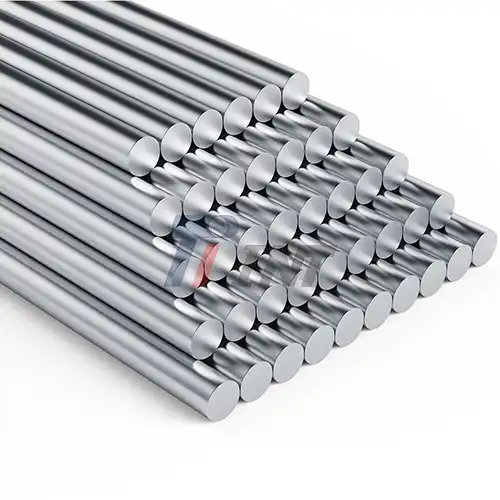
Titanium bar stock is easier to machine than work-hardening stainless steels or rough ceramics, which is why medical device makers choose it. Modern CNC machining machines can quickly and accurately make complicated implant shapes with very close size tolerances. They can handle both large-scale production and designs that are unique to each patient.
When implants are made from Gr 5 Titanium Medical Bar, material waste is a big cost factor because finished devices only make up a small part of the weight of the starting stock. When properly annealed Ti-6Al-4V bars are machined, they behave in a predictable way. This reduces tool wear and scrap rates, which is good for production economics. Some companies have been able to successfully use near-net-shape forging methods that cut down on the need for cutting and wasteful material use while keeping the necessary mechanical properties for implant uses.
Surface finishing processes, such as grinding, passivation, and sterilization, are done directly on titanium materials by following standard procedures. The oxide layer is not easily destroyed by common sterilization methods like autoclave, ethylene oxide, or gamma irradiation. This means that final implants keep their surface features and mechanical qualities while they are being processed and stored.
How to Procure Grade 5 Titanium Medical Bars for Your Business?
Evaluating Supplier Qualifications and Certifications
Partnering with suppliers who know what the medical device business needs and keep up with quality standards is the key to successful titanium buying. ISO 13485 approval shows that a seller is dedicated to medical device quality management, which includes process controls, good documentation practices, and efforts to make things better all the time.
Material certifications are just as important. Reliable providers give full material test records that show the chemical make-up, mechanical properties, and history of heat treatment for each production lot. Compliance with ASTM F136 means that the material meets the medical-grade standards for inserted devices. Depending on the planned market and device classification, some apps may need to be registered with the FDA or in line with the European Medical Device Regulation.
The monitoring of suppliers should be able to do more than just check certificates. Procurement teams use site visits, process observations, and quality system reviews to check if suppliers keep up the skills they say they have. Long-term partnerships based on open communication and mutual understanding make supply chains more reliable than short-term deals based only on unit pricing.
Customization Services and Technical Support
Iterative prototyping and testing cycles are used to make medical devices. As designs get better, material requirements may change. Customization services from suppliers, such as changing the diameter, surface finish, cut lengths, and heat treatment conditions, are very helpful during the development stages. This responsiveness speeds up the time it takes to get a product to market and lowers the cost of keeping supplies for new goods.
The ability to provide technical help is what sets strategic partners apart from commodity providers. Manufacturers who help engineers create new implant designs by suggesting the best bar sizes, cutting methods, fixing problems with the surface finish, or explaining the necessary regulatory paperwork are all helpful. This knowledge is especially helpful for smaller businesses or those that are moving into new therapeutic areas where they may not have a lot of experience. Material qualification steps required by medical device rules are made easier by providing samples and coordinating tests. Suppliers who are on the cutting edge keep samples on hand and can quickly send materials for mechanical testing, biocompatibility testing, and process compatibility checks.
Balancing Cost, Quality, and Delivery Performance
Being able to compete on price is important, but making buying decisions based only on unit cost is often a bad idea. Finding flaws in the material during cutting or testing after production costs a lot more than the difference in the original prices. Deliveries that are late throw off production schedules, which could put customer commitments and revenue recognition at risk.
A full review of a provider looks at the total cost of ownership, which includes things like quality uniformity, on-time delivery performance, quick technical support, and long-term availability. Companies that have been in the business for a long time and have a good reputation tend to be less risky than new companies that offer low prices but haven't proven their skills yet. Inventory management plans should find a mix between keeping supplies going and keeping costs as low as possible. Just-in-time delivery lowers the cost of moving goods, but it makes them more vulnerable to supply problems. Small safety stock levels for important materials protect against sudden changes in demand or problems with suppliers while keeping inventory turns at an acceptable level.
Conclusion
The best material for surgical implants is Gr 5 Titanium Medical Bar because they have a strong mechanical strength, biocompatibility, and corrosion resistance that no other material can match. The information talks about one of the biggest problems medical device makers face: making implants that work well with human tissue and last a long time while also meeting strict legal requirements. As implant designs keep getting better at smaller profiles, custom geometries for each patient, and minimally invasive delivery ways, this titanium alloy's performance benefits become more useful. When procurement teams work with qualified providers who have the right certifications, technical know-how, and a track record of delivering high-quality products, their companies are better positioned to win in the tough medical device market.
FAQ
Q1: What distinguishes Grade 5 from Grade 2 titanium for medical applications?
A: Grade 5 (Ti-6Al-4V) is much stronger than Grade 2 pure titanium (450 MPa tensile strength) because it has aluminum and vanadium alloying elements that make it much stronger. Because of this mechanical advantage, it is possible to make implants that are smaller and lighter, which makes them suitable for load-bearing uses like spinal fixation and joint replacements. Grade 2 is better at resisting corrosion and can be cold-formed, so it's better for uses that value these qualities more than strength, like some dental parts or medical tools.
Q2: How do I verify material certification authenticity?
A: Suppliers who are trustworthy give test reports on materials that can be linked to specific production lots. These reports include heat numbers and mill certifications. These papers list the chemicals used, their material features, and the conditions for heat treatment. They are usually signed by quality staff. Verification includes making sure the report is full, that it meets ASTM F136 standards, and that the delivered material matches the specs that were ordered. If there are doubts about the authenticity of a certification, tests done by a separate lab can prove important qualities.
Q3: Can Grade 5 titanium bars be customized for specific implant designs?
Reliable suppliers give you a lot of ways to customize your order, such as choosing the diameter, cutting the length, finishing the surface, and the heat treatment conditions. Some offer extra services that make the products more valuable, like centerless grinding for precise diameters, bending to make them easier to machine, or special packing for cleanrooms. Talking about design standards early on in the procurement process makes it easier to find sellers who have the right skills and tools to quickly meet the needs of the project.
Partner with Baoji INT Medical Titanium Co., Ltd. for Premium Gr 5 Titanium Medical Bar Supply
For medical devices to be the best they can be, they need relationships based on quality, knowledge, and dependability. Baoji INT Medical Titanium Co., Ltd. was founded in 2003 by Mr. Zhan Wenge and has over 30 years of experience in the titanium business. They help companies that are making life-changing medical implants. Our wide range of products includes medical-grade Gr 5 Titanium Medical Bar manufactured to ASTM F136 and ISO 5832-3 standards and has full ISO 13485:2016 and CE certifications.
We have strict quality controls at every stage of production, from vacuum melting to precision cutting. This makes sure that the mechanical features stay the same and that there is clear documentation that makes following the rules easier. As a dedicated Gr 5 Titanium Medical Bar provider, we offer customized bar specs, flexible shipping options, and quick technical support that cuts down on the time it takes to make your product. Our engineering team works closely with clients to answer questions about choosing materials, improving the efficiency of cutting, and meeting the needs for quality paperwork. You can talk to our procurement experts about your project needs, ask for material certifications, or set up sample delivery by emailing export@tiint.com.
References
1. Brunette, D.M., Tengvall, P., Textor, M., & Thomsen, P. (2001). Titanium in Medicine: Material Science, Surface Science, Engineering, Biological Responses and Medical Applications. Berlin: Springer-Verlag.
2. Niinomi, M., & Nakai, M. (2011). Titanium-Based Biomaterials for Preventing Stress Shielding between Implant Devices and Bone. International Journal of Biomaterials, 2011, Article ID 836587.
3. Long, M., & Rack, H.J. (1998). Titanium Alloys in Total Joint Replacement—A Materials Science Perspective. Biomaterials, 19(18), 1621-1639.
4. Geetha, M., Singh, A.K., Asokamani, R., & Gogia, A.K. (2009). Ti-Based Biomaterials: The Ultimate Choice for Orthopedic Implants. Progress in Materials Science, 54(3), 397-425.
5. Elias, C.N., Lima, J.H.C., Valiev, R., & Meyers, M.A. (2008). Biomedical Applications of Titanium and Its Alloys. JOM Journal of the Minerals, Metals and Materials Society, 60(3), 46-49.
6. ASTM International. (2013). ASTM F136-13: Standard Specification for Wrought Titanium-6Aluminum-4Vanadium ELI (Extra Low Interstitial) Alloy for Surgical Implant Applications. West Conshohocken, PA: ASTM International.
_1752643437358.webp)
_1752463990252.webp)
_1751956867796.webp)
_1750668472070.webp)
_1750209732185.webp)