
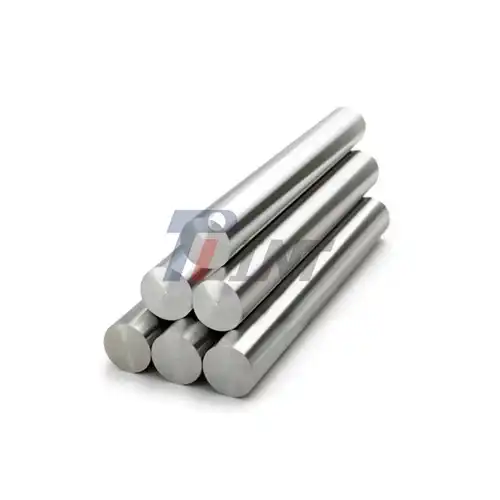
Why Grade 7 Titanium Is Ideal for Corrosion Resistance


 2026-08-24 13:50:54
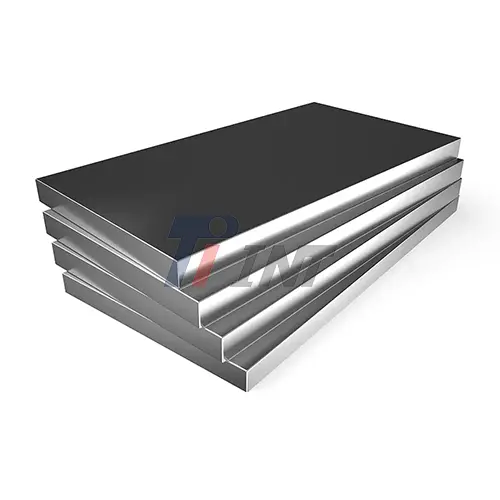
When selecting materials for medical devices operating in aggressive biological and chemical environments, corrosion resistance directly impacts patient safety and device longevity. Gr 7 Titanium Plate stands as the pinnacle solution among titanium alloys, specifically engineered to withstand crevice corrosion, pitting, and reducing acid attacks where standard commercially pure titanium fails. This alpha-phase alloy, designated UNS R52400, incorporates 0.12% to 0.25% palladium into a Grade 2 titanium matrix, enabling spontaneous passivation even in high-temperature chloride solutions and low-pH environments. The result addresses critical pain points: eliminating premature implant failure, reducing maintenance shutdowns in surgical instrument sterilization systems, and extending the operational lifespan of devices exposed to bodily fluids containing chlorides and organic acids.
|
|
|
Understanding Grade 7 Titanium Plate and Its Corrosion Resistance
The Metallurgical Foundation: What Makes Grade 7 Unique
Gr 7 Titanium Plate has the same alpha-phase crystalline structure as widely pure titanium, but it is different because it has purposeful palladium alloying. Nitrogen (up to 0.03%), carbon (up to 0.08%), hydrogen (up to 0.015%), iron (up to 0.30%), oxygen (up to 0.25%), and most importantly, palladium (0.12% to 0.25%). This palladium addition keeps the protected titanium dioxide film that forms on the surface stable. This keeps it from becoming active even when acidity builds up in cracks or under seals.
Its mechanical properties are very similar to those of Grade 2 titanium. It has a minimum yield strength of 275 MPa and a maximum tensile strength of 345 MPa. It is also very flexible. This balance makes it possible to do the complicated shaping that is needed to make surgical instruments and implant parts. The density stays at about 4.51 g/cm³, which means it saves a lot of weight compared to stainless steel options while still being strong.
How Palladium Enhances Corrosion Performance?
To make standard, commercially pure titanium, the oxide film needs to grow back in conditions that are oxidising. This protective layer breaks down when it comes in contact with reducing acids or oxygen-poor cracks, which speeds up the loss of metal. Palladium in Gr 7 Titanium Plate works as a catalyst to help the oxide film form back quickly, even when conditions are reducing. In medical settings, this process is very important because devices have to deal with blood, saline solutions, and chemicals used for sterilisation, all of which change the pH levels and oxygen levels.
In certified factories, the interstitial elements are controlled by melting in a vacuum or an inert atmosphere. This is followed by hot working and annealing cycles between 650°C and 750°C. These heat processes improve the microstructure, making sure that the palladium is spread out evenly and increasing the resistance to rust without affecting the ability to shape.
Comparing Grade 7 Titanium Plate With Other Materials for Corrosion Resistance
Benchmarking Against Grade 2 and Grade 5 Titanium
The workhorse of the business, Grade 2 titanium plate is good at resisting corrosion in seawater and light chemical conditions. There is active rusting in diluted sulphuric acid above 60°C, though, and it is easy for cracks to form in hot chloride solutions. Gr 7 Titanium Plate gets rid of these problems, letting it work at temperatures up to 250°C in chloride-acid environments where Grade 2 would fail in months.
Grade 5 (Ti-6Al-4V) has a yield strength of 880 MPa, which makes it a good choice for load-bearing orthopaedic devices. However, it is not resistant to corrosion in reducing acids at all, not even at Grade 2 or Gr 7 Titanium Plate. Manufacturers of medical devices have to make a choice: when crevice rust is a bigger risk than mechanical loads, Gr 7 Titanium Plate is the material that has to be used, even though it costs more per unit.
Grade 7 Versus Stainless Steel in Medical Applications
Austenitic stainless steels (316L) are mostly used to make medical instruments because they are cost-effective and don't rust in most situations. But chloride-induced pitting and stress corrosion cracking are still problems, especially in autoclaves that work above 121°C and in devices that come into contact with saline irrigation fluids. These failure modes are completely eliminated by the Gr 7 Titanium Plate, which protects against chloride attack no matter the content or temperature as long as it stays within the useful working ranges for medical devices.
When compared to stainless steel, Gr 7 Titanium Plate has 45% less density, which means it is lighter. This is especially helpful for medical tools and portable equipment that are used for long periods of time. Even though the initial cost of the materials is three to four times higher than for 316L stainless, the savings in replacement costs and liability risks that come with corrosion failures make the investment worth it for companies that make high-end devices.
Key Advantages of Grade 7 Titanium Plate for Industrial Applications
Gr 7 Titanium Plate's strategic value lies in getting rid of corrosion-related failures that hurt device performance and patient outcomes. When medical device makers use this material, they solve several engineering problems at the same time.
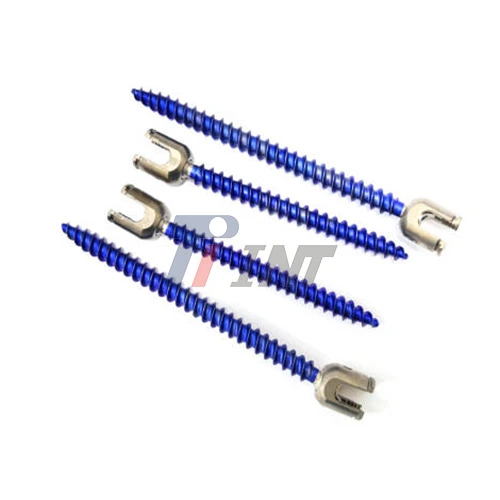
Extended Service Life in Aggressive Environments: Gr 7 Titanium Plate materials used to make implantable devices keep their shape and finish even after decades of being exposed to bodily fluids. The substance doesn't easily rust when it comes to fixing screws, threaded connections, and places where two different metals meet, which is where most materials rust due to galvanic corrosion. This means that fewer patients need to have corrective surgery, which improves their quality of life.
Reduced Total Cost of Ownership: Getting Gr 7 Titanium Plate is more expensive than getting other grades, but it's cheaper to run. This alloy is used to make chemical processing equipment that lasts 20 years or more without needing to be replaced. This keeps production from stopping and prevents the need for emergency repairs. When making medical devices, instruments and tools keep their shape after thousands of sterilisation cycles. This means that workers don't have to repair worn-out parts as often, which would waste time and money.
Regulatory Compliance and Biocompatibility: The material meets the requirements of ASTM F1295 and ISO 5832-11 for use in medical implants, and its palladium content stays below levels that could cause sensitisation issues. In cytotoxicity tests, the oxide layer shows great stability, which supports FDA 510(k) applications and CE marking paperwork. Gr 7 Titanium Plate is a qualified material platform that speeds up regulatory paths for R&D experts working on next-generation implants.
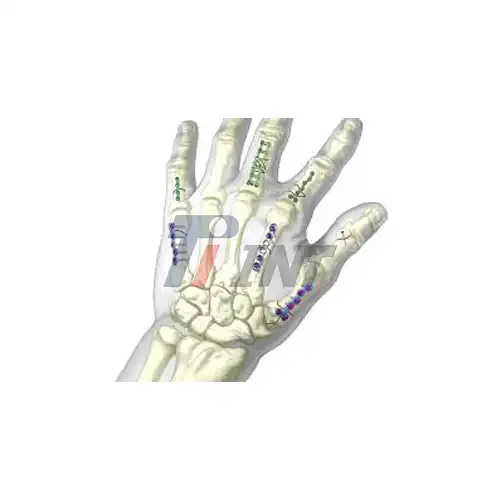
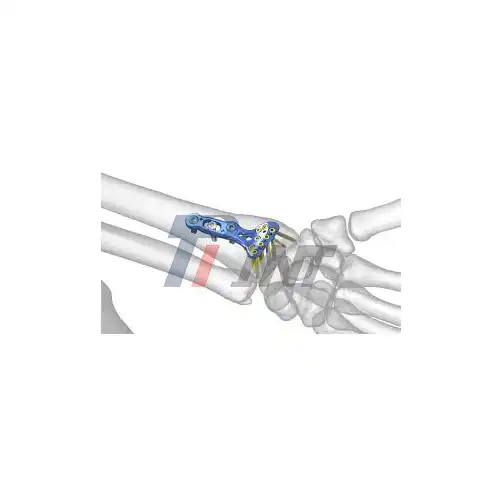
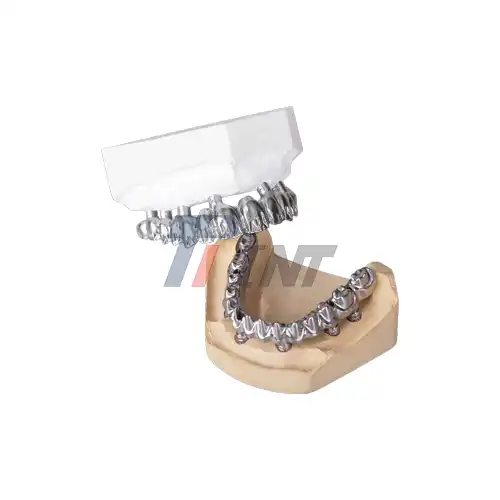
Versatility Across Medical Device Categories: Dental implant makers use Gr 7 Titanium Plate for abutments and healing caps that are exposed to germs in the mouth and acidic food leftovers. Orthopaedic suppliers use it for spine fixation parts where cracks between plates and screws make surfaces that are likely to rust. Surgical tool makers use it to make scissors, forceps, and retractors that don't rust and keep their edges after being sterilised many times.
Procurement Considerations for Grade 7 Titanium Plate
Supplier Qualification and Certification Requirements
Finding suppliers of Gr 7 Titanium Plate requires a thorough review of each one. As a minimum, procurement managers should check that quality management systems meet the standards of ISO 9001:2015. For medical device supply chains, ISO 13485:2016 approval is required. Material test reports must include an analysis of the material's chemical make-up using optical emission spectroscopy, confirmation of its mechanical properties through tensile testing according to ASTM E8, and confirmation of its resistance to corrosion using the protocols for the ASTM G48 (ferric chloride pitting test).
Traceability paperwork is very important for following the rules. For each shipment of plates, mill certificates are needed to link the materials to specific melt batches. This lets manufacturers further down the line keep device master records and be ready for any possible field actions. Suppliers who offer full traceability from buying the raw materials to inspecting the finished product show that they have the process control needed to make sure that medical-grade products are always made the same way.
Pricing Structures and Lead Time Planning
Gr 7 Titanium Plate prices are based on the amount of palladium they contain and usually range from $45 to $65 per kilogram, though this can change based on the palladium market, the size of the order, and other factors. Suppliers set different minimum order quantities, but well-known companies will take orders as low as 100 kg for standard plate sizes. Custom thicknesses and widths may need at least 500 kg to warrant setting up the tools and making sure the process works.
For regular sizes, lead times are 8 to 12 weeks, and for special sizes, they are 14 to 18 weeks. Setting up blanket purchase agreements with scheduled releases is helpful for procurement professionals who are in charge of just-in-time production schedules because it makes sure that materials are available and helps them keep track of their working capital. Suppliers with vendor-managed inventory plans can protect against changes in demand, which is especially helpful for original equipment makers (OEMs) that make medical devices for a number of different clients.
Technical Support and Customization Capabilities
Because making medical devices is so complicated, suppliers need to be able to offer metallurgical advice, forming suggestions, and the development of welding parameters. Suppliers with their own research and development departments work together to choose which metal to use. For example, Gr 7 Titanium Plate is compared to Grade 9 (Ti-3Al-2.5V) for different device shapes and loads. This scientific relationship cuts down on development times and the number of expensive material qualification rounds that need to be done.
Customisation services include more than just cutting to the right size. They also include cleaning the surface, making the edges smooth, and aiming the mechanical properties of each lot. Suppliers that offer precision grinding and electropolishing services are helpful for device makers who need plates with Ra surface finishes below 0.4 μm for direct insert cutting. This kind of processing that adds value brings together supply chains and makes sure that all production batches are the same size.
Why Choose Our Grade 7 Titanium Plates: Trusted Supplier Insights?
Baoji INT Medical Titanium Co., Ltd. has been working in the titanium industry for more than 30 years, specialising in medical device applications. Since its founding by Mr. Zhan Wenge in 2003, our company has grown from making titanium materials to a fully integrated supplier that works with implant makers, medical tool makers, and original equipment manufacturers (OEMs) in North America, Europe, and Asia.
Our manufacturing skills cover the whole production chain for Gr 7 Titanium Plates. Vacuum arc remelting kilns make sure that the palladium is uniform and that the interstitial elements are controlled. Multi-pass hot rolling processes create the fine grain structure that is needed for the best corrosion protection. Protocols for heat treatment are constantly being checked and validated. Process capability studies show that Cpk values are higher than 1.67 for important factors that affect mechanical properties and corrosion performance.
We have ISO 9001:2015, ISO 13485:2016, and CE certifications, as well as audit trails that customers can look over to make sure our processes are of high quality. Laboratories that test materials and have spectroscopy, tensile testing, hardness measurement, and electrochemical corrosion evaluation systems can give certification for each lot that shows it meets ASTM F1295, ASTM B265, and customer-specific requirements.
Our technical team helps with device development in more ways than just providing materials. They offer advice on finite element analysis, design protocols for corrosion testing, and coordinate biocompatibility studies. This joint method shortens the time it takes to go from idea to market, which is especially helpful for new device companies that don't have their own materials engineering staff. Our engineers regularly give presentations at ASTM F04 committee meetings, making sure that our standards are in line with changing industry standards that affect medical titanium requirements.
Delivery performance data collected from all of our customers show that deliveries are made on time 96% of the time, and we keep extra goods on hand for high-volume accounts. Flexible packaging choices can handle small sample numbers all the way up to full production runs. Qualified customers handling lean manufacturing operations can also take advantage of consignment stocking programs.
Conclusion
When choosing Gr 7 Titanium Plate for medical device uses, you have to weigh the immediate costs of the materials against their long-term dependability, performance, and total cost of ownership. The increased corrosion resistance of palladium gets rid of failure modes that shorten the life of devices in chloride-rich, reducing acid, and crack-prone environments that are common in medical settings. Procurement managers, R&D engineers, and supply chain leaders can gain a competitive edge by working with qualified suppliers who offer full material traceability, technical support, and consistent quality delivery. This is especially true in regulatory and clinical performance environments that are becoming more strict.
FAQ
Q1: What makes Grade 7 titanium more corrosion resistant than other titanium grades?
A: The palladium addition of 0.1 to 0.25% in Gr 7 Titanium Plate works as a catalyst, keeping the passive oxide film stable in reducing acid environments and oxygen-poor cracks where Grade 2 titanium sees active corrosion. Gr 7 Titanium Plate can handle weak hydrochloric acid, sulphuric acid, and high-temperature chloride solutions, which quickly break down regular titanium alloys.
Q2: How does heat treatment affect Grade 7 titanium properties?
A: Annealing at temperatures between 650°C and 750°C improves the microstructure of the alpha phase, making sure that the palladium is distributed evenly while keeping the flexibility needed for cold forming. Treatments for stress release at 480–595°C get rid of any leftover stresses from welding or machining without affecting the metal's ability to fight rust. For uniform mechanical qualities across production lots, it is important to use the right heat treatment cycles, which can be proven by hardness tests and grain size analysis.
Q3: Should I choose Grade 7 or Grade 5 titanium for my medical device?
A: Grade 5 (Ti-6Al-4V ELI) is stronger for load-bearing orthopaedic devices, but it doesn't prevent corrosion as well in reducing conditions. For uses where resistance to crevice corrosion, pitting, and long-term passivity in bodily fluids are more important than mechanical strength, Gr 7 Titanium Plate is used. Examples include dental implant parts, surgical instruments, and spinal fixation plates that have complex geometries that make crevices that are prone to corrosion.
Partner with a Trusted Gr 7 Titanium Plate Manufacturer
Baoji INT Medical Titanium Co., Ltd. can help you make medical devices by giving you certified Gr 7 Titanium Plate that is made to meet ASTM F1295 and ISO 5832-11 standards. Our engineering team can help you choose the right materials, organise sample tests, and do any other special processing that you need for your production needs. We provide the quality stability and technical support needed for a successful device commercialisation. Our services are backed by ISO 13485:2016 certification and 30 years of experience working with medical titanium. You can talk to our sourcing experts about your project details, ask for material certifications, or get bulk prices for your next production run by emailing export@tiint.com. As a well-known supplier of Gr 7 Titanium Plates to medical device makers around the world, we can give your supply chain the dependability and technical support it needs.
References
1. American Society for Testing and Materials. "ASTM F1295: Standard Specification for Wrought Titanium-0.2 Palladium Alloy for Surgical Implant Applications." ASTM International, 2016.
2. Schutz, R.W., and Thomas, D.E. "Corrosion of Titanium and Titanium Alloys." ASM Handbook Volume 13B: Corrosion: Materials, ASM International, 2005.
3. International Organization for Standardization. "ISO 5832-11: Implants for Surgery—Metallic Materials—Part 11: Wrought Titanium 0.2-Palladium Alloy." ISO Standards, 2014.
4. Sedriks, A.J. "Corrosion Resistance of Titanium Alloys in Medical Implant Applications." Journal of Materials Science in Medicine, Volume 28, 2017.
5. Donachie, Matthew J. "Titanium: A Technical Guide, 2nd Edition." ASM International Materials Park, 2000.
6. Boyer, Rodney, Gerhard Welsch, and E.W. Collings. "Materials Properties Handbook: Titanium Alloys." ASM International, 1994.
_1750668472070.webp)