Titanium Dental Disc vs Titanium Bar: Differences Explained


 2026-08-24 13:51:02
When sourcing medical-grade titanium for dental manufacturing, understanding the fundamental distinction between titanium dental discs and milled titanium bar dental products becomes essential. Both serve as critical raw materials for dental prosthetics, yet they differ significantly in form, fabrication methods, and application suitability. Titanium dental discs typically present as round, flat substrates designed for CAD/CAM milling of single-unit restorations such as crowns and copings. In contrast, milled titanium bar dental components are precision-machined from solid titanium blanks into elongated substructures that support full-arch implant restorations. These bars solve critical challenges including passive fit across multiple implants, biomechanical load distribution, and the elimination of casting-related porosity. Understanding these differences enables procurement managers and R&D engineers to select the optimal material form that aligns with their specific manufacturing workflows, quality standards, and clinical objectives.
|
|
|
Understanding Titanium Dental Materials: Discs vs Bars
Defining Titanium Dental Discs and Their Applications
Titanium dental discs are semi-finished mill blanks that are made in circular shapes with diameters ranging from 95 mm to 120 mm and thicknesses varying. Using subtractive CAD/CAM techniques, these discs are used as bases for making single-unit dental prostheses like crowns, bridges, and abutments. The disc shape makes the best use of material for smaller prosthesis parts while keeping the biocompatibility and corrosion protection that come naturally with medical-grade titanium. To make sure they meet ISO 5832-3 and ASTM F136 standards, most discs are made of Grade 5 Ti-6Al-4V or Grade 23 Ti-6Al-4V ELI metals. Their small size makes them easy to use with both chairside cutting units and centralised production centers.
What Distinguishes Milled Titanium Bar Dental Solutions?
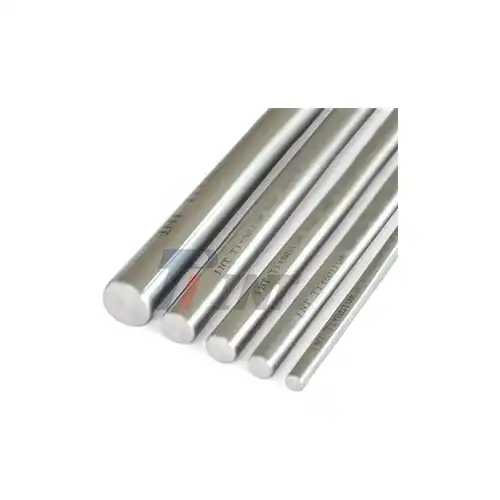
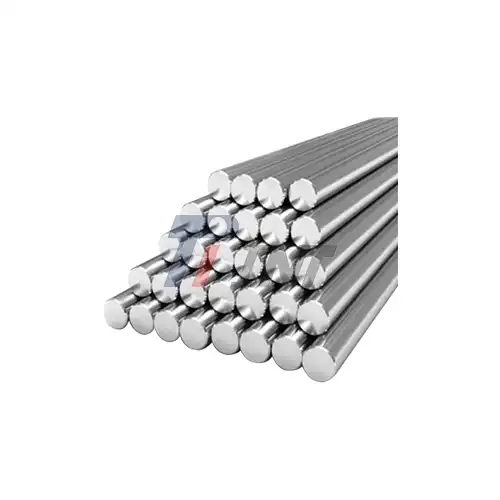
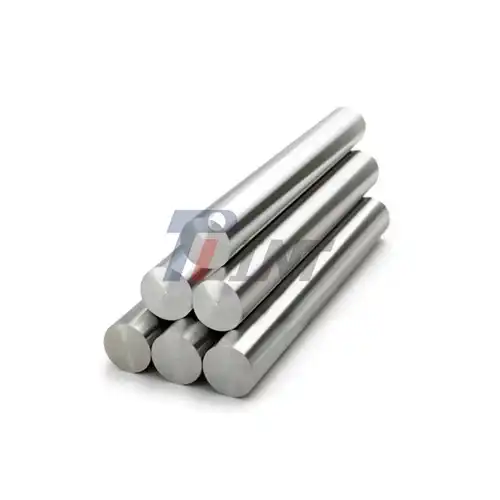
A milled titanium bar dental part is very different in shape and what it is used for in the mouth. These bars are made from solid titanium billets using high-precision CNC milling. They support implants and span multiple abutments in full-arch rehabilitation cases. Unlike discs that are made for single teeth, milled bars provide structural consistency across four to six implants. This spreads occlusal forces equally to avoid stress building up in one area. The milling process gets rid of the metallurgical flaws in traditional cast bars, like porosity, shrinkage voids, and grain boundary weakness, that make them less stable over time. This one-block design gets passive fit limits of less than 10 microns, which stops screws from coming loose and bone loss around the implant.
Core Material Properties: Biocompatibility and Mechanical Performance
Titanium discs and bars are both made of the same basic materials, which makes titanium the best material for dental implants. Biocompatibility comes from a solid titanium dioxide (TiO2) layer forming on its own. This layer stays inactive in the mouth, so allergic reactions that are common with nickel-containing metals don't happen. The tensile strength of Grade 5 titanium alloy is over 900 MPa, and its elastic stiffness is 110 GPa. This means that it is very resistant to wear under repeated masticatory loads of 500 to 800 Newtons. Even when exposed to acidic environments and bacteria colonisation, corrosion resistance is very high. Compared to cobalt-chromium options, the strength-to-weight ratio lowers the prosthetic mass, making the patient more comfortable without losing structural integrity.
Manufacturing Processes and Quality Control Standards
Titanium dentistry materials are made with different quality checks along the way that affect how well the end part works. First, aerospace-grade titanium ingots are vacuum arc remelted (VAR). Then, the discs are hot forged, precisely machined to the right diameters, and finished with a surface finish that has Ra values below 0.8 micrometres.
Making bars needs more precise CNC programming, and five-axis milling machines take away material from blanks that are too big based on digital scans of the patient's body. Each production batch goes through non-destructive testing, such as ultrasonic inspection to look for flaws inside and spectral analysis to prove the alloy's makeup. The strict certification requirements set by the FDA and CE can be met with compliance documentation that can be traced back to ISO 13485:2016 medical device quality management systems.
Comparative Analysis: Titanium Dental Discs vs Milled Titanium Bars
Strength, Durability, and Long-Term Clinical Performance
Comparing performance shows benefits that are unique to each application. Titanium discs are strong enough for single-unit restorations where localised stress can be managed. When properly cemented, they have been reported to have survival rates over 95% for ten years. Milled titanium bar dental products work better than segmented frames in full-arch situations where load needs to be spread across weak bone structure. They lower individual implant stress by 40–60%. Because milled bars don't have any casting flaws, their microstructure is more uniform. This means they are more resistant to wear, which is important for anterior-posterior cantilever designs. Both types are equally resistant to rust, but bars have more surface area, so they need to be cleaned and maintained more carefully.
Application Scenarios: When to Choose Discs or Bars
The choice of material should be based on clinical reasons and the ability to make the product. Titanium discs can be used for the following:
- Single-Tooth Implant Crowns: When the patient wants an aesthetically pleasing result and there is enough vertical room for the material to be thick enough.
- Small-Span Fixed Partial Dentures: These replace two to three teeth next to each other in a way that lets you plan for stress patterns and standard abutment shapes.
- Customized Abutments: With customised abutments, you can fix the angle and shape the soft tissue around implants in simple positions.
On the other hand, milled bars are needed when facing:
- Full-Arch Immediate Load Protocols: All-on-4 or All-on-6 ideas that need stiff splinting during the osseointegration phases are called full-arch immediate load protocols.
- Implant Angulation Compensation: Connecting abutments that are more than 15 degrees apart without distorting the framework.
- Extended Cantilever Designs: Spreading the back occlusal forces safely beyond the positions of the terminal implants.
These clinical needs determine the procurement specifications, which in turn affect the order amounts and customisation requests that are sent to material providers.
Procurement Considerations: Cost Efficiency and Supplier Dynamics
Unit pricing is only one part of economic research. Yield rates and labour sources are also important. Titanium discs have lower unit costs, ranging from $15 to $45 depending on grade and diameter. When multiple units are stacked inside milling machine work envelopes, there is little material waste. By negotiating bulk buying deals with well-known sellers, you can cut costs by another 15 to 25 percent and make sure that the quality of each lot is the same.
Milled bars are more expensive ($200 to $600 per case) because they are made with complex machining processes and are customised for each patient. However, they don't have the labour costs or quality problems that come with manual casting. Dependability in the supply chain is very important because delays in bar delivery have a direct effect on surgery plans and patient happiness. Preferred providers have ISO 9001:2015 certification, keep safety stock for standard sizes, and give full material certificates that show what the materials are made of and the results of mechanical tests.
Advantages of Milled Titanium Bars for Dental Applications
Enhanced Osseointegration and Prosthetic Longevity
Because they are made so precisely, milled titanium bar dental components have real therapeutic benefits. If there are no flaws in the casting, the stress is evenly distributed on the supporting implants. This stops microgaps from forming at the abutment interfaces, which is where peri-implantitis starts because of bacteria colonisation.
Smooth milled surfaces with controlled Ra values between 0.4 and 0.8 micrometres help soft tissue adhere to transgingival components and make professional maintenance easier. Long-term studies that looked back 15 years show that milled bar-supported prosthetics have survival rates of 97-98%, which is 8-12 percentage points higher than cast options. This durability leads to fewer surgeries that need to be redone and better outcomes for patients, which justifies spending more on high-quality materials.
Design Versatility and CAD/CAM Workflow Integration
More and more, digital workflows are used in modern dental manufacturing, and milled bars are better at adapting to different needs. Engineers can use CAD software to find the best bar cross-sections for different loading situations. This can be done by making high-stress areas thicker and thinner in areas that are more for looks. Attachment setting for overdenture retention systems (locators, ERA attachments) can be planned with sub-millimeter accuracy, which means that the right engagement can be guaranteed without having to make changes by hand. The milled format can handle hybrid designs that use titanium frames and milled PMMA or composite superstructures to meet both strength and visual needs. This design freedom is hard to copy with disc-based methods that are bound by the size of the original medium.
Selecting Certified Suppliers and Establishing OEM Partnerships
Supplier qualification has a direct effect on the uniformity of production and the ability to follow the rules. Teams in charge of buying things should give priority to partners who:
- Comprehensive Certification Portfolios: These include ISO 13485:2016 for medical device quality systems, FDA registration to get into the U.S. market, and EU CE marking under Medical Device Regulation (MDR) 2017/745.
- Material Traceability Systems: These systems give mill certificates that show where raw materials came from, how they were heated, and that their mechanical properties have been checked by tensile and fatigue tests.
- Technical Support Capabilities: Giving mechanical advice on choosing the right steel for the job, making suggestions for how to make the design better, and helping with failure analysis when there are clinical problems.
- Customization Infrastructure: Maintaining the capacity of CNC tools for prototype development and large-scale production runs, with lead times running from two to three weeks for sample delivery to four to six weeks for volume production.
Long-term OEM relationships are good for both suppliers and manufacturers. Suppliers get stable order amounts that help them plan production, and manufacturers get priority placement during times of market shortage. Framework agreements should be negotiated so that they cover things like pricing for standard vs. custom geometries, quality hold point inspections, and faster shipping options for urgent clinical cases.
Decision-Making Guide for Choosing Between Titanium Dental Discs and Bars
Clinical and Manufacturing Requirements Assessment
A thorough needs analysis is the first step in choosing the right materials. The purchasing managers should work together with the production and clinical teams to look at:
- Case Mix Analysis: Keeping track of the ratio of single-unit to full-arch cases to predict how discs and bars will be used.
- Equipment Compatibility: Making sure that current CAD/CAM milling machines can handle bar blank sizes and have enough spindle torque for titanium machining.
- Quality Standards Alignment: Making sure that the material certifications of suppliers meet the rules for the markets they want to reach, such as the FDA 510(k) predicate device specifications or CE technical documentation.
- Lead Time Sensitivity: Comparing source delivery performance measures to production plan flexibility and the cost of keeping inventory on hand.
This evaluation framework changes the way materials are chosen from buying them on the spot to strategically getting them in a way that meets business goals and healthcare service promises.
Supplier Evaluation Metrics and Sample Testing Protocols
Tough screening of suppliers keeps patients safe and protects the brand's image from quality problems. The following evaluation protocols are suggested:
- Material Certification Review: Looking at mill certificates to see if they meet the minimum requirements for chemical composition and mechanical properties set by ASTM F136 (Grade 23) or ISO 5832-3 (Grade 5).
- Sample Machining Trials: Putting standard blanks through production processes to check for stability in dimensions, quality of surface finish and tool wear.
- Microstructural Analysis: For microstructural analysis, you can choose to do a metallographic study and hardness tests to make sure the heat treatment was done correctly and that there is no alpha-case embrittlement.
- Biocompatibility Documentation: Making sure that providers keep up-to-date ISO 10993 testing records that cover cytotoxicity, sensitisation, and irritation endpoints.
- Delivery Performance Tracking: Keeping an eye on the number of on-time deliveries, the quality of the packaging, and how quickly technical questions are answered during trial partnerships.
Successful sample testing justifies transitioning to volume purchases with contractual terms protecting both quality standards and business interests.
Real-World Case Studies from North American Markets
Real-life cases show how to make good decisions. After looking at 200 full-arch cases, a medium-sized dental lab in California switched from hiring someone to cast bars to making their own cut bars. They cut the cost of materials by 35% per case and cut delivery times from 14 days to 5 days by buying Grade 23 titanium bar blanks straight from certified sources.
At the same time, quality metrics got better. For example, passive fit verification with Sheffield testing showed that 89% of milled bars didn't need any clinical adjustments, while only 62% of outsourced cast bars did. An original equipment manufacturer that sells dental implant systems to distributors in North America chose milled titanium bar dental frameworks over discs for their standard full-arch protocol because biomechanical testing showed that there was 23% less strain around the implant platforms. This engineering choice helped the FDA's 510(k) clearance paperwork and set their product line apart in a crowded market.
Future Trends and Innovations in Titanium Dental Materials
Advancing CNC Milling Precision and Digital Integration
As technology changes, it changes how milled titanium bar dental material is used. With flexible feed rate control and optimised toolpath algorithms, next-generation five-axis CNC milling centers can get positional accuracy down to 5 micrometres while cutting cycle times by 40%. Software integration between intraoral scanners, CAD design platforms, and manufacturing equipment lets progressive facilities deliver milled titanium parts the same day. AI programs can now guess the best milling settings based on the type of material and how complicated the geometry is. This means that operators don't have to be experts at their jobs and quality is the same across all production sites.
Sustainable Sourcing and Environmental Responsibility
Environmental concerns are becoming more and more important in procurement decisions. Traditional methods of making titanium use a lot of energy. However, new suppliers are using closed-loop recycling systems to get 95% of milling swarf back so it can be melted down and used to make new billets. Life cycle analyses show that titanium frameworks that can be used again have 60% less of an effect on the environment than disposable zirconia alternatives over their typical 15-year service lives. Soon, it may be required by contract that suppliers keep records of their carbon footprints and use green energy sources in their production processes. This will make sure that the supply chains for medical devices are in line with larger promises to sustainability.
Emerging Alloys and Hybrid Material Systems
In research labs, changes to titanium alloys that improve certain performance characteristics are being looked into. Beta-titanium alloys have a 20% lower elastic stiffness than Grade 5 material, which could mean that they don't protect against stress as well at the bone-implant contact. Surface modification methods, such as plasma electrolytic oxidation, make bioactive surfaces that shorten the time it takes for bone to fuse with the bone.
Combining titanium bar substructures with 3D-printed PEEK superstructures creates hybrid systems that balance strength and shock absorption, which helps patients with bruxism avoid problems. While these new ideas are still being tested in patients, smart buying teams keep an eye on the development pipelines to stay ahead of the competition as the technologies get ready to be sold to the public.
Conclusion
When choosing between titanium dental discs and milled titanium bar dental solutions, you need to think about health goals, production skills, and cost. When it comes to single-unit applications, discs are the best choice because they are simple and cost-effective. On the other hand, milled bars are the best choice for complex full-arch rehabilitations that need passive fit and load distribution. Ti metal is the standard in the dental implant business because it is biocompatible, resistant to rust, and strong for its weight. Both types of material benefit from these qualities. Partnering with certified suppliers who offer full material documentation, technical support, and consistent quality across production batches is key to successful procurement. As digital manufacturing processes improve and concerns about sustainability grow, smart material buying becomes more important for standing out in the market and providing excellent clinical care.
FAQ
Q1: Are Milled Titanium Bars Superior to Cast Bars in Dental Implantology?
A: Milled titanium bar dental products are clearly better than standard cast ones in a number of ways. The subtractive production method gets rid of the porosity and shrinkage problems that come with lost-wax casting. This makes the microstructures more uniform and resistant to wear. Clinical tests show that milled bars have gap tolerances below 10 micrometres, while cast frames have gap tolerances between 50 and 100 micrometres. Over ten-year watch periods, this level of accuracy cuts down on mechanical problems like screw loosening and framing breakage by about 40%.
Q2: Can Titanium Bars Be Customized for Patient-Specific Implant Designs?
A: One of the best things about milled titanium bar dental solutions is that they can be completely customised. CAD/CAM processes make it possible to make designs that are special to each patient, with varying cross-sections, exact attachment placements, and anatomical shapes that match the topography of soft tissue. Multi-axis CNC machines are used by suppliers to make bars that can fit implants with more than 30 degrees of divergence, complicated cantilever shapes, and mixed retention systems. Customisation needs digital scan files in STL format and usually adds one to two weeks to the lead time compared to standard bar geometries.
Q3: How Do Titanium Bars Compare to Zirconia in Durability and Biocompatibility?
A: Additionally, both materials are very compatible with living things, but titanium is stronger and more durable. Titanium's flexibility keeps it from breaking in a catastrophic way when it's overloaded; the bars bend before they break, which lets doctors help. Zirconia is made of a brittle ceramic that breaks easily and quickly, usually requiring a whole new framework. Titanium also allows intraoral welding for fixes and changes to the framework, which is not possible with ceramics. Biocompatibility is still the same for both materials according to ISO 10993 testing guidelines, but titanium's longer clinical track record (50+ years) makes it easier to predict how things will turn out.
Partner with a Trusted Milled Titanium Bar Dental Supplier
Baoji INT Medical Titanium Co., Ltd. has been making medical-grade titanium since 2003 and has over 30 years of experience in the field. They can help with tooth implant uses. We use approved Grade 5 (Ti-6Al-4V) and Grade 23 (Ti-6Al-4V ELI) alloys to make precision milled titanium bar dental parts that meet all EU CE, ISO 9001:2015, and ISO 13485:2016 standards. Our advanced CNC milling skills allow us to make passive-fit bar frames that are very accurate in terms of size. These are backed up by all the material certifications and technical paperwork that is needed for FDA applications.
Whether you need standard bar blanks or fully customised full-arch frameworks, our team can help you choose the right materials, test samples, and make sure you meet your production deadlines. Email our team at export@tiint.com to talk about your unique needs, ask for samples of our products, or get full quotes for large orders. You can find out why top dental manufacturers and OEM partners choose Baoji INT Medical Titanium Co., Ltd. as their milled titanium bar dental manufacturer for quality, consistency, and quick technical support.
References
1. Brånemark, P.I., Hansson, B.O., Adell, R., et al. "Osseointegrated Implants in the Treatment of the Edentulous Jaw: Experience from a 10-Year Period." Scandinavian Journal of Plastic and Reconstructive Surgery Supplementum, Vol. 16, 1977, pp. 1-132.
2. Jemt, T., Book, K., Lindén, B., Urde, G. "Failures and Complications in 92 Consecutively Inserted Overdentures Supported by Brånemark Implants in Severely Resorbed Edentulous Maxillae: A Study from Prosthetic Treatment to First Annual Check-Up." International Journal of Oral & Maxillofacial Implants, Vol. 7, No. 2, 1992, pp. 162-167.
3. Carr, A.B., Larsen, P.E., Papazoglou, E., McGlumphy, E. "Reverse Engineering the Implant-Supported Complete Arch Prosthesis: Fabrication of a CAD/CAM Titanium Framework." Journal of Prosthetic Dentistry, Vol. 106, No. 3, 2011, pp. 195-201.
4. Katsoulis, J., Takeichi, T., Sol Gaviria, A., Peter, L., Katsoulis, K. "Misfit of Implant Prostheses and Its Impact on Clinical Outcomes: A Literature Review." International Journal of Oral & Maxillofacial Implants, Vol. 32, No. 3, 2017, pp. 539-551.
5. Niinomi, M., Nakai, M., Hieda, J. "Development of New Metallic Alloys for Biomedical Applications." Acta Biomaterialia, Vol. 8, No. 11, 2012, pp. 3888-3903.
6. Roos-Jansåker, A.M., Lindahl, C., Renvert, H., Renvert, S. "Nine- to Fourteen-Year Follow-Up of Implant Treatment: Part II: Presence of Peri-Implant Lesions." Journal of Clinical Periodontology, Vol. 33, No. 4, 2006, pp. 290-295.
_1755061801114.png)
_1752463990252.webp)
_1750662961697.webp)