
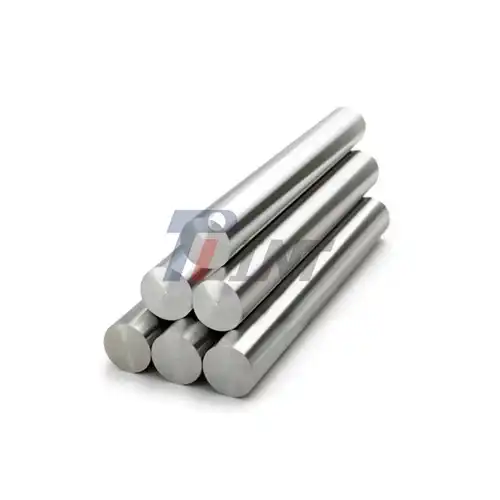
Titanium Plate Selection Guide for Industrial Applications


 2026-08-24 13:50:51
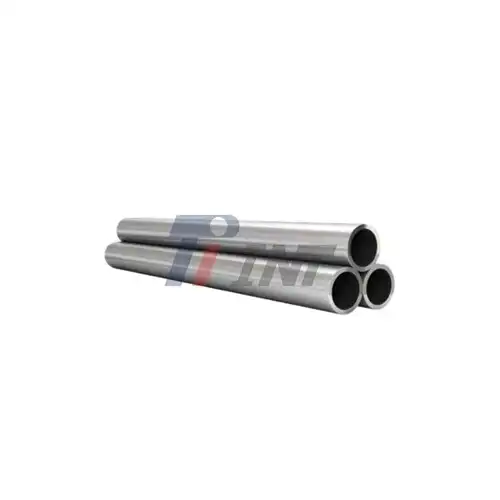
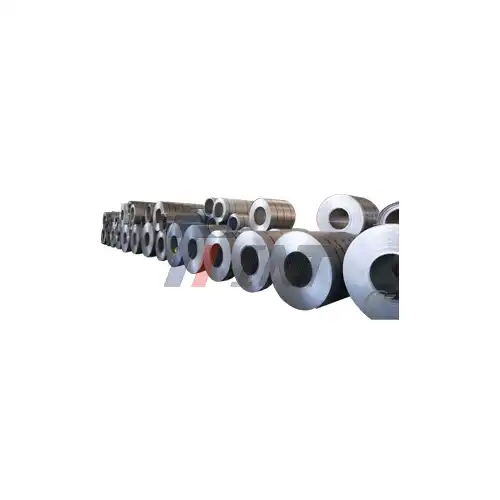
Selecting the appropriate titanium plate for industrial applications demands a comprehensive understanding of material grades, specifications, and performance characteristics. Grade 1 Titanium Plate stands out as the most formable and ductile option among commercially pure titanium variants, offering exceptional corrosion resistance in aggressive chemical environments. Its minimal interstitial element content makes it ideal for applications requiring deep drawing, cold forming, and complex geometries where fabrication flexibility outweighs the need for maximum tensile strength.
|
|
|
Understanding Grade 1 Titanium Plate: Specifications and Properties
Chemical Composition and Purity Standards
Grade 1 Titanium Plate, which is also known as UNS R50250 in international material classification systems, is the best form of unalloyed titanium that is offered for sale. The chemical makeup has very little oxygen (up to 0.18%), iron (up to 0.20%), and nitrogen (up to 0.03%), which has a direct effect on how it behaves mechanically. The managed amount of intermediate elements in the material keeps it in a stable alpha-phase structure at room temperature, which is one reason why it is so easy to shape.
During our decades of experience preparing materials, we have seen that keeping these strict chemical limits during production is very hard. Pay close attention to the purification process to make sure that the air doesn't get contaminated, because even small changes can affect how well the material bends and resists corrosion. This standard for purity sets Grade 1 Titanium Plate apart from other widely pure grades and makes it a good choice for difficult fabrication jobs.
Mechanical Properties and Performance Characteristics
The mechanical profile of Grade 1 Titanium Plate shows a careful compromise between how strong it is and how easy it is to work with. Tensile strength is usually between 35,000 and 45,000 psi (240 and 310 MPa), and yield strength is around 25,000 psi (170 MPa). The extension capacity hits 24–30% under normal testing conditions, showing a high level of ductility that allows for harsh cold working without the need for intermediate annealing processes.
Hardness values usually fall between 70 and 80 on the Rockwell scale, which means the material is fairly soft and doesn't wear down tools too quickly when it's being machined. The elastic modulus is about 15 million psi (103 GPa), which is stiff enough for structural uses while still being very good at reducing vibration in the material. Because of these features, the material is perfect for making pressure tanks, heat exchanges, and parts for medical devices that need to be formed in complicated ways.
Corrosion Resistance in Industrial Environments
Grade 1 Titanium Plate has a very high resistance to corrosion because it forms a stable, stick-to-surface titanium dioxide (TiO₂) passive film on its own. When this protective layer gets damaged, it grows back right away, keeping you safe in neutral, oxidising, and slightly reducing settings. The material is completely resistant to stress corrosion cracking caused by chloride, which is a way that stainless steel parts often break in chemical processing and naval uses.
Test results show that Grade 1 Titanium Plate doesn't rust (less than 0.0005 inches per year) in seawater, nitric acid solutions, and wet chlorine atmospheres at a variety of temperatures. Because of this, protective coats are not needed, and long-term upkeep costs are cut by a large amount. But the material is less resistant to non-oxidizing reducing acids like sulphuric or hydrochloric acid when they are present in large amounts and the right inhibitors are not present.
Comparing Grade 1 Titanium Plate with Other Materials and Grades
Grade 1 vs. Grade 2 Commercially Pure Titanium
When it comes to industrial purity, Grade 2 titanium is the most popular choice. It has a slightly higher oxygen content (up to 0.25%) than Grade 1 Titanium Plate. Because of this difference in composition, the tensile strength goes up to about 50,000 psi (345 MPa), which is about 40% more strength with almost no loss in formability. The yield strength also goes up to 40,000 psi (275 MPa), which makes Grade 2 better for structural uses where load-bearing capacity is more important than extreme ductility.
When balancing the need for strength against the difficulty of manufacturing, procurement managers often have to choose between these two grades. That being said, Grade 1 Titanium Plate is still the best choice for deep drawing, explosive bonding, or severe bending jobs because it doesn't crack when it deforms very much. On the other hand, Grade 2 is a better deal for structures that are welded together, flanges, and pipe systems where light shaping is enough and the extra strength supports slightly higher material costs.
Grade 1 vs. Grade 5 Titanium Alloy (Ti-6Al-4V)
Grade 5 titanium metal, which has 6% aluminium and 4% vanadium, has a much higher strength (at least 130,000 psi tension) because the alpha-beta phase structure can be changed. This workhorse aerospace alloy has a great strength-to-weight ratio, but it doesn't have the same corrosion resistance or cold formability as grades that aren't alloyed. The alloy needs to be welded in a controlled atmosphere, and it is often necessary to hot form it above 1500°F to keep it from cracking.
The price difference between Grade 1 Titanium Plate and Grade 5 is usually between 30 and 50 percent. This is because Grade 5 needs more complicated processing and has shorter supply lines. Choosing the right material depends on whether the job needs the highest specific strength (Grade 5) or corrosion resistance with complicated shapes (Grade 1 Titanium Plate). Companies that make medical devices often choose Grade 1 Titanium Plate for implantable parts that need to have complex forms, while Grade 5 is mostly used in aircraft for load-bearing structures.
Comparison with Stainless Steel and Aluminum Alternatives
316L stainless steel is compared to Grade 1 Titanium Plate, which is about 40% lighter and more resistant to rusting in chloride-containing settings. Stainless steel has a higher elastic modulus (28 million psi vs. 15 million psi) and lower material costs. Because of these trade-offs, titanium is better in situations where weight reduction, corrosion resistance, or biocompatibility make the higher price worth it. Titanium has a lower density (4.51 g/cm³ vs. 8.0 g/cm³ for stainless steel), which directly leads to better payloads in aircraft uses or lighter implants for patients.
Even though aluminium metals are lighter, they can't compare to titanium when it comes to resistance to rust, performance at high temperatures, or strength retention in harsh chemical environments. Galvanic corrosion and pitting can happen to aluminium in seawater, which is commonly seen in marine uses. Titanium, on the other hand, can keep its structure intact forever without any protective layers. Aluminium can't be used below 300°F for continuous service temperatures because of its thermal stability. Grade 1 Titanium Plate, on the other hand, can reliably work up to 600°F before oxidation rates speed up significantly.
How to Select and Procure Grade 1 Titanium Plate for Industrial Use?
Defining Application-Specific Requirements
To choose the right materials, you must first carefully describe the working conditions and the performance needs. Before defining the grade and size of a material, engineers have to figure out its highest stress levels, exposure temperatures, chemical concentrations, and needed service life. Grade 1 Titanium Plate works best in situations where it is constantly in contact with corrosive media, cyclic loading stays moderate, and a lot of cold working or welding is needed to make it.
An environmental assessment should find out about pH levels, conditions that make things oxidise or reduce, and possible contaminants that could affect how well the materials work together. In places with fluoride ions, hot, concentrated sulphuric acid, or reducing acids, Grade 7 titanium that has been alloyed with palladium may be needed instead of Grade 1 Titanium Plate that has not been alloyed. On the other hand, neutral salt solutions, oxidising acids, and contact to seawater at room temperature are the best conditions for Grade 1 Titanium Plate service, where the material gives the best value for money.
Customization Options and Specifications
Knowing about the technical side of buying materials helps you make better decisions. Some of the most important specs are the tolerances for thickness, the surface finish, and the expected correctness of the dimensions. Here are the main customisation factors that affect the procurement requirements:
Thickness Range: Grade 1 Titanium Plate is usually available from 0.020 inches to 2.0 inches thick, with mill tolerances changing based on thickness. Tolerances are tighter (±0.005 inches) for gauges less than 0.125 inches thick, while they can be as wide as 0.030 inches for bigger parts. Custom thickness needs often call for unique rolling campaigns that change wait times and minimum order sizes.
Surface Finish Options: A standard mill finish, pickled surfaces, and manually polished options meet a range of application needs. Pickled surfaces get rid of scale and provide constant chemical reaction. On the other hand, mechanically polished finishes are better for medical device uses that need to prove biocompatibility and have a smooth surface.
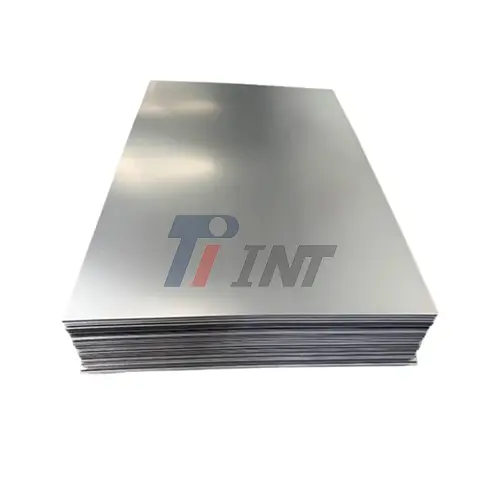
Dimensional Configurations: Plate sizes include normal 36x96-inch or 48x120-inch sheets, as well as blanks that are sheared to fit the shape of a particular part. Precision cutting services that use waterjet or laser technology cut down on waste and extra work that needs to be done during fabrication.
With these customisation options, buying teams can get the most out of the materials they use while also making sure that the specs exactly match the needs of the manufacturing process. Cutting down on material waste has a direct effect on the project's costs, especially since titanium is more expensive than other structural metals.
Evaluating Supplier Credentials and Certifications
Working with qualified providers who have the right certifications saves procurement investments and makes sure that rules are followed. ISO 9001:2015 certification shows basic quality management system implementation, and ISO 13485:2016 certification talks about unique standards for making medical devices. Suppliers who work with regulated industries should keep a lot of records that show how finished goods are linked to mill test reports for raw materials.
The paperwork for material certification must include a chemical composition analysis showing that it meets the requirements of ASTM B265, the results of mechanical property tests, and information on how to track back to a specific heat lot. When materials enter the supply chains of medical devices, they have to be registered with the FDA. This means that sellers have to keep up with change control and manufacturing practices that are in line with the rules. CE marking also shows that materials going to be used in medical devices in Europe are in line with European rules.
Over the course of our 20-year past, we've created strong quality control methods that have been proven by a lot of third-party audits. These systems make sure that every shipment of Grade 1 Titanium Plates comes with full certification packages that help with the approval of production processes and the submission of regulatory information. Choosing suppliers with a history of doing business in regulated industries cuts down on qualification times and procurement risk by a large amount.
Industrial Applications and Case Studies of Grade 1 Titanium Plate
Chemical Processing Equipment Manufacturing
A lot of reaction vessels, heat exchanges, and storage tanks that handle toxic chemicals are made from Grade 1 Titanium Plate. Because the material doesn't crack under chloride stress corrosion, it can be used reliably in places where stainless steel parts would normally break early. Facilities that make diluted nitric acid, chlor-alkali, and organic chemicals often choose Grade 1 Titanium Plate for equipment that needs to last a long time without needing expensive maintenance.
In an important application, Grade 1 Titanium Plate heat exchanger tubes were used instead of 316L stainless steel ones in a sulphuric acid reduction unit. Within 18 months, the first stainless steel system developed crevice rust under the gasket surfaces, which meant it had to be shut down and replaced without warning. By switching to titanium, failures caused by corrosion were completely removed. This extended the service life beyond 15 years and cut upkeep costs by 70%, even though the starting cost of the materials was higher.
Marine and Offshore Infrastructure
When it comes to rust, seawater conditions are very tough, but titanium can handle them all. Grade 1 Titanium Plate is used to make parts for desalination plants, pipe systems for offshore platforms, and holes in the hulls of submarines. In these situations, the trustworthiness of the material directly affects operating safety. The complete resistance to biofouling attachment, unlike copper-nickel alloys that need harmful antifouling coatings, gives environmental compliance benefits as well.
Medical Device Component Production
Grade 1 Titanium Plate is used by companies that make medical devices to make surgical instrument housings, sterilisation trays, and non-load-bearing implant parts. The material is very biocompatible (tested using ISO 10993 guidelines) and very easy to shape, which lets it make parts with complex geometries that would not be possible with stronger titanium alloys. The ability to sterilise using autoclave, ethylene oxide, and gamma radiation all at the same time gives you more working options without changing the properties of the material.
Best Practices and Tips for Maximizing Grade 1 Titanium Plate Performance
Proper Storage and Handling Protocols
Keeping the purity of the material while it is being stored stops contamination that lowers the quality of the production and the resistance to corrosion. Grade 1 Titanium Plates should be kept in clean, dry places with protective interleaving paper on top to keep the surface from getting scratched. It is important to stay away from direct touch with carbon steel surfaces because iron particles embedded in them cause galvanic corrosion cells that start localised cracking during service.
To keep the surface from getting dirty, handling methods should use non-metallic slings or lifting tools made of aluminium. When workers touch areas that will be welded, they must wear clean cotton gloves because skin oils and chloride salts from sweating can contaminate the joint. When storing plates, racks should have enough support to keep the plates from warping under their own weight, especially for gauges that are less than 0.125 inches thick.
Machining and Fabrication Techniques
To machine titanium well, you need to know about its unique properties, such as its low heat conductivity and high chemical reaction at high temperatures. Work hardening is kept to a minimum with sharp cutting tools and positive rake angles, and thermal damage is avoided by using a lot of coolant. For best tool life, cutting speeds should stay 50–60% slower than similar operations in stainless steel when carbide or polycrystalline diamond tools are used.
Grade 1 Titanium Plate is very flexible, so it can be bent into shapes as small as 1T (one times the width of the material) without cracking when bending across the direction of rolling. For springback traits to work, the bend must be overdone by 5 to 10 percent beyond the final angle that is wanted. The exact compensation must be found by trial bending. When GTAW (TIG) or PAW methods are used for welding, argon shielding keeps the weld face and root side clean from airborne contaminants that weaken the metal.
Maintenance and Inspection Guidelines
During routine inspections, look for damage to the surface, contamination, or changes in colour that don't make sense and could mean there are problems with the way the system is working. Titanium's passive oxide film naturally repairs itself in oxidising settings and doesn't need much care other than being cleaned with mild cleansers every so often. Cleaning products with hydrofluoric acid or fluoride compounds should not be used because they damage the protective oxide layer on titanium.
Conclusion
When choosing Grade 1 Titanium Plate for industrial uses, you have to weigh the properties of the material against the needs of the job and the cost. This material has the best corrosion resistance, shapeability, and biocompatibility of any that has been tested. It is ideal for making chemical processing equipment, marine infrastructure, and medical devices. Procurement experts can get the most out of materials by knowing their compositional specs, mechanical properties, and the right way to put them together. This helps them keep costs down over their lifetime by reducing the need for upkeep and making them last longer.
FAQ
Q1: How does Grade 1 titanium plate compare to stainless steel in corrosive environments?
A: Grade 1 Titanium Plate is completely resistant to cracking and pitting rust caused by chloride in saltwater, which is a setting where 316L stainless steel often fails. The titanium dioxide passive film that heals itself provides long-lasting protection without the need for protective coatings. This means that maintenance costs are much lower, even though the initial material investment was higher. Stainless steel is cheaper than other materials when it is used in slightly acidic situations because it works well enough to justify the lower cost.
Q2: What lead times should be expected when ordering Grade 1 titanium plate in bulk quantities?
A: Standard mill sizes in common thicknesses usually ship within 4 to 6 weeks from reputable suppliers who keep stock on hand. Depending on mill rolling schedules and minimum order quantities, lead times may go up to 10 to 14 weeks if you need a custom thickness or dimensions that aren't standard. For pressing needs, there are choices for faster processing, but they cost more. Planning the buying processes around these dates keeps production from being held up.
Q3: Can Grade 1 titanium plate be welded to other titanium grades or dissimilar metals?
A: If you choose the right filler metal, Grade 1 Titanium Plate can be easily welded to other commercially pure titanium grades (Grades 2, 3, and 4) and titanium alloys, even Grade 5. When riveting different metals together, like stainless steel or nickel alloys, you need to use transition joints or explosive bonding methods to keep the intermetallic from becoming rigid. Expertise is needed to make sure that the weld stays strong when joining different types of materials in complicated assemblies.
Partner with Baoji INT Medical Titanium Co., Ltd. for Superior Material Solutions
For more than 30 years, Baoji INT Medical Titanium Co., Ltd. has been a top maker of Grade 1 Titanium Plate for the medical device and industry sectors. Our factories are ISO 9001:2015 and ISO 13485:2016 certified, and the materials they make meet the strictest government standards. They also provide full traceability documentation and technical support. We keep a large inventory of products with a wide range of specifications, so we can quickly fill both small prototype orders and large production orders while always ensuring quality.
During the whole process of choosing materials and buying them, our engineering team works directly with clients and offers custom solutions that solve problems that only that application can have. Whether you require precisely cut blanks, specialised surface finishes, or expert advice on the best ways to make something, our wide range of services will improve your supply chain and make sure that the materials work at their best. Get in touch with us right away at export@tiint.com to talk about your specific needs and get detailed quotes with competitive prices for large orders.
References
1. American Society for Testing and Materials. (2021). "ASTM B265: Standard Specification for Titanium and Titanium Alloy Strip, Sheet, and Plate." ASTM International, West Conshohocken, Pennsylvania.
2. Boyer, R., Welsch, G., and Collings, E.W. (1994). "Materials Properties Handbook: Titanium Alloys." ASM International, Materials Park, Ohio.
3. Donachie, Matthew J. (2000). "Titanium: A Technical Guide, 2nd Edition." ASM International, Materials Park, Ohio.
4. Schutz, R.W. and Watkins, H.B. (1998). "Recent Developments in Titanium Alloy Application in the Energy Industry." Materials Science and Engineering A, Volume 243, Issues 1-2, Pages 305-315.
5. International Organization for Standardization. (2016). "ISO 13485: Medical Devices - Quality Management Systems - Requirements for Regulatory Purposes." ISO, Geneva, Switzerland.
6. Sedriks, A.J. (1996). "Corrosion of Stainless Steels, 2nd Edition." John Wiley & Sons, New York, comparing performance with titanium in marine environments.
_1755061331871.png)
_1751956094730.webp)
_1750663253486.webp)
_1750662309903.webp)
_1749195818446.webp)