
Why Titanium Plates Are the Best Choice for Wrist Fracture Repairs?


 2025-12-26 09:37:10
Wrist fractures are common injuries that can significantly impact a person's daily life. When it comes to treating these fractures, medical professionals often turn to titanium plates as their preferred choice for internal fixation. In this comprehensive guide, we'll explore why titanium plate for wrist fracture has become the gold standard for wrist fracture repairs and how they contribute to better patient outcomes.
|
|
|
The Advantages of Titanium in Orthopedic Surgery
Titanium has revolutionized the field of orthopedic surgery, particularly in the treatment of wrist fractures. This remarkable metal possesses a unique combination of properties that make it ideal for medical implants. Its biocompatibility ensures that the body doesn't reject the implant, reducing the risk of complications. Moreover, titanium's high strength-to-weight ratio allows for robust support without adding unnecessary bulk to the surgical site.
When considering titanium plates for wrist fractures, their durability is a key factor. These plates are designed to endure the stresses of daily activities and intense physical activities. This strength is especially important for patients with active lifestyles or those in physically demanding jobs, ensuring that the plates can provide long-lasting support and stability throughout recovery, even under pressure from regular movement or heavy exertion.
Another noteworthy advantage of titanium is its corrosion resistance. Unlike some other metals used in medical implants, titanium doesn't degrade over time when exposed to bodily fluids. This characteristic ensures the longevity of the implant and minimizes the need for revision surgeries due to material failure.
The osseointegration capabilities of titanium further solidify its position as the premier choice for wrist fracture repairs. Osseointegration refers to the direct structural and functional connection between living bone tissue and the surface of the implant. Titanium's ability to foster this bone-implant interface leads to stronger, more stable repairs that can withstand the test of time.
The Role of Titanium Plates in Wrist Fracture Recovery
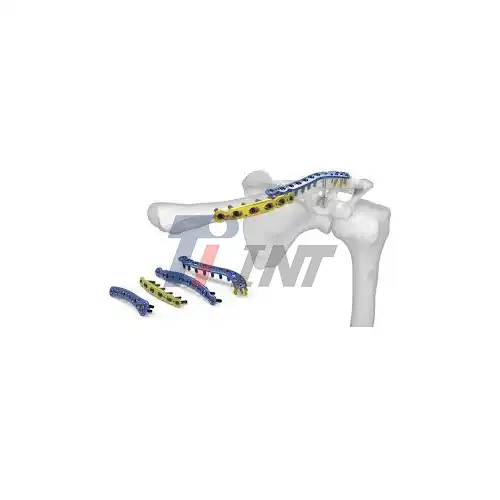
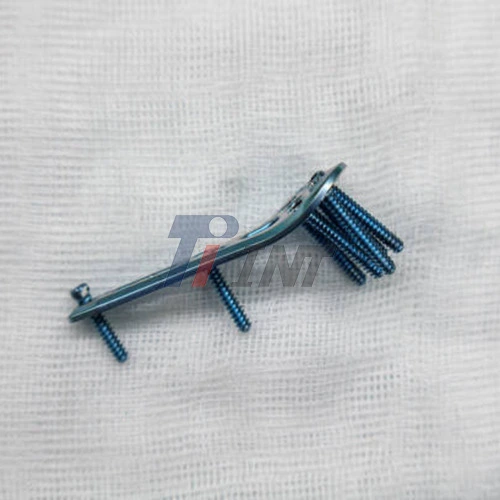
Titanium plate for wrist fracture plays a pivotal role in the recovery process following a wrist fracture. These plates serve as a scaffold, holding the fractured bones in proper alignment while the body's natural healing processes take place. The precision with which surgeons can apply titanium plates for wrist fractures allows for optimal bone positioning, which is crucial for restoring full function to the joint.
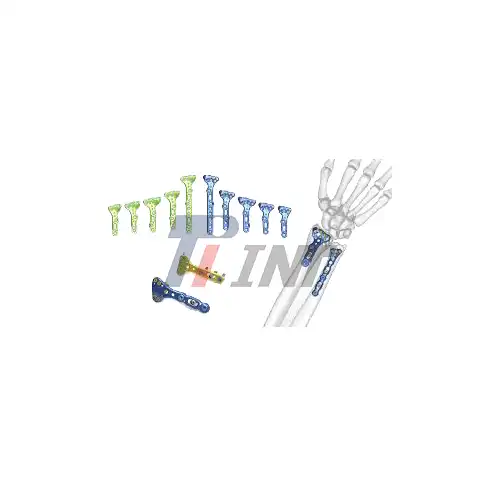
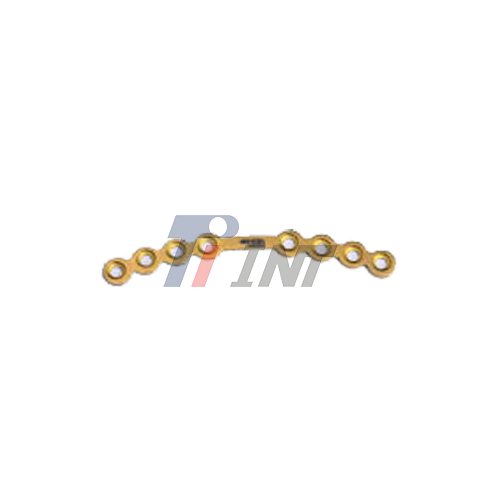
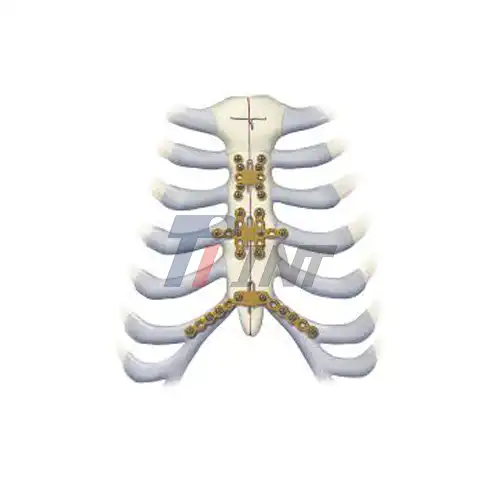
The flexibility of titanium plate designs is another aspect that contributes to their effectiveness in wrist fracture repairs. Manufacturers can create plates with various shapes and sizes to accommodate different types of fractures and patient anatomies. This versatility ensures that surgeons can choose the most appropriate plate for each unique case, leading to better surgical outcomes.
One of the key benefits of using a titanium plate for wrist fracture is the early mobilization it allows. Traditional treatment methods often required prolonged immobilization, which could lead to stiffness and reduced range of motion. With titanium plates, patients can often begin gentle movements and rehabilitation exercises sooner, promoting faster recovery and reducing the risk of long-term complications.
The low profile of modern titanium plate for wrist fracture is another advantage worth mentioning. These plates are designed to sit close to the bone surface, minimizing soft tissue irritation and reducing the likelihood of the implant being felt or seen under the skin. This design consideration not only improves patient comfort but also contributes to better aesthetic outcomes.
Long-Term Outcomes and Patient Satisfaction
When evaluating the success of any medical intervention, long-term outcomes and patient satisfaction are paramount. In the case of titanium plates for wrist fractures, the results have been overwhelmingly positive. Numerous studies have demonstrated high rates of fracture union and return to function following titanium plate fixation.
Patients who receive titanium plate fixation for wrist fractures often report high levels of satisfaction with their treatment. The stability provided by the plates allows for a quicker return to daily activities, which can have a significant positive impact on quality of life. Additionally, the reduced risk of complications associated with titanium implants contributes to peace of mind for both patients and healthcare providers.
It's worth noting that while titanium plates for wrist fracture are generally considered permanent implants, they can be removed if necessary. This is particularly beneficial in cases where the plate may cause discomfort or interfere with joint function after the fracture has fully healed. The option for removal provides flexibility in long-term patient care and management.
The longevity of titanium plates is another factor that contributes to their superiority in wrist fracture repairs. These implants have been shown to maintain their integrity and function for many years, often lasting the patient's lifetime without need for replacement. This durability not only ensures continued stability of the healed fracture but also reduces the need for future surgeries.
Conclusion
In conclusion, titanium plates have emerged as the preeminent choice for wrist fracture repairs due to their unparalleled combination of strength, biocompatibility, and long-term performance. As medical technology continues to advance, we can expect further refinements in titanium plate design and application, potentially leading to even better outcomes for patients with wrist fractures.
For those interested in learning more about medical titanium products, including titanium plate for wrist fractures, Baoji INT Medical Titanium Co., Ltd. offers a comprehensive range of high-quality titanium materials. With over 30 years of experience in research, development, and production, INT has established itself as a leader in the medical titanium industry. To explore their product offerings or discuss your specific needs, you can reach out to them at export@tiint.com.
References
1. Berger RA, Weiss AP. Hand Surgery. Lippincott Williams & Wilkins; 2004.
2. Orbay JL, Fernandez DL. Volar fixed-angle plate fixation for unstable distal radius fractures in the elderly patient. J Hand Surg Am. 2004;29(1):96-102.
3. Rozental TD, Blazar PE. Functional outcome and complications after volar plating for dorsally displaced, unstable fractures of the distal radius. J Hand Surg Am. 2006;31(3):359-365.
4. Chung KC, Watt AJ, Kotsis SV, Margaliot Z, Haase SC, Kim HM. Treatment of unstable distal radial fractures with the volar locking plating system. J Bone Joint Surg Am. 2006;88(12):2687-2694.
5. Niinomi M. Mechanical biocompatibilities of titanium alloys for biomedical applications. J Mech Behav Biomed Mater. 2008;1(1):30-42.