

Recovery and Care for Brain Surgery with a Titanium Plate


 2025-12-29 08:58:32
Brain surgery is a complex and delicate procedure that often requires the use of specialized materials to aid in recovery and protect the brain. One such material is titanium, which is commonly used to create plates that help stabilize the skull after surgery. This article will explore the recovery process and care guidelines for patients who have undergone brain surgery involving a titanium plate head after brain surgery.
|
|
|

Grasping Titanium Plates in Brain Surgery
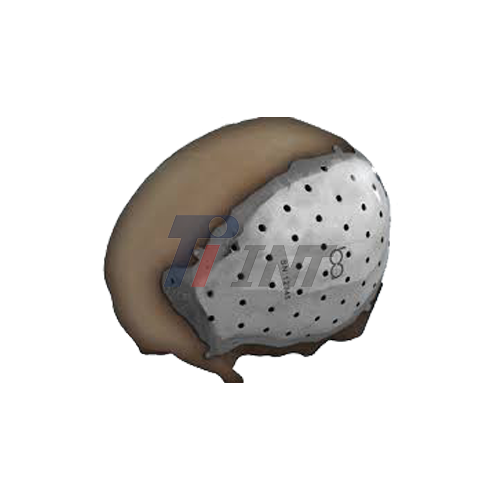
Titanium plates play a crucial role in the recovery process following certain types of brain surgery. These plates are used to reconstruct and stabilize the skull, providing protection for the brain and facilitating proper healing. The use of titanium in medical implants has revolutionized the field of neurosurgery, offering numerous benefits to patients and surgeons alike.
Titanium is an ideal material for cranial implants due to its unique properties:
- Biocompatibility: Titanium is well-tolerated by the human body, reducing the risk of rejection or adverse reactions.
- Durability: The strength and longevity of titanium ensure that the plate will provide long-term support and protection.
- Lightweight: Despite its strength, titanium is remarkably light, minimizing additional stress on the patient's head.
- Corrosion-resistant: Titanium resists degradation, maintaining its integrity over time.
- MRI-compatible: Unlike some metals, titanium does not interfere with magnetic resonance imaging, allowing for future diagnostic procedures.
The process of inserting a titanium plate head after brain surgery involves carefully shaping and fitting the plate to the patient's skull. This customization ensures optimal support and aesthetic results. The plate is then secured using titanium screws, creating a stable framework for the skull to heal around.
Immediate Post-Operative Care and Recovery
The period immediately following brain surgery with a titanium plate is critical for proper healing and recovery. Patients typically spend several days in the hospital under close medical supervision. During this time, healthcare professionals monitor vital signs, manage pain, and watch for any signs of complications.
Key aspects of immediate post-operative care include:
- Pain management: Medications are administered to control pain and discomfort associated with the surgery.
- Wound care: The surgical site is carefully monitored and kept clean to prevent infection.
- Neurological assessments: Regular checks are performed to ensure brain function is not compromised.
- Swelling control: Measures are taken to reduce swelling around the surgical site, which may include elevation of the head and ice packs.
- Nutrition and hydration: Proper intake of fluids and nutrients is essential for healing and recovery.
As the patient's condition stabilizes, they are gradually encouraged to become more mobile. This process, known as early mobilization, helps prevent complications such as blood clots and muscle weakness. Physical therapists may work with patients to improve balance and coordination, which can be affected by brain surgery. It's important to note that the presence of a titanium plate does not typically require additional specific care during this initial recovery period. The plate is designed to integrate seamlessly with the body's natural healing processes.
Long-Term Recovery and Lifestyle Adjustments
Recovery from brain surgery is a gradual process that extends well beyond the hospital stay. Patients with a titanium plate head after brain surgery may need to make certain lifestyle adjustments to ensure optimal healing and protect their cranial implant.
Long-term recovery considerations include:
- Follow-up appointments: Regular check-ups with the neurosurgeon are essential to monitor healing and address any concerns.
- Medication management: Some patients may need to continue taking medications, such as anti-seizure drugs or pain relievers.
- Physical activity restrictions: Patients are typically advised to avoid strenuous activities or contact sports that could potentially impact the surgical site.
- Cognitive rehabilitation: Depending on the nature of the surgery, some patients may benefit from cognitive therapy to address any changes in memory, attention, or other cognitive functions.
- Emotional support: The psychological impact of brain surgery can be significant, and patients may benefit from counseling or support groups.
While the titanium plate head after brain surgery itself does not require specific maintenance, patients should be aware of certain precautions:
- Airport security: Inform security personnel about the titanium plate, as it may trigger metal detectors.
- MRI scans: While titanium is MRI-compatible, always inform healthcare providers about the implant before any imaging procedures.
- Temperature sensitivity: Some patients may experience increased sensitivity to extreme temperatures in the area of the plate.
- Trauma prevention: Take care to avoid direct impacts to the head, as the area around the plate may be more vulnerable to injury.
It's important to remember that each patient's recovery journey is unique. Some individuals may return to their normal activities within a few weeks, while others may require months of rehabilitation. Patience and adherence to medical advice are key factors in achieving the best possible outcome. The use of high-quality titanium materials in cranial plates significantly contributes to successful outcomes in brain surgery. Companies like Baoji INT Medical Titanium Co., Ltd. play a crucial role in providing the medical-grade titanium necessary for these life-changing procedures. Their commitment to quality and innovation in titanium production ensures that surgeons have access to the best materials for their patients.
Conclusion
Recovery and care following titanium plate head after brain surgery require a multifaceted approach that addresses both physical and emotional aspects of healing. The integration of advanced materials like medical-grade titanium has greatly improved outcomes for patients undergoing these complex procedures. As research in neurosurgery and materials science continues to advance, we can expect further improvements in the design and application of cranial implants. These advancements will likely lead to even better recovery experiences and outcomes for patients in the future.
For those interested in learning more about medical titanium products used in neurosurgery and other medical applications, Baoji INT Medical Titanium Co., Ltd. is a valuable resource. Their expertise in titanium material production ensures that medical professionals have access to high-quality materials for critical procedures. For more information, please contact them at export@tiint.com.
References
1. Wenz, L. M., et al. (1990). In vivo behavior of titanium and its alloys. Biomaterials, 11(8), 509-513.
2. Kshettry, V. R., et al. (2014). Cranioplasty after craniectomy: an institutional audit and analysis of factors related to complications. Journal of Neurosurgery, 121(6), 1453-1460.
3. Zanotti, B., et al. (2016). Cranioplasty: Review of Materials. Journal of Craniofacial Surgery, 27(8), 2061-2072.
4. Cabraja, M., et al. (2009). Long-term results following titanium cranioplasty of large skull defects. Neurosurgical Focus, 26(6), E10.
5. Honeybul, S., & Ho, K. M. (2016). How "successful" is calvarial reconstruction using frozen autologous bone? Plastic and Reconstructive Surgery, 137(1), 192-201.
_1772162494331.jpg)
_1755062427525.png)
_1753426579714.webp)
_1752463324629.webp)
_1752462890412.webp)
_1750209732185.webp)