
What Is the Role of Titanium Plates in Hand Surgery for Bone Stabilization?


 2025-12-26 08:47:55
Hand injuries and conditions often require surgical intervention to restore function and alleviate pain. Among the various techniques employed in hand surgery, the use of titanium plates for bone stabilization has emerged as a crucial advancement. These innovative medical devices play a pivotal role in facilitating proper healing and restoring hand functionality. In this comprehensive exploration, we'll delve into the significance of titanium plate hand surgery, their benefits, and the intricate process of their application.
|
|
|

The Fundamentals of Titanium Plates in Hand Surgery
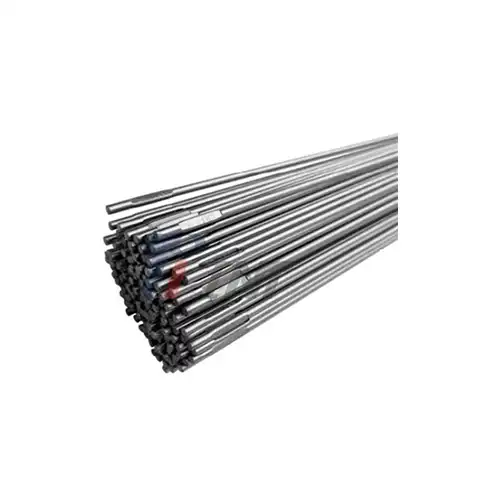
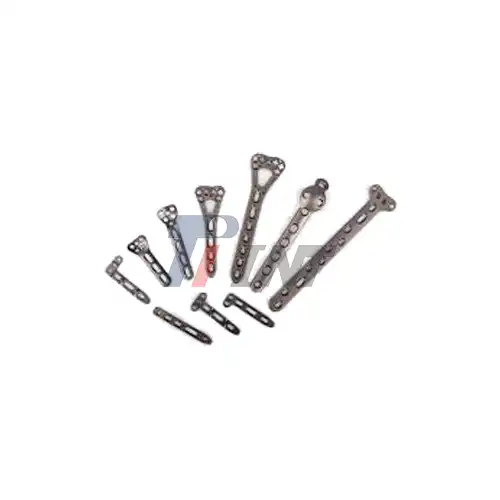
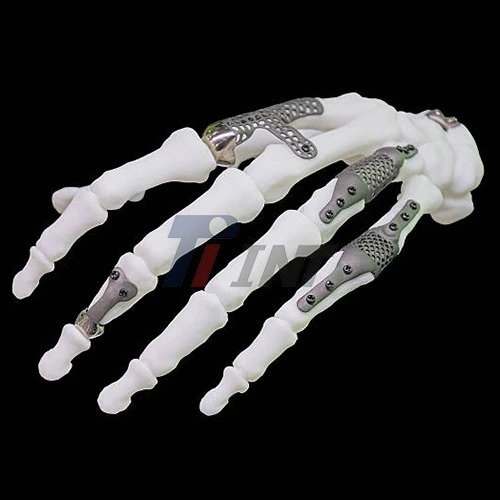
Titanium plates are biocompatible implants used to stabilize fractured or surgically altered bones in the hand. These plates serve as internal splints, holding bone fragments in their correct anatomical position during the healing process. The use of titanium in medical implants has revolutionized orthopedic surgery due to its exceptional properties.
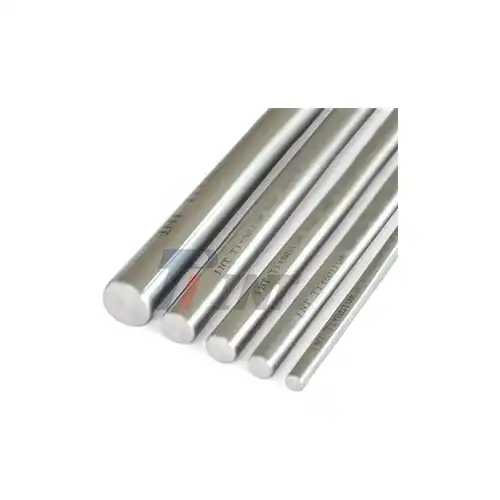
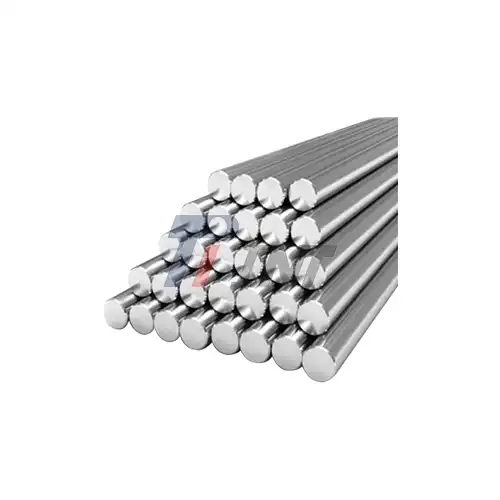
Titanium's remarkable strength-to-weight ratio makes it an ideal material for hand surgery applications. It provides robust support without adding significant bulk, which is crucial in the intricate anatomy of the hand. Moreover, titanium's biocompatibility minimizes the risk of adverse reactions, allowing for long-term implantation with reduced complications.
The versatility of titanium plates in hand surgery is notable. They can be used to address various hand conditions, including:
- Fractures of the metacarpal and phalangeal bones
- Corrective osteotomies for deformities
- Arthrodesis procedures for joint stabilization
- Reconstructive surgeries following trauma or tumor resection
The Surgical Process and Application of Titanium Plates
The implementation of titanium plate hand surgery is a meticulous process that requires precision and expertise. Surgeons must carefully consider factors such as plate size, shape, and placement to ensure optimal stabilization and healing.
The surgical procedure typically involves the following steps:
- Preoperative planning: Surgeons assess the injury or condition through imaging studies and determine the appropriate titanium plate configuration.
- Incision and exposure: The affected area of the hand is exposed through careful dissection, taking care to preserve vital structures such as nerves and blood vessels.
- Bone preparation: The fractured or surgically altered bone is realigned to its correct anatomical position.
- Plate application: The titanium plate is carefully positioned and secured to the bone using specialized screws.
- Soft tissue closure: The surrounding soft tissues are meticulously repaired, and the incision is closed.
The precision required in this process underscores the importance of surgeon expertise and the quality of the titanium plates used. High-quality medical-grade titanium, such as that produced by Baoji INT Medical Titanium Co., Ltd., ensures the reliability and longevity of the implant. Advancements in plate design have led to the development of low-profile titanium plates that minimize soft tissue irritation while maintaining structural integrity. These innovations have further improved patient comfort and reduced the likelihood of complications such as tendon adhesions or restricted joint mobility.
Benefits and Considerations of Titanium Plates in Hand Surgery
The adoption of titanium plate hand surgery offers numerous advantages over traditional methods of bone stabilization. Some key benefits include:
- Enhanced stability: Titanium plates provide rigid fixation, allowing for early mobilization and potentially faster rehabilitation.
- Reduced risk of infection: Titanium's biocompatibility and resistance to corrosion minimize the risk of postoperative infections.
- Improved healing: The stability provided by titanium plates can promote more efficient bone healing and reduce the likelihood of nonunion or malunion.
- Customizability: Titanium plates can be contoured to match the unique anatomy of each patient's hand, ensuring optimal fit and function.
- Durability: High-quality titanium plates can remain in place indefinitely without degradation, eliminating the need for removal surgeries in many cases.
While the benefits are substantial, it's essential to consider potential challenges associated with titanium plate usage in hand surgery. These may include:
- Cold sensitivity: Some patients may experience increased sensitivity to cold temperatures in the area of the implant.
- Potential for stress shielding: In rare cases, the rigidity of the plate may lead to localized bone weakening over time.
- Cost considerations: Titanium implants may be more expensive than alternative materials, potentially impacting healthcare costs.
Surgeons must weigh these factors carefully when deciding on the use of titanium plates for each individual case. The long-term benefits often outweigh the potential drawbacks, making titanium plates a preferred choice in many hand surgery scenarios. The ongoing research and development in titanium plate hand surgery technology continue to address these challenges, with innovations such as variable-angle locking plates and surface treatments to enhance osseointegration. These advancements further solidify the role of titanium plates as indispensable tools in hand surgery.
The success of titanium plate implantation in hand surgery relies heavily on the quality of the materials used. Companies specializing in medical-grade titanium production, like Baoji INT Medical Titanium Co., Ltd., play a crucial role in advancing this field. Their commitment to producing high-quality titanium materials ensures that surgeons have access to reliable, durable implants that meet the exacting standards required for medical use.
As we look to the future, the role of titanium plates in hand surgery is likely to expand further. Emerging technologies such as 3D-printed titanium implants offer the potential for even more personalized solutions, tailored to each patient's unique anatomy and surgical needs. This ongoing evolution in titanium plate technology promises to continue enhancing patient outcomes and pushing the boundaries of what's possible in hand surgery.
Conclusion
Titanium plates have revolutionized the field of hand surgery, offering unparalleled stability, biocompatibility, and versatility in treating a wide range of hand injuries and conditions. Their role in bone stabilization has significantly improved surgical outcomes, enabling faster recovery and enhanced hand function for countless patients. As research continues and technology advances, the future of titanium plate hand surgery looks increasingly promising. Surgeons and patients alike can look forward to even more refined techniques and improved implant designs that will further enhance the effectiveness of these crucial medical devices.
For those interested in learning more about medical-grade titanium products, including plates used in hand surgery, Baoji INT Medical Titanium Co., Ltd. offers extensive expertise and a wide range of high-quality titanium materials. To explore their products or discuss specific requirements, interested parties can reach out via email at export@tiint.com.
References
1. Hanel, D. P., & Ozer, K. (2019). Reconstructive Hand Surgery. Plastic and Reconstructive Surgery, 143(5), 1403-1413.
2. Saleh, M., & Sammer, D. M. (2021). Hand Fracture Fixation. StatPearls Publishing.
3. Luchetti, R., & Atzei, A. (2017). Innovative Techniques in Hand Surgery. Journal of Hand Surgery (European Volume), 42(6), 558-563.
4. Klingenberg, L., & Rasmussen, L. D. (2018). Titanium Implants in Hand Surgery. Journal of Hand Surgery (European Volume), 43(5), 559-563.
5. Garg, B., & Merrell, G. A. (2020). Advances in Hand Surgery. Indian Journal of Plastic Surgery, 53(02), 157-158.
_1752819172472.webp)
_1750667964882.webp)
_1750663525879.webp)
_1750662435585.webp)