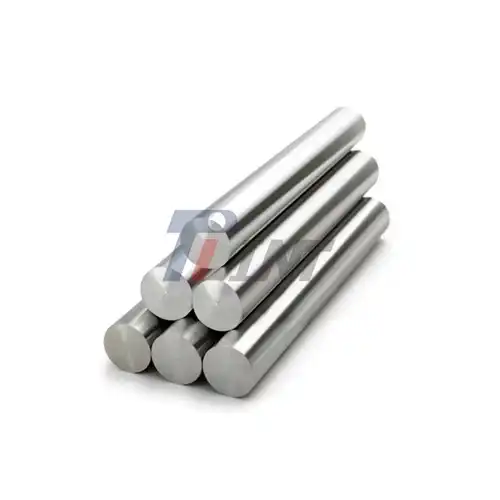



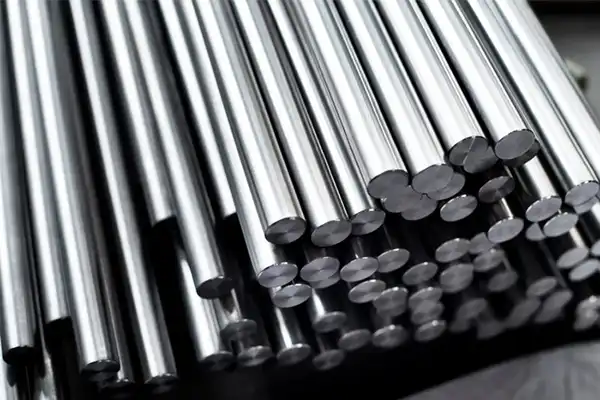
ASTM F67 GR3 Medical Titanium Bar


Lightweight and extremely durable material.
Corrosion-resistant for long-term use.
High strength-to-weight ratio for flexibility.
Excellent fatigue resistance for durability.
Customizable to suit surgical needs.
Reliable in critical medical environments.
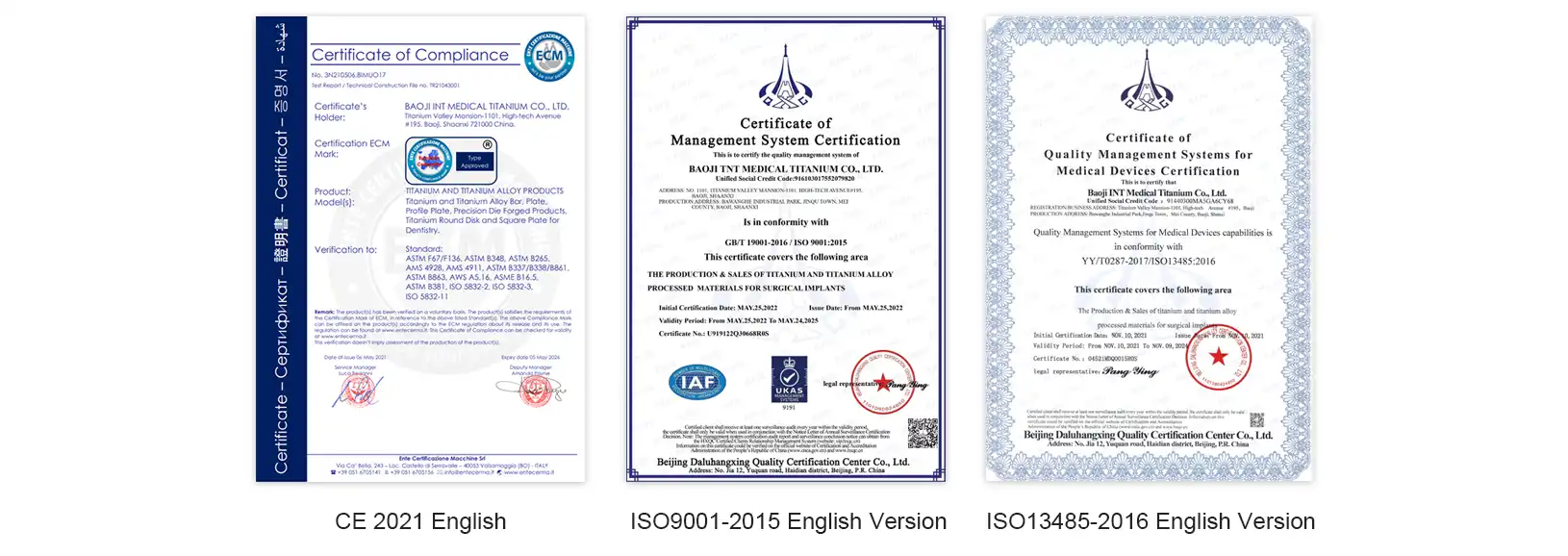
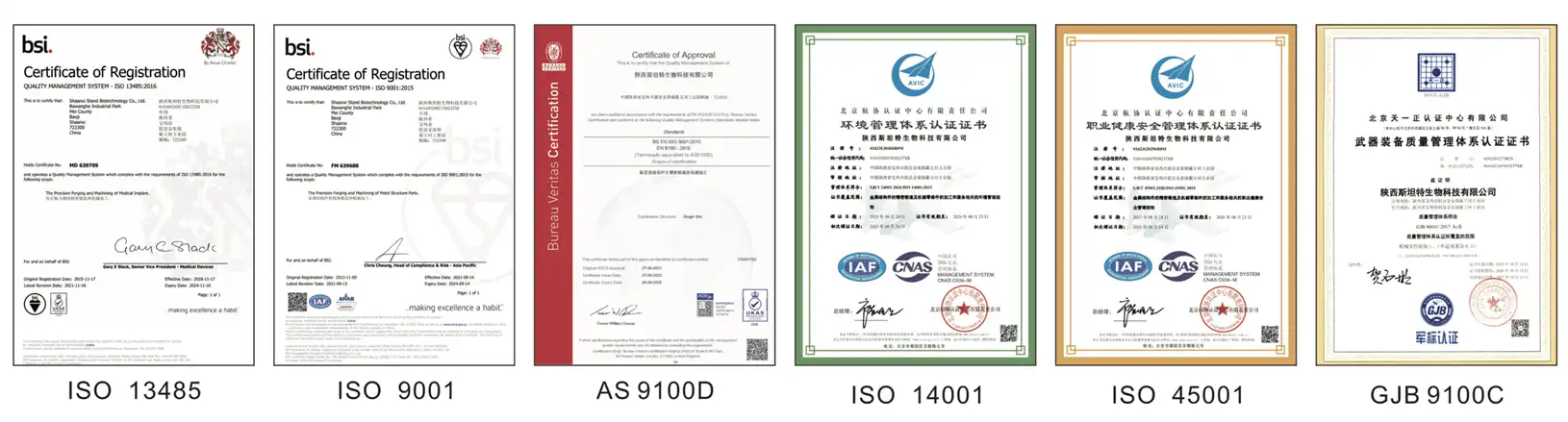
All products have passed ISO9001:2015, ISO13485:2016, EU CE safety certification
ASTM F67 GR3 Medical Titanium Bar - Precision-Engineered Material for Surgical Implant Applications
Baoji INT Medical Titanium Co., Ltd. manufactures ASTM F67 GR3 Medical Titanium Bar with stringent quality protocols designed for surgical implant applications. Our material delivers a minimum tensile strength of 450 MPa and yield strength of 380 MPa, maintaining 18% elongation for superior mechanical performance. With ISO13485:2016 and CE certification backing every production batch, our manufacturing process controls interstitial elements precisely—nitrogen ≤0.05%, oxygen ≤0.35%, and hydrogen ≤0.015%—ensuring biocompatibility and corrosion resistance. Since 2003, INT has specialized in medical-grade titanium processing, combining over 30 years of industry expertise with advanced precision die forging capabilities to serve orthopedic, dental, and reconstructive surgery sectors worldwide.
Understanding Medical-Grade Titanium Specifications
The substance is titanium commercially pure for medical uses with modest strength. This grade provides a compromise between mechanical integrity and biological safety, making it suited for spinal fusion devices, bone fixation plates, and maxillofacial reconstructive components.
Compared to lower grades utilised in general medical devices, GR3 delivers superior strength while retaining the ductility required for surgical contouring. Upon contact with body fluids the natural oxide layer is rapidly restored, forming a passive barrier that limits ion release and halts inflammation.
Your surgical implant projects demand materials that can reliably withstand cyclic loading. GR3 possesses excellent fatigue resistance, enduring millions of load cycles without crack development or structural damage.
Technical Parameters and Chemical Composition
|
Property |
Specification |
Standard |
|
Tensile Strength |
Min 500 MPa (65 ksi) |
ASTM F67 |
|
Yield Strength (0.2% offset) |
Min 380 MPa (55 ksi) |
ASTM F67 |
|
Elongation |
Min 18% |
ASTM E8 |
|
Nitrogen (Max) |
0.05% |
ASTM E1409 |
|
Carbon (Max) |
0.08% |
ASTM E1447 |
|
Hydrogen (Max) |
0.015% |
ASTM E1447 |
|
Iron (Max) |
0.30% |
ICP Analysis |
|
Oxygen (Max) |
0.35% |
ASTM E1409 |
|
|
|


These controlled interstitial elements directly impact your implant's long-term stability. Oxygen content influences strength and ductility balance, while hydrogen monitoring prevents embrittlement that could cause premature failure during physiological loading.
Core Manufacturing Advantages
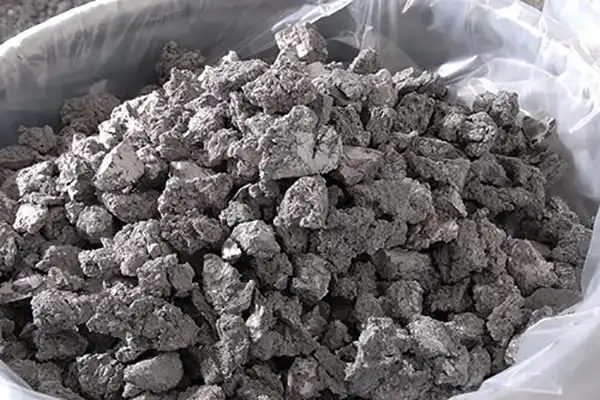
Our precision processing expertise enables us to convert raw titanium into surgical-ready bar material with controlled thermal treatment and surface preparation. Centerless grinding attains roughness less than Ra 0.8µm. Oxided skin layers that disturb CNC machining operations are eliminated.
Each production batch is subject to ultrasonic testing to AMS 2631 for internal voids or inclusions. This non-destructive testing guarantees that your machining operations won’t have concealed errors that jeopardise sterile barriers or structural integrity.
As per our quality guidelines, we still need to check the alpha case. The oxygen enriched surface layer generates brittle fractures during fatigue loading. Our heat treatment specifications and surface cleaning techniques assure that produced bars are free of alpha case.
Biocompatibility and Clinical Safety
The product has great osseointegration qualities, which are very important for the long-term success of the implants. The titanium oxide passive layer interacts with bone tissue directly and promotes cellular adhesion and mineralisation matrix development without fibrosis.
Patients enjoy the non-ferromagnetic qualities, allowing for safe MRI and CT imaging post-operatively. This material generates less imaging artefacts than stainless steel alternatives, allowing doctors to correctly measure healing progress and implant position.
It is absolutely resistant to corrosion at any physiological pH and amounts of chloride in body fluids. This resistance to electrochemical breakdown prevents the release of metal ions associated with inflammatory reactions and tissue discolouration.
Quality Control and Material Traceability
Every shipment includes EN 10204 3.1 material test reports documenting heat number traceability, chemical analysis results, and mechanical testing data. These certificates verify compliance with ASTM F67 GR3 Medical Titanium Bar specifications and provide the documentation required for regulatory submissions.
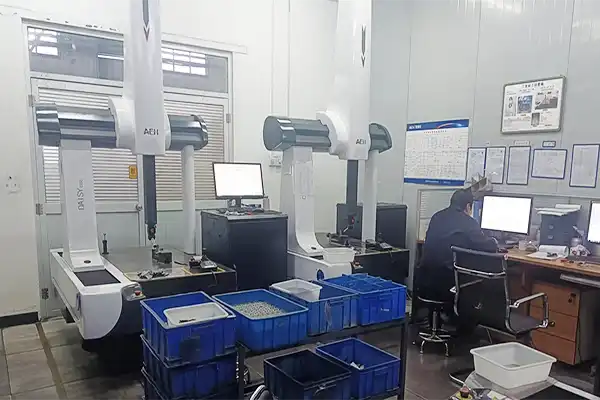
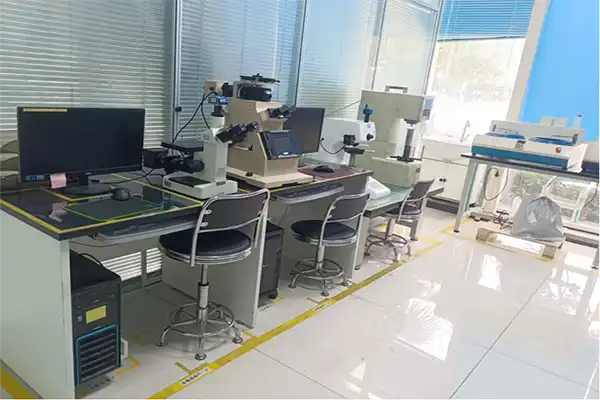
Our laboratory facilities include inductively coupled plasma spectroscopy for elemental analysis, tensile testing as per ASTM E8 and microstructure examination by optical microscopy. Bend testing under ASTM E290 ensures that ductility meets the specification requirements for surgical forming procedures.
If independent validation of your quality management system is required, third party verification solutions are available through recognised testing facilities. We have links with foreign inspection authorities to witness testing and material certification.
Customization and Processing Services
Standard diameters of bars from 6 mm to 200 mm in length up to 6000 mm, depending on your production needs. If you need to improve concentricity in your machining setup, secondary grinding operations can be used to achieve custom dimensional tolerances tighter than ASTM norms.
Options for surface finish: peeled, ground, or polished, matched to your CNC machine capabilities. A polished surface will reduce tool wear in precise drilling and threading, whereas fast turning activities can tolerate a rougher finish.
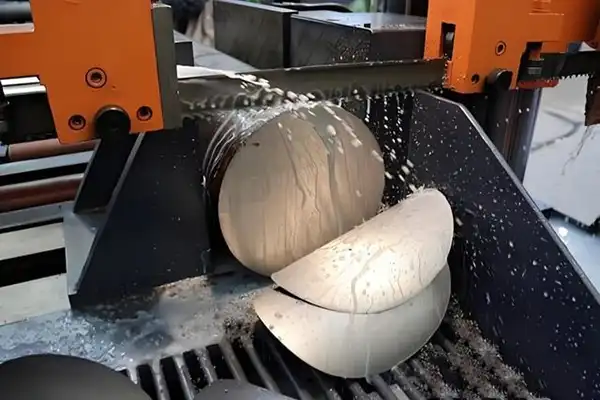
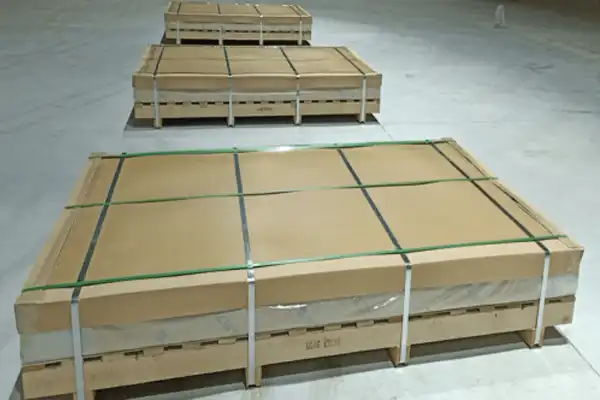
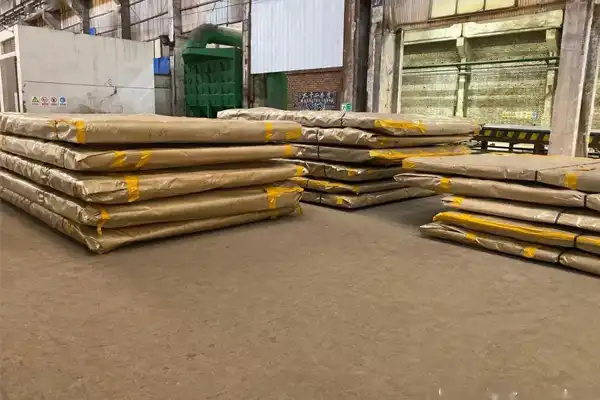
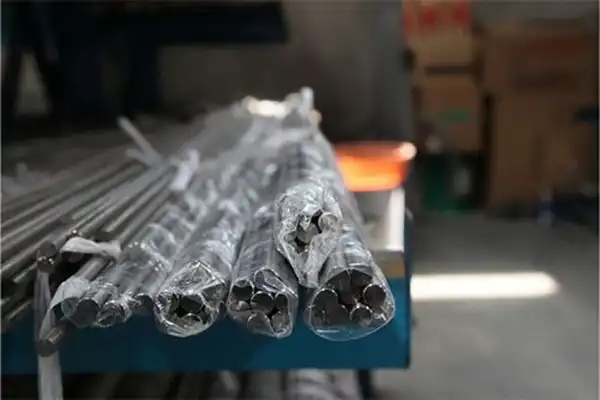
Our cutting services give bars in ready-to-machine lengths, reducing the material waste in your production process. Protective packaging shields against any surface contamination during shipping and storage before your manufacturing activities.
Product Technology and Production Process
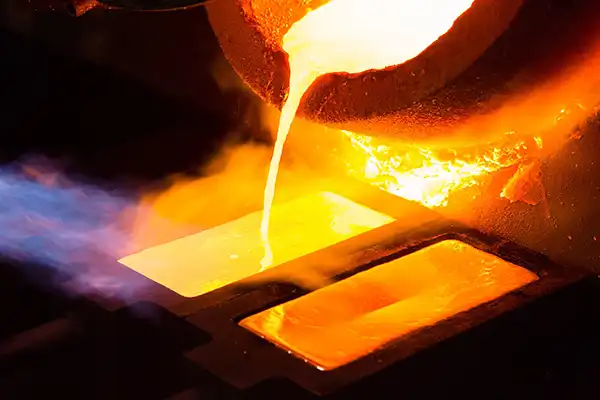
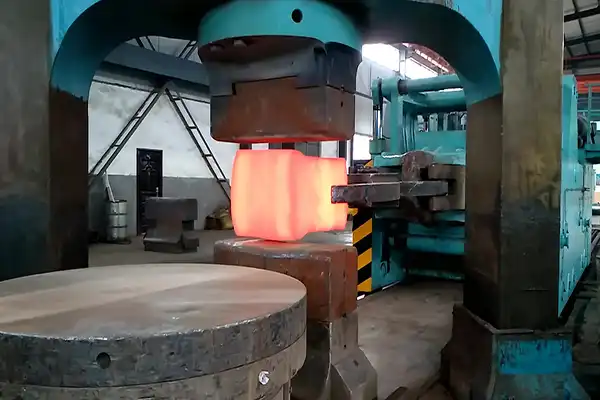
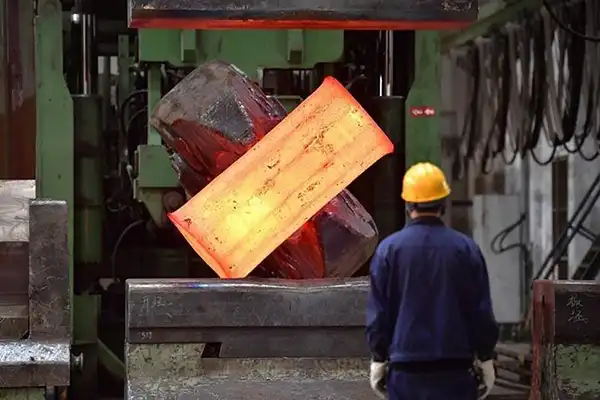
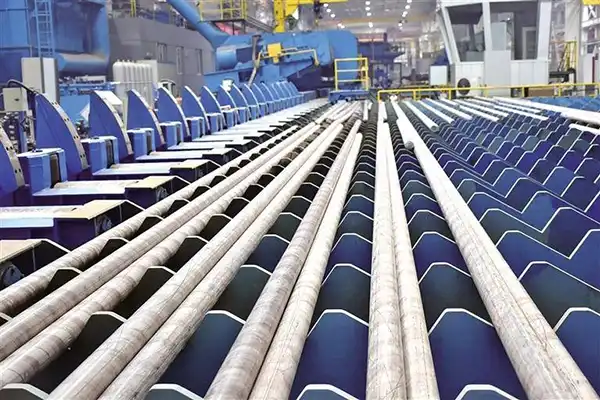
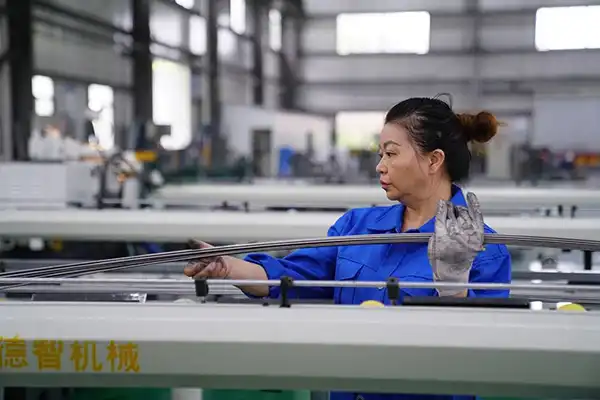
Hot rolling and forging techniques that enhance the mechanical properties, ensuring superior strength and toughness.
Ultrasonic testing to detect flaws and ensure 100% reliability.
Strict quality control at every stage of production, meeting and exceeding international medical standards like ISO9001:2015 and ISO13485:2016.
 |
 |
 |
 |
 |
 |
 |
 |
Industries Catered
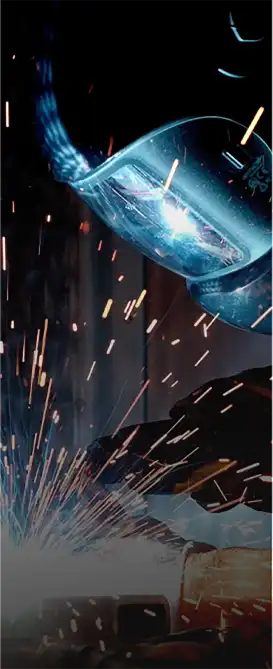
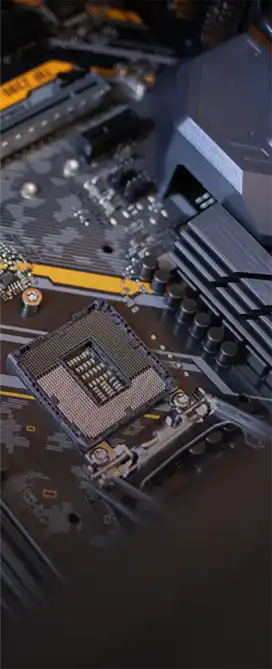
Our products are widely used in medical, automotive, aerospace, chemical, scientific and technological manufacturing and electronic information industries.
 |
 |
 |
 |
 |
 |
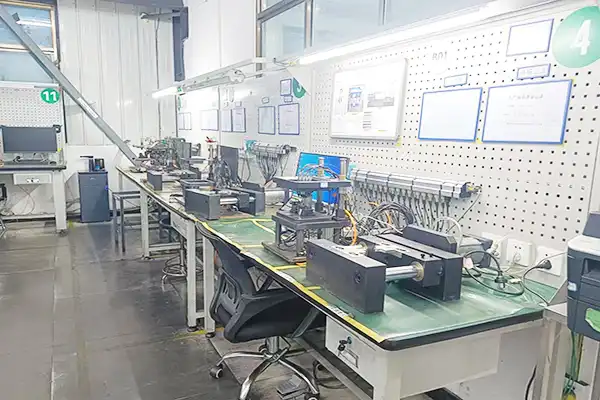
Our Factory - A Legacy of Excellence
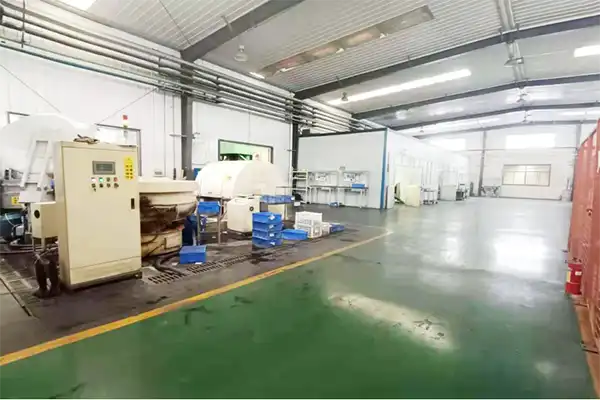
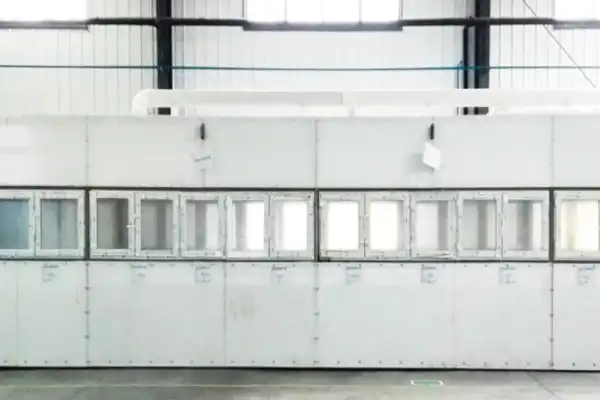
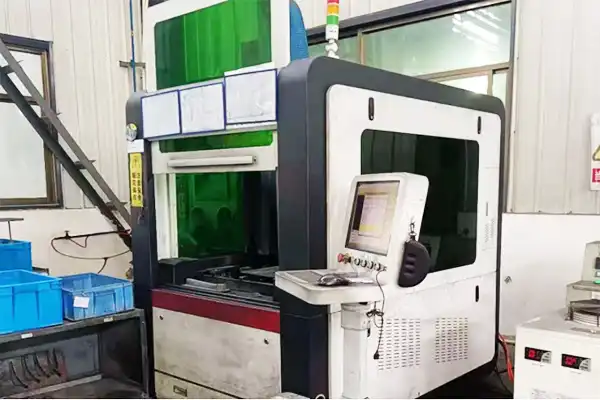
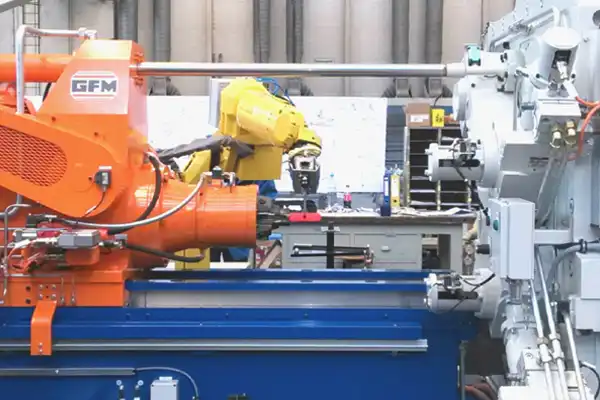
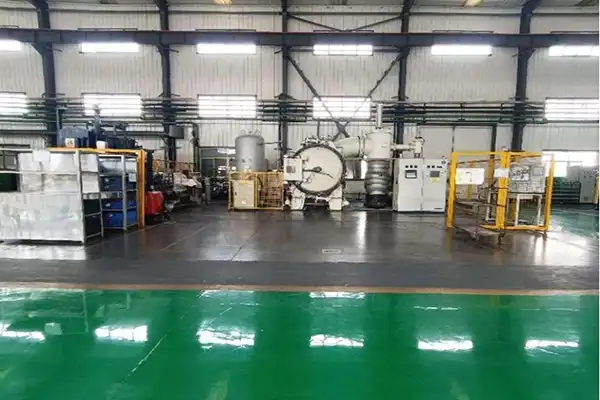
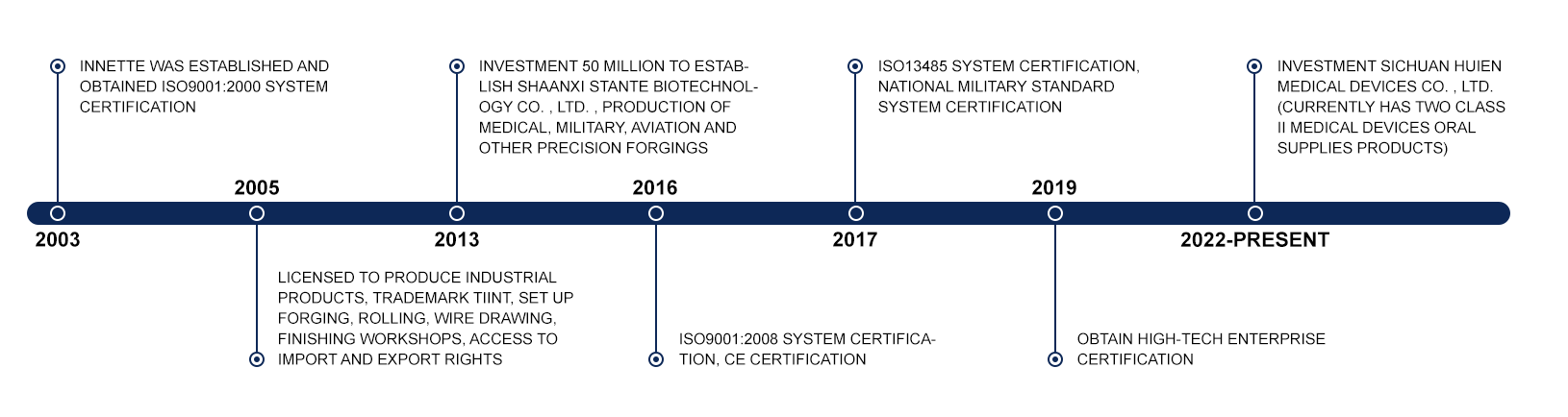
Founded in 2003 by titanium industry expert Mr. Zhan Wenge, Baoji INT Medical Titanium Co., Ltd. has grown into a benchmark enterprise in the R&D and production of medical titanium materials. With more than 30 years of experience, INT is deeply invested in the development of high-quality titanium for the medical sector. We provide a full range of titanium products, including pure titanium, Ti6Al4V ELI titanium, and custom titanium alloy forgings.
 |
 |
 |
 |
 |
 |
 |
 |
Packaging and Transportation
 |
 |
 |
Why Choose Us?
Choosing Baoji INT Medical Titanium Co., Ltd. means partnering with a trusted leader in the medical titanium industry.
Here’s why:
Proven Expertise: Over 30 years of experience in medical titanium production.
Advanced Technology: State-of-the-art production lines and equipment.
International Certifications: ISO9001:2015, ISO13485:2016, and EU CE certifications.
Comprehensive Support: We provide ongoing technical support, ensuring our products fit seamlessly into your manufacturing process.
Customer-Centric Approach: Committed to delivering high-quality products on time, every time.
For inquiries or orders, please contact us at export@tiint.com. We look forward to partnering with you for your medical titanium needs.
FAQ
Q: What distinguishes GR3 from GR2 in surgical applications?
A: GR3 contains slightly higher oxygen content (0.35% max vs 0.25% max), increasing tensile strength by approximately 100 MPa while maintaining sufficient ductility for contouring operations. This makes GR3 preferable for load-bearing implants requiring greater mechanical strength.
Q: How does hydrogen content affect implant performance?
A: Hydrogen exceeding 0.015% causes embrittlement that reduces ductility and fatigue life. Our incoming material inspection and processing controls prevent hydrogen absorption, ensuring your implants maintain mechanical properties throughout their service life.
Q: Is this material compatible with magnetic resonance imaging?
A: Yes, the non-magnetic nature allows patients with implants to safely undergo MRI procedures without heating risks or image distortion that interferes with diagnostic accuracy.
Q: What certifications accompany material shipments?
A: Each order includes material test reports per EN 10204 3.1 standard, documenting chemistry, mechanical properties, and ASTM F67 compliance. ISO13485:2016 and CE certificates are available upon request for regulatory submissions.
Q: Can you provide material for prototype development?
A: Small-quantity orders are available to support your R&D projects and prototype validation. Minimum order quantities are flexible to accommodate development timelines before full-scale production.
Partner With Medical Titanium Specialists
Contact our technical team at export@tiint.com to discuss your specific application requirements, material certifications, or custom processing needs for ASTM F67 GR3 Medical Titanium Bar.