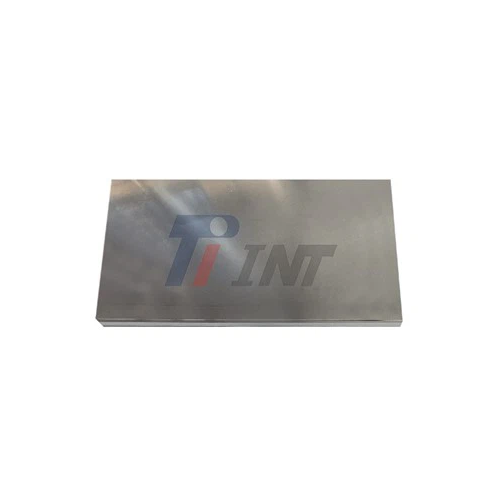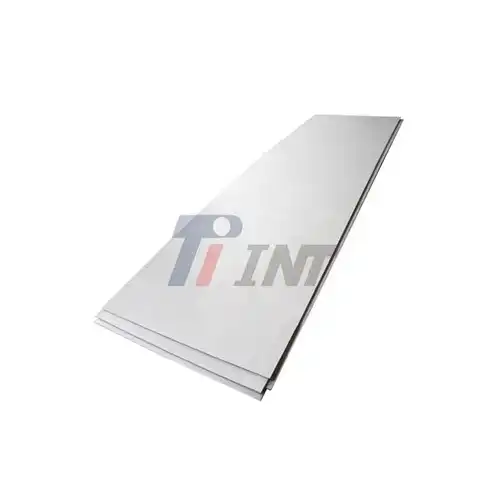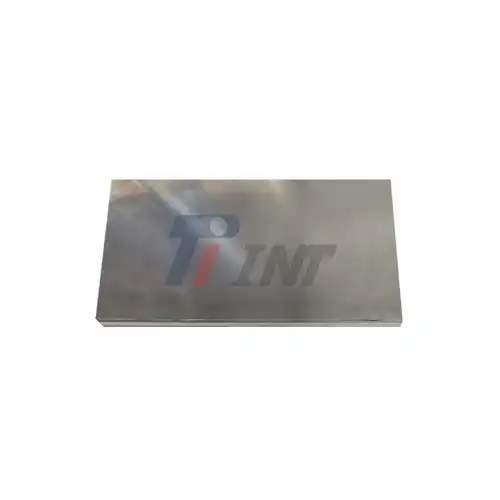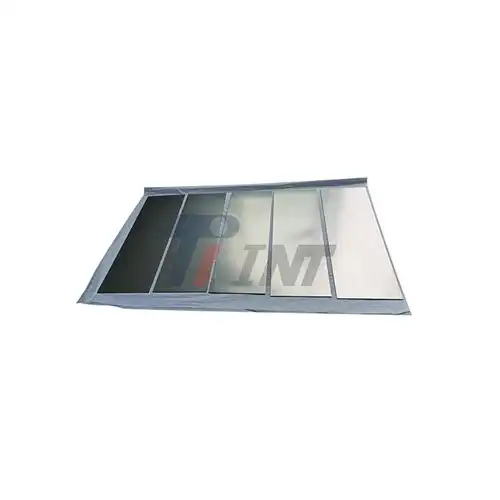

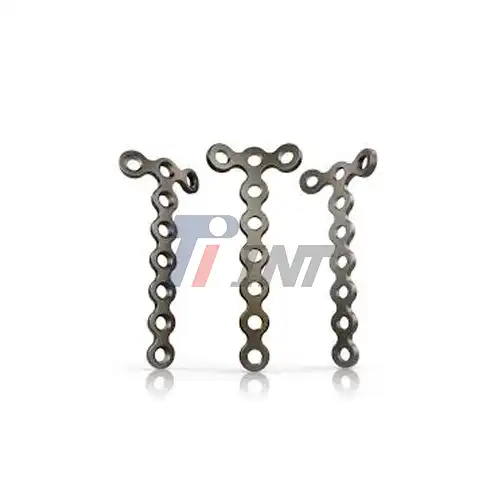

ASTM F136 Gr5 Titanium Medical Sheet


Lightweight and extremely durable material.
Corrosion-resistant for long-term use.
High strength-to-weight ratio for flexibility.
Excellent fatigue resistance for durability.
Customizable to suit surgical needs.
Reliable in critical medical environments.
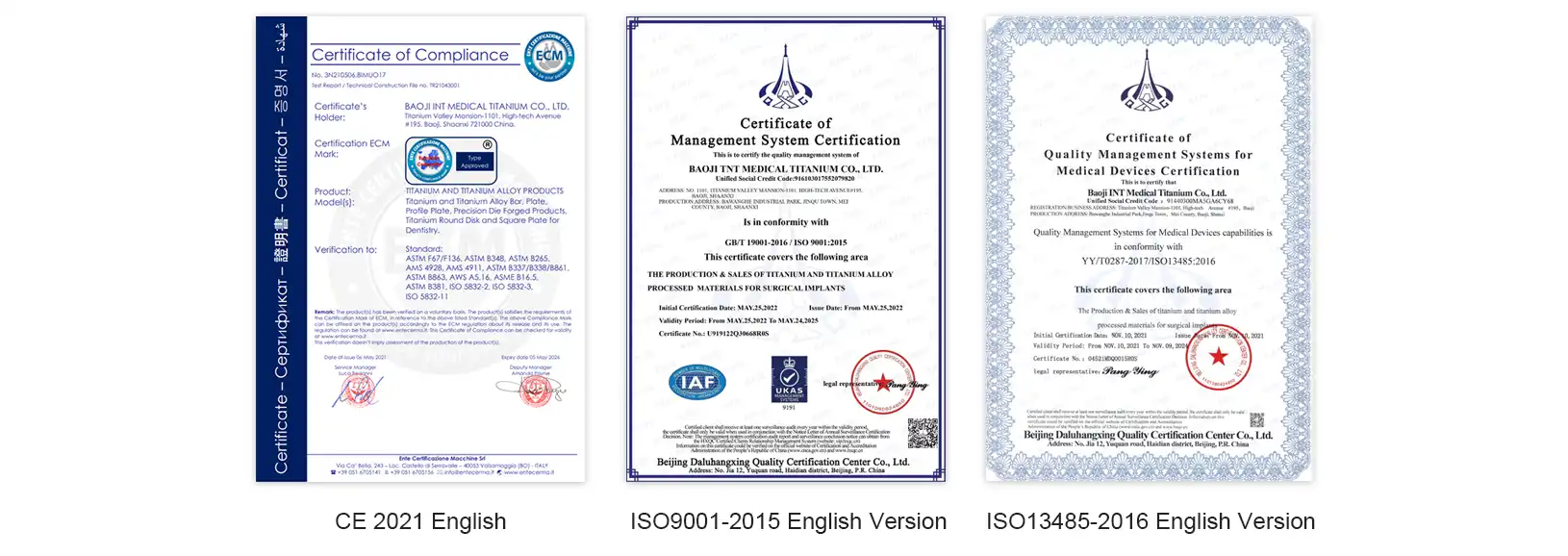
All products have passed ISO9001:2015, ISO13485:2016, EU CE safety certification
ASTM F136 Gr5 Titanium Medical Sheet – Premium Biocompatible Material for Surgical Implants and Medical Devices
Baoji INT Medical Titanium Co., Ltd. manufactures ASTM F136 Gr5 Titanium Medical Sheet, an extra-low interstitial (ELI) titanium alloy specifically engineered for surgical implantation and medical device manufacturing. We are a professional enterprise specialised in medical grade titanium materials since 2003, certified with ISO13485:2016 & CE. The product delivers good mechanical performance in load bearing applications with minimum ultimate tensile strength of 860 MPa, yield strength of 795 MPa and elongation of more than 10%. It includes less than 0.13% oxygen and only 0.25% iron for better ductility and fracture toughness than typical Grade 5 alloys, making it the optimum choice for orthopaedic trauma plates, spinal instrumentation and craniofacial reconstruction components.
Product Specifications
| Specification | Description |
|---|---|
| Material | ASTM F136 Gr5 Titanium (Ti-6Al-4V) |
| Thickness | Customizable (0.1mm to 50mm) |
| Width | Customizable |
| Length | Customizable |
| Biocompatibility | Excellent, ensuring safe implantation |
| Corrosion Resistance | Highly resistant to bodily fluids |
| Strength-to-Weight Ratio | High strength with low weight |
| Fatigue Resistance | Excellent, ensuring durability |
| Certifications | ISO9001:2015, ISO13485:2016, EU CE |
| Customization | Available to meet surgical needs |
|
|
|


Why ASTM F136 ELI Grade Outperforms Standard Titanium Alloys?
The extra-low interstitial standard makes this material different from typical aerospace-grade titanium. The Grade 5 standard titanium allows more impurities that may interfere with biocompatibility and fatigue resistance in physiological settings.
Our product adheres to high chemical purity standards. Lower interstitial elements eliminate embrittlement during forming processes and increase crack resistance under cyclic loading circumstances.
The material rapidly produces a stable titanium dioxide passive layer when exposed to atmosphere. This self-healing oxide barrier is fully corrosion-resistant in the saline body fluids, and prevents the release of metal ions which might cause undesirable tissue reactions.
It is lightweight, with a density of just 4.43 g/cm3 and it has an unequalled strength-to-weight ratio over stainless steel or cobalt-chrome options. This weight advantage results in less patient discomfort and better surgical results in load-bearing implant use.
Critical Applications in Medical Device Manufacturing
Orthopaedic Trauma Fixation Systems
The product is used by medical device makers for the production of internal fixation plates, locking compression plates and bone screws for fracture repair. The material withstands physiological loads during the healing process and maintains dimensional stability in corrosive environments.
Craniofacial and Maxillofacial Reconstruction
Surgeons need materials that can be moulded to the intricate anatomies of bones. Our ELI grade sheet has higher ductility, allowing cold forming operations without microcracks, which is important for custom skull plates and mandibular reconstruction components.
Components of Spinal Instrumentation
Spinal stabilisation plates are expected to withstand millions of loading cycles during a patient’s lifetime. This material’s high fatigue strength precludes metal fatigue failure in both anterior and posterior attachment systems.
Dental Prosthetic Frameworks
This sheet provides excellent resistance to crevice corrosion and galvanic reactions in the oral environment with its varying pH and temperatures, when used in conjunction with other dental materials.
Technical Specifications and Material Properties
|
Property |
Specification |
|
Standard Designation |
ASTM F136 (UNS R56401) |
|
Chemical Composition |
Ti-6Al-4V ELI (6% Aluminum, 4% Vanadium) |
|
Oxygen Content |
≤0.13% (Extra Low Interstitial) |
|
Iron Content |
≤0.25% |
|
Ultimate Tensile Strength |
≥860 MPa (125 ksi) |
|
Yield Strength |
≥795 MPa (115 ksi) |
|
Elongation at Break |
≥10% |
|
Density |
4.43 g/cm³ |
|
Operating Temperature |
Up to 400°C (750°F) |
|
Corrosion Resistance |
Immune in saline physiological environments |
|
MRI Compatibility |
Non-ferromagnetic, fully MRI-safe |
Manufacturing Excellence and Quality Assurance
INT Medical Titanium operates under certified quality management systems including ISO9001:2015, ISO13485:2016, and EU CE certification. Every production batch of ASTM F136 Gr5 Titanium Medical Sheet undergoes rigorous testing protocols.
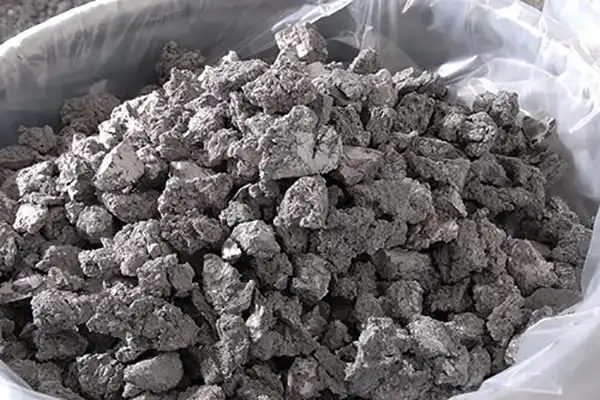
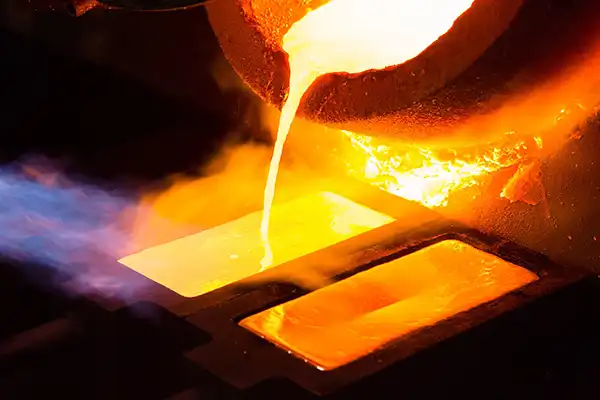
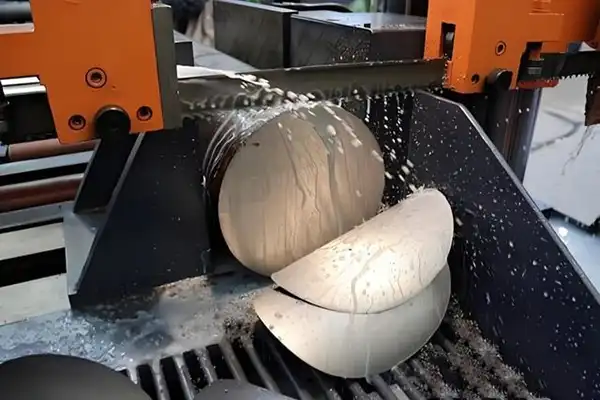
Our manufacturing process starts with premium grade titanium ingots from trusted vendors. Hot rolling processes at certain temperature windows lead to optimum microstructure refinement. The cold rolling and annealing procedures are carried out to provide the final mechanical characteristics necessary for medical purposes.
Dimensional tolerances conform to h8/h9 accuracy standards for compatibility with cnc machining. Finishes vary from mill finish to polished specs based on your processing requirements.
Full material traceability paperwork is supplied with each order. EN 10204 3.1 certificates offer a comprehensive chain of custody from the ingot source through final inspection and comply with medical device regulation (MDR) standards.
Customization Capabilities for Your Production Needs
We know that medical device makers need materials that are customised to their individual production processes. We provide our product in thicknesses ranging from 0.5mm to 6mm, and in widths up to 1000mm to suit your requirements.
Cut sheet sizes to your specifications with precision, eliminating material waste and machining time. We provide basic rectangle forms and bespoke contours for big volume production runs.
Surface treatments like as passivation and electropolishing are offered to improve corrosion resistance and to minimise surface roughness. Such finishing techniques are important for components that must contact tissue directly.
Our technical team can help you with material selection for your particular application. We have solutions that balance performance, manufacturability and regulatory compliance whether you are designing new spinal fusion devices or improving existing trauma plate designs.
Machining and Fabrication Considerations
Machining ASTM F136 titanium requires a different method because of its specific problems. The material’s limited thermal conductivity results in heat accumulation at cutting interfaces , which requires vigorous coolant application and slower cutting rates .
Carbide tooling with proper coatings give the best tool life. Cutting speed should be in the range of 30-60 m/min with feed rate regulated according to depth of cut and tool shape.
The higher ductility of ELI-grade material facilitates the use of cold forming processes such as bending, stamping and deep drawing. Die designs must use springback properties to obtain final dimensional precision.
Welding requires inert gas shielding to avoid oxygen pick-up. TIG welding in argon environment preserves the purity and mechanical qualities of the weld zone. Post weld stress alleviation may be required for important load bearing components.
Product Technology and Production Process
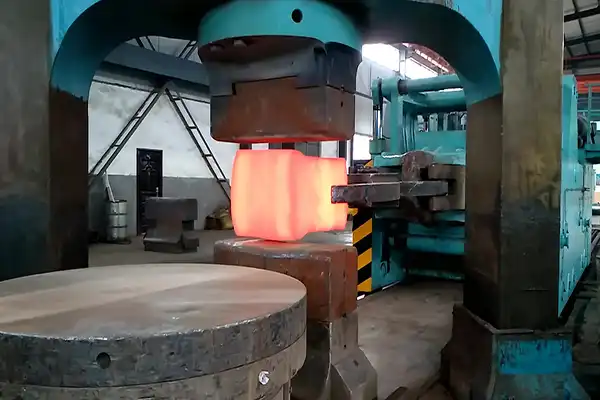
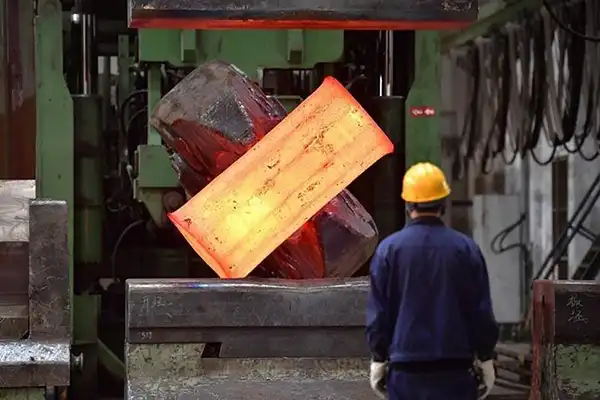
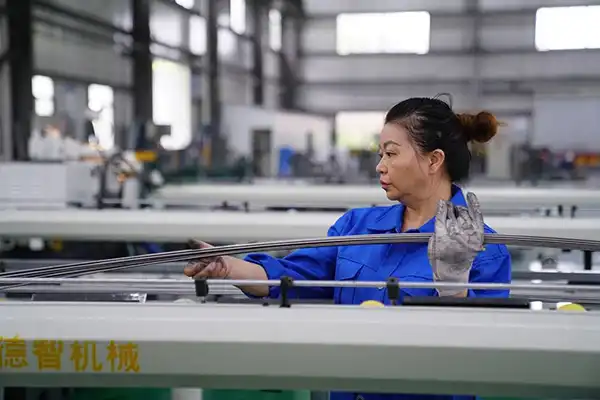
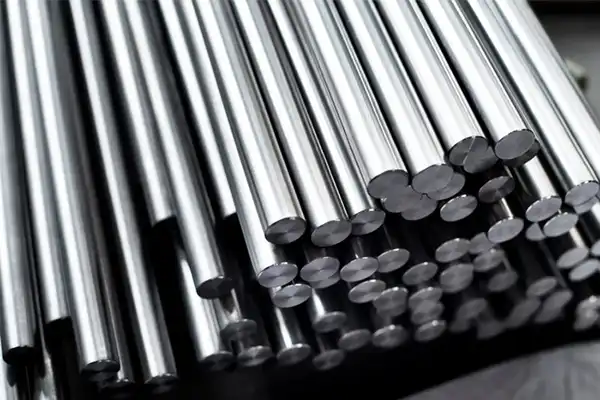
Hot rolling and forging techniques that enhance the mechanical properties, ensuring superior strength and toughness.
Ultrasonic testing to detect flaws and ensure 100% reliability.
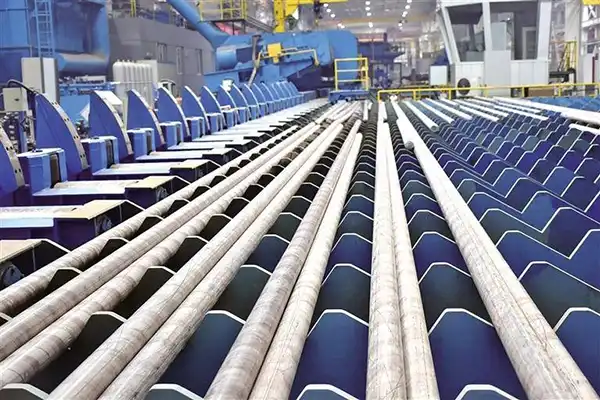
Strict quality control at every stage of production, meeting and exceeding international medical standards like ISO9001:2015 and ISO13485:2016.
 |
 |
 |
 |
 |
 |
 |
 |
Industries Catered
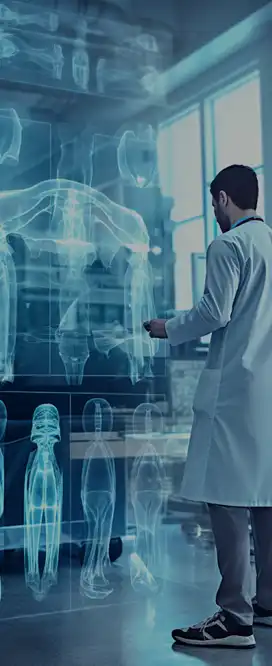
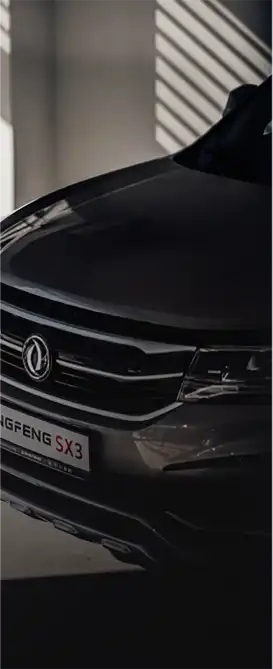
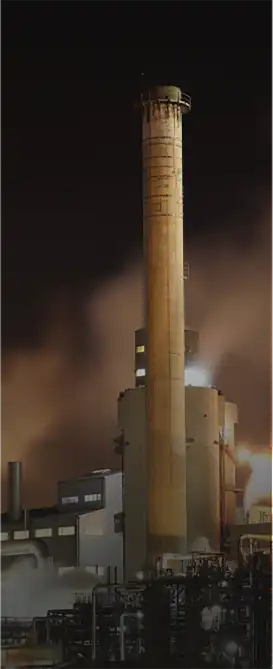
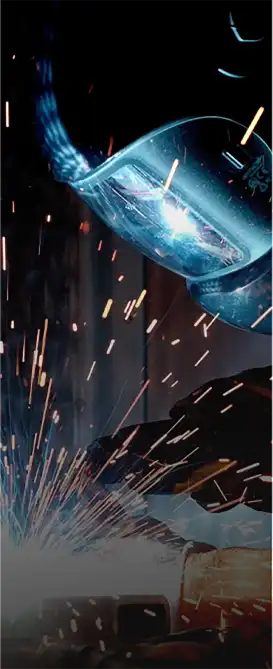
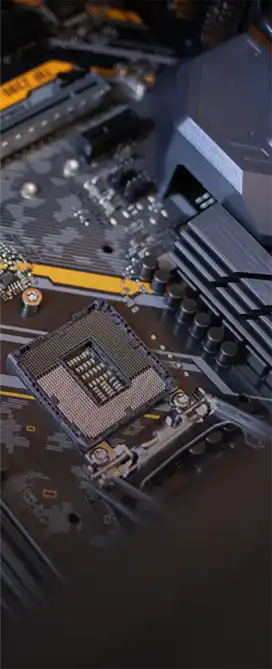
Our products are widely used in medical, automotive, aerospace, chemical, scientific and technological manufacturing and electronic information industries.
 |
 |
 |
 |
 |
 |
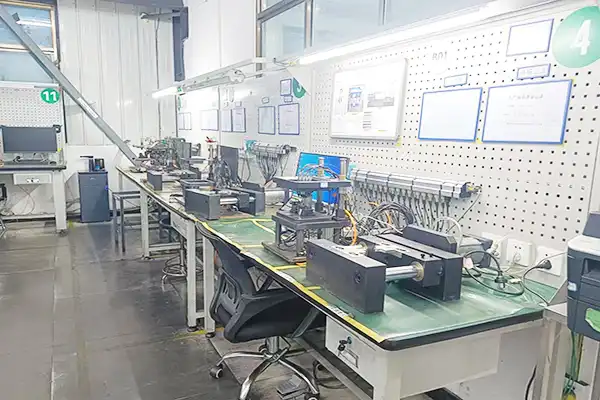
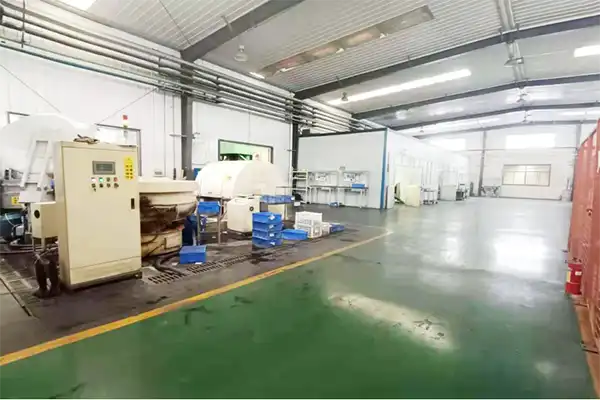
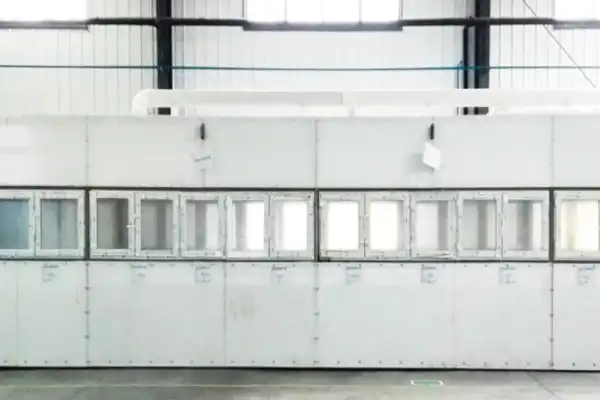
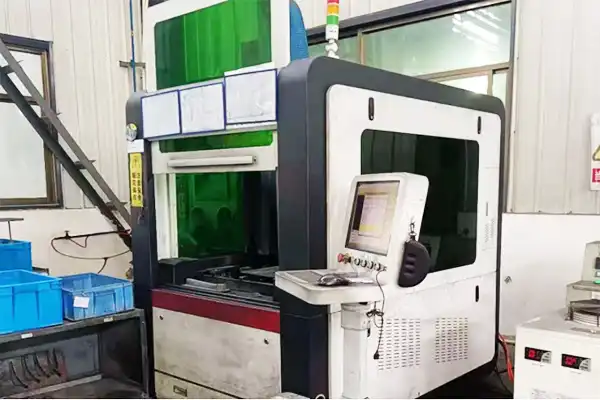
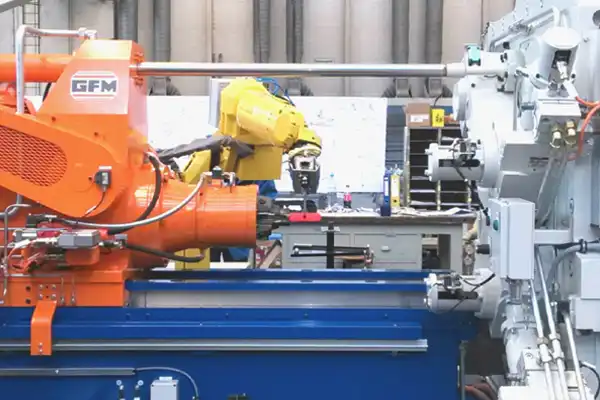
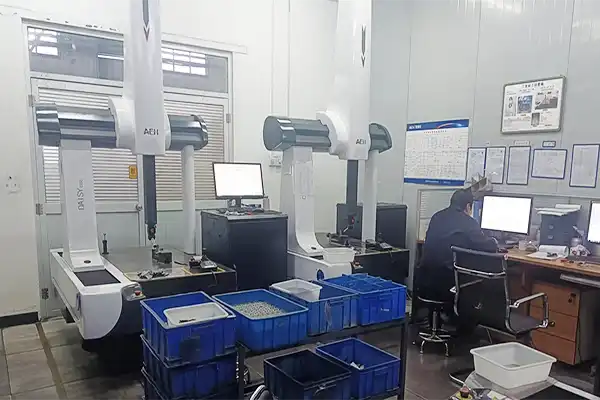
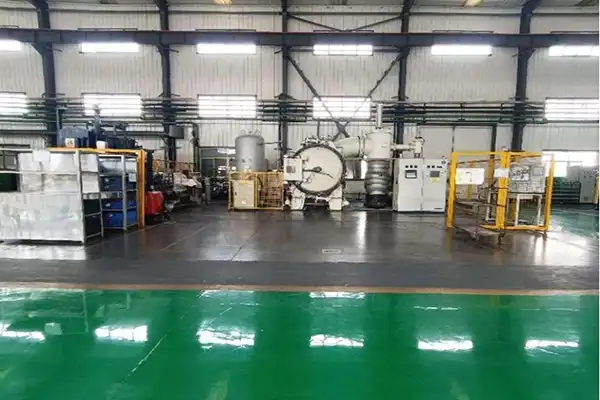
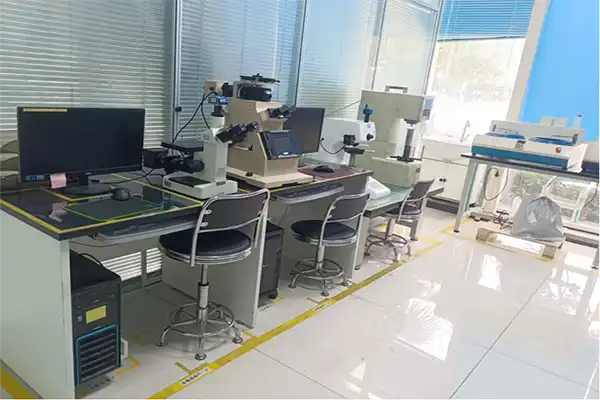
Our Factory - A Legacy of Excellence
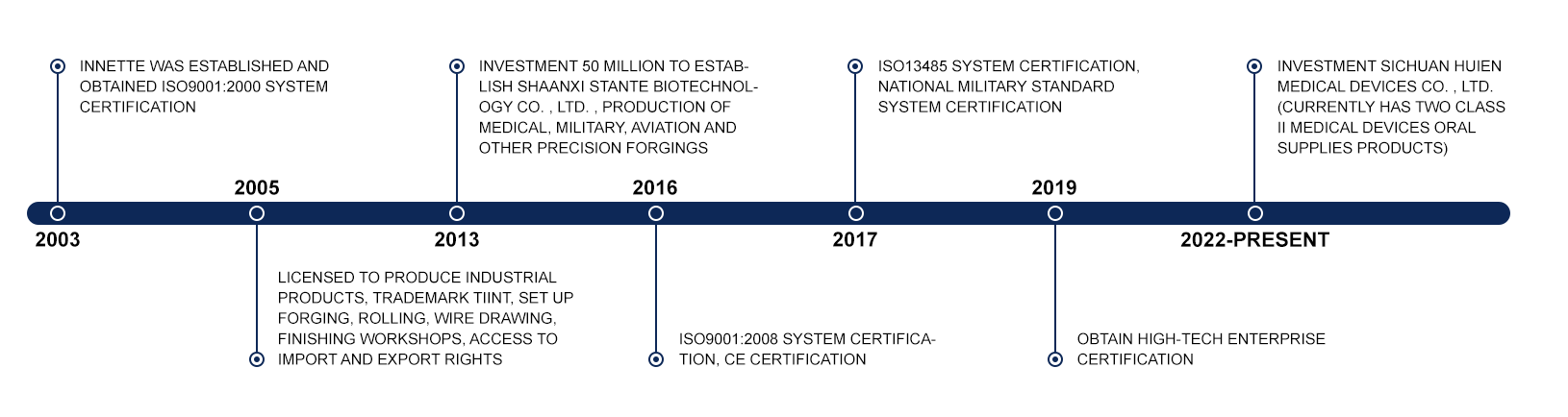
Founded in 2003 by titanium industry expert Mr. Zhan Wenge, Baoji INT Medical Titanium Co., Ltd. has grown into a benchmark enterprise in the R&D and production of medical titanium materials. With more than 30 years of experience, INT is deeply invested in the development of high-quality titanium for the medical sector. We provide a full range of titanium products, including pure titanium, Ti6Al4V ELI titanium, and custom titanium alloy forgings.
 |
 |
 |
 |
 |
 |
 |
 |
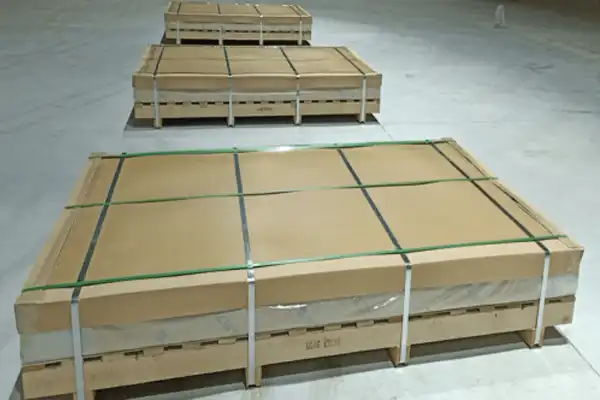
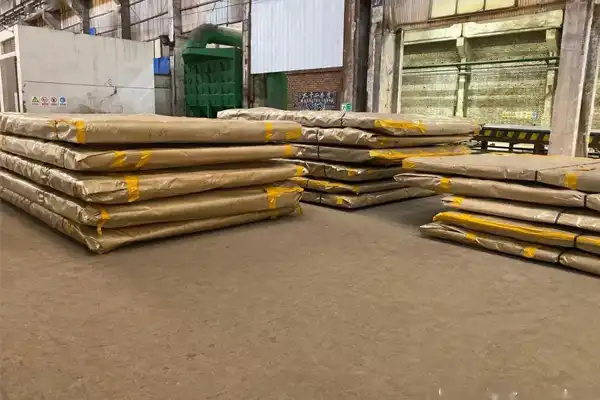
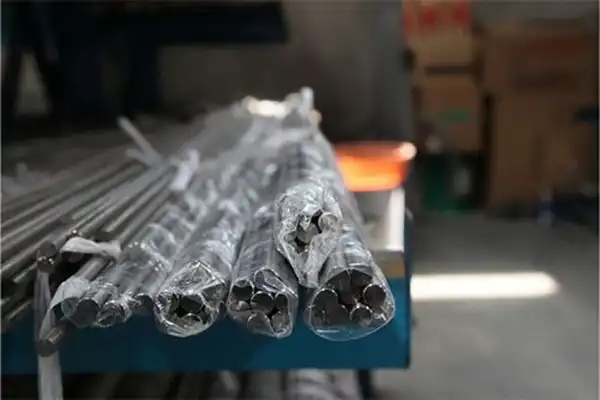
Packaging and Transportation
 |
 |
 |
Why Choose Us?
Choosing Baoji INT Medical Titanium Co., Ltd. means partnering with a trusted leader in the medical titanium industry.
Here’s why:
Proven Expertise: Over 30 years of experience in medical titanium production.
Advanced Technology: State-of-the-art production lines and equipment.
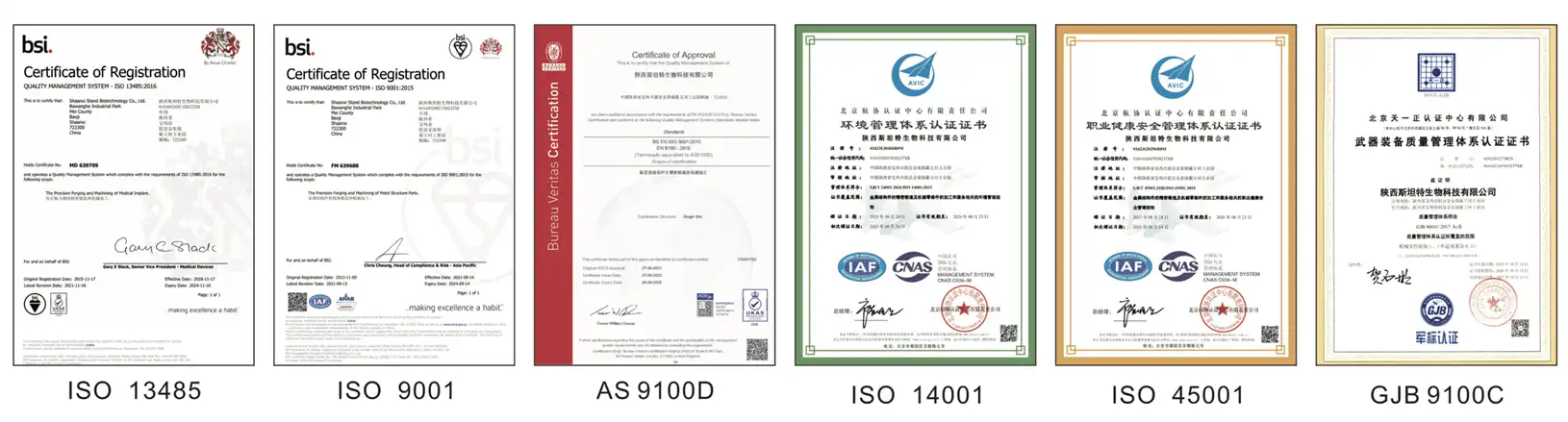
International Certifications: ISO9001:2015, ISO13485:2016, and EU CE certifications.
Comprehensive Support: We provide ongoing technical support, ensuring our products fit seamlessly into your manufacturing process.
Customer-Centric Approach: Committed to delivering high-quality products on time, every time.
For inquiries or orders, please contact us at export@tiint.com. We look forward to partnering with you for your medical titanium needs.
FAQ
Q: How is ASTM F136 different from Grade 5 titanium?
A: ASTM F136 is the Extra Low Interstitial variant with rigorous limits on oxygen and iron content, giving greater ductility and fracture toughness for permanent surgical implants.
Q: Can this substance be sterilised by regular medical procedures?
A: Yes, the sheet can be autoclaved repeatedly, irradiated with gamma rays and sterilised with ethylene oxide without degradation of mechanical qualities or surface features.
Q: Can you weld with ASTM F136 material?
A: The decreased oxygen content makes it more weldable than regular Grade 5. To avoid embrittlement and keep biocompatibility, welding must be done in an argon shielded atmosphere.
Q: Will the material allow MRI scans of implanted devices?
A: The alloy is not ferromagnetic, thus patients with this material in their implants can safely undergo MRI scans without picture artefacts or heating.
Q: What shipping documentation accompanies material shipments?
A: All orders are supplied with EN 10204 3.1 material certificates, including full chemical analysis, mechanical test findings and heat number traceability for compliance in the manufacture of medical devices.
Partner With a Trusted Medical Titanium Specialist
Request a quotation or technical consultation by contacting our export team at export@tiint.com for ASTM F136 Gr5 Titanium Medical Sheet.